
In the contemporary marketplace, the concept of a “channel” has evolved from a simple physical pathway of distribution into a complex, multi-dimensional ecosystem of interaction. To define what channels are in the context of brand strategy is to describe the very veins and arteries of a business. They are the touchpoints where a brand’s promise meets a customer’s reality. Without effective channels, the most innovative product or the most compelling brand identity remains invisible, stranded in a vacuum of inactivity.
At its core, a channel is any medium or platform through which a brand communicates its value proposition and delivers its products or services to the end consumer. However, in a digitally saturated world, channels are no longer just “pipes” for delivery; they are environments that shape the customer experience. Understanding the nuances of these channels is the difference between a brand that merely exists and one that thrives through deep, resonant connections with its audience.
Defining Channels in the Branding Ecosystem
To understand what channels are, one must first distinguish between their two primary functions: communication and distribution. While these functions often overlap in the digital age, they serve distinct roles in a brand’s strategic framework.
Communication vs. Distribution
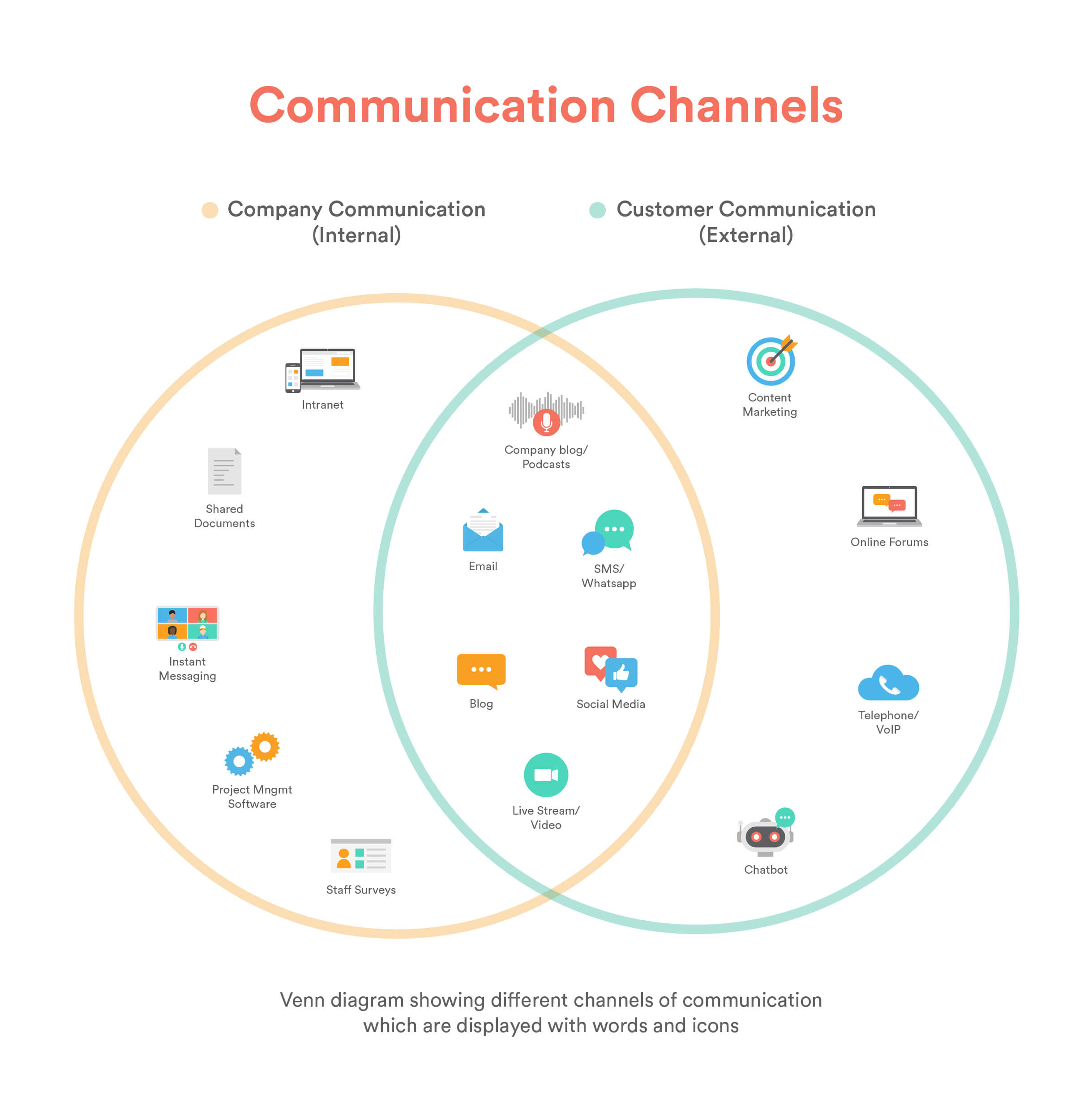
Communication channels are the platforms used to transmit a brand’s message, story, and values. These include social media, email marketing, television commercials, and public relations. The goal here is influence, awareness, and engagement. Distribution channels, on the other hand, are the logistical routes through which a product or service reaches the customer. This could be a physical retail store, a third-party marketplace like Amazon, or a proprietary e-commerce site.
In the modern landscape, the line between these two has blurred. For instance, an Instagram post is a communication channel, but through “shippable posts,” it simultaneously becomes a distribution channel. This convergence requires brands to rethink their infrastructure, ensuring that every touchpoint is optimized for both narrative and transaction.
The Shift from Multi-channel to Omni-channel
Historically, brands operated on a multi-channel model, where they maintained several different platforms—such as a physical store and a website—that functioned independently of one another. The modern standard, however, has shifted toward the “omni-channel” approach.
In an omni-channel strategy, channels are not silos; they are an integrated network. A customer might discover a brand on TikTok (communication), research the product on a mobile app (information), and finally purchase it in a physical store (distribution), all while receiving a consistent and personalized experience. Understanding what channels are today means recognizing them as a seamless web of interaction rather than a collection of separate tools.
Owned, Earned, and Paid: The Trifecta of Brand Presence
To manage the complexity of modern branding, strategists categorize channels into three distinct buckets: Owned, Earned, and Paid. This framework allows a brand to balance its budget, control its narrative, and leverage external validation.
Owned Channels: The Foundation of Control
Owned channels are the digital and physical assets that a brand has complete control over. This includes the brand’s website, blog, email newsletter, and official social media profiles. These channels are the “home base” for the brand’s identity.
The primary advantage of owned channels is the ability to dictate the narrative without interference. Because the brand owns the data and the interface, it can cultivate long-term relationships with its audience. In an era where third-party data is becoming harder to access due to privacy regulations, owned channels have become the most valuable assets in a brand’s portfolio. They are the only places where the brand is the sole curator of the customer experience.
Paid Channels: Accelerating Visibility
Paid channels involve any platform where a brand pays to reach an audience. This encompasses Google Search ads, sponsored content on LinkedIn, influencer partnerships, and traditional billboard or TV advertising.
The role of paid channels is primarily discovery and acceleration. While owned channels take time to build an audience, paid channels provide immediate access to specific demographics. In the context of brand strategy, paid channels are used to “prime the pump,” driving traffic to owned channels or boosting the reach of specific campaigns. The challenge with paid channels is sustainability; once the spending stops, the visibility often disappears.
Earned Channels: The Power of Social Proof
Earned channels are perhaps the most influential yet the hardest to control. These are the channels where third parties—customers, journalists, or influencers—talk about the brand without direct payment. Examples include press coverage, organic social media mentions, online reviews, and word-of-mouth.
Earned media is the ultimate validation of a brand’s strength. When a customer advocates for a brand on their own accord, it carries more weight than any paid advertisement. In the digital economy, earned channels act as social proof, reducing the friction of the buying process by building trust through external verification.
Designing a Channel Strategy That Converts
Knowing what channels are is only half the battle; the real strategic work lies in choosing the right ones and integrating them effectively. A brand cannot be everywhere at once without diluting its message or exhausting its resources.
Audience Mapping and Touchpoint Analysis
A successful channel strategy begins with the audience. Brands must conduct deep research to understand where their target demographic spends their time and how they consume information. For a B2B software company, LinkedIn and industry-specific webinars are essential channels. For a Gen Z-focused fashion label, TikTok and Discord might be the primary focus.
Mapping the “customer journey” allows a brand to identify key touchpoints. By understanding the path from initial awareness to final purchase, a brand can assign specific roles to different channels. Some channels are best for “top-of-funnel” awareness, while others are designed for “bottom-of-funnel” conversion.
Message Consistency vs. Platform Optimization
One of the greatest challenges in channel management is maintaining brand consistency while respecting the unique “language” of each platform. A brand’s voice must be recognizable whether it is appearing in a professional white paper or a casual Instagram Story.
However, “consistency” does not mean “uniformity.” A common mistake is “cross-posting”—uploading the exact same content to every channel. Instead, brands must optimize their message for the medium. A long-form video on YouTube might be repurposed into a series of short, snappy clips for X (formerly Twitter). The core brand identity remains the same, but the delivery is tailored to the expectations of the channel’s users.
Emerging Channels and the Future of Brand Interaction
As technology evolves, the definition of what channels are continues to expand. We are moving beyond screens and physical storefronts into immersive and automated environments.
Direct-to-Consumer (DTC) Evolution
The rise of Direct-to-Consumer (DTC) models has fundamentally changed how brands view distribution channels. By bypassing traditional retailers, brands can own the entire relationship with the customer. This shift has allowed for more personalized marketing and better data collection. However, as the DTC space becomes crowded, these brands are now exploring “hybrid” channels, such as pop-up shops or partnerships with major retailers, to expand their physical footprint.
The Role of Community-Led Growth
We are seeing a move away from broadcast-style channels toward community-centric platforms. Discord, Slack, and specialized forums are becoming vital channels for brands that want to foster high levels of loyalty. In these spaces, the brand is not just a seller but a facilitator of conversation. This “community-led” approach treats the channel as a living ecosystem where the brand provides value through connection, education, and exclusive access.
AI and Conversational Channels
Artificial Intelligence is giving rise to conversational channels that feel more human. Chatbots and AI-driven virtual assistants are moving from simple customer service tools to active sales and branding channels. These interfaces allow for hyper-personalized interactions at scale, providing customers with immediate answers and recommendations. In the future, the primary channel for many brands may not be a website, but a voice or text-based AI interface that lives within the customer’s personal digital environment.
Measuring Channel Efficacy and ROI
A brand’s channel strategy is only as good as its ability to measure success. In an interconnected world, attribution—identifying which channel led to a sale—is increasingly difficult.
The Challenge of Attribution
Because customers often interact with multiple channels before making a decision, “last-click attribution” (giving all the credit to the final channel) is often misleading. A customer might see an ad on Instagram, read a review on a third-party site, and then type the brand’s URL directly into their browser to buy. Modern brand strategy utilizes multi-touch attribution models to understand how each channel contributes to the total journey.
Customer Lifetime Value (CLV) and Channel Health
Beyond immediate sales, brands must measure the long-term health of their channels. Key performance indicators (KPIs) like Customer Acquisition Cost (CAC) and Customer Lifetime Value (CLV) provide a clearer picture of whether a channel is sustainable. A channel might have a high cost-per-lead, but if the customers it brings in have high loyalty and repeat purchase rates, it remains a high-value strategic asset.
In conclusion, understanding what channels are requires a shift in perspective. They are not merely tools for moving products or blasting messages; they are the strategic environments where a brand’s identity is experienced, tested, and validated. By masterfully navigating the interplay between owned, earned, and paid media, and by staying agile in the face of emerging technologies, a brand can build an infrastructure that does more than just reach an audience—it builds a lasting legacy.
aViewFromTheCave is a participant in the Amazon Services LLC Associates Program, an affiliate advertising program designed to provide a means for sites to earn advertising fees by advertising and linking to Amazon.com. Amazon, the Amazon logo, AmazonSupply, and the AmazonSupply logo are trademarks of Amazon.com, Inc. or its affiliates. As an Amazon Associate we earn affiliate commissions from qualifying purchases.