
The question “what channel is Prime?” is a common one, born from a legacy understanding of television that predates the digital revolution. In an age dominated by streaming, the concept of a “channel” has evolved dramatically. Amazon Prime isn’t a traditional linear television channel you tune into at a specific time; it is a sprawling technological ecosystem, with its video component, Amazon Prime Video, serving as a premier on-demand streaming service. To truly understand “what channel is Prime,” we must delve into the intricate layers of modern streaming technology, platform integration, and the sophisticated digital infrastructure that powers one of the world’s leading entertainment providers. This article aims to clarify this distinction, exploring Prime Video as a cutting-edge technological platform, its accessibility, features, and its pivotal role in the ever-evolving digital entertainment landscape.
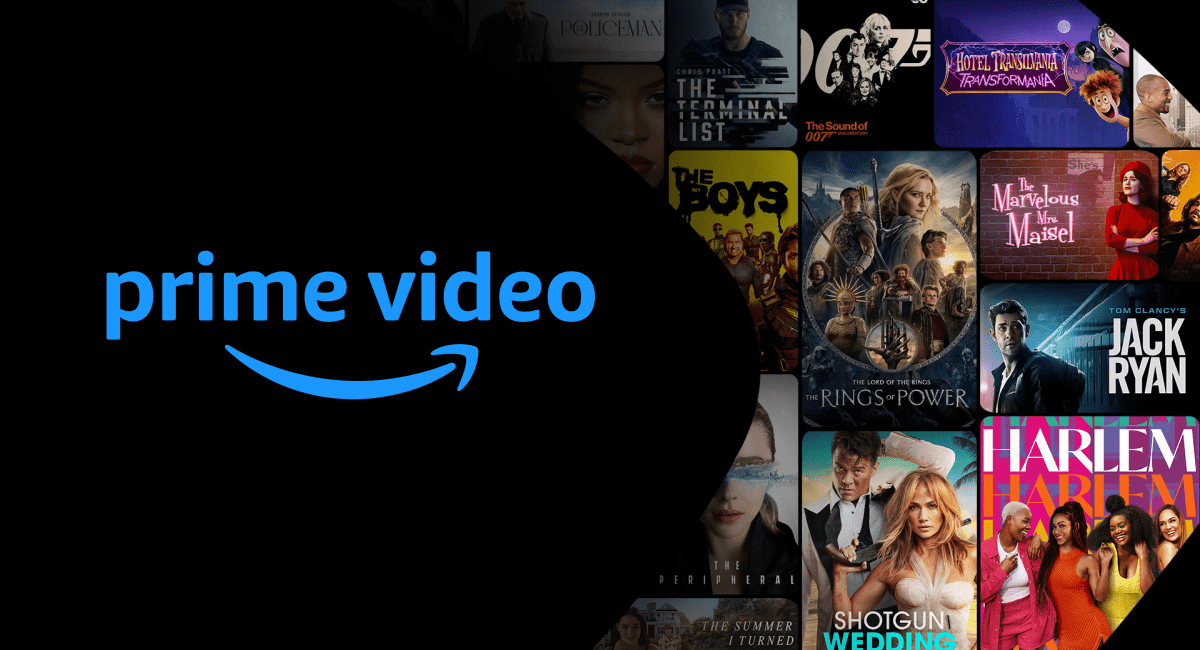
Decoding “Prime Channel”: More Than Just a Traditional Broadcast
The phrase “what channel is Prime?” harks back to an era where content was dictated by scheduled broadcasts over terrestrial, cable, or satellite networks. Viewers would flip through numbered channels, awaiting their favorite shows. In contrast, Amazon Prime Video represents a paradigm shift, where content is delivered on-demand, personalized, and accessible across a multitude of internet-connected devices. It operates not as a single fixed “channel” but as a dynamic digital portal to an immense library of films, TV series, and live events.
From Antennas to Algorithms: The Evolution of Content Delivery
The journey from linear television to on-demand streaming is a testament to rapid technological advancement. Traditional television relies on a broadcast model, transmitting signals over electromagnetic waves or dedicated cable lines. The viewer is a passive recipient, subject to a pre-set schedule. Prime Video, on the other hand, operates on an IP-based delivery system. Content is stored on massive cloud servers, primarily Amazon Web Services (AWS), and streamed over the internet directly to the user’s device. This fundamental technological difference allows for unprecedented flexibility, offering users control over what they watch, when they watch it, and often, even how they watch it (e.g., choice of language, subtitles, resolution).
The “channel” in the context of Prime Video is therefore not a frequency or a cable slot, but rather an application or a website. It’s a digital interface that leverages sophisticated algorithms to curate content, recommend new titles based on viewing history, and manage user profiles. This algorithmic intelligence is a core technological differentiator, moving beyond the one-size-fits-all approach of traditional channels to offer a highly personalized viewing experience. This shift represents a move from push-based content delivery to a pull-based, user-centric model, fundamentally changing how we interact with entertainment.
The Amazon Ecosystem: Prime as a Digital Hub
Amazon Prime Video doesn’t exist in isolation; it is deeply embedded within the broader Amazon Prime membership ecosystem. A Prime membership, at its core, is a technological marvel that bundles numerous services under one subscription. While free two-day shipping was arguably the initial killer app, Prime Video quickly became a cornerstone, significantly enhancing the value proposition. This integration is a strategic technological move by Amazon to create a sticky, all-encompassing digital lifestyle platform.
Beyond shipping and video, Prime membership often includes access to Amazon Music Prime (a limited music streaming service), Prime Reading (a rotating selection of ebooks), Prime Gaming (free games and in-game content), and unlimited photo storage through Amazon Photos. From a technological standpoint, this means a single login and subscription provides access to a diverse array of digital services, fostering a unified user experience across different media types. For instance, a user might use an Amazon Fire TV device to stream a movie on Prime Video, then seamlessly switch to Prime Music, all while leveraging their Prime account for expedited deliveries of physical goods. This interconnectedness underscores Prime Video’s identity not just as a standalone “channel,” but as a powerful component of a vast, integrated digital hub designed to maximize user engagement and retention through technological convenience.
Accessing Prime Video: Your Gateway to Entertainment
The beauty of modern streaming services like Prime Video lies in their ubiquitous accessibility. Unlike traditional channels that require specific hardware (e.g., a cable box or antenna), Prime Video leverages the widespread availability of internet-connected devices, transforming almost any screen into a potential entertainment portal. Understanding how to access it is crucial to fully appreciate its technological design.
Devices and Platforms: Where to Find Prime Video
Prime Video is platform-agnostic to a remarkable degree, ensuring it’s available wherever users are likely to consume media. This broad compatibility is a significant technological achievement, requiring robust software development for diverse operating systems and hardware configurations.
-
Smart TVs: Most modern smart televisions (from brands like Samsung, LG, Sony, Vizio, etc.) come with the Prime Video app pre-installed or available for download from their respective app stores. The app leverages the TV’s built-in internet connectivity and processing power for a seamless big-screen experience.
-
Streaming Sticks and Set-Top Boxes: Devices like Amazon’s own Fire TV Stick and Fire TV Cube, Roku players, Apple TV, and Google Chromecast are dedicated streaming hardware. These compact gadgets plug into a TV’s HDMI port, providing an interface to access Prime Video and other streaming services. They are designed for ease of use, often with dedicated remote controls and voice search capabilities (e.g., Alexa integration with Fire TV devices).
-
Game Consoles: Gaming consoles such as PlayStation (PS4, PS5) and Xbox (Xbox One, Xbox Series X/S) are powerful multimedia hubs. The Prime Video app is readily available, utilizing the console’s high-performance hardware for smooth playback and potentially higher resolutions.
-
Mobile Devices: Smartphones and tablets (iOS and Android) can download the Prime Video app, offering on-the-go access. The app is optimized for touch interfaces and smaller screens, featuring functionalities like mobile downloads for offline viewing.
-
Web Browsers: For those on laptops or desktop computers, Prime Video is accessible directly through any standard web browser (Chrome, Firefox, Edge, Safari) by visiting the Prime Video website. This offers maximum flexibility without requiring app installation.
Regardless of the device, the core technological process involves logging in with an Amazon account linked to an active Prime membership. Once authenticated, the app or website connects to Amazon’s cloud servers, streaming content over the internet. This distributed architecture ensures high availability and resilience, even during peak usage.
The Prime Video Interface: Navigating a World of Content
The user interface (UI) and user experience (UX) of the Prime Video app and website are critical technological components. A well-designed interface is crucial for making a vast library of content navigable and enjoyable. Prime Video employs a sophisticated UI designed for intuitive browsing and discovery:
-
Home Screen: Typically features personalized recommendations, trending titles, new releases, and curated collections, often powered by machine learning algorithms that analyze viewing habits.
-
Navigation Menus: Clear categories for Movies, TV Shows, Live TV (for certain sports or news), and “Channels” (for add-on subscriptions) allow users to filter content.
-
Search Functionality: A robust search bar allows users to find specific titles, actors, or genres quickly. Voice search, particularly on Fire TV devices and mobile apps, enhances this accessibility.
-
Watchlist: A crucial feature for saving titles to watch later, providing a personalized queue that syncs across devices.
-
Content Pages: Each title has a dedicated page with synopsis, cast and crew, ratings, trailers, and related content, often leveraging IMDb data (owned by Amazon) via the X-Ray feature.

The technological sophistication behind this interface lies in its ability to manage a massive content catalog, process real-time user interactions, deliver personalized recommendations, and maintain a consistent experience across a multitude of devices with varying screen sizes and input methods. Regular updates ensure bug fixes, performance improvements, and the introduction of new features, demonstrating an ongoing commitment to enhancing the platform’s technological capabilities.
Beyond the Core: Advanced Features and Customization
Amazon Prime Video is not just a basic streaming service; it’s a platform rich with advanced technological features designed to enhance the viewing experience and offer greater customization. These features highlight Amazon’s commitment to leveraging technology for a superior entertainment offering.
Prime Video Channels: Expanding Your Digital Portfolio
One of Prime Video’s most innovative technological offerings is Prime Video Channels. This feature allows Prime members to subscribe to additional streaming services (like Max, Starz, Paramount+, Shudder, etc.) directly through their Prime Video account. Instead of managing separate subscriptions, apps, and billing cycles, Prime Video Channels centralizes access and payment within the familiar Prime Video interface.
From a technological standpoint, this is a brilliant aggregation strategy. Amazon acts as a digital storefront and content aggregator, simplifying the user experience. Content from these third-party channels is streamed through the Prime Video app, often integrating seamlessly with Prime Video’s search and recommendation algorithms. This means users can browse, watch, and pay for multiple services all within one app, reducing subscription fatigue and streamlining content discovery. For content providers, it offers another distribution channel and access to Amazon’s vast customer base and billing infrastructure. This model represents a forward-thinking approach to content distribution, leveraging a unified platform to offer a highly customizable streaming portfolio.
Offline Viewing, X-Ray, and 4K UHD: Enhancing the Tech Experience
Prime Video boasts several distinct technological features that elevate its user experience:
-
Offline Viewing: This highly convenient feature allows users to download selected movies and TV shows to their mobile devices or tablets for viewing without an internet connection. The underlying technology involves efficient compression algorithms to minimize file sizes while maintaining acceptable quality, alongside robust digital rights management (DRM) to protect copyrighted content. This feature is invaluable for travel or areas with limited connectivity, showcasing a focus on user flexibility.
-
X-Ray Powered by IMDb: A truly unique technological integration, X-Ray allows viewers to instantly identify actors on screen, view trivia, access soundtrack information, and even jump to specific scenes related to an actor, all without pausing the content. This is achieved by dynamically syncing the video playback with IMDb’s extensive database in real-time. It’s an innovative application of data integration and interactive technology that enriches the passive viewing experience, transforming it into an informational and engaging one.
-
4K Ultra HD (UHD) and HDR (High Dynamic Range): Prime Video offers a substantial library of content in stunning 4K UHD resolution with HDR support. Delivering 4K content requires significant bandwidth and robust streaming infrastructure. HDR further enhances the visual experience by providing a wider range of colors and greater contrast, making images more vibrant and lifelike. The platform dynamically adjusts streaming quality based on the user’s internet speed and device capabilities, utilizing adaptive bitrate streaming technology to ensure the best possible picture quality without excessive buffering. This commitment to high-fidelity audio and video output positions Prime Video at the forefront of visual technological standards in streaming.
These advanced features collectively underscore Prime Video’s identity as a technologically sophisticated platform that goes beyond mere content delivery, striving to offer a rich, interactive, and high-quality entertainment experience.
Prime Video in the Streaming Landscape: A Technological Powerhouse
In the fiercely competitive world of streaming, Prime Video stands as a significant technological force, constantly innovating to maintain its edge and expand its global footprint. Its strategic decisions and technological investments profoundly impact the broader digital entertainment market.
Competition and Innovation: Staying Ahead in Streaming Tech
The streaming wars are primarily a technological battleground. While content libraries are crucial, the underlying technology that delivers and manages that content is equally vital. Prime Video competes directly with giants like Netflix, Disney+, Hulu, and Max, each boasting their own technological strengths.
-
UI/UX: While Netflix is often lauded for its intuitive UI, Prime Video continually refines its interface, especially with features like X-Ray that offer a unique interactive element.
-
Content Delivery Network (CDN): Amazon, with its AWS infrastructure, has a distinct advantage in its global CDN, allowing for efficient and high-quality content delivery to users worldwide, minimizing latency and buffering. This robust backbone is a core technological asset.
-
Personalization: All major streamers use AI and machine learning for recommendations. Prime Video’s integration with the broader Amazon ecosystem allows for potentially richer data insights for personalization, tying viewing habits to shopping behavior, for example (though data privacy considerations are paramount).
-
Original Content Production: Amazon’s significant investment in original programming, including mega-budget series like “The Lord of the Rings: The Rings of Power,” drives innovation not just in storytelling but also in production technology (e.g., advanced CGI, immersive sound design) which then benefits the platform’s overall offering.
Amazon’s approach involves both direct technological enhancements to the Prime Video app and leveraging its broader technological strengths (like AWS and device ecosystems) to provide a competitive advantage. This constant innovation ensures Prime Video remains a relevant and leading player in an increasingly crowded market.

The Future of Prime Video: AI, Personalization, and Interactive Experiences
Looking ahead, the technological trajectory of Prime Video, and streaming in general, points towards deeper integration of artificial intelligence, hyper-personalization, and more immersive, interactive experiences.
-
Advanced AI and Machine Learning: Expect more sophisticated recommendation engines that understand not just what you watch, but why you watch it, predicting preferences with greater accuracy. AI could also play a larger role in content creation (e.g., generating metadata, optimizing thumbnails) and even in dynamic content adaptation based on viewer engagement.
-
Interactive Storytelling: Following the footsteps of titles like “Bandersnatch,” Prime Video could explore more interactive narratives, allowing viewers to make choices that influence the storyline. This would require robust backend technology to manage branching narratives and personalized user paths.
-
Spatial Computing and XR (Extended Reality): As virtual reality (VR) and augmented reality (AR) technologies mature, Prime Video might explore new viewing paradigms. Imagine watching a concert in VR with friends from across the globe or overlaying AR information on a movie scene. While nascent, this represents a frontier for immersive entertainment.
-
Live Events and Sports Integration: Prime Video has already made significant inroads into live sports broadcasting. The future will likely see enhanced interactive features for live events, such as real-time statistics overlays, multi-camera angles, and personalized commentary feeds, leveraging low-latency streaming technologies.
-
Cloud Gaming Integration: Given Amazon’s Luna cloud gaming service, there’s potential for even deeper integration, blurring the lines between watching and playing, perhaps offering games directly related to Prime Video content.
In conclusion, the question “what channel is Prime?” is a gateway to understanding the profound technological transformation of entertainment. Prime Video is not a channel in the traditional sense, but a powerful, evolving technological platform. It represents the culmination of sophisticated content delivery networks, intelligent algorithms, expansive device compatibility, and an unwavering commitment to innovative features that cater to the modern consumer’s demand for personalized, on-demand, and high-quality digital entertainment. Its future will undoubtedly be defined by continuous technological advancement, pushing the boundaries of what a “channel” can truly be.
aViewFromTheCave is a participant in the Amazon Services LLC Associates Program, an affiliate advertising program designed to provide a means for sites to earn advertising fees by advertising and linking to Amazon.com. Amazon, the Amazon logo, AmazonSupply, and the AmazonSupply logo are trademarks of Amazon.com, Inc. or its affiliates. As an Amazon Associate we earn affiliate commissions from qualifying purchases.