
The rapid evolution of the digital media landscape has fundamentally altered how we consume entertainment. For decades, the concept of a “channel” was simple: you turned your television to a specific frequency or number on a cable box to access content. However, as the industry shifts toward Over-The-Top (OTT) delivery, the answer to the question “What channel is Paramount Plus?” has become more nuanced.
In the modern tech ecosystem, Paramount+ is not a traditional linear channel found on a dial; it is a sophisticated software application and content platform. Understanding how to access it requires a grasp of contemporary streaming architecture, device integration, and the convergence of traditional broadcasting with cloud-based distribution.

Understanding the Paramount+ Platform Architecture
To understand where Paramount+ “lives,” one must first distinguish between traditional linear broadcasting and digital streaming services. Paramount+ is the flagship streaming service from Paramount Global, serving as a centralized hub for content from CBS, Nickelodeon, MTV, Comedy Central, and the Paramount Pictures film library.
From Linear Television to On-Demand Software
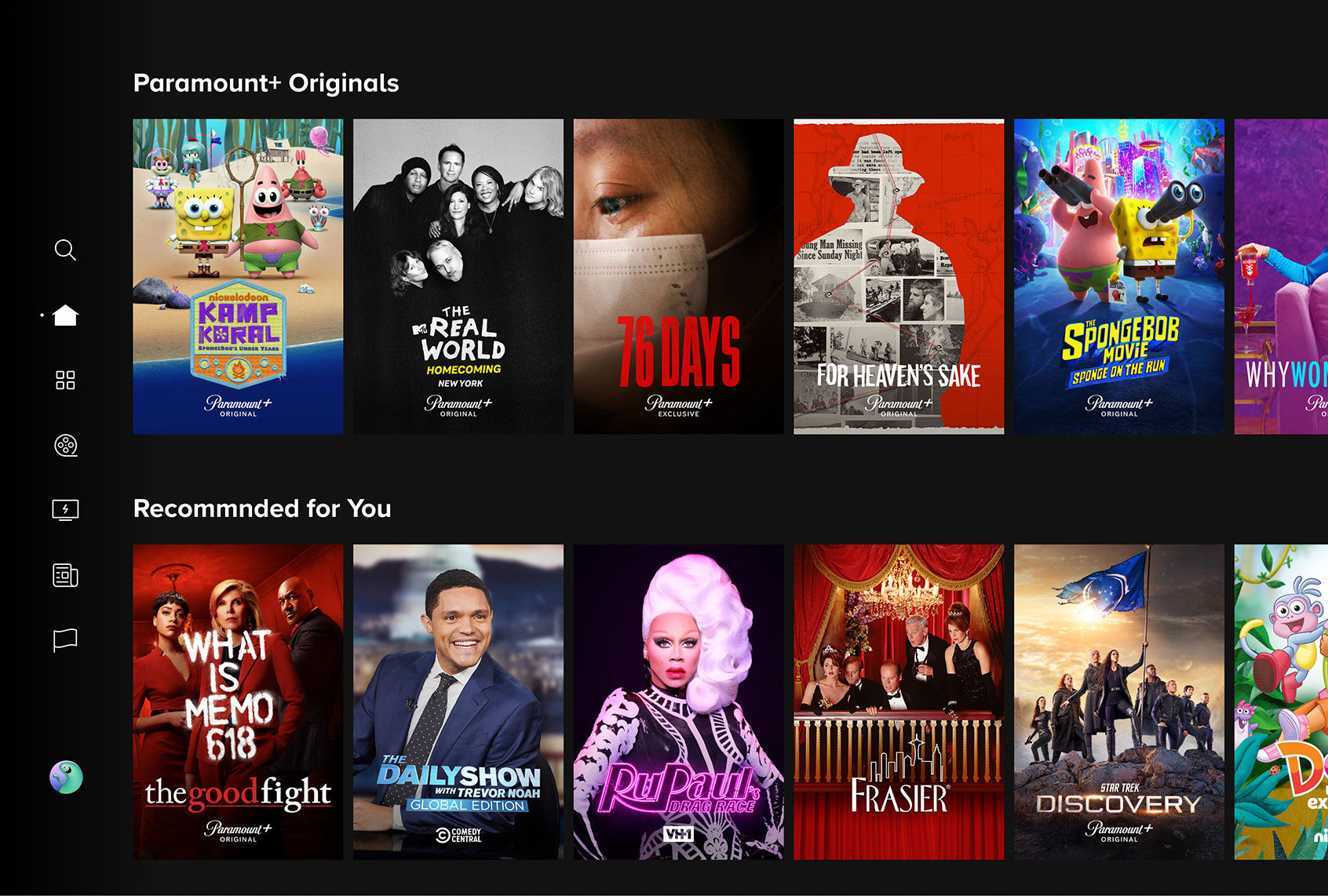
In the era of cable and satellite, networks were delivered via dedicated bandwidth on a provider’s infrastructure. Paramount+ represents the “decoupling” of content from that physical infrastructure. It operates as a standalone software platform. Instead of searching for a channel number, users interact with a Graphical User Interface (GUI) designed for search, discovery, and personalization. This shift allows for features that traditional channels cannot provide, such as “Watchlists,” personalized recommendations driven by machine learning algorithms, and the ability to resume playback across different devices.
The App-Based Infrastructure
Technically, Paramount+ exists as an “app” or “application” rather than a channel. This software must be downloaded onto a compatible operating system. Whether you are using a smartphone, a smart TV, or a dedicated streaming gadget, the experience is governed by the app’s code. This architecture allows Paramount to push updates, fix bugs, and refine the user experience in real-time—capabilities that were non-existent in the “channel” era. The transition from CBS All Access to Paramount+ in 2021 was essentially a massive software overhaul and rebranding effort aimed at creating a more robust, scalable digital ecosystem.
How to Access Paramount+ Across Different Digital Ecosystems
Because Paramount+ is a digital service, its “location” depends entirely on the hardware and software environment you are using. The service is designed to be platform-agnostic, meaning it can run on a variety of operating systems.
Native Smart TV and Streaming Gadget Apps
For most users, Paramount+ is found in the “App Store” or “Channel Store” of their hardware device. On platforms like Roku, Amazon Fire TV, and Apple TV, the service is often referred to as a “channel” within their specific interface, but it remains a downloadable piece of software.
- Roku: You navigate to the Roku Channel Store and add the Paramount+ app to your home screen.
- Amazon Fire Stick: You search the Amazon Appstore and install the application.
- Smart TVs (Samsung, LG, Vizio): The app is typically pre-installed or available via the manufacturer’s proprietary OS (like Tizen or webOS).
The “Channel within a Channel” Concept: Amazon and Apple
The most common source of confusion regarding the “what channel” question stems from third-party aggregators. Amazon Prime Video, Apple TV, and Roku allow users to subscribe to Paramount+ directly through their own interfaces. This is known as a “Partner Channel” or “Prime Video Channel.”
In this technical configuration, you do not use the standalone Paramount+ app. Instead, the Paramount+ library is integrated directly into the host’s software. This is a strategic API (Application Programming Interface) integration that allows the host platform to handle the billing and the video playback while Paramount provides the content metadata and video files. For users who prefer a single interface for all their subscriptions, this “channel” approach simplifies the tech stack.
Integration with Cable Providers
Legacy cable companies have had to adapt to the tech revolution by integrating streaming apps into their own hardware. Providers like Xfinity (Comcast) and Cox now offer “Flex” or “X1” boxes that function similarly to a Roku. On these devices, Paramount+ can often be accessed by speaking into a voice remote or finding it in the “Apps” menu. While it is still technically an app, these providers often assign a virtual channel number to the app to help older demographics bridge the gap between linear and digital TV.
Technical Setup and Performance Optimization
Accessing the Paramount+ “channel” is only the first step; ensuring the software performs optimally requires an understanding of your home network’s technical requirements. Streaming high-definition and 4K content demands significant bandwidth and a stable connection.
Network Requirements for 4K Streaming
Paramount+ offers a “Premium” tier that includes 4K UHD, HDR10, and Dolby Vision content. To utilize these features, your hardware must support these codecs, and your internet connection must be robust. For a smooth 4K experience, a consistent download speed of at least 25 Mbps is recommended. Users often experience buffering or “low-res” playback not because of the “channel” itself, but because of network congestion or Wi-Fi interference. Hardwiring a streaming device via Ethernet remains the gold standard for maintaining the high-bitrate streams required for cinematic quality.
Managing Multiple User Profiles and Device Authentication
Unlike a traditional TV channel that broadcasts the same signal to everyone, Paramount+ allows for multiple concurrent streams and personalized profiles. This is managed through cloud-based authentication. When you log in, the app communicates with Paramount’s servers to verify your subscription status and retrieve your specific viewing history. This technical layer ensures that parents can set “Kids Profiles” with strict content filters—a level of control that traditional linear channels could never achieve through simple “parental locks” on a cable box.
The Convergence of Tech and Content: Live Sports and Local News
One of the unique technical features of Paramount+ is its ability to deliver live, local content. This bridges the gap between the “on-demand” nature of streaming and the “live” nature of traditional broadcasting.
How Streaming Technology Delivers Live Local CBS Feeds
If you subscribe to the Paramount+ with SHOWTIME plan, the app uses your device’s IP address or GPS data (on mobile) to determine your physical location. This “geo-fencing” technology allows the app to serve you the correct live feed of your local CBS affiliate. This is a complex technical feat involving localized Content Delivery Networks (CDNs). When you select the “Live TV” tab, the software initiates a handshake with a server that routes the local broadcast signal into your digital stream in real-time.
The Role of CDNs in Real-Time Broadcasting
For high-traffic events like the Super Bowl or UEFA Champions League matches, Paramount+ relies on massive distribution networks. A Content Delivery Network (CDN) stores copies of the video data in various geographical locations closer to the end-user. This reduces “latency”—the delay between the action happening on the field and it appearing on your screen. In the tech world, minimizing this “glass-to-glass” latency is the ultimate goal, ensuring that streamers aren’t hearing their neighbors cheer for a goal 30 seconds before they see it themselves.

The Future of the “Channel” Experience
As we look toward the future, the distinction between a “channel” and an “app” will likely continue to blur. We are seeing the rise of FAST (Free Ad-supported Streaming TV) channels within apps like Paramount+. This technology mimics the old linear experience by offering a continuous stream of programmed content (e.g., a “24/7 Star Trek Channel”) within the on-demand platform.
This hybrid model proves that while the delivery technology has changed from analog signals to digital packets, the human preference for curated, “lean-back” viewing remains. Paramount+ is successfully utilizing software to recreate the “channel surfing” experience while offering the high-resolution, on-demand flexibility of the digital age.
In conclusion, Paramount+ is not a channel in the sense of a number on a remote. It is a comprehensive digital platform accessible through a variety of software integrations and hardware devices. Whether you access it through a native app on your Smart TV, a partner integration on Amazon, or a specialized menu on your cable box, you are engaging with a sophisticated piece of technology designed to bring a century’s worth of entertainment into the modern, connected home. Understanding the tech behind the platform is the key to maximizing your viewing experience in this new era of digital media.
aViewFromTheCave is a participant in the Amazon Services LLC Associates Program, an affiliate advertising program designed to provide a means for sites to earn advertising fees by advertising and linking to Amazon.com. Amazon, the Amazon logo, AmazonSupply, and the AmazonSupply logo are trademarks of Amazon.com, Inc. or its affiliates. As an Amazon Associate we earn affiliate commissions from qualifying purchases.