
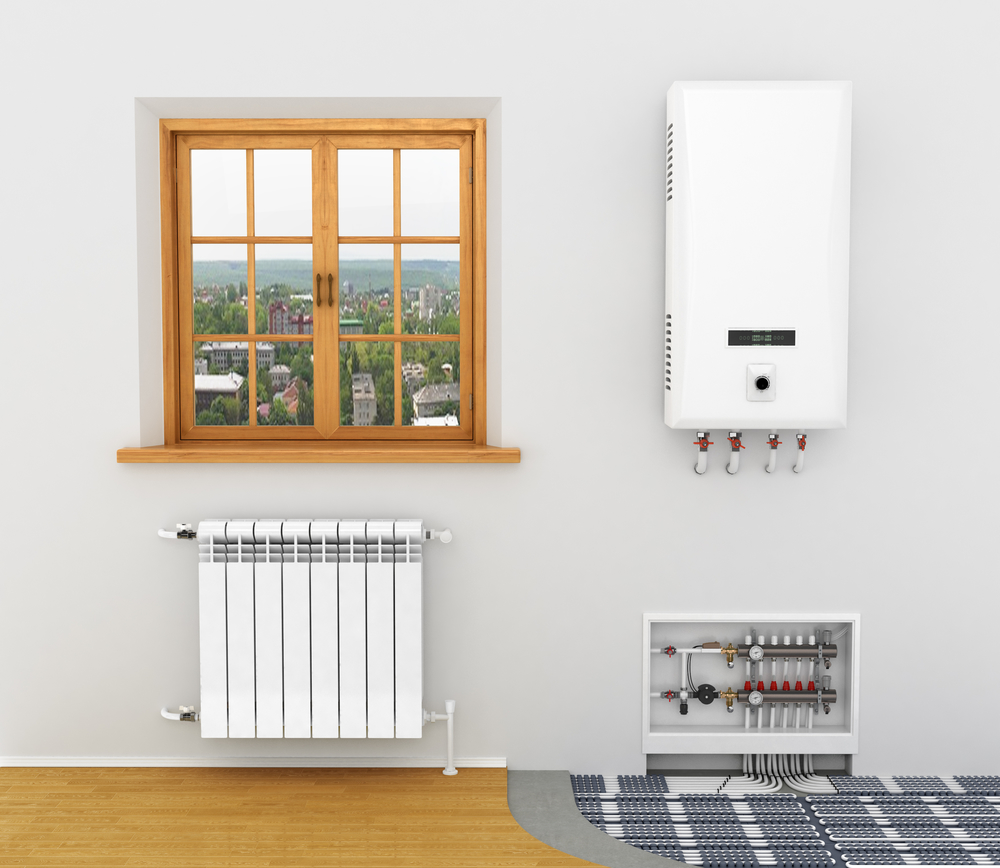
For decades, the concept of central heating was synonymous with heavy iron radiators, copper piping, and the rhythmic clanking of a basement boiler. It was a purely mechanical endeavor—a feat of civil engineering rather than digital innovation. However, as the world pivots toward the Fourth Industrial Revolution, “what central heating” represents has shifted. It is no longer just an infrastructure of pipes; it is a sophisticated ecosystem of Internet of Things (IoT) sensors, adaptive machine learning algorithms, and high-efficiency thermodynamic hardware.
The transition from manual temperature dials to AI-driven climate management marks a significant era in consumer technology. In this exploration, we delve into how technology is redefining the thermal comfort of our living spaces, moving beyond simple heat generation into the realm of intelligent energy orchestration.

The Digital Transformation of the Thermostat: From Bimetallic Strips to AI
The most visible tech shift in central heating is the brain of the system: the thermostat. In the analog era, temperature control relied on bimetallic strips that physically bent to complete a circuit. Today, the thermostat has become a high-performance computer.
The Rise of Adaptive Learning Algorithms
Modern smart thermostats, led by pioneers like Nest and Ecobee, do not simply follow a schedule; they learn. Using machine learning, these devices analyze the occupancy patterns of a household. By utilizing far-field sensors and geofencing technology—which tracks the location of a user’s smartphone—the system understands when the house is empty and when it is occupied. This reduces “phantom heating,” where energy is wasted on vacant rooms, optimizing the thermal output based on real-time data rather than static programming.
High-Fidelity Data Integration
Beyond occupancy, smart central heating controllers now integrate with external data streams. They pull real-time weather forecasts via Wi-Fi to preemptively adjust the boiler’s firing rate. If a heatwave is detected or a sudden cold snap is predicted, the system calculates the “thermal lag” of the building—how long it takes for the internal temperature to change—and adjusts its operation to ensure the target temperature is reached exactly when needed, with surgical precision.
IoT and Multi-Zone Precision: The Death of the “One-Size-Fits-All” Model
Traditional central heating was a binary system: it was either on for the whole house or off. This was technologically inefficient. The advent of IoT-enabled Smart Radiator Valves (SRVs) has introduced the concept of “zoning” to the mainstream tech stack.
Mesh Networking in Home Heating
Smart valves communicate with a central hub using low-power wireless protocols like Zigbee or Z-Wave. This creates a mesh network within the home where every room acts as an independent data point. Tech-savvy users can now define specific heat profiles for every room. The home office might be heated to 21°C during working hours, while the rest of the house remains at a baseline of 16°C. This granular control is managed via smartphone apps, offering a level of interaction that was previously reserved for industrial building management systems.
Remote Diagnostics and Predictive Maintenance
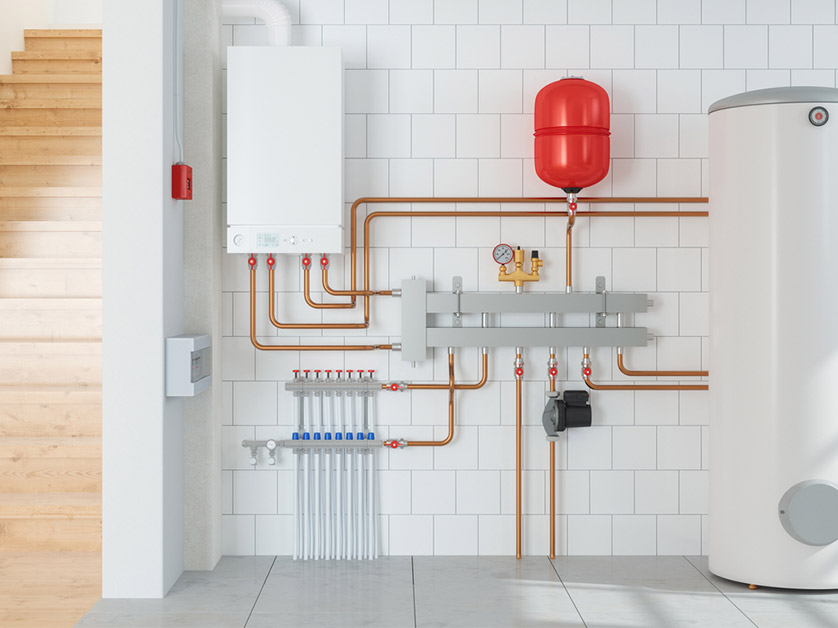
The “Tech” in central heating also extends to the health of the hardware. Modern connected boilers and heat pumps are equipped with internal diagnostic sensors that monitor flow rates, pressure levels, and combustion efficiency. Through cloud-based platforms, these systems can send alerts to both the user and the service technician before a failure occurs. Predictive maintenance—using data trends to spot a failing pump or a blocked filter—represents a massive leap in hardware longevity and reliability.
The Hardware Revolution: Heat Pumps and Thermodynamic Innovation
While software manages the distribution of heat, the technology behind heat generation itself has undergone a radical shift. The industry is moving away from the combustion of fossil fuels toward sophisticated heat transfer technology.
Air-Source and Ground-Source Technology
Heat pumps are the “electric vehicles” of the heating world. Rather than creating heat through fire, they use a vapor-compression refrigeration cycle—the same technology found in a refrigerator, but in reverse. They extract low-grade thermal energy from the outside air or the ground and “pump” it to a higher temperature. The engineering required to extract heat from -15°C air is a marvel of modern thermodynamics, involving variable-speed inverters and advanced refrigerants with low global warming potential (GWP).
Integration with Renewable Micro-Grids
Central heating is no longer an isolated system; it is becoming a component of the domestic energy grid. Modern systems are designed to integrate with solar photovoltaic (PV) arrays and battery storage. Through a technology known as “Solar Forecasting,” the heating system can decide to run the heat pump at midday when solar production is at its peak, storing that energy as hot water in a thermal buffer tank for use later in the evening. This synergy between energy generation and thermal consumption is a cornerstone of the modern smart home.
The Role of Big Data and Grid-Edge Intelligence
As we look toward the future of central heating, the focus shifts from the individual home to the macro-grid. Central heating systems are becoming “grid-aware,” participating in what is known as Demand Side Response (DSR).
Aggregated Load Management
Utility companies are increasingly using the connectivity of smart central heating systems to balance the power grid. During periods of peak electrical demand, a central server can send a signal to thousands of smart thermostats to temporarily reduce their load by one or two degrees. This “virtual power plant” concept uses the collective thermal mass of thousands of homes to prevent grid overloads, proving that central heating is now a critical node in national infrastructure technology.
Edge Computing in Climate Control
To reduce latency and improve privacy, we are seeing a move toward “Edge AI.” Instead of sending temperature and occupancy data to a distant cloud server, the processing happens on a local chip within the thermostat or the boiler controller. This allows for faster response times to sensor inputs and ensures that the home’s “thermal logic” continues to function even if the internet connection is severed.
Decarbonization Tech: Hydrogen and the Future of Combustion
For homes where heat pumps are not a viable technological fit, the next frontier is the “Hydrogen-Ready” boiler. This involves a total redesign of the burner assembly and the gas-air ratio controls to accommodate a fuel that burns much hotter and faster than natural gas.
Advanced Sensors for Hydrogen Detection
Hydrogen molecules are smaller and more prone to leakage than methane. Therefore, the tech-focused central heating system of the near future will incorporate sophisticated electrochemical sensors and laser-based detection systems to ensure safety. The transition to hydrogen is a chemical engineering challenge that requires the hardware to be modular, allowing for “over-the-air” firmware updates to the combustion logic as fuel blends change at the utility level.
The Hybrid Approach: Software-Managed Dual Systems
We are also seeing the emergence of hybrid systems that combine a gas boiler with an electric heat pump. The “tech” here lies in the control logic: an intelligent bridge that decides in real-time which heat source is more efficient based on current electricity prices, outdoor temperature, and carbon intensity of the grid. This multi-input optimization problem is solved by complex algorithms running in the background, invisible to the user but essential for a sustainable future.
Conclusion: The Convergence of Comfort and Code
“What central heating” means today is far removed from the mechanical simplicity of the past. It has evolved into a sophisticated discipline where fluid dynamics meets software engineering. The modern heating system is a data-driven, interconnected, and highly efficient engine that prioritizes user experience through automation and intelligent design.
As we continue to integrate AI, IoT, and renewable energy technology into our homes, central heating will cease to be a utility we ignore. Instead, it will be the silent, intelligent backbone of our living environments—constantly calculating, adjusting, and optimizing to provide comfort while minimizing our technological footprint on the planet. The future of heat is not just in the hardware; it is in the code that controls it.
aViewFromTheCave is a participant in the Amazon Services LLC Associates Program, an affiliate advertising program designed to provide a means for sites to earn advertising fees by advertising and linking to Amazon.com. Amazon, the Amazon logo, AmazonSupply, and the AmazonSupply logo are trademarks of Amazon.com, Inc. or its affiliates. As an Amazon Associate we earn affiliate commissions from qualifying purchases.