
In the vast and competitive landscape of mobile telecommunications, the phrase “getting the best coverage” often leads directly to one name: Verizon. Renowned for its expansive and robust network, Verizon has consistently ranked among the top providers for speed and reliability across the United States. However, what if you could tap into this premier network quality without necessarily subscribing to Verizon directly, and perhaps even at a more attractive price point? This isn’t a hypothetical question but a reality made possible by a category of service providers known as Mobile Virtual Network Operators (MVNOs).
For the savvy consumer, the tech enthusiast, or anyone looking to optimize their spending without compromising on connectivity, understanding the world of MVNOs that leverage Verizon’s infrastructure is a game-changer. This article delves into how these providers operate, identifies the key players, and explores the significant advantages and considerations of choosing an MVNO, aligning perfectly with our interest in cutting-edge tech, astute financial decisions, and smart brand choices.
Understanding the Verizon Network and MVNOs
Before diving into specific providers, it’s crucial to grasp the foundational relationship between Verizon and the MVNOs that utilize its network. This understanding illuminates why these alternatives exist and how they can offer such compelling value.
The Backbone: Verizon’s Robust Infrastructure
Verizon’s network is not just a marketing slogan; it’s a colossal technological achievement. Comprising millions of miles of fiber optic cable, countless cell towers, and advanced switching centers, it forms one of the most reliable and expansive wireless networks in the United States. This infrastructure supports both its 4G LTE network, which still provides widespread and consistent coverage, and its rapidly expanding 5G Ultra Wideband and 5G Nationwide networks, promising blazing-fast speeds and ultra-low latency for compatible devices and services.
From a technology perspective, investing in such a network requires astronomical capital expenditure and continuous upgrades, pushing the boundaries of wireless communication. For consumers, this translates to strong signals in urban centers, reliable service in many rural areas, and the capacity to handle high data demands, whether for streaming, gaming, or professional use. It’s this established and high-performing tech backbone that MVNOs seek to harness, providing a premium user experience without the burden of building and maintaining such an elaborate system themselves.
What is an MVNO?
An MVNO, or Mobile Virtual Network Operator, is a wireless communications services provider that does not own the wireless network infrastructure over which it provides services to its customers. Instead, an MVNO enters into a business agreement with a Mobile Network Operator (MNO), like Verizon, to obtain bulk access to network services at wholesale rates. The MVNO then resells these services under its own brand, with its own pricing structures, customer service, and sometimes unique features.
Think of it like this: Verizon built the highway (the network). MVNOs are like various bus companies that use that highway to transport passengers (data and calls) to their destinations. Each bus company has its own branding, ticket prices, and customer service, but they all rely on the same road system. This model allows MVNOs to focus on marketing, customer acquisition, and service innovation, rather than the incredibly expensive and complex task of network construction and maintenance. This strategic division of labor can lead to significant cost savings for the MVNO, which are often passed on to the end consumer, making them a compelling “money” decision for many.
Key MVNOs Leveraging Verizon’s Network
The appeal of using Verizon’s network without being a direct Verizon customer has led to a thriving ecosystem of MVNOs. These providers cater to various segments of the market, each with a distinct brand identity and financial model.
Visible: Unlimited, Simplified, Digital-First
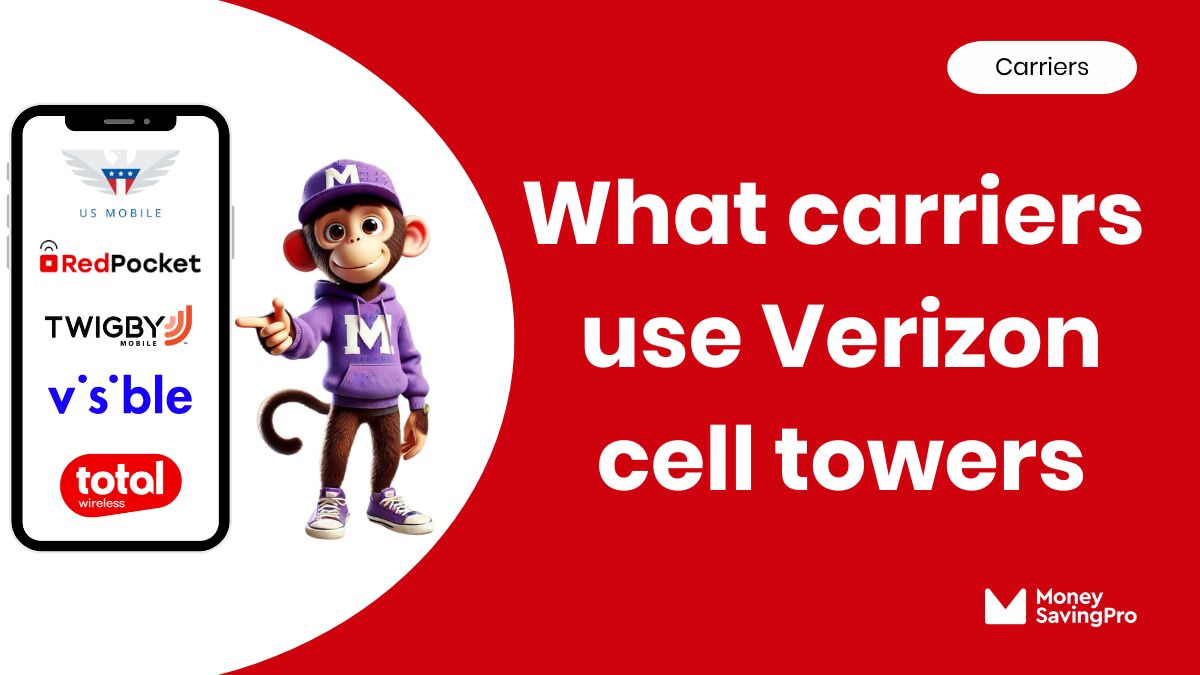
Visible, owned directly by Verizon, is perhaps one of the most recognized MVNOs utilizing the Verizon network. Its brand strategy revolves around simplicity and unlimited access. Visible typically offers one or two straightforward unlimited data, talk, and text plans at competitive prices, making it a “money-saver” for heavy data users. Its digital-first approach means all customer service and plan management are handled through an app or website, reducing overhead and streamlining the user experience.
From a technology standpoint, Visible leverages Verizon’s full 4G LTE and 5G Nationwide networks. For a period, it was known for its “Party Pay” feature, which allowed users to lower their monthly bill by joining or forming a group, emphasizing community and shared savings. While “Party Pay” has evolved into simplified family plans, its core offering remains attractive to those who want unlimited data on a top-tier network without the complexity or higher price tag of traditional carriers.
US Mobile: Customizable Plans and Premium Features
US Mobile positions itself as a premium MVNO, offering a highly customizable experience that balances flexibility with advanced features. While they operate on multiple networks, their “Warp 5G” network specifically utilizes Verizon’s infrastructure, promising access to its fastest 5G speeds. US Mobile excels in offering a variety of plans, from low-cost options for minimal users to “unlimited” plans with significant allotments of premium data and international roaming capabilities.
What sets US Mobile apart from a tech perspective is its focus on high-speed data access and value-added features like hotspot data and international eSIMs. Their brand emphasizes choice and control, allowing customers to build plans that perfectly fit their data consumption habits and budget, appealing directly to those who want more granular control over their spending and tech usage. This flexibility makes it a powerful “money” choice for individuals or families with diverse needs.
Spectrum Mobile & Xfinity Mobile: Cable Providers’ Wireless Play
These two MVNOs represent a unique segment: they are exclusively available to customers who already subscribe to Spectrum or Xfinity internet services. This bundling strategy is a shrewd “brand” move, aiming to enhance customer loyalty and create a “stickier” relationship by offering a comprehensive suite of home and mobile services under one roof.
Both Spectrum Mobile and Xfinity Mobile utilize Verizon’s 4G LTE and 5G networks, providing a robust wireless experience. Their pricing models typically include “By the Gig” options for light users and unlimited plans for heavier data consumers, often at highly competitive rates when bundled with their internet services. From a financial perspective, these MVNOs offer significant savings to existing cable internet subscribers, turning a utility into a competitive edge. The technological integration is seamless, leveraging existing customer accounts and billing systems, making it incredibly convenient for existing subscribers to add a mobile line.
Other Notable MVNOs on Verizon
Beyond the major players, several other MVNOs tap into the Verizon network, each catering to niche markets or offering unique value propositions:
- MobileX: An innovative entrant focused on AI-driven data optimization. Its brand promotes ultra-personalization, using machine learning to predict and recommend the most cost-effective data plan for your individual usage patterns. This is a fascinating intersection of AI (Tech) and cost savings (Money).
- Red Pocket Mobile: Known for its flexibility, Red Pocket often offers multi-network options, including Verizon. Its brand focuses on affordable plans with diverse data allotments, catering to budget-conscious consumers who prioritize cost over premium features. They often sell long-term plans that can offer significant yearly savings (Money).
- Twigby: This MVNO targets low-data users, offering highly customizable plans with a strong emphasis on affordability. Their brand is built around simplicity and savings for those who primarily use their phone for talk and text, with minimal data needs, again showcasing how different financial models can thrive on the same tech backbone.
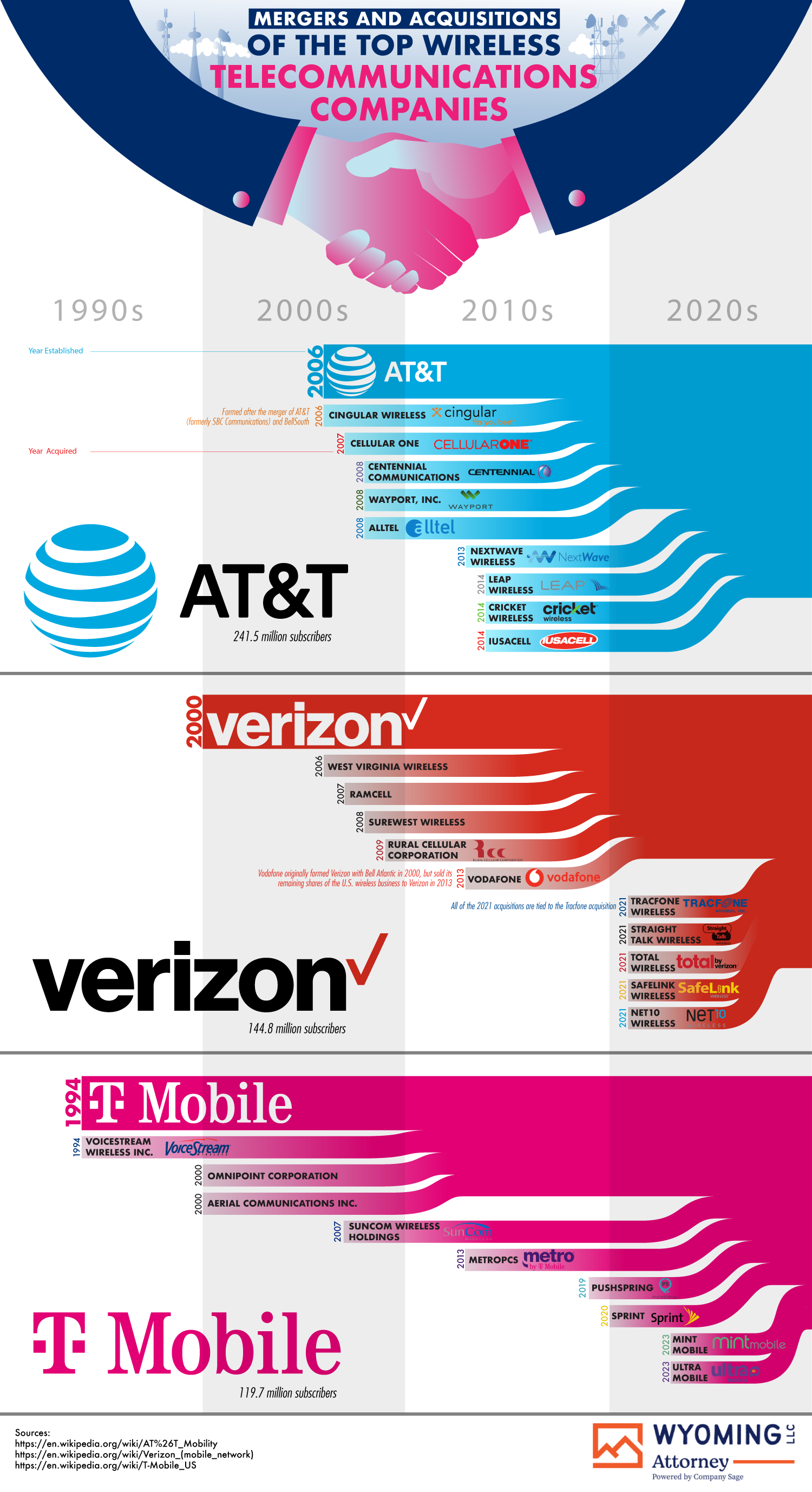
- Straight Talk Wireless & Total by Verizon (formerly Total Wireless): These are also part of the Verizon family of brands (via TracFone acquisition). They offer various no-contract plans, often found in retail stores, appealing to a broad segment of consumers looking for straightforward, budget-friendly options. Their brand focuses on accessibility and convenience.
The Advantages of Choosing a Verizon MVNO
Opting for an MVNO that uses Verizon’s network comes with a compelling list of advantages that appeal to both the tech-savvy and the financially prudent individual.
Significant Cost Savings
This is arguably the primary driver for most consumers considering an MVNO. By cutting out the overhead of network ownership and focusing on streamlined operations and targeted marketing, MVNOs can often offer plans at a fraction of the cost of direct Verizon plans. Whether it’s lower monthly rates, more generous data allowances for the price, or attractive multi-line discounts, the “money” aspect is undeniable. For identical coverage quality, an MVNO often provides a significantly better financial deal, making premium connectivity more accessible.

Same Great Coverage, Often
One of the most appealing aspects is gaining access to Verizon’s award-winning network without paying Verizon prices. This means leveraging the same 4G LTE and 5G Nationwide coverage for calls, texts, and data across most of the country. For consumers residing in areas where Verizon has historically offered superior coverage, an MVNO provides an immediate solution to connectivity woes without the premium price tag. The technological foundation is identical, ensuring a high-quality user experience in terms of signal strength and general availability.
Diverse Plan Options for Every User
Unlike the often-limited plan structures of major carriers, MVNOs thrive on offering a wide array of options. From pay-as-you-go and “by the gig” plans for minimal users to truly unlimited data packages for heavy streamers and remote workers, there’s an MVNO plan for virtually every need and budget. This flexibility allows consumers to tailor their mobile service precisely to their usage habits, preventing them from paying for features or data they don’t need—a smart “money” move.
Flexibility and No-Contract Freedom
Most MVNOs operate on a no-contract basis. This means subscribers are not locked into long-term commitments, providing immense flexibility. You can switch plans, change providers, or even pause service without incurring early termination fees. This freedom is a significant brand differentiator, empowering consumers to make choices that best suit their current financial situation or technological needs, rather than being beholden to multi-year agreements.
Potential Trade-offs and Considerations
While the benefits are substantial, it’s equally important to be aware of the potential trade-offs when choosing a Verizon MVNO. A balanced perspective ensures a fully informed decision.
Understanding Data Deprioritization
This is perhaps the most significant technical consideration. While MVNOs use the same towers as Verizon, their data may be “deprioritized” during times of network congestion. This means if the network is experiencing high traffic (e.g., at a busy concert, during rush hour, or in a crowded stadium), direct Verizon customers’ data might be given precedence, leading to slower speeds for MVNO users. For most users, in most locations, this isn’t a frequent issue, but it’s a critical technical distinction to understand. Some premium MVNO plans (like certain US Mobile “Warp 5G” options) may offer higher priority data.
Customer Service Differences
MVNOs typically have smaller customer service operations compared to major carriers. While many offer excellent support, it might be exclusively online (chat, email) or through call centers with more limited hours. This can be a “brand” perception issue for some who prefer in-person support or extensive phone assistance. It’s advisable to check reviews of an MVNO’s customer service before committing.
Device Compatibility and Features
Most modern unlocked smartphones are compatible with Verizon MVNOs. However, specific features like eSIM compatibility, Wi-Fi calling, or visual voicemail might vary depending on the MVNO and the device. Some MVNOs might also have limitations on international roaming or specific international calling features that larger carriers offer more robustly. It’s always best to verify device compatibility and desired feature support directly with the MVNO before making the switch. From a “tech” perspective, ensure your device fully supports the network bands and specific features you rely on.
International Roaming Limitations
While MVNOs are excellent for domestic use, international roaming can sometimes be less comprehensive or more expensive than what’s offered by the main carriers. If frequent international travel is a part of your lifestyle, carefully compare international roaming rates and data packages offered by MVNOs versus main carriers. Some MVNOs, like US Mobile, are innovating in this space with international eSIM options, but it’s not universally robust. This can impact your “money” decisions if you travel often.
Making the Smart Choice: A Guide for Consumers
Choosing the right cell phone provider, especially an MVNO, requires a bit of research and self-assessment. By considering your personal tech habits, financial constraints, and desired brand experience, you can make an optimal decision.
Assess Your Data Needs
Be honest about how much data you actually use. Do you stream hours of video daily, or are you mostly on Wi-Fi? Check your current phone bill for an average data usage to avoid overpaying for an unlimited plan you don’t need, or underpaying for a plan that leaves you constantly throttling. This is the cornerstone of a smart “money” decision.
Check Coverage in Your Area
While all these MVNOs use Verizon’s network, local coverage can still have nuances. Use Verizon’s official coverage map, and perhaps cross-reference with third-party coverage apps, to confirm strong signal quality in the places you frequent most (home, work, commute). Don’t assume blanket excellent “tech” coverage simply because it’s Verizon.
Compare Pricing and Features
Once you know your data needs and confirmed coverage, compare the plans of several Verizon MVNOs. Look beyond the sticker price. Factor in taxes, fees, hotspot data allowances, international calling, and any unique features that might be valuable to you. This detailed “money” comparison is key to finding the true value.
Read Reviews and Understand Brand Reputation
Research online reviews for customer service and overall satisfaction. How quickly do they resolve issues? Is their billing transparent? A strong brand reputation for customer support can save you headaches down the line, even if you’re getting a great “money” deal.
The Future of MVNOs and 5G
As 5G networks continue to expand and evolve, MVNOs are actively integrating these advanced technologies into their offerings. The future promises even faster speeds, lower latency, and new opportunities for innovative services. MVNOs, with their agile business models, are well-positioned to quickly adapt to these technological advancements, offering consumers cutting-edge connectivity at competitive prices. This continuous evolution means staying informed about “tech” trends will remain vital for smart choices.
In conclusion, for consumers seeking the unparalleled reliability and reach of Verizon’s network without the premium price tag, the world of MVNOs presents a compelling and intelligent alternative. By understanding the technological underpinnings, evaluating the diverse brand offerings, and making financially savvy comparisons, you can find a mobile plan that perfectly fits your needs, delivering top-tier connectivity for less.
aViewFromTheCave is a participant in the Amazon Services LLC Associates Program, an affiliate advertising program designed to provide a means for sites to earn advertising fees by advertising and linking to Amazon.com. Amazon, the Amazon logo, AmazonSupply, and the AmazonSupply logo are trademarks of Amazon.com, Inc. or its affiliates. As an Amazon Associate we earn affiliate commissions from qualifying purchases.