
In the previous decade, a diagnosis of bipolar disorder was often viewed by Hollywood publicists and corporate agents as a “brand killer.” It was a condition whispered about in the shadows, hidden behind non-disclosure agreements and strategic “exhaustion” press releases. However, the cultural landscape has undergone a tectonic shift. Today, when we search for “what celebrities have bipolar disorder,” we aren’t just looking for tabloid fodder; we are witnessing a fundamental evolution in brand strategy.
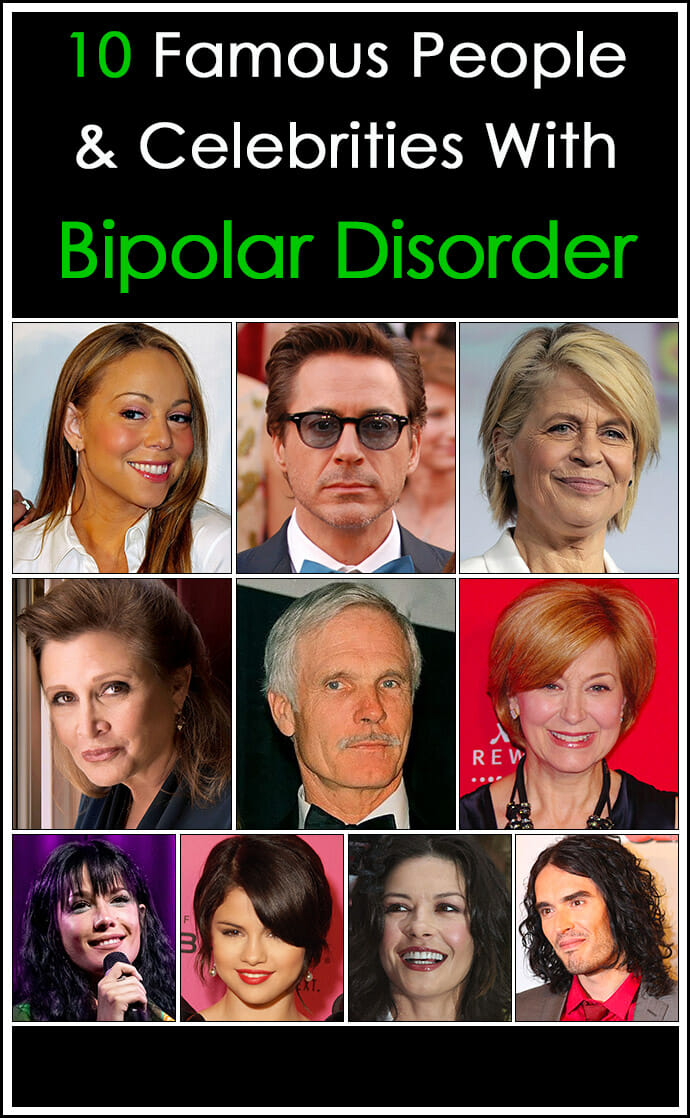
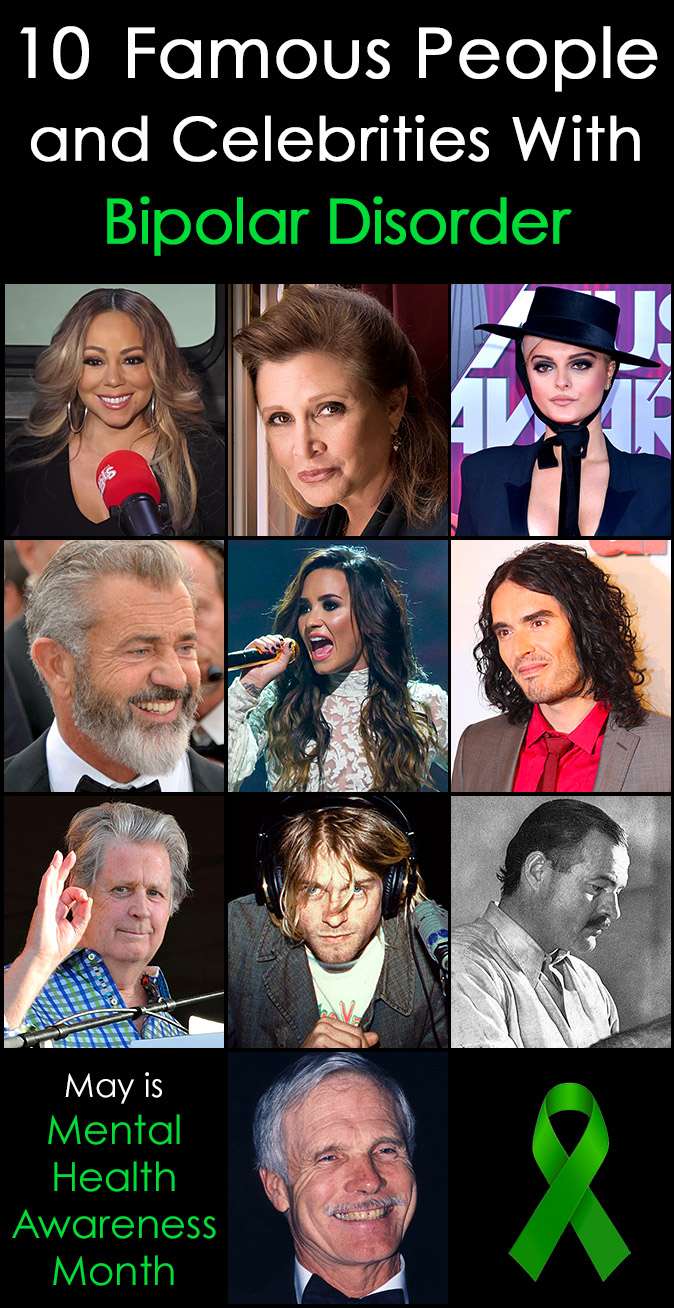
From Selena Gomez and Demi Lovato to Mariah Carey and Kanye West, the public disclosure of bipolar disorder has moved from a liability to a cornerstone of “The Transparency Brand.” This article explores how mental health narratives have become a pivotal element of personal branding, the strategic management of vulnerability, and the ways in which corporate identity is adapting to a more human-centric marketplace.
The Evolution of Authenticity in Brand Strategy
The traditional model of personal branding was built on the foundation of the “aspirational idol.” This model required a curated, flawless image designed to evoke envy and admiration. However, the rise of social media and the subsequent demand for raw, unfiltered content have rendered the “perfect” brand obsolete.
From Perfection to Vulnerability
In modern marketing, authenticity is the highest currency. Consumers, particularly Gen Z and Millennials, are increasingly skeptical of over-produced corporate personas. When a celebrity like Selena Gomez releases a documentary like My Mind & Me, she isn’t just sharing her medical history; she is executing a sophisticated brand pivot. By centering her bipolar disorder diagnosis, she transitions from a “pop star” to a “relatable advocate.” This shift builds a psychological contract with the audience based on shared humanity rather than unattainable perfection. This vulnerability creates a “sticky” brand—one that commands deeper loyalty because the audience feels they know the “real” person behind the hit records.
The “Selena Gomez Effect”: A Case Study in Brand Alignment
The most successful personal brands today are those that align their public struggles with their commercial ventures. Gomez’s Rare Beauty is not just a makeup line; its brand identity is inextricably linked to the Rare Impact Fund, which supports mental health services. This is a masterclass in brand strategy. By integrating her diagnosis of bipolar disorder into her business model, she ensures that every product purchase feels like an act of advocacy. The brand is no longer just selling lipstick; it is selling a mission of self-acceptance. This alignment mitigates the risk of the diagnosis being seen as a distraction and instead positions it as the brand’s “Why.”
Managing Crisis vs. Advocacy: The Strategic Risks of Mental Health Disclosure
While transparency can bolster a brand, it is not without significant strategic risk. The volatility associated with bipolar disorder presents a unique challenge for brand managers and corporate partners. The line between a “humanizing disclosure” and a “brand-damaging crisis” is often thin and requires expert navigation.
The Volatility Variable: Corporate Partnerships and Risk Mitigation
For brands like Adidas or GAP, partnering with a celebrity who has public bipolar episodes—most notably seen in the case of Kanye West (Ye)—creates a complex risk assessment. When a celebrity’s bipolar symptoms manifest as public outbursts or controversial statements, the brand strategy must shift from “advocacy” to “crisis management.”
Corporate identity is often risk-averse. When a celebrity brand becomes unpredictable, the “Volatility Variable” kicks in. Unlike a physical injury, a mental health episode can lead to erratic behavior that violates “morals clauses” in multi-million dollar contracts. The challenge for modern brand strategy is to support the individual’s health while protecting the corporation’s equity. This has led to the inclusion of “Wellness Clauses” in modern contracts, where brands provide mental health support as part of the endorsement deal, recognizing that the talent’s health is a critical business asset.
Navigating Brand Reputation During Public Episodes
The way a celebrity’s team handles a public manifestation of bipolar disorder determines the long-term health of the brand. A “Silent Strategy” often fails in the digital age, leading to speculation. Conversely, a “Transparency Strategy” allows the brand to control the narrative. When Mariah Carey opened up about her decades-long battle with bipolar II disorder in 2018, she did so on her own terms in a controlled People magazine cover story. This was a strategic move to “pre-empt” the narrative, ensuring that any future health-related absences would be viewed through the lens of a managed medical condition rather than personal unreliability.
Monetizing Mission: Converting Personal Struggles into Social Impact Brands
The shift in how we perceive celebrities with bipolar disorder has paved the way for a new vertical in the creator economy: the Social Impact Brand. These are businesses where the “Personal Brand” and “Social Cause” are one and the same.
Foundation-led Branding: The Rare Impact Model
We are seeing a move away from celebrities simply being “ambassadors” for charities toward celebrities owning the infrastructure of the cause. This is a significant shift in personal branding. By creating a foundation that is legally and commercially tied to their business ventures, celebrities create a “Circle of Impact.”
For a celebrity with bipolar disorder, this might mean launching a venture capital fund for mental health tech or a media company dedicated to destigmatizing the condition. This elevates the brand from “celebrity with a condition” to “industry disruptor.” The brand equity is no longer tied solely to their talent (acting, singing) but to their intellectual and social contributions to the mental health space.
The Commercial Viability of Lived Experience
Market research shows that consumers are more likely to trust products endorsed by someone with “lived experience.” In the wellness and tech sectors, a diagnosis of bipolar disorder can actually enhance a founder’s credibility. When a celebrity speaks about a meditation app or a mood-tracking tool, their personal history with bipolar disorder acts as a “Proof of Concept.” This is a powerful marketing tool. It transforms a medical diagnosis into a professional credential, allowing the celebrity to occupy a niche that a “neurotypical” celebrity cannot.
The Ethics of Identity Branding in the Digital Age
As more celebrities disclose their bipolar disorder to bolster their personal brands, ethical questions arise regarding the commodification of mental illness. Brand strategists must walk a fine line between authentic storytelling and exploitative marketing.
Avoiding the “Tokenization” of Bipolar Disorder
There is a growing concern in the marketing world about “Mental Health Washing”—the practice of brands using mental health awareness as a marketing gimmick without providing substantive support. For a celebrity brand, “tokenizing” their diagnosis involves using it only when a new project is launching. To maintain brand integrity, the advocacy must be “Always-On.” If the narrative of bipolar disorder only appears during a “press junket,” the audience quickly perceives the lack of authenticity, leading to “Brand Decay.”
Future Trends: The Human-Centric Brand Revolution
The list of celebrities with bipolar disorder will continue to grow as the stigma evaporates. The future of brand strategy lies in the “Human-Centric” model. In this model, the brand is built around the totality of the human experience—including the highs and lows of mental health.
We are moving toward an era where a diagnosis is viewed as just one facet of a multi-dimensional brand. The most successful brands of the 2020s and beyond will be those that don’t just “tolerate” the mental health of their founders and icons but celebrate the resilience and unique perspectives that come with neurodiversity. This is the ultimate evolution of brand strategy: moving from the “Perfect Image” to the “Resilient Identity.”

Conclusion: The New Standard of Public Identity
The question of “what celebrities have bipolar disorder” has shifted from a search for scandal to a search for connection. In the world of personal branding and corporate strategy, the disclosure of a mental health condition is no longer a career-ending move; it is a profound opportunity for brand deepening.
By embracing transparency, celebrities are not only helping to destigmatize bipolar disorder for the general public, but they are also setting a new standard for how brands interact with their audiences. They are proving that a brand built on honesty, vulnerability, and social impact is far more resilient and valuable than one built on the fragile facade of perfection. As we look forward, the integration of mental health narratives into brand strategy will likely become the blueprint for any public figure looking to build a lasting, meaningful legacy in a transparent world.
aViewFromTheCave is a participant in the Amazon Services LLC Associates Program, an affiliate advertising program designed to provide a means for sites to earn advertising fees by advertising and linking to Amazon.com. Amazon, the Amazon logo, AmazonSupply, and the AmazonSupply logo are trademarks of Amazon.com, Inc. or its affiliates. As an Amazon Associate we earn affiliate commissions from qualifying purchases.