
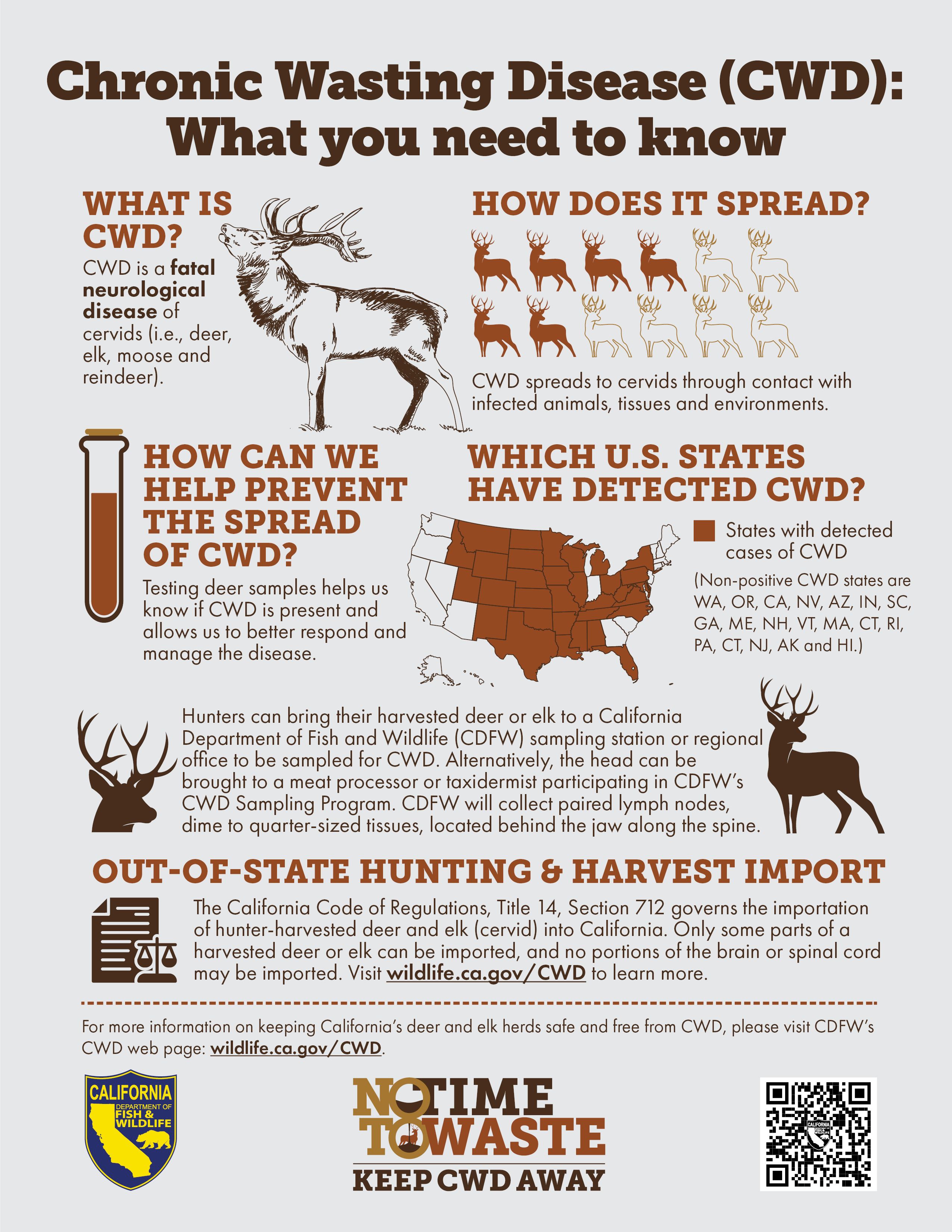
Chronic Wasting Disease (CWD), often referred to in popular media as “zombie deer disease,” represents one of the most complex biological puzzles of the 21st century. While the biological symptoms—drastic weight loss, stumbling, and listlessness—are well-documented, the underlying cause is not a conventional pathogen like a virus or bacteria. Instead, the cause is a misfolded protein known as a prion.
In the tech sector, we often discuss “corrupted code” in the context of software. CWD is essentially corrupted code in the biological hardware of cervids (deer, elk, and moose). Solving the mystery of what causes this disease and how to stop it has become a frontier for high-end technology, ranging from artificial intelligence and protein-folding simulations to advanced genomic sequencing and remote sensing.

Molecular Tech: Unmasking the Protein Folding Mystery
At the heart of CWD is a protein-folding error. To understand the cause of wasting disease, scientists must look at the atomic level, a feat that was nearly impossible before the advent of modern structural biology technology.
High-Resolution Imaging and Cryo-Electron Microscopy
The primary cause of CWD is the conversion of normal cellular prion proteins (PrPC) into a rogue, misfolded state (PrPSc). For decades, researchers struggled to visualize these proteins because they are insoluble and don’t form the crystals required for traditional X-ray crystallography.
The breakthrough came with Cryo-Electron Microscopy (Cryo-EM). This technology allows researchers to flash-freeze biological samples and hit them with electron beams to create high-resolution, 3D models of the prions. By utilizing Cryo-EM, tech-forward labs have finally been able to see the “rungs” of the misfolded protein ladder. This technological clarity is essential for understanding how the “cause” of the disease—the misfolded shape—interacts with healthy proteins to spread the corruption.
Computational Modeling and AI Protein Folding
Beyond mere observation, the tech industry has provided a powerful tool in the form of AlphaFold and other AI-driven protein folding simulators. Google DeepMind’s AlphaFold has revolutionized our understanding of how proteins reach their final shapes.
In the context of CWD, computational biologists use these AI tools to simulate the “energy landscapes” that cause a healthy protein to snap into a diseased state. By running millions of simulations on high-performance computing (HPC) clusters, researchers can identify the exact molecular triggers—such as pH changes or specific metal ion interactions—that catalyze the disease. This is “Bio-Tech” in its purest form: using algorithms to predict the behavior of organic matter.
Diagnostic Innovation: AI and Biosensors in the Field
Identifying the cause of wasting disease in a controlled lab is one thing; detecting it in the wild is another. The tech industry has stepped in to bridge the gap between theoretical causes and field-level diagnostics.
RT-QuIC: The High-Tech “Amplifier”
One of the most significant technological leaps in CWD research is the development of Real-Time Quaking-Induced Conversion (RT-QuIC). Because the prions that cause the disease exist in such minute quantities in the early stages, they are nearly impossible to detect with standard chemical tests.
RT-QuIC acts like a signal amplifier for biological data. The technology involves placing a sample (like saliva or lymphoid tissue) into a plate with healthy proteins and “shaking” it (quaking). If the “cause” (the misfolded prion) is present, it will induce the healthy proteins to misfold, creating a detectable fluorescent signal. Recent advancements have miniaturized these systems, moving toward “lab-on-a-chip” technology that could eventually allow for real-time, field-based detection using smartphone-integrated sensors.
AI-Powered Predictive Analytics for Spread Patterns
Understanding what causes the spread of the disease across a landscape requires Big Data. Wildlife agencies now employ machine learning algorithms to process vast datasets, including soil composition, deer migration patterns, and weather data.
Since prions can persist in the soil for years, the “cause” of a new outbreak is often environmental contamination. AI models can predict “hot zones” by analyzing satellite imagery and soil moisture sensors. These predictive analytics tools allow conservationists to deploy resources proactively, using data science to create a digital “firewall” against the spread of the protein corruption.

Genomic Engineering and the Quest for Resistance
If the cause of wasting disease is a glitch in the host’s protein production, then the long-term solution may lie in rewriting the genetic source code of the deer populations themselves.
CRISPR/Cas9 and Selective Breeding Simulations
The PRNP gene is the blueprint for the prion protein. Tech researchers have identified specific variations (polymorphisms) in this gene that make certain deer more resistant to the disease. Utilizing CRISPR/Cas9 gene-editing technology, scientists in laboratory settings are exploring how altering these genetic sequences can prevent the protein from misfolding in the first place.
While the ethical implications of releasing gene-edited animals into the wild are heavily debated, the simulations of these edits are providing invaluable data. Using digital twins—virtual models of deer populations—biologists can run thousands of scenarios to see how “resistance genes” would spread through a herd over 50 years. This high-level “what-if” modeling is only possible through modern processing power.
Genomic Mapping of Vulnerable Populations
The democratization of Next-Generation Sequencing (NGS) has made it possible to map the entire genome of deer populations at a fraction of the previous cost. By analyzing the “big data” of the cervid genome, researchers can identify which subpopulations are most at risk due to a lack of genetic diversity.
This tech-driven approach shifts the focus from the prion itself to the host’s vulnerability. High-throughput sequencing allows for the identification of genetic markers that might be co-factors in the disease. If we can identify the genetic “security flaws” that allow the prion to take hold, we can manage populations with a level of precision that was previously unimaginable.
Surveillance Tech: The Internet of Things (IoT) in the Forest
The final piece of the puzzle in understanding the causes and movement of CWD is the deployment of a high-tech surveillance infrastructure.
Smart Collars and Biometric Monitoring
To understand the behavioral causes of disease transmission, tech companies have developed “Smart Collars” equipped with GPS, accelerometers, and even proximity sensors. These IoT devices record when deer interact, for how long, and where.
When a collared deer dies, an “on-board” sensor can immediately alert researchers via satellite link. This allows for a “fresh” necropsy, which is critical for laboratory analysis of the prions. The data harvested from these devices is uploaded to the cloud, where it is integrated with GIS (Geographic Information Systems) to visualize the disease’s “digital footprint” across the continent.
Environmental DNA (eDNA) and Remote Sensors
Perhaps the most “sci-fi” technology currently being deployed is eDNA (environmental DNA) sampling. This involves using highly sensitive filters and sequencers to detect the presence of deer DNA—and prion signatures—in water sources or at salt licks.
Automated remote sampling stations can collect water, extract the genetic material, and transmit the data to a central hub. This “sensor network” acts like a digital immune system for the forest, providing early warning signals before a single deer shows physical symptoms of wasting disease.
Conclusion: The Intersection of Biology and Bitrate
What causes wasting disease in deer? At the most basic level, it is a structural failure of a protein. But at a broader level, our understanding of this cause is being entirely reshaped by technology. We are no longer limited to observing the decline of a herd through binoculars; we are now analyzing the disease through the lens of molecular imaging, AI simulations, and genomic sequencing.
The fight against Chronic Wasting Disease is a testament to the power of the tech industry to solve real-world biological crises. By treating the prion as a piece of corrupted biological code, the tech sector is providing the tools necessary to debug the system, patch the genetic vulnerabilities, and protect the biological diversity of our planet. As we move forward, the integration of AI, IoT, and advanced molecular tech will remain our best defense against this silent, microscopic threat.
aViewFromTheCave is a participant in the Amazon Services LLC Associates Program, an affiliate advertising program designed to provide a means for sites to earn advertising fees by advertising and linking to Amazon.com. Amazon, the Amazon logo, AmazonSupply, and the AmazonSupply logo are trademarks of Amazon.com, Inc. or its affiliates. As an Amazon Associate we earn affiliate commissions from qualifying purchases.