
For many dog owners, the phrase “TPLO surgery” evokes a mix of concern for their beloved pet and apprehension about the significant financial commitment involved. Tibial Plateau Leveling Osteotomy (TPLO) is one of the most common and effective surgical procedures for repairing a ruptured cranial cruciate ligament (CCL) in dogs, an injury akin to an ACL tear in humans. While the focus often turns to the treatment and recovery, understanding what causes this debilitating injury is crucial, not just for preventive care, but also for appreciating the financial landscape of canine health. This article delves into the medical causes of CCL rupture requiring TPLO, viewed through the critical lens of personal finance, guiding owners on how to prepare for and manage these substantial, often unexpected, expenses.
The Medical Basis of Canine Cruciate Ligament Rupture: A Precursor to Financial Decisions
Before discussing the financial ramifications, it’s essential to grasp the underlying medical conditions that necessitate TPLO surgery. A CCL rupture doesn’t just happen; it’s often the culmination of various factors that compromise the structural integrity of a dog’s knee joint. Knowing these causes can inform proactive health choices, potentially averting costly interventions.
Understanding the Canine Stifle Joint and CCL Function
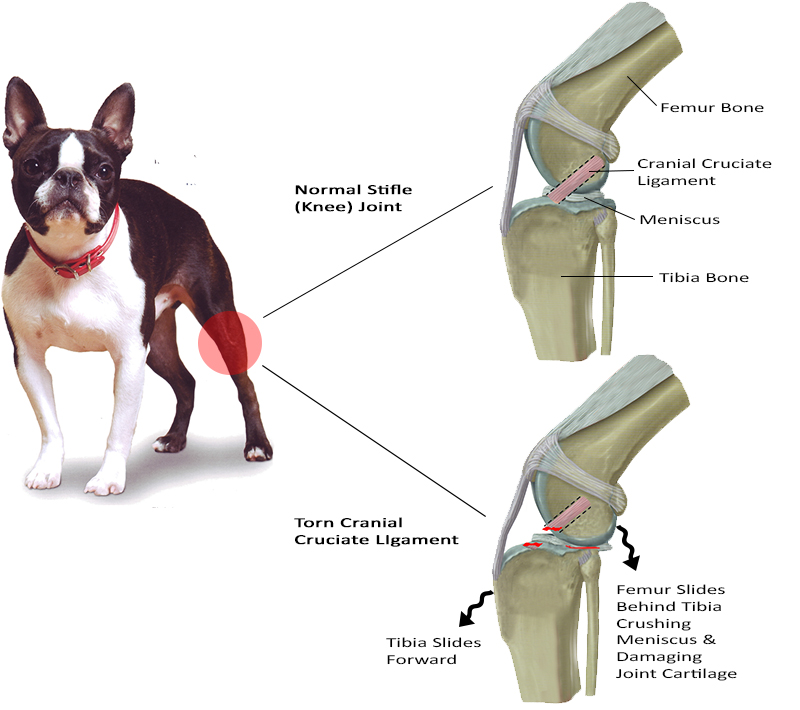
The stifle joint, or knee, in dogs is a complex structure involving the femur (thigh bone), tibia (shin bone), and patella (kneecap). The cranial cruciate ligament (CCL) is a vital band of tissue within this joint, responsible for preventing the tibia from shifting forward relative to the femur, controlling rotation, and stabilizing the joint. When this ligament is torn, the joint becomes unstable, leading to pain, lameness, and progressive arthritis. This instability is the primary reason TPLO is performed: to dynamically stabilize the joint without a functional CCL.
Primary Factors Leading to Cruciate Ligament Damage
Unlike acute ACL tears in human athletes, CCL ruptures in dogs are rarely caused by a single traumatic event. Instead, they are typically the result of a degenerative process exacerbated by multiple contributing factors, each carrying implications for long-term veterinary expenditures.
Degenerative Processes and Chronic Stress
The most common cause of CCL rupture is a gradual degeneration of the ligament over time. Chronic stress, repetitive micro-traumas, and inflammatory processes weaken the ligament, making it susceptible to tearing even during normal activities like running or jumping. This slow degradation means owners might not notice signs until a significant tear occurs, by which point the damage is extensive and TPLO is likely the best course of action. Recognizing subtle signs of discomfort or lameness early could lead to less invasive (and less costly) interventions, but often, by the time symptoms are obvious, surgical repair is indicated.
Genetic Predisposition and Breed-Specific Vulnerabilities
Genetics play a significant role in CCL degeneration. Certain breeds are predisposed to CCL ruptures due to their conformation, ligament structure, or inherited predisposition to joint disease. Large and giant breeds like Labrador Retrievers, Golden Retrievers, Rottweilers, Newfoundlands, Boxers, and Akitas are at higher risk. Smaller breeds like West Highland White Terriers also have a predisposition. Owners of these breeds should be acutely aware of their pet’s genetic vulnerabilities, as this awareness should factor into their long-term financial planning for veterinary care, including the potential for high-cost surgeries.
Acute Trauma and Lifestyle Contributions
While less common, an acute traumatic event, such as a misstep during vigorous play, a fall, or a collision, can cause a healthy CCL to rupture. However, even in these cases, an underlying degenerative process might have weakened the ligament beforehand. Lifestyle factors like obesity, lack of regular exercise, or sudden bursts of intense activity in an otherwise sedentary dog can also contribute to the risk by placing undue stress on the knee joint. These are areas where owners have direct control, and proactive management can yield significant financial savings by reducing injury risk.
The Path to TPLO: Diagnosing a CCL Injury
Understanding the diagnostic process is vital for owners to appreciate the gravity of the situation and the necessity of TPLO. It also highlights the initial financial outlay even before surgery is confirmed.
Clinical Signs and Veterinary Examination
Dogs with a torn CCL typically exhibit sudden lameness, limping, reluctance to bear weight, or a “toe-touching” gait. During a veterinary examination, specific tests like the “cranial drawer test” and “tibial compression test” help detect joint instability. These initial diagnostic steps, while usually part of a standard vet visit, still incur consultation fees.
Diagnostic Imaging and Confirmation
Radiographs (X-rays) are often performed to rule out other conditions and to assess the degree of arthritis in the joint. While X-rays cannot directly visualize the ligament, they provide crucial information about the joint’s overall health and conformation. In some complex cases, advanced imaging like MRI might be recommended, adding another layer of significant expense to the diagnostic phase. Once a CCL rupture is confirmed, discussions about surgical options, primarily TPLO, begin, leading directly to the substantial financial considerations.
Unpacking the Financial Burden of TPLO Surgery and Recovery
The decision to proceed with TPLO is often an emotional one, but it is inextricably linked with financial realities. Pet owners must understand the full spectrum of costs involved, which extend far beyond the surgical procedure itself.
Direct Costs: Surgical Fees, Anesthesia, and Hospitalization
The most significant component of TPLO costs is the surgery itself. Surgical fees typically range from $3,000 to $7,000 or more, depending on geographic location, the veterinary specialty clinic, the surgeon’s experience, and the specific needs of the dog. This comprehensive fee usually includes the surgeon’s expertise, surgical assistants, specialized equipment, anesthesia (including monitoring by a dedicated anesthetist), and post-operative hospitalization for one to two nights. These are non-negotiable costs for a procedure of this complexity.

Post-Operative Expenses: Medication, Rehabilitation, and Follow-up
The direct surgical costs are only the beginning. Recovery from TPLO is a 8-12 week process requiring diligent aftercare, which adds significantly to the overall expense. This includes pain medication, anti-inflammatory drugs, and antibiotics. Crucially, physical rehabilitation is often recommended or required for optimal recovery, involving multiple sessions with a certified canine rehabilitation therapist. These sessions can range from $50 to $150 each, with a full course potentially running into hundreds or even thousands of dollars. Follow-up veterinary visits, including post-operative radiographs to monitor bone healing, also contribute to the final bill.
The Broader Economic Impact: Time Off Work and Ancillary Services
Beyond direct veterinary expenses, owners often face indirect financial costs. Caring for a dog recovering from TPLO requires significant time and attention, often necessitating time off work or reduced work hours. This translates into lost income or the cost of hiring pet sitters or specialized care if the owner cannot be present. There may also be costs associated with making the home environment safe for recovery, such as purchasing ramps, orthopedic beds, or non-slip mats. These often-overlooked expenses can silently accumulate, adding stress to an already challenging situation.
Strategic Financial Planning to Mitigate TPLO-Related Expenses
Given the substantial costs associated with TPLO, proactive financial planning is not merely advisable; it is essential for responsible pet ownership, particularly for predisposed breeds or active dogs.
The Indispensable Role of Pet Insurance
Pet insurance stands out as the most effective tool for mitigating the financial shock of unexpected high-cost veterinary procedures like TPLO. Policies vary, but comprehensive plans typically cover a significant percentage (e.g., 70-90%) of surgical costs, diagnostics, medication, and rehabilitation after a deductible is met. While pet insurance involves a monthly premium, the peace of mind and substantial savings it offers in the face of a TPLO surgery far outweigh the ongoing cost. However, it’s crucial to purchase insurance before any signs of CCL injury appear, as most policies consider pre-existing conditions as exclusions.
Building an Emergency Fund for Unexpected Veterinary Care
For those without pet insurance, or even as a supplement to it, a dedicated emergency fund for pet care is invaluable. Setting aside a modest amount each month into a separate savings account can build a financial safety net over time. Having $3,000-$7,000 readily available for unexpected surgeries like TPLO prevents the difficult choice between a beloved pet’s health and financial ruin. This fund also covers other emergencies, ensuring financial preparedness for various health crises.
Exploring Payment Plans and Veterinary Financing Options
When faced with an immediate TPLO need without sufficient savings or insurance, many veterinary clinics offer or partner with third-party financing options (e.g., CareCredit). These plans allow owners to pay for services in installments, often with deferred interest for a specific period. While these options provide immediate relief, it’s crucial to understand the terms and interest rates to avoid accumulating additional debt. Some owners might also explore personal loans, but these should be carefully considered against their long-term financial health.
Proactive Management: Investing in Prevention to Save on Future Costs
While not all CCL tears are preventable, many factors contributing to their development are within an owner’s control. Proactive management of these factors is a direct investment in a dog’s long-term health and a prudent financial strategy to avoid costly TPLO surgery.
Weight Management and Nutritional Strategies
Obesity is a significant risk factor for CCL rupture, as excess weight places immense strain on joints. Maintaining an ideal body weight through a balanced diet and portion control is perhaps the single most impactful preventive measure. Investing in high-quality, species-appropriate nutrition and avoiding overfeeding can save thousands in potential future veterinary bills related to joint issues. Regular monitoring of body condition score is a simple, cost-free practice that yields immense financial benefits.
Controlled Exercise and Injury Prevention
Consistent, moderate exercise helps maintain strong muscles and ligaments. However, sudden, intense bursts of activity, especially in “weekend warrior” dogs that are otherwise sedentary, can increase injury risk. Gradual conditioning, warm-up routines, and avoiding high-impact activities on slippery surfaces can reduce the likelihood of tears. Providing appropriate mental and physical stimulation without overexertion is a cost-effective way to promote joint health.
Regular Veterinary Check-ups and Early Intervention
Routine veterinary examinations are crucial for identifying subtle signs of joint instability or early degenerative changes before they escalate into a full rupture. A veterinarian can assess gait, palpate joints, and recommend appropriate supplements (e.g., glucosamine, chondroitin) or anti-inflammatory management if early arthritis is detected. Early intervention, even with medication or lifestyle adjustments, is invariably less costly than emergency surgery and prolonged rehabilitation.
The Long-Term Financial Outlook: Managing Chronic Conditions and Potential Recurrence
The financial implications of TPLO extend beyond the initial surgery and recovery. Owners must consider the long-term economic impact, including potential recurrence and managing associated chronic conditions.
Lifetime Costs of Arthritis and Joint Management
Even with successful TPLO surgery, the knee joint will develop some degree of arthritis over time. This means ongoing management may be necessary, including lifelong joint supplements, periodic pain medication, therapeutic diets, or continued physical therapy. These recurring costs, while not as dramatic as the surgery itself, accumulate over a dog’s lifetime and must be factored into an owner’s financial planning.
The Risk of Bilateral Tears and Subsequent Surgeries
A significant concern for owners whose dog has undergone TPLO on one knee is the increased risk of a CCL rupture in the other knee. Studies suggest that 30-50% of dogs who tear one CCL will eventually tear the other. This devastating prospect effectively doubles the financial burden, potentially necessitating another TPLO surgery and an entirely new round of expenses for diagnosis, surgery, and rehabilitation. This possibility underscores the importance of long-term financial preparedness and aggressive preventive strategies after the first injury.

Prioritizing Quality of Life vs. Financial Strain
Ultimately, managing TPLO and its aftermath involves balancing a pet’s quality of life with an owner’s financial capabilities. While veterinary professionals strive for the best medical outcomes, owners must make informed financial decisions that align with their budget and values. This might involve difficult conversations about treatment plans, financial alternatives, or, in extreme cases, quality of life decisions. Understanding the full financial picture from the outset empowers owners to navigate these challenges with greater clarity and less emotional distress, ensuring their beloved companion receives the best possible care without undue financial hardship.
By comprehending what causes TPLO, pet owners are better equipped to implement preventive measures, secure appropriate financial safeguards, and make informed decisions that protect both their pet’s health and their financial well-being.
aViewFromTheCave is a participant in the Amazon Services LLC Associates Program, an affiliate advertising program designed to provide a means for sites to earn advertising fees by advertising and linking to Amazon.com. Amazon, the Amazon logo, AmazonSupply, and the AmazonSupply logo are trademarks of Amazon.com, Inc. or its affiliates. As an Amazon Associate we earn affiliate commissions from qualifying purchases.