
A cracked radiator is a common yet potentially catastrophic mechanical failure that can lead to rapid engine overheating and permanent internal damage. Whether you are managing personal finances or running a small logistics business, understanding the mechanics of your vehicle is a vital form of asset protection. When a cooling system integrity fails, the cost of repairs often snowballs from a simple radiator replacement to a full engine rebuild. To prevent such financial and operational headaches, it is essential to understand the underlying physical and chemical forces that cause radiator failure.
The Role of Thermal Stress and Material Fatigue
Radiators operate in one of the most hostile environments within a vehicle. They are subjected to extreme temperature fluctuations—cycling from ambient outside temperatures to internal pressures exceeding 200 degrees Fahrenheit in a matter of minutes. Over time, this constant expansion and contraction places immense physical stress on the radiator’s components.
Heat Cycling and Structural Integrity
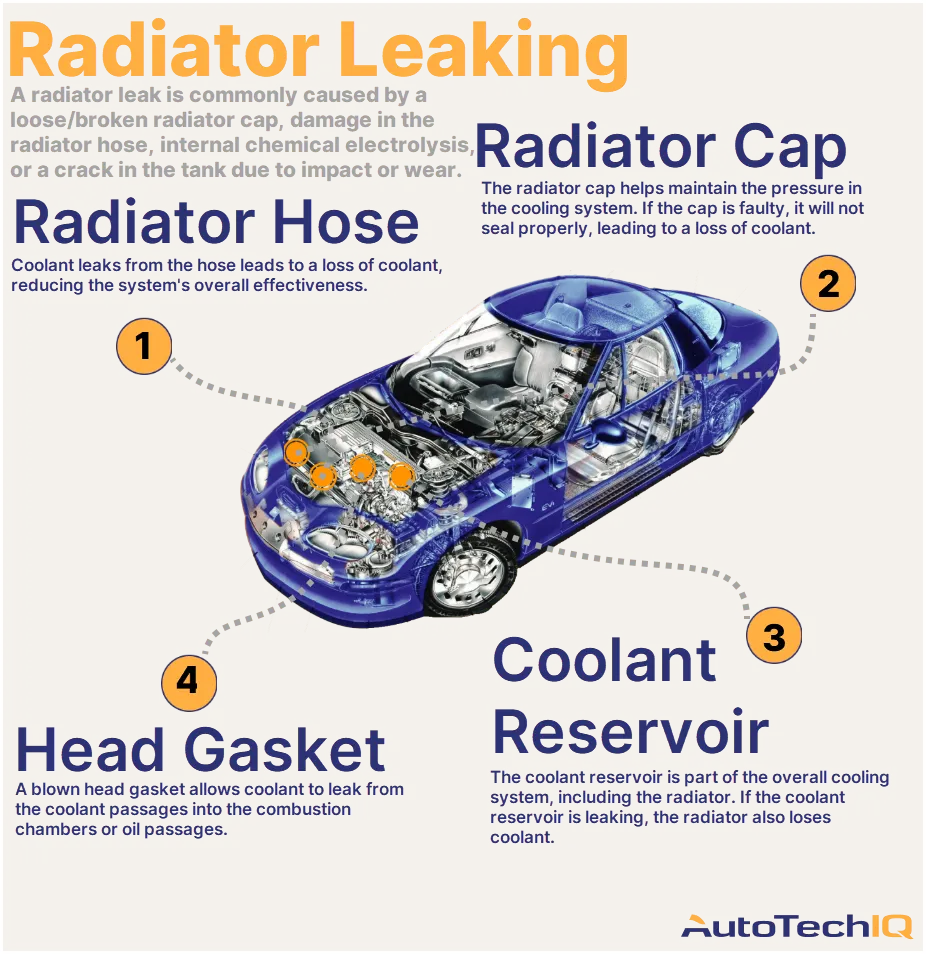
Modern radiators typically utilize a combination of aluminum cores and high-density plastic tanks. While this combination is efficient for heat dissipation, the different materials expand and contract at slightly different rates. Over years of operation, the crimp seals—where the plastic tanks meet the aluminum core—begin to weaken. This thermal fatigue eventually leads to hairline fractures, usually starting at the points where the plastic has become brittle due to prolonged heat exposure.
The Impact of Manufacturing Quality
Not all radiators are built to the same standard. Low-cost aftermarket units often utilize thinner plastics and inferior adhesive seals. In a business context where you are managing a fleet, selecting the cheapest replacement part is rarely a sound financial decision. High-quality original equipment manufacturer (OEM) or premium aftermarket components feature reinforced fiberglass-filled plastics and superior crimping processes designed to withstand these thermal cycles for a longer duration.
Internal Pressure and Cooling System Neglect
The cooling system is a pressurized loop designed to raise the boiling point of the coolant, allowing the engine to run hotter and more efficiently. When this pressure exceeds the design limits of the radiator, the weakest point will eventually burst.
The Role of the Radiator Cap
The radiator cap is perhaps the most overlooked component in the cooling system, yet it acts as the primary safety valve. It is calibrated to release excess pressure into the overflow reservoir. If the spring inside the cap seizes or the rubber gasket hardens, the cap fails to vent pressure. When the internal system pressure spikes, the radiator tank—often the weakest physical point—will develop a split or a crack to relieve that trapped force. Replacing a radiator cap is a low-cost preventive maintenance measure that saves thousands in potential engine repairs.
The Importance of Coolant Chemistry
Many vehicle owners view coolant as a “set it and forget it” fluid, but its chemical properties are critical to structural longevity. Over time, the corrosion inhibitors in coolant deplete. When these additives vanish, the fluid becomes acidic. This acidic mixture begins to corrode the interior of the radiator from the inside out, a process known as galvanic corrosion. This weakens the thin aluminum walls of the cooling tubes until they become porous, eventually leading to structural cracks. Regular coolant flushes, following the manufacturer’s service interval, are an essential investment in the longevity of your cooling system.
External Damage and Debris Impact

While internal factors cause the majority of radiator failures, external physical trauma is a leading cause of sudden, catastrophic cracking. Because the radiator is mounted at the very front of the vehicle to capture maximum airflow, it is susceptible to road debris.
Road Debris and Kinetic Impact
Small rocks, gravel, and metal fragments kicked up by tires at highway speeds can strike the delicate aluminum fins of the radiator with significant force. A single high-velocity impact can puncture a cooling tube or crack the side tanks. While minor damage might result in a slow leak, a larger impact can cause an immediate structural fracture.
Vibration and Mounting Hardware
A vehicle is a vibrating mass. The radiator is held in place by mounts and rubber bushings designed to absorb this kinetic energy. If these bushings harden, crack, or fall off due to age, the radiator loses its “cushion.” It begins to vibrate against the metal frame of the vehicle. This constant mechanical friction wears grooves into the plastic tanks or aluminum housing, eventually resulting in a crack. Ensuring that your radiator is mounted securely is a simple maintenance check that prevents the radiator from essentially “shaking itself to death.”
Environmental Factors and Corrosion
The environment in which you operate your vehicle plays a significant role in how quickly a radiator will crack. Salt, moisture, and road chemicals contribute to exterior oxidation, which weakens the frame and the cooling structure.
Winter Salt and Chemical Exposure
In regions where road salt is used extensively during the winter, the radiator frame is subjected to harsh, corrosive elements. If the protective coating on the radiator’s frame or end tanks is compromised, the salt accelerates the degradation of the plastic and metal interfaces. This exterior corrosion creates a cycle of weakness that makes the radiator increasingly prone to cracking under standard pressure.
Identifying the Symptoms Early
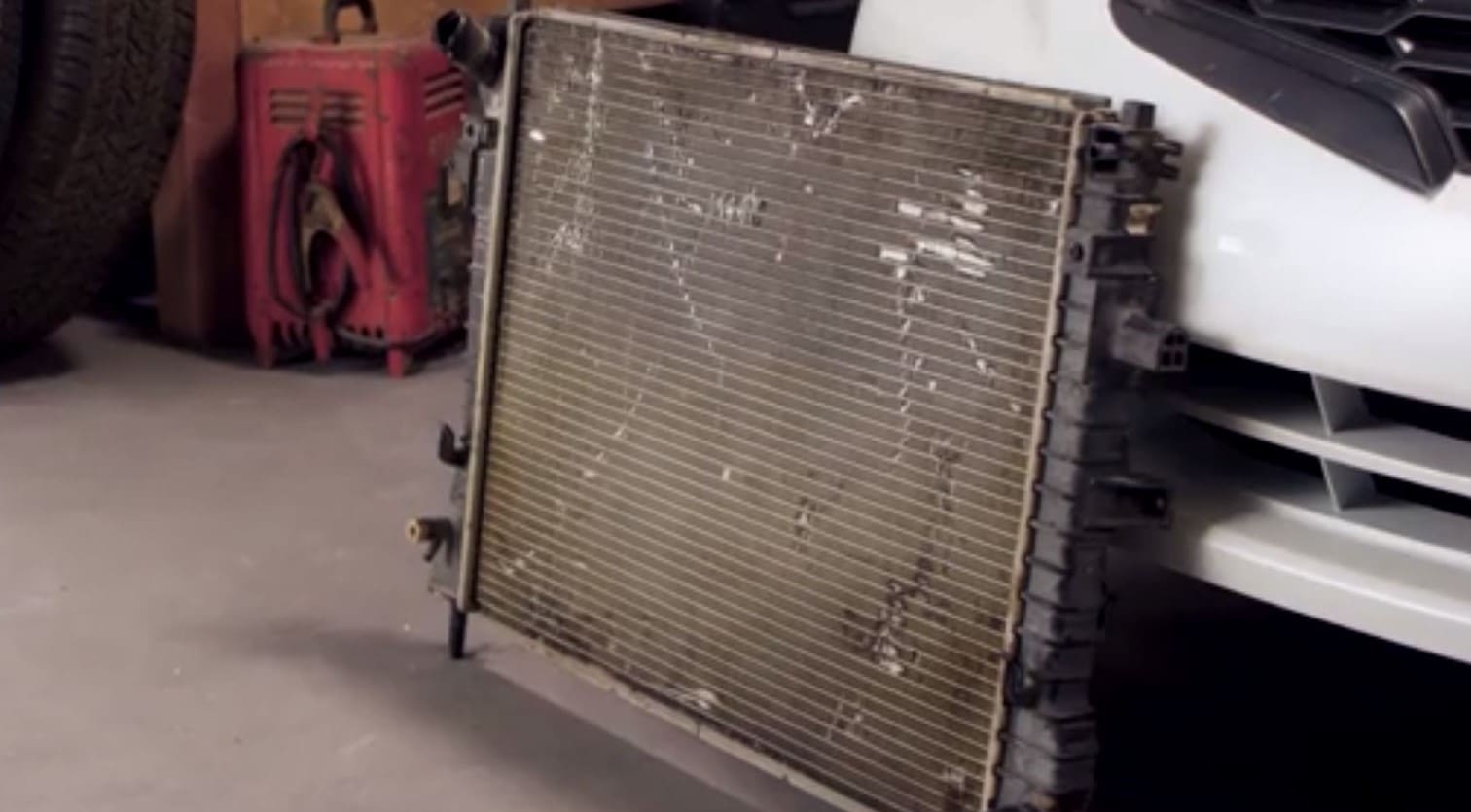
The key to avoiding a total breakdown is identifying the symptoms of a failing radiator before the crack spreads. A sweet, syrupy smell around the front of the vehicle is often the first indicator of a minor leak. You may also notice small puddles of colored coolant under the vehicle or a consistent loss of fluid in the overflow reservoir without any visible external leaks on the hoses. If you notice these signs, the radiator is likely already beginning to fail due to internal pressure or material fatigue. Addressing this proactively—before the crack turns into a blowout—is the hallmark of effective personal finance and asset maintenance.
Strategic Maintenance for Longevity
Maintaining a vehicle is not merely about reactive repair; it is about managing the lifecycle of an asset to maximize its utility. A radiator, while replaceable, is a critical bottleneck for engine health.
- Scheduled Fluid Replacement: Treat coolant changes as an essential part of your vehicle’s financial health. It prevents internal corrosion that is invisible until it is too late.
- Cap Inspection: Treat the radiator cap as a high-wear component. Replace it every 3–5 years regardless of its appearance.
- Mounting Integrity: During routine oil changes, take an extra moment to inspect the radiator mounts for wear. Ensuring the unit is firm and vibration-free is vital.
- Visual Inspections: Regularly checking the radiator for signs of “weeping” or staining on the plastic tanks can save you from a roadside breakdown.
By treating the cooling system as a sophisticated component requiring regular oversight rather than a static piece of equipment, you ensure that your vehicle remains a reliable asset. A cracked radiator is rarely an accident; it is the final result of ignored physics and chemical degradation. Through disciplined maintenance and an understanding of how thermal and physical forces interact with automotive materials, you can significantly extend the lifespan of your cooling system and protect the value of your vehicle.
aViewFromTheCave is a participant in the Amazon Services LLC Associates Program, an affiliate advertising program designed to provide a means for sites to earn advertising fees by advertising and linking to Amazon.com. Amazon, the Amazon logo, AmazonSupply, and the AmazonSupply logo are trademarks of Amazon.com, Inc. or its affiliates. As an Amazon Associate we earn affiliate commissions from qualifying purchases.