
The human sensory experience has long been the final frontier for digital integration. While we have mastered the reproduction of sight and sound through high-definition displays and spatial audio, the chemical senses—smell and taste—remain notoriously difficult to digitize. However, when these senses fail, the impact is profound, affecting everything from nutritional health to emotional well-being. Understanding what causes the loss of smell (anosmia) and taste (ageusia) is no longer just a medical inquiry; it has become a focal point for biotechnology, artificial intelligence, and sensory engineering.

In this technological deep dive, we explore the mechanical and biological “system failures” that lead to sensory loss and how the next generation of tech is stepping in to diagnose, treat, and even bypass these physiological outages.
The Biological Hardware: Understanding Sensory Failure via Bio-Tech Analysis
To understand the loss of smell and taste, one must view the human body as a complex network of chemical sensors and signal processors. When we talk about “causes,” we are essentially discussing disruptions in the data transmission between peripheral receptors and the central nervous system.
Viral Disruptions and Cellular Data Corruption
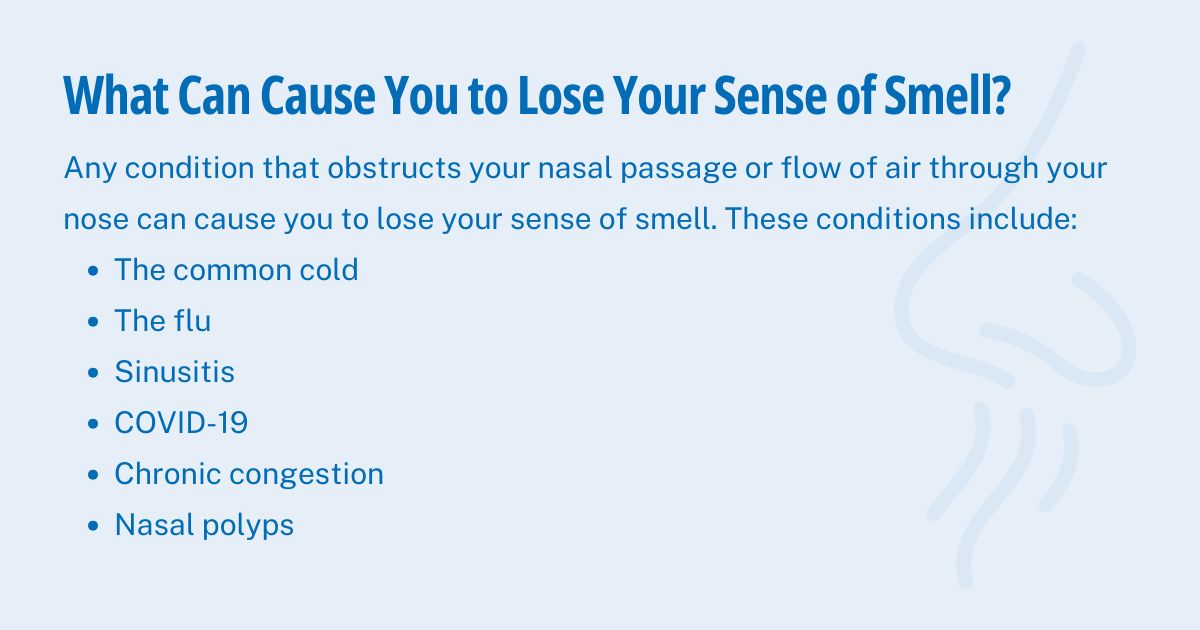
The most prominent cause of sensory loss in the modern era has been viral interference, most notably through SARS-CoV-2. From a technological perspective, this is a form of “hardware damage.” The virus doesn’t necessarily attack the neurons directly; instead, it targets the sustentacular cells—the support infrastructure of the olfactory epithelium. When these support cells are compromised, the “sensors” lose their power supply and structural integrity. Tech-driven genomic sequencing has allowed researchers to identify exactly how these viral proteins bind to ACE2 receptors, providing a blueprint for developing targeted molecular interventions to “reboot” the system.
Neurological Signal Processing Errors
Beyond the peripheral sensors, the cause of sensory loss often lies in the “software”—the brain’s ability to process signals. Traumatic Brain Injury (TBI) or neurodegenerative diseases like Alzheimer’s and Parkinson’s can be viewed as a degradation of the brain’s internal wiring. In these cases, the nose and tongue might be capturing data perfectly, but the “central processing unit” (the olfactory bulb and gustatory cortex) is unable to interpret the packets of information. Advanced neuroimaging technology, such as functional MRI (fMRI) and PET scans, has become essential in pinpointing where these signal breaks occur, allowing for more precise neurological mapping.
Environmental Interference and Chemical Latency
Chronic exposure to industrial pollutants and certain medications can lead to a gradual “desensitization” of the receptors. This is analogous to sensor fatigue in industrial equipment. Toxic particulates can create a physical barrier or cause inflammatory “noise” that drowns out the actual chemical signals. Tech-enabled environmental monitoring now allows individuals to track air quality in real-time, identifying high-risk zones that could lead to long-term sensory degradation.
Diagnostic Tech: How AI and Sensors Identify the Root Causes
Identifying the exact cause of sensory loss has historically been subjective, relying on “scratch-and-sniff” tests. However, the integration of Artificial Intelligence and high-fidelity sensors is transforming diagnostics into a data-driven science.
Machine Learning in Olfactory Pattern Recognition
Artificial Intelligence is now being used to analyze vast datasets of patient symptoms to predict the underlying cause of sensory loss. By processing variables such as the speed of onset, the presence of parosmia (distorted smell), and concurrent neurological symptoms, ML algorithms can differentiate between a viral cause, a mechanical obstruction (like nasal polyps), or an early-stage neurological condition. These predictive models are becoming essential tools in “Tele-health” applications, providing preliminary diagnoses without the need for invasive procedures.
Digital “Electronic Tongues” and Their Diagnostic Role
The development of “e-tongues” and “e-noses”—devices equipped with electrochemical sensors—has provided a benchmark for “normal” sensory input. In a clinical setting, these devices can be used to compare a patient’s reported experience with an objective chemical reading. If the device detects a complex array of volatile organic compounds (VOCs) that the patient cannot perceive, clinicians can narrow the cause down to a neural transmission issue rather than a receptor failure. This distinction is vital for determining whether the treatment should be pharmaceutical or surgical.
Wearable Biosensors for Real-Time Monitoring
The next wave of diagnostic tech includes wearable patches that monitor the chemical composition of mucus and saliva. By analyzing the “micro-environment” of the sensory receptors, these wearables can detect inflammatory markers or viral loads in real-time. This proactive data collection helps identify the “why” behind sensory fluctuations, often before the patient is even aware of a significant loss.

The Rise of Sensory Augmentation and Digital Restoration
When the cause of sensory loss is irreversible, technology shifts from diagnosis to restoration. We are entering an era of “Sensory Tech” where lost biological functions are supplemented or replaced by digital interfaces.
Neural Linkages and Brain-Computer Interfaces (BCIs)
Perhaps the most ambitious solution to sensory loss is the use of Brain-Computer Interfaces. Companies like Neuralink and various academic research labs are exploring how to bypass damaged olfactory nerves and deliver signals directly to the brain’s olfactory bulb. By using an external “digital nose” to capture chemical data and converting that data into electrical impulses, BCIs could theoretically restore a sense of smell to those with permanent nerve damage. This represents the ultimate “patch” for a broken biological circuit.
Wearable Haptics as a Compensatory Sensory Feedback Loop
For those suffering from a loss of taste, which is deeply linked to the texture and temperature of food, haptic technology offers a unique workaround. “Smart utensils” are being developed that use mild electrical stimulation (electrotactile feedback) to enhance the perception of saltiness or sourness on the tongue. By manipulating the way the tongue’s nerves fire, these devices can “trick” the brain into perceiving flavors that aren’t chemically present, mitigating the impact of ageusia.
Digital Olfactory Training Apps
Recovery from sensory loss often requires “retraining” the brain—a process known as olfactory training. Technology has optimized this through apps that use gamification and data tracking to guide users through scent-exposure therapy. These platforms track progress over months, using visual stimuli to help the brain re-associate specific chemical profiles with their corresponding labels, effectively “re-indexing” the brain’s sensory library.
The Future of Digital Flavor and Synthetic Olfaction
As we look toward the future, the technology developed to address the loss of smell and taste is paving the way for the “Internet of Senses.”
VR/AR and the Integration of Chemical Interfaces
Virtual and Augmented Reality are no longer limited to sight and sound. “OVR” (Olfactory Virtual Reality) technology involves head-mounted displays equipped with scent cartridges that release precise micro-bursts of chemicals. For individuals suffering from partial sensory loss, these devices can provide “sensory reinforcement,” using visual cues in a headset to help the brain amplify weak olfactory signals. This immersive technology is also being used in professional culinary training and therapy for those with sensory processing disorders.
The “Scentient” Web and Data-Encoded Aromas
The concept of “transmitting” smell and taste over the internet is moving from science fiction to prototype. By encoding chemical formulas into digital metadata, researchers are working on devices that can synthesize smells on the receiving end. For someone who has lost their sense of taste, this could mean “flavor-enhanced” digital dining experiences where digital signals trigger localized stimulators to recreate the profile of a meal.
Ethical Implications of Artificially Re-engineering Sensation
As we gain the ability to bypass biological causes of sensory loss, we face new ethical questions. If we can digitally enhance or restore taste and smell, who owns the “data” of those sensations? Could corporations use “digital scents” to manipulate consumer behavior? As we develop the tech to fix what is broken, we must also build the frameworks to ensure these digital senses remain private and secure.
Conclusion: The Convergence of Biology and Technology
The loss of smell and taste, once considered a minor or untreatable ailment, has become a catalyst for some of the most exciting advancements in biotechnology and AI. By identifying the causes through the lens of system failures and data corruption, we have opened the door to a suite of technological solutions that range from diagnostic algorithms to neural implants.
We are moving toward a future where “sensory loss” may be a temporary state—a technical glitch rather than a permanent disability. As the line between biological sensation and digital interpretation continues to blur, the tools we build to restore these senses will ultimately redefine what it means to perceive the world around us. In this digital age, the recovery of smell and taste is not just a medical triumph; it is a milestone in the evolution of human-computer integration.
aViewFromTheCave is a participant in the Amazon Services LLC Associates Program, an affiliate advertising program designed to provide a means for sites to earn advertising fees by advertising and linking to Amazon.com. Amazon, the Amazon logo, AmazonSupply, and the AmazonSupply logo are trademarks of Amazon.com, Inc. or its affiliates. As an Amazon Associate we earn affiliate commissions from qualifying purchases.