
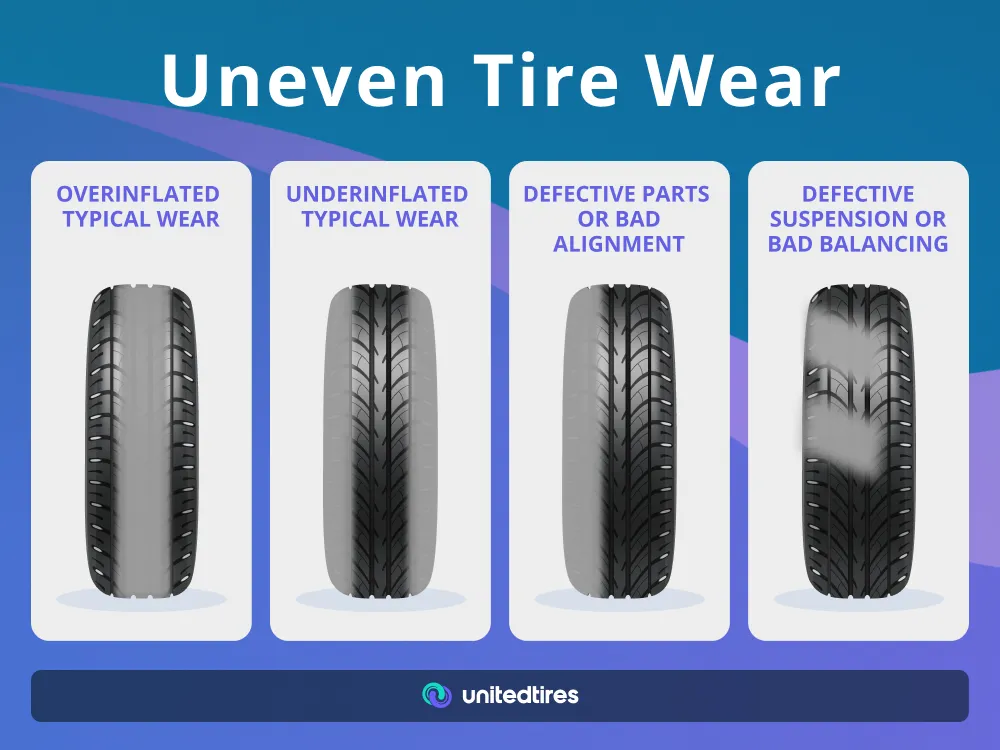
The distinct pattern of accelerated wear on the outer edges of your tires, often referred to as “outside tire wear” or “edgewear,” can be a perplexing and costly issue for vehicle owners. Beyond the immediate financial burden of premature tire replacement, this type of wear can also signal underlying mechanical problems that, if left unaddressed, could compromise your vehicle’s handling, safety, and even lead to more extensive damage. Understanding the technological culprits behind outside tire wear is crucial for maintaining your vehicle’s optimal performance and ensuring a safe driving experience. This article delves into the primary engineering and mechanical factors that contribute to this specific type of tire degradation, exploring the intricate interplay between alignment, suspension, and tire technology.
The Crucial Role of Wheel Alignment Technology
Wheel alignment is a complex system of angles that dictate how your wheels are oriented in relation to the road and each other. When these angles are not precisely set according to the manufacturer’s specifications, the tires are forced to scrub, drag, or roll at incorrect angles, leading to uneven and accelerated wear. Outside tire wear is a classic symptom of misaligned wheels, and several key alignment parameters are directly implicated.
Caster Angle and Its Impact
Caster is the angle of the steering axis relative to the vertical in the side view of the vehicle. It’s essentially the tilt of the steering pivot forward or backward. When viewed from the side, a forward tilt of the steering pivot is negative caster, and a backward tilt is positive caster. Proper caster contributes to directional stability; it helps the vehicle self-center the steering wheel after a turn and keeps the vehicle tracking straight on the road.
- Negative Caster: While less common for causing pronounced outside wear, an excessive negative caster can sometimes contribute to instability and may indirectly lead to uneven tire loading.
- Positive Caster: The most significant impact on outside tire wear typically arises from an imbalance or incorrect setting of the positive caster. When the positive caster is uneven between the left and right sides of the vehicle, it can cause one tire to be “pulled” or “pushed” by the steering geometry, leading it to drag or scuff on its outer edge as the vehicle attempts to maintain a straight path. This is particularly noticeable in straight-line driving and can manifest as significant wear on the outer shoulder of the tire. A worn or damaged suspension component, such as a strut or ball joint, can alter caster angles without warning. Modern alignment machines are capable of precisely measuring and adjusting caster, highlighting the importance of using advanced diagnostic tools.
Camber Angle and the Scuffing Effect
Camber is the inward or outward tilt of the top of the tire when viewed from the front of the vehicle. Positive camber means the top of the tire tilts outward, away from the vehicle’s centerline, while negative camber means the top tilts inward, towards the vehicle’s centerline. Camber is crucial for supporting cornering forces and distributing the vehicle’s weight.
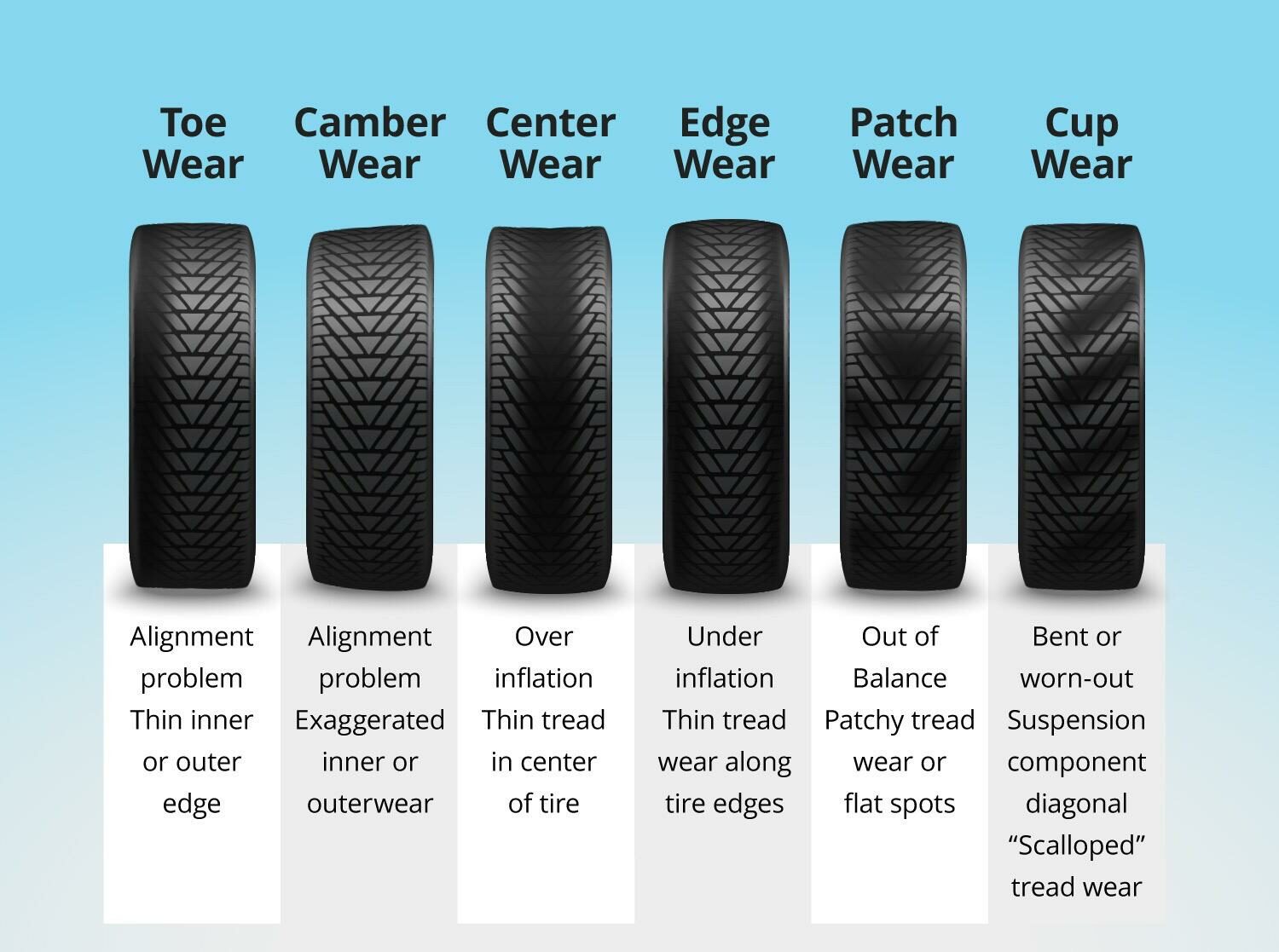
- Excessive Positive Camber: This is a primary culprit for outside tire wear. When the top of the tire is tilted too far outward, the outer edge of the tire bears an disproportionate amount of the vehicle’s weight and is the primary contact point with the road during straight-line driving. This constant, heavy pressure on the outer tread will inevitably lead to rapid and severe wear on that portion of the tire. Even a slight deviation from the manufacturer’s recommended positive camber specification can accelerate this process.
- Negative Camber (and its nuances): While excessive negative camber is typically associated with inside tire wear, improper adjustment or wear in related suspension components can sometimes indirectly contribute to outside wear. For instance, if a suspension component is worn, it might allow the wheel to tilt outwards under certain loads, mimicking a positive camber condition. Technicians use sophisticated alignment racks and laser-guided systems to measure camber with extreme accuracy, as even fractions of a degree can have a noticeable effect over time.
Toe Settings: The Scrubbing Action
Toe refers to the angle of the tires relative to each other, as viewed from above. “Toe-in” means the front of the tires are closer to each other than the rear, and “toe-out” means the front of the tires are farther apart than the rear. Toe settings are critical for tire wear and directional stability.
- Excessive Toe-Out: This is a common cause of pronounced outside tire wear, particularly on the front wheels. When the front tires are set to toe-out, they are essentially trying to turn outward relative to each other during straight-line driving. This forces the outer edges of the tires to scrub or drag against the road surface, leading to rapid and uneven wear. Imagine trying to push a shopping cart with its wheels splayed outwards; the wheels would constantly fight against each other, causing drag.
- Toe-In (and its less common association): While excessive toe-in typically causes inside tire wear, it’s worth noting that extremely worn or loose steering components can lead to unpredictable toe changes that might manifest as outside wear under specific driving conditions. The sensitivity of modern steering systems means that precise toe adjustments, performed with digital alignment equipment, are essential.
Suspension System Integrity: The Foundation of Tire Health
Beyond the alignment angles themselves, the structural integrity of your vehicle’s suspension system plays a pivotal role in maintaining proper alignment and, consequently, preventing uneven tire wear. Components within the suspension system are designed to work in concert to absorb road imperfections, maintain tire contact with the road, and allow for controlled steering. When any of these components degrade or fail, they can directly or indirectly lead to alignment issues and outside tire wear.
Worn Ball Joints and Tie Rod Ends
Ball joints are critical pivot points in the suspension system, allowing for both vertical movement of the wheel and lateral steering motion. Tie rod ends connect the steering rack to the steering knuckle, translating the steering wheel’s movement into the turning of the wheels.
- Play and Looseness: Over time and mileage, ball joints and tie rod ends can develop play or looseness. This looseness introduces “slop” into the steering and suspension. When there’s excessive play in these components, the wheel can move independently of its intended alignment angles, especially under load or during cornering. This unwanted movement can cause the tire to scuff against the road surface on its outer edge, as the wheel is no longer held at its precise geometric position. A mechanic will often check for this by physically trying to move the wheel while the vehicle is on a lift; significant wobble indicates worn components. The precision of modern steering systems relies heavily on the lack of play in these critical joints.
Damaged or Worn Bushings
Bushings are typically made of rubber or polyurethane and act as isolators and pivot points within the suspension system. They are found in control arms, sway bars, and other suspension linkages.
- Degradation and Cracking: Bushings are designed to absorb vibrations and allow for controlled movement. However, they are susceptible to degradation from age, heat, and exposure to road contaminants. When bushings crack, tear, or become overly compressed, they can allow for excessive movement of suspension components. This movement can alter alignment angles, particularly camber and caster, leading to conditions that favor outside tire wear. For example, a worn control arm bushing could allow the entire control arm to shift, changing the camber angle of the wheel. Modern vehicles often utilize sophisticated, multi-link suspension designs where the integrity of numerous bushings is paramount for maintaining precise wheel control and alignment.
Strut and Shock Absorber Issues
While their primary function is to dampen suspension oscillations, worn or damaged struts and shock absorbers can also indirectly contribute to outside tire wear.
- Reduced Control: When struts or shocks are worn, they are less effective at controlling the suspension’s movement. This means the wheel may bounce more on uneven surfaces or compress and rebound excessively during cornering. This lack of control can lead to situations where the tire is not maintained at its optimal contact patch with the road. Under dynamic cornering forces, a compromised shock absorber might allow the outer tire to lean excessively, putting undue stress and wear on its outer tread. Furthermore, a blown strut can sometimes manifest as a bent strut shaft, which directly affects alignment and can cause significant outside tire wear. The technology within modern adjustable suspension systems is highly sensitive to the performance of these damping components.
Tire Specifications and Loading Considerations
While alignment and suspension are the most common mechanical culprits, the tires themselves and how they are subjected to loads can also play a role in outside tire wear. Understanding these factors is essential for a holistic approach to tire maintenance.
Tire Pressure: The Unsung Hero
The inflation pressure of your tires is arguably the simplest yet most critical factor influencing tire wear. Proper inflation ensures that the tire’s contact patch with the road is evenly distributed across the tread.
- Underinflation’s Deceptive Influence: While severe underinflation is famously known for causing excessive inside and outside edge wear due to the tire “rolling over” on its sidewall, even moderate underinflation can contribute to outside tire wear. When a tire is underinflated, the sidewalls flex more, causing the outer edges of the tread to carry a larger proportion of the load. This increased pressure on the outer edges leads to accelerated wear. It’s vital to check tire pressure regularly, ideally when the tires are cold, and adhere to the manufacturer’s recommended pressure found on the sticker inside the driver’s doorjamb or in the owner’s manual. Modern tire pressure monitoring systems (TPMS) provide valuable real-time data, but manual checks remain essential.
Load Capacity and Overloading
Every tire is designed to carry a specific maximum load. Exceeding this limit, whether habitually or occasionally, puts immense stress on the tire structure and can lead to premature and uneven wear.
- Exceeding Gross Vehicle Weight Rating (GVWR): When a vehicle is overloaded, the suspension is compressed beyond its intended range, and the tires are subjected to forces they were not designed to handle. This can cause the tires to deform excessively, leading to increased contact pressure on the outer edges of the tread as the sidewalls are forced outwards. This is particularly problematic if the vehicle is also carrying a heavy load while cornering, amplifying the forces on the outer tires. The load rating of a tire is a crucial piece of engineering information that must not be overlooked, especially for vehicles used for towing or hauling.

Tire Construction and Design
While less common as a primary cause of outside wear compared to mechanical issues, certain tire characteristics can influence wear patterns.
- Stiff Sidewalls and Shoulder Design: Some performance-oriented tires are designed with stiffer sidewalls and more robust shoulder blocks to improve handling and cornering stability. While beneficial for performance, these designs can sometimes be more susceptible to showing wear on the outer edge if alignment or suspension issues are present, as the stiffer construction may not allow for as much flexibility in adapting to minor misalignments. However, this is typically secondary to underlying mechanical problems.
In conclusion, outside tire wear is rarely a random occurrence. It is a tell-tale sign that something within the intricate technological ecosystem of your vehicle’s suspension, steering, and tire system is not functioning as intended. By understanding these causes and paying attention to the subtle cues your vehicle provides, you can proactively address potential issues, ensuring your tires last longer, your vehicle performs optimally, and your journey is always a safe one. Regular inspections by qualified technicians utilizing advanced alignment and diagnostic equipment are the most effective way to identify and rectify the underlying causes of this problematic wear pattern.
aViewFromTheCave is a participant in the Amazon Services LLC Associates Program, an affiliate advertising program designed to provide a means for sites to earn advertising fees by advertising and linking to Amazon.com. Amazon, the Amazon logo, AmazonSupply, and the AmazonSupply logo are trademarks of Amazon.com, Inc. or its affiliates. As an Amazon Associate we earn affiliate commissions from qualifying purchases.