
For decades, the concept of home humidity was relegated to the realm of basic meteorology or physical discomfort. We knew the air felt “heavy” or “sticky,” and we knew that an aging air conditioner or a rainy day was likely the culprit. However, as we transition into the era of the hyper-connected smart home, our understanding of what causes humidity in a home has shifted from guesswork to high-precision data science. Today, identifying the root causes of indoor moisture is a sophisticated technological endeavor involving IoT sensors, artificial intelligence, and advanced building science.
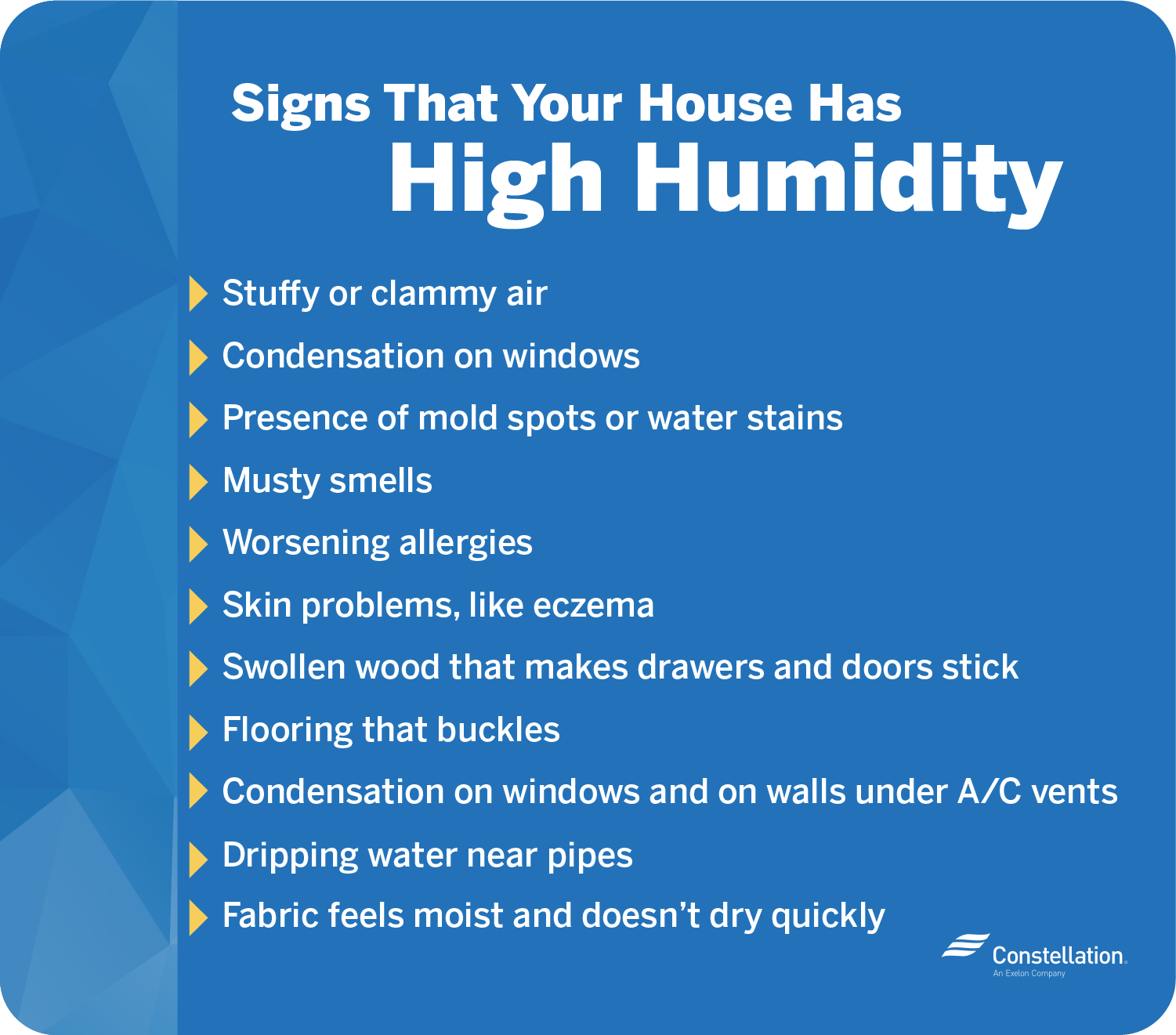
In this deep dive, we explore how modern technology identifies the latent causes of home humidity and the cutting-edge hardware and software ecosystems designed to maintain the perfect digital atmosphere.
1. The Sensor Revolution: Data-Driven Diagnostics for Indoor Moisture
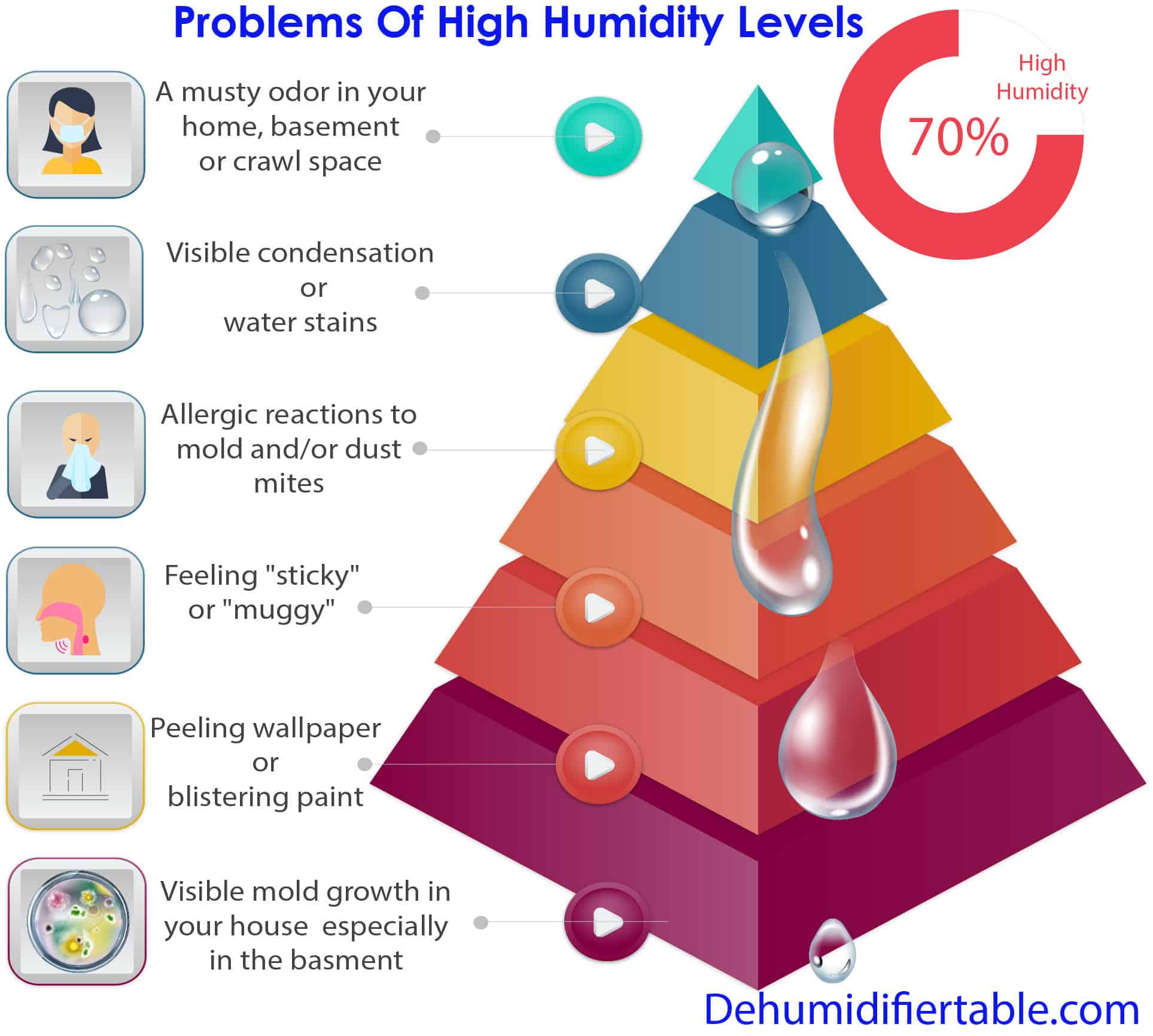
The primary challenge in managing humidity has always been its invisibility. You cannot see water vapor until it condenses on a windowpane or fosters mold growth on a wall. Technology has bridged this gap through the development of high-fidelity sensors that turn invisible atmospheric conditions into actionable data.
The Rise of the Smart Hygrometer
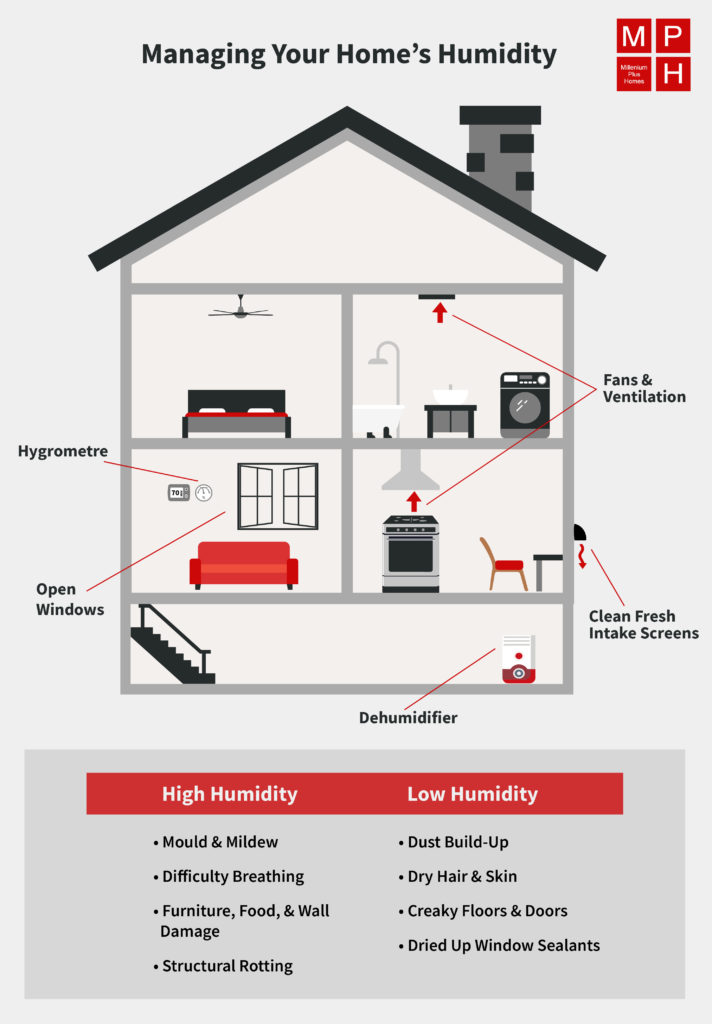
Traditional analog hygrometers were notoriously inaccurate, often drifting by 10% or more over time. Modern digital hygrometers utilize capacitive or resistive sensors that provide real-time accuracy within 2%. These devices are no longer standalone tools; they are nodes within a broader Smart Home ecosystem. By placing these sensors in high-risk areas—basements, bathrooms, and attics—homeowners can receive push notifications the moment moisture levels exceed a specific threshold. This allows for the identification of “micro-climates” within a home, revealing that a humidity issue might not be a whole-house problem but a localized technological failure in ventilation.
Integration with Localized Weather APIs
One of the leading causes of home humidity is the pressure differential between indoor and outdoor environments. Modern smart thermostats do more than just read the temperature; they ping localized weather APIs to compare indoor humidity levels with outdoor dew points. By analyzing this data, AI-driven systems can determine if the humidity is caused by “infiltration” (external air leaking in through poor seals) or “internal generation” (moisture created by cooking, showering, or breathing). This distinction is vital for applying the correct technological fix.
2. Smart HVAC Systems and the Science of Psychrometrics
The Heating, Ventilation, and Air Conditioning (HVAC) system is the most significant technological asset in controlling home humidity. However, older “on/off” systems are often the very cause of the problem they are meant to solve. Modern tech has introduced the concept of psychrometrics—the study of gas-vapor mixtures—into residential software.
Variable Speed Compressors and Inverter Tech
Traditional air conditioners operate at 100% capacity or 0%. This leads to short-cycling, where the air is cooled quickly, but the system doesn’t run long enough to remove moisture from the air. The “Tech” solution is the Variable Speed Compressor (or Inverter technology). These systems use sophisticated algorithms to modulate their output, running at lower speeds for longer durations. This constant, low-energy flow is significantly more effective at dehumidification. From a technical standpoint, this ensures the evaporator coil stays at the optimal temperature to pull latent heat (moisture) out of the air without freezing over.
Predictive Dehumidification Algorithms
Artificial Intelligence is now being integrated into premium HVAC controllers. These systems “learn” the thermal profile of a home. For instance, if a smart home system detects four occupants are home and the kitchen appliances are active, the AI predicts a spike in humidity before the sensors even register a significant change. By preemptively adjusting the fan speed and coolant flow, the system prevents the humidity spike from occurring. This shift from reactive to proactive climate control is a hallmark of modern building technology.
3. Building Science and Tech-Enabled Infrastructure
Sometimes, the cause of humidity is embedded in the home’s physical structure. Tech-driven diagnostic tools have revolutionized how we find these “invisible” leaks and structural failures.
Thermal Imaging and Infrared Diagnostics
Thermal imaging cameras, once the exclusive tool of industrial engineers, are now accessible via smartphone attachments or affordable handheld units. These devices allow users to see “thermal bridging”—areas where insulation is missing or compromised. In many cases, humidity is caused by warm, moist air hitting a cold spot on a wall or ceiling, leading to condensation. By using infrared technology, homeowners can pinpoint exactly where the building envelope is failing, allowing for targeted repairs rather than expensive, broad-scale renovations.
Smart Vapor Barriers and Managed Ventilation
The basement and crawlspace are often the primary sources of moisture due to “hydrostatic pressure”—water pushing through porous concrete. The latest technological advancement in this space is the “smart” vapor barrier. Unlike traditional plastic sheeting, these membranes are engineered with variable permeability. They can sense when the humidity in the wall cavity is too high and “open” their pores to let it dry out, then “close” to prevent moisture from entering. Coupled with smart sump pumps that log water-table data to the cloud, these systems turn a passive crawlspace into a managed, dry environment.
4. The Impact of Smart Home Ecosystems on Moisture Control
The true power of technology in managing home humidity lies in orchestration. A single smart dehumidifier is useful, but a fully integrated smart home ecosystem is transformative.
The Role of IFTTT and Automation Protocols
Through protocols like Matter, Zigbee, or IFTTT (If This Then That), disparate devices can communicate to solve humidity issues. For example, a “Humidity Management” routine could look like this:
- A smart sensor in the bathroom detects a 20% rise in humidity (indicating a shower).
- The system automatically triggers the high-speed setting on a smart exhaust fan.
- Simultaneously, the smart window actuators close to prevent humid outdoor air from entering.
- If the levels don’t drop within ten minutes, the HVAC system enters “Dry Mode.”
This level of automation eliminates human error—a leading cause of humidity-related damage.
Energy Efficiency and Sustainability Tech
Managing humidity is also a matter of energy optimization. High humidity makes the air feel warmer than it is, leading people to turn down their thermostats, which wastes energy. Modern Energy Management Systems (EMS) analyze the relationship between the Heat Index and real-time energy prices. By prioritizing dehumidification over cooling, these systems can maintain “felt comfort” while significantly reducing the load on the power grid. This intersection of environmental tech and atmospheric control represents the future of sustainable living.
Conclusion: The Future of Atmospheric Intelligence
Understanding what causes humidity in a home is no longer a matter of checking the weather report or feeling the walls for dampness. It is a data-driven discipline that leverages the best of modern hardware and software. From IoT sensors that provide granular humidity maps of every room to AI-powered HVAC systems that predict moisture spikes before they happen, technology has given us unprecedented control over our indoor environments.
As we look forward, the integration of “Atmospheric Intelligence” will become standard in residential tech. We are moving toward a world where the home doesn’t just react to humidity but manages it with the same precision and invisibility as the internet connection that powers it. For the tech-savvy homeowner, the goal is no longer just “avoiding mold”; it is the mastery of the digital atmosphere to ensure health, comfort, and structural integrity for the long term.
aViewFromTheCave is a participant in the Amazon Services LLC Associates Program, an affiliate advertising program designed to provide a means for sites to earn advertising fees by advertising and linking to Amazon.com. Amazon, the Amazon logo, AmazonSupply, and the AmazonSupply logo are trademarks of Amazon.com, Inc. or its affiliates. As an Amazon Associate we earn affiliate commissions from qualifying purchases.