
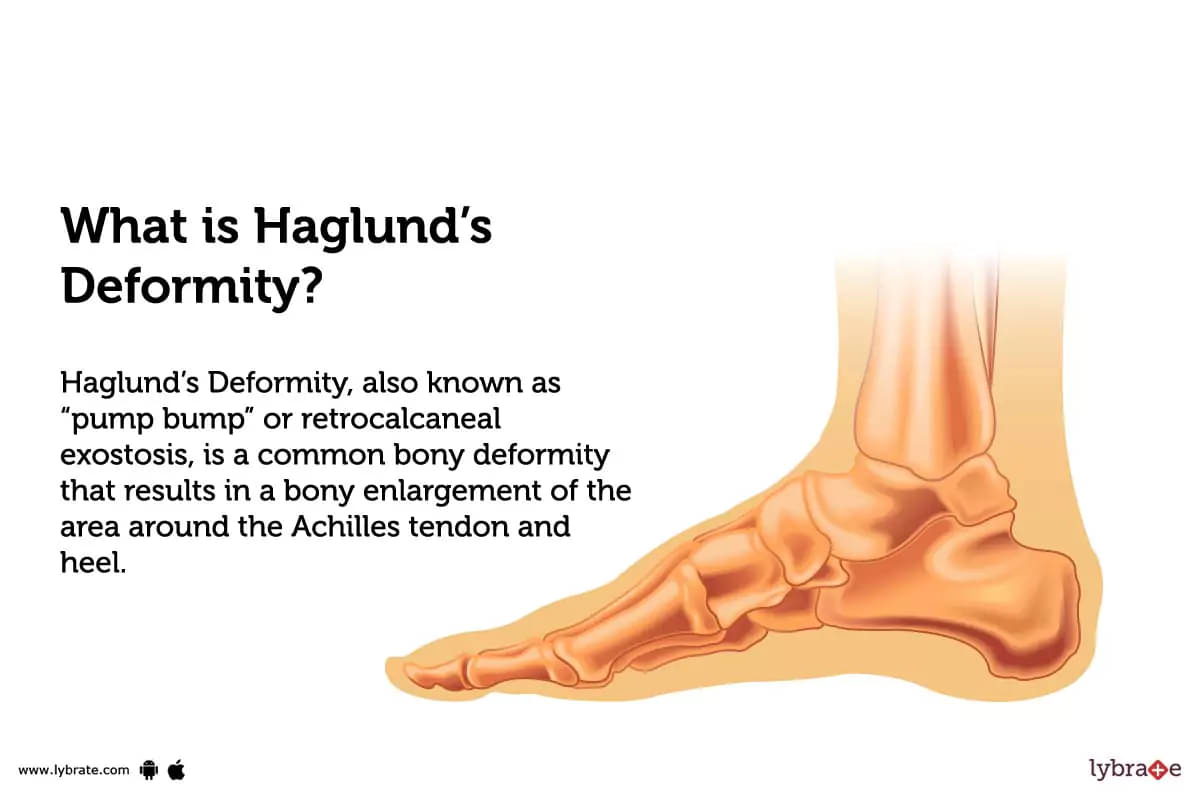
Haglund’s deformity, often colloquially referred to as “pump bump,” is a bony enlargement on the back of the heel. While traditionally viewed through a purely clinical lens, the modern understanding of what causes this condition has been radically transformed by advancements in technology. From high-resolution imaging and AI-driven gait analysis to the material science of performance footwear, the “cause” of Haglund’s deformity is now understood as a complex intersection of biological predispositions and technological stressors.
By analyzing Haglund’s deformity through the prism of biomechanical engineering and diagnostic technology, we can better understand why certain individuals develop this painful protrusion and how modern innovation is working to mitigate these factors.
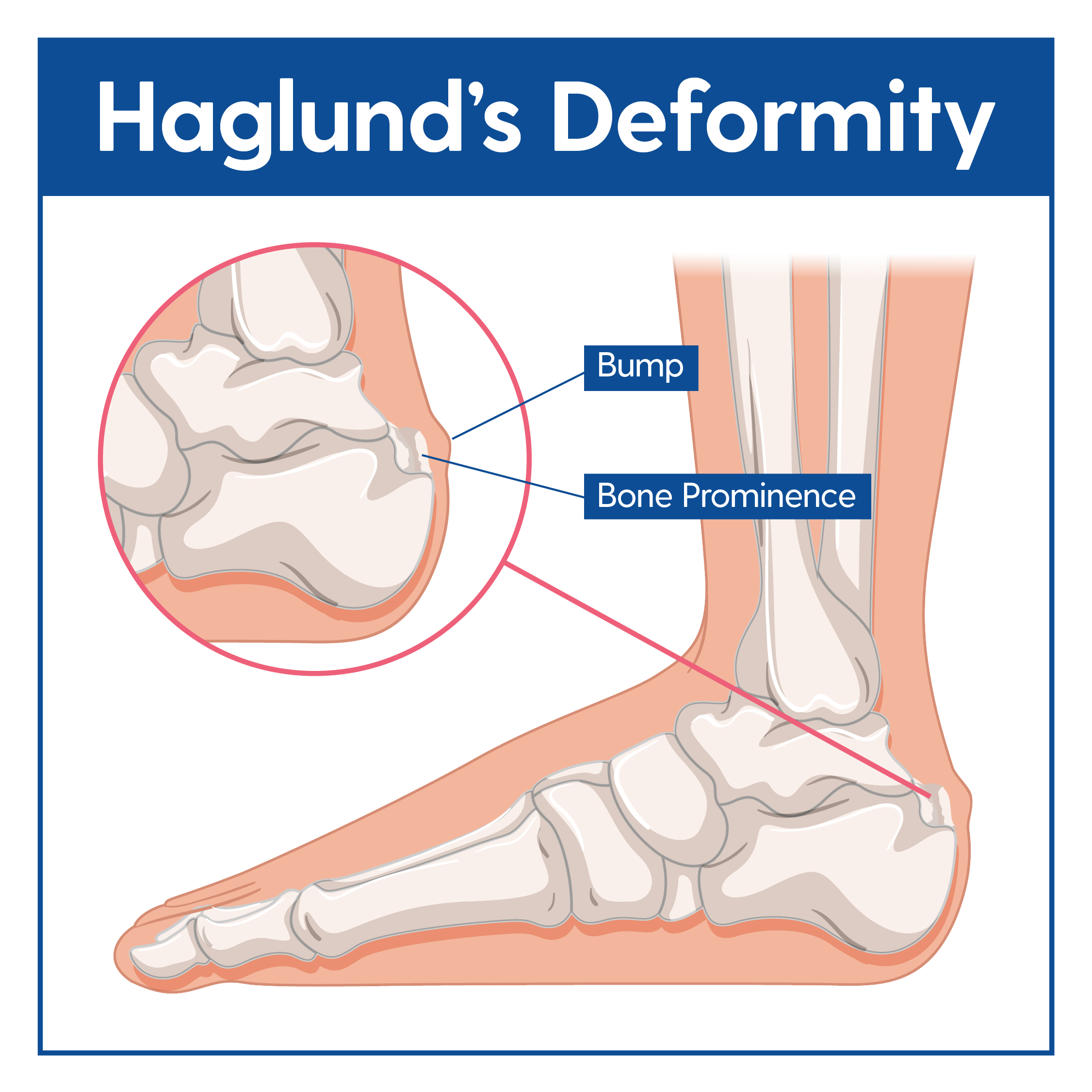
1. Decoding the Mechanical Genesis: AI-Driven Biomechanics and Footwear Tech
The fundamental cause of Haglund’s deformity is persistent friction and pressure on the posterior calcaneus (heel bone). However, identifying the specific mechanical triggers requires more than a simple physical exam. Today, specialized software and AI-driven gait analysis are providing deeper insights into the specific foot mechanics that lead to this bone overgrowth.
The Role of Digital Gait Analysis
Modern biomechanical labs utilize high-speed cameras and pressure-sensitive mats to create a digital twin of a patient’s stride. This technology has revealed that “over-supination”—where the foot rolls outward—is a primary mechanical cause of Haglund’s deformity. By using AI to analyze thousands of data points per second, researchers can see how the heel bone tilts, causing the outer edge of the heel to rub against the back of the shoe. This technological insight allows for a precise understanding of how structural anomalies like high arches contribute to the development of the “bump.”
Material Science and Footwear Engineering
Interestingly, the technology used in footwear manufacturing is often a double-edged sword. While advanced materials provide support, the “tech” behind rigid-backed shoes—such as high-end dress shoes, ice skates, and stiff running sneakers—is a major environmental cause of Haglund’s deformity. The “heel counter,” the stiff plastic or composite insert at the back of a shoe designed to provide stability, creates a micro-environment of intense friction. When the rigid tech of the shoe meets the soft tissue and bone of a heel prone to supination, the body responds by building more bone (the deformity) and a protective fluid sac (bursitis).
Predictive Modeling in Athletic Performance
Wearable sensors and IoT-enabled insoles are now being used by elite athletes to predict the onset of Haglund’s deformity before symptoms become chronic. These devices track “heel strike” impact and pressure distribution. If the data shows a consistent deviation or localized pressure point on the posterior heel, trainers can intervene with customized orthotics designed through CAD/CAM (Computer-Aided Design and Manufacturing) technology to redistribute force.
2. Diagnostic Frontiers: Imaging Technology and 3D Modeling
Historically, Haglund’s deformity was diagnosed via a standard X-ray. However, the limitation of 2D imaging meant that doctors often missed the “why” behind the condition. The integration of advanced imaging technology has shifted the focus from merely identifying the bump to understanding the soft tissue involvement and the specific geometry of the calcaneus.
High-Resolution MRI and Soft Tissue Contrast
One of the primary causes of pain in Haglund’s is not the bone itself, but the inflammation of the retrocalcaneal bursa—a small fluid-filled sac between the bone and the Achilles tendon. Advanced MRI technology with high-field strength (3.0 Tesla) allows clinicians to visualize the precise level of bursal thickening and tendon degeneration. This level of tech-driven detail is crucial because it helps distinguish between a simple bone spur and Haglund’s syndrome, which involves a triad of bony enlargement, bursitis, and Achilles tendinopathy.
3.0D Weight-Bearing CT Scans
The emergence of Weight-Bearing Computed Tomography (WBCT) has been a game-changer in identifying the causes of Haglund’s deformity. Traditional CT scans are performed with the patient lying down, which does not reflect the foot’s shape under the stress of body weight. WBCT technology captures 3D images while the patient is standing, providing a realistic view of how the heel bone interacts with the surrounding joints and footwear. This technology has proven that “calcaneal pitch”—the angle at which the heel bone sits—is a significant hereditary cause that can only be accurately measured in a weight-bearing state.

Automated Measurement Software
Radiologists now use automated software tools to measure angles like the Fowler-Philip angle and the Chauveaux-Liet angle. These software tools remove human error from the diagnostic process, providing a standardized metric to determine if a patient’s bone structure is technologically “at risk.” By quantifying these angles through digital overlays, surgeons can plan corrections with sub-millimeter precision, ensuring that the root cause—the abnormal bone shape—is addressed effectively.
3. The Tech-Driven Preventive Ecosystem: Orthotics and Wearables
When it comes to preventing the progression of Haglund’s deformity, technology has moved far beyond simple foam inserts. The cause of the deformity—mechanical irritation—can now be neutralized through highly customized technological interventions.
3D Printing and Custom Orthotics
The most significant advancement in non-surgical management is the use of 3D printing. Traditional plaster casting for orthotics was often inaccurate. Current tech involves high-resolution 3D laser scanning of the foot. This scan is converted into a digital model, where software “adds” a protective pocket or “heel lift” specifically designed to offload the posterior calcaneus. These orthotics are then 3D-printed using polymers with varying degrees of flexibility, allowing for a device that is rigid where support is needed and soft where the Haglund’s bump is located.
Haptic Feedback and Biofeedback Apps
New wearable tech is being developed to change the way people walk, addressing the “gait” cause of Haglund’s deformity. Smart socks equipped with textile sensors can detect if a wearer is putting too much pressure on the back of their heel. These sensors sync with a smartphone app, providing haptic feedback (a small vibration) or an audio cue to alert the user to adjust their stride. This “retraining” of the nervous system via technology addresses the behavioral causes of the condition, offering a preventative measure that was previously impossible.
Smart Footwear Materials
The next generation of footwear tech is experimenting with “memory materials” and adaptive fabrics. Some high-tech footwear brands are developing heel counters that use heat-molding technology. When the shoe is worn, the body heat of the user allows the back of the shoe to mold perfectly to the shape of the Haglund’s bump, eliminating the friction that causes further bone growth. This “smart fit” tech represents a proactive approach to footwear-induced foot pathologies.
4. Surgical Tech and the Future of Haglund’s Correction
When conservative measures fail, the cause of Haglund’s deformity—the physical bone protrusion—must be surgically removed. The technology used in these procedures has evolved from invasive open surgeries to high-tech, minimally invasive techniques that prioritize rapid recovery and structural integrity.
Endoscopic Calcaneoplasty
The move toward minimally invasive surgery is driven by endoscopic technology. Instead of a large incision that can damage the Achilles tendon, surgeons now use a small “stab” incision and a high-definition fiber-optic camera (an endoscope). This tech allows the surgeon to visualize the Haglund’s deformity on a 4K monitor while using specialized micro-shaving tools to remove the excess bone. This reduces the risk of post-operative complications, which were once a major deterrent for patients.
Ultrasonic Bone Debridement
One of the most exciting innovations in Haglund’s treatment is the use of ultrasonic bone-cutting technology, such as the Piezosurgery system. Unlike traditional oscillating saws, ultrasonic tools use micro-vibrations to cut through hard bone while leaving soft tissues (like the Achilles tendon) completely unharmed. This selective cutting technology addresses the surgical “cause” of many complications—tendon damage—by providing a level of safety and precision that manual tools cannot match.
Robotic-Assisted Planning and Execution
The future of Haglund’s correction lies in robotic-assisted surgery. By integrating pre-operative 3D CT scans with robotic arms, surgeons can map out the exact amount of bone to be removed to normalize the Fowler-Philip angle without compromising the strength of the heel. This data-driven approach ensures that the “cause” of the deformity is eliminated with mathematical certainty, reducing the likelihood of recurrence and optimizing the mechanical function of the foot for years to come.
Through the integration of AI, advanced imaging, and robotic precision, the medical community is no longer just treating a “bump on the heel.” We are diagnosing and correcting a complex biomechanical failure, driven by the very technologies that define modern life. As footwear and diagnostic tech continue to evolve, our ability to understand and eliminate the causes of Haglund’s deformity will only become more refined.
aViewFromTheCave is a participant in the Amazon Services LLC Associates Program, an affiliate advertising program designed to provide a means for sites to earn advertising fees by advertising and linking to Amazon.com. Amazon, the Amazon logo, AmazonSupply, and the AmazonSupply logo are trademarks of Amazon.com, Inc. or its affiliates. As an Amazon Associate we earn affiliate commissions from qualifying purchases.