
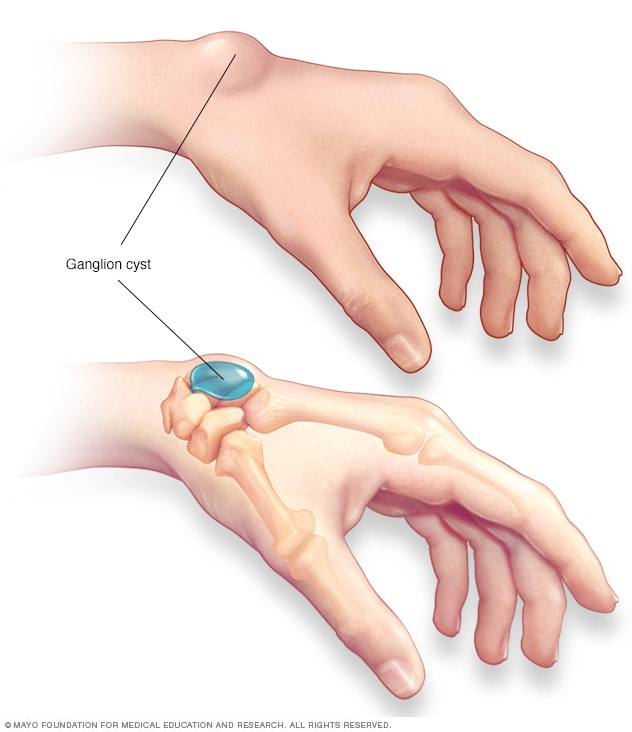
The intersection of human biology and modern technology has created a unique set of physiological challenges. Among the most common yet misunderstood ailments affecting the modern workforce is the ganglion cyst. Historically, these “Bible bumps” were attributed to mysterious joint trauma, but in the era of high-frequency typing, precision mouse work, and constant mobile device interaction, the tech industry has seen a significant uptick in these occurrences. While the medical community identifies the physical cause as a leakage of synovial fluid, the catalyst in a professional context is often rooted in the hardware and software workflows we inhabit.

Understanding what causes ganglion cysts in the wrist requires a deep dive into the ergonomics of the digital age, the failure of standard hardware design, and the emerging technological solutions designed to mitigate these risks.
Understanding the Biomechanical Impact of Modern Tech Habits
In the tech sector, the wrist is the primary interface between human intent and digital execution. Whether you are coding a backend infrastructure, designing a UI in Figma, or managing high-frequency trading accounts, your wrists are under constant mechanical load.
Repetitive Strain Injury (RSI) in the Age of Constant Connectivity
The primary driver behind tech-induced ganglion cysts is Repetitive Strain Injury (RSI). Unlike acute injuries, RSIs are the result of thousands of micro-movements performed daily. When a developer types at 80 words per minute for eight hours a day, the tendons in the wrist are in a state of perpetual friction. This friction can lead to irritation of the tendon sheath or the joint capsule.
A ganglion cyst forms when this irritation causes the synovial fluid—the lubricant for your joints—to leak out and form a sac. In the context of technology professionals, the repetitive nature of clicking and scrolling creates a “one-way valve” effect, where fluid is pumped into the cyst during movement but cannot easily return to the joint, causing the lump to grow and harden.
The Mechanics of the Wrist Under Pressure
Standard typing positions often involve “ulnar deviation,” where the wrists are bent outward toward the pinky finger to accommodate a straight keyboard. This posture places immense pressure on the carpal bones. Furthermore, “wrist extension”—the act of tilting the hand upward to reach a mouse or keyboard—compresses the dorsal aspect of the wrist.
This compression is a leading environmental cause of ganglion cysts. Tech workers who use laptops exclusively are at the highest risk, as the integrated trackpad and shallow-travel keys force the wrist into an unnatural, cramped position for extended periods, disrupting the natural flow of synovial fluid.
Beyond the Keyboard: Hardware Design and Wrist Pathologies
If the cause of ganglion cysts is mechanical stress, then the hardware we use is the primary stressor. The tech industry has spent decades prioritizing aesthetics and portability over physiological health, leading to a “design debt” that users pay for with their physical well-being.
The Role of Non-Ergonomic Peripherals
The “magic” mice and slim keyboards that dominate modern offices are often the worst offenders for wrist health. A flat mouse requires the user to maintain a “pronated” position (palm flat against the desk). This position crosses the two bones of the forearm (the radius and ulna), which increases pressure within the wrist joint.
When the joint is under constant pressure, the likelihood of a synovial leak increases. Professional gamers and software engineers, who use high-DPI mice requiring minute, tensed movements, often report higher incidences of dorsal ganglion cysts. The lack of support for the palm means the wrist must act as the pivot point for all movement, absorbing the kinetic energy that should be distributed across the forearm.
Mobile Devices and the “Texting Thumb” Connection
While we often focus on the desk setup, the proliferation of large-screen smartphones has introduced new stressors. Reaching for the top corners of a 6.7-inch display with one hand puts the wrist in a state of extreme hyper-extension. This “Tech Neck” for the wrist isn’t just a matter of discomfort; it creates a structural environment where the joint capsule is stretched thin. Many professionals now find cysts developing on the volar (palm-side) of the wrist, often linked to the way they grip and balance mobile devices during long commutes or mobile-based work sessions.
Tech Solutions for Management and Prevention
As the tech industry acknowledges the “occupational hazards” of the digital workspace, a new wave of preventative technology is emerging. If the cause is tech-driven, the solution must be tech-integrated.
Ergonomic Hardware Innovations
The rise of the “split keyboard” and the “vertical mouse” represents a significant shift in hardware philosophy. Vertical mice allow the hand to rest in a “handshake” position, which uncrosses the forearm bones and significantly reduces the internal pressure on the wrist joint. By minimizing the pressure on the joint capsule, these devices effectively remove the mechanical catalyst for ganglion cyst formation.
Furthermore, mechanical keyboards with “hot-swappable” switches allow users to choose lighter actuation forces. Reducing the amount of force required to register a keystroke minimizes the impact on the tendons, thereby reducing the inflammation that leads to fluid leakage.
Wearable Health Tech and Real-Time Biofeedback
The next frontier in preventing wrist pathologies is wearable technology. We are seeing the development of “smart sleeves” and wristbands equipped with electromyography (EMG) sensors. These devices monitor muscle tension and wrist angle in real-time.
When the software detects that a user has been in a high-strain position for too long, or that their muscles are showing signs of fatigue that lead to “heavy-handed” typing, it sends a haptic alert or a notification to the desktop. This data-driven approach allows tech professionals to intervene before a ganglion cyst has the chance to form, moving from reactive treatment to proactive prevention.
The Role of AI and Digital Imaging in Modern Diagnosis
When a ganglion cyst does occur, technology is playing an increasingly vital role in how we diagnose and manage the condition without resorting to invasive traditional methods.
Automated Detection through Computer Vision
Recent advancements in AI-driven medical imaging are making it easier to differentiate between a simple ganglion cyst and more complex wrist issues like tenosynovitis or carpal bossing. AI algorithms, trained on thousands of MRI and ultrasound scans, can now identify the precise “stalk” of a ganglion cyst—the point where it connects to the joint.
For the tech-savvy patient, this means more accurate diagnostics through digital platforms. Some startups are even exploring the use of smartphone-based infrared scanning to monitor the size and vascularity of a cyst over time, allowing users to track whether their new ergonomic setup is actually helping the cyst to resolve naturally.
Telemedicine and Remote Monitoring
The shift toward remote work has been mirrored by a shift toward remote healthcare. Tele-rehabilitation platforms now allow workers to consult with ergonomic specialists who use software to analyze the user’s workstation via webcam. By mapping the angles of the elbow, shoulder, and wrist, these platforms can pinpoint the exact workflow habit causing the cyst. This holistic “tech-stack” approach to health ensures that the root cause—poor workstation geometry—is addressed alongside the physical symptom.

Conclusion: Balancing Productivity and Physiology
What causes ganglion cysts in the wrist? In the professional tech world, the answer is a combination of repetitive micro-trauma, suboptimal hardware design, and a lack of ergonomic awareness. However, the same industry that created these challenges is now providing the tools to solve them.
By transitioning to ergonomic hardware, utilizing wearable biofeedback, and leveraging AI-enhanced diagnostics, professionals can protect their most important tools: their hands. As we continue to push the boundaries of what software and AI can achieve, we must ensure that the hardware and habits we use to build that future do not come at the cost of our physical integrity. The goal is a seamless integration of tech and body, where productivity no longer requires a compromise on health.
aViewFromTheCave is a participant in the Amazon Services LLC Associates Program, an affiliate advertising program designed to provide a means for sites to earn advertising fees by advertising and linking to Amazon.com. Amazon, the Amazon logo, AmazonSupply, and the AmazonSupply logo are trademarks of Amazon.com, Inc. or its affiliates. As an Amazon Associate we earn affiliate commissions from qualifying purchases.