
The ubiquitous smile, a universal symbol of warmth and confidence, often belies a complex interplay of biology, genetics, and environment. For many, this complexity manifests as crowded teeth – a common orthodontic issue that impacts aesthetics, oral hygiene, and overall dental health. While the causes of crowded teeth have historically been attributed to a mix of hereditary factors and environmental influences, the advent of sophisticated technology has not only refined our understanding but also revolutionized how we diagnose, predict, and ultimately address these underlying issues. Today, the question “what causes crowding teeth?” is increasingly answered through the precision of digital diagnostics, the analytical power of artificial intelligence, and the innovation of modern dental tech.
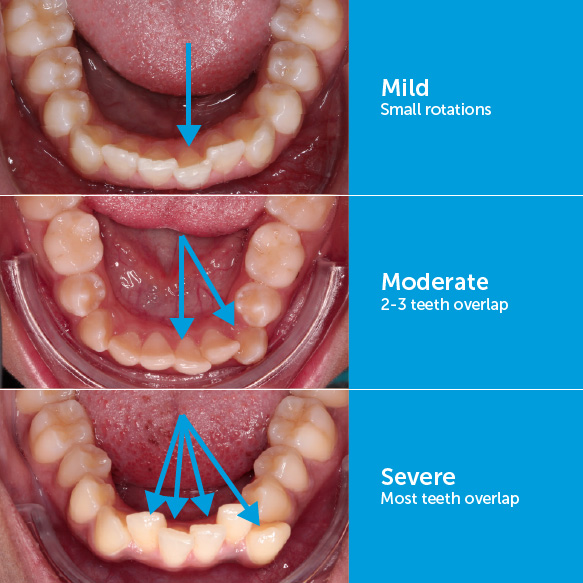
This article delves into the technological advancements that are illuminating the multi-faceted origins of dental crowding. We move beyond simplistic explanations to explore how cutting-edge tools are providing unprecedented insights into skeletal development, soft tissue influences, and the myriad of factors contributing to malocclusion, paving the way for more personalized and effective interventions.
The Evolving Understanding of Crowding: Aided by Digital Diagnostics
Historically, diagnosing the causes of crowded teeth relied heavily on manual examinations, plaster models, and two-dimensional X-rays. While foundational, these methods offered limited scope for understanding the intricate three-dimensional structures of the craniofacial complex. Modern digital diagnostics, however, have ushered in an era of unparalleled precision, allowing orthodontists and researchers to dissect the anatomical and physiological factors contributing to dental crowding with remarkable clarity.
Beyond Simple Genetics: The Role of 3D Imaging and AI in Etiology
While genetics undoubtedly plays a significant role in determining jaw size, tooth size, and their relative proportions, the digital age has allowed us to move beyond a crude understanding of inheritance. Three-dimensional imaging technologies, such as Cone Beam Computed Tomography (CBCT) and intraoral 3D scanners, provide a comprehensive, volumetric view of the patient’s oral cavity and surrounding structures. These images reveal not just the alignment of teeth, but the true dimensions of the alveolar bone, the morphology of the palate, and the intricate relationships between the upper and lower jaws.
When coupled with artificial intelligence (AI) algorithms, these 3D datasets become powerful diagnostic tools. AI can analyze thousands of patient scans, identifying subtle patterns and correlations that human eyes might miss. It can detect early signs of mandibular retrognathism (a recessed lower jaw) or maxillary hypoplasia (underdevelopment of the upper jaw) – common skeletal discrepancies that directly lead to crowding. This allows for a more nuanced understanding of how specific genetic predispositions manifest structurally, moving us beyond “bad genes” to pinpointing precise anatomical deviations.
Digital Jaw Scans and Craniofacial Analysis: Pinpointing Discrepancies
Intraoral scanners, which create highly accurate digital impressions of teeth and gums in minutes, have replaced traditional messy plaster molds. These digital models are not merely static representations; they are dynamic datasets that can be manipulated, measured, and analyzed with specialized software. Orthodontic planning software can overlay these digital models with CBCT scans, providing a holistic view of dental and skeletal relationships.
This integration allows for sophisticated craniofacial analysis, where precise measurements of bone angles, jaw lengths, and facial proportions can be automatically calculated and compared against normative databases. For example, a common cause of crowding is a discrepancy between the size of the teeth and the size of the jaw. Digital analysis can accurately quantify this “tooth-to-jaw size mismatch,” identifying whether the issue stems from abnormally large teeth, an underdeveloped jaw, or a combination of both. Furthermore, the ability to visualize the airway in CBCT scans has highlighted a previously underappreciated cause: restricted airways due to conditions like adenoid hypertrophy or chronic mouth breathing, which can influence jaw growth and tongue posture, indirectly leading to crowding.
Software for Growth Prediction: Anticipating Future Crowding
One of the most exciting frontiers in understanding and preventing crowded teeth is the development of growth prediction software. Leveraging AI and machine learning, these platforms analyze a patient’s current skeletal maturity, dental development stage, and historical growth patterns to forecast future craniofacial growth. By inputting factors like age, sex, and ethnic background, alongside current digital imaging data, the software can project how jaws are likely to grow and how teeth will erupt over time.
This predictive capability is invaluable, particularly in early interceptive orthodontics. If the software predicts insufficient space for erupting permanent teeth, orthodontists can intervene proactively. This might involve early expansion protocols, guided eruption, or other treatments aimed at preventing crowding before it fully manifests, thereby simplifying future treatment and potentially avoiding more invasive procedures like extractions. The accuracy of these predictions continues to improve as AI models are fed larger and more diverse datasets, offering a glimpse into a future where orthodontic problems are not just treated but effectively anticipated and preempted.
Technological Innovations in Identifying Contributing Factors
Beyond core skeletal and dental discrepancies, various environmental and habitual factors contribute to crowded teeth. Modern technology is now enabling a deeper dive into these complex interactions, providing real-time data and comprehensive analyses that were previously impossible.
Wearable Tech and Sensor Integration: Monitoring Oral Habits
Oral habits such as thumb sucking, prolonged pacifier use, tongue thrusting, and mouth breathing are well-known contributors to malocclusion and subsequent crowding. Traditionally, identifying and quantifying these habits relied on parental observation and subjective reporting, which can be inconsistent. Now, wearable technology and integrated sensors are beginning to offer objective data.
For instance, smart pacifiers or orthodontic appliances embedded with tiny sensors can monitor the frequency and intensity of sucking habits. Similarly, intraoral sensors or even smart toothbrushes are being explored to detect tongue thrusting patterns or persistent mouth breathing. This real-time data provides orthodontists with a more accurate picture of a patient’s oral environment, allowing for targeted habit correction strategies. By understanding the true duration and force exerted by these habits, interventions can be tailored to the individual, directly addressing a primary cause of crowding and preventing its progression.
Genetic Sequencing and Bioinformatics: Unraveling Hereditary Predispositions
While 3D imaging reveals the macroscopic effects of genetics, advancements in genetic sequencing and bioinformatics are allowing us to explore the microscopic, molecular underpinnings of crowding. Researchers are actively identifying specific genes or genetic markers associated with variations in jaw size, tooth development, and susceptibility to certain malocclusions.
Bioinformatics plays a crucial role here, as it involves the computational analysis of vast biological datasets. By comparing the genetic profiles of individuals with and without crowded teeth, bioinformatics tools can pinpoint genetic variations that influence factors like bone density, growth hormone regulation, or even the eruption timing of teeth. While still largely in the research phase, the long-term potential of this technology is immense. Imagine a future where a simple genetic test could predict an individual’s likelihood of developing crowding, allowing for truly personalized preventive strategies even before the first permanent tooth erupts. This proactive approach could fundamentally alter the landscape of orthodontic care.
AI-Powered Data Analysis: Correlating Lifestyle and Environmental Factors

The causes of crowded teeth are rarely monolithic; they often involve a complex interplay of multiple factors. AI-powered data analysis platforms are uniquely positioned to process and identify correlations within these vast, multi-factorial datasets. By integrating patient demographic information, lifestyle habits (e.g., diet, posture), medical history, digital imaging data, and even environmental exposures, AI can identify patterns and risk factors that might escape traditional analysis.
For example, AI could potentially identify links between certain dietary patterns in early childhood and mandibular development, or correlate specific environmental pollutants with changes in craniofacial growth. This holistic analytical capability allows for a much richer understanding of how various non-genetic factors contribute to crowding. As these systems learn from more data, they can develop highly predictive models, helping orthodontists understand which patients are most at risk and which lifestyle modifications or early interventions might be most impactful in preventing the development or worsening of crowded teeth.
Tech-Driven Solutions and Preventative Strategies
Understanding the causes is only the first step; translating that understanding into effective prevention and treatment is where technological innovation truly shines. Modern orthodontics is increasingly leveraging tech to create highly personalized, efficient, and patient-friendly solutions.
Smart Orthodontic Appliances: Personalized Treatment Paths
Gone are the days of one-size-fits-all braces. Today, smart orthodontic appliances, often designed with the aid of AI, offer highly customized treatment paths. Clear aligner technology, for instance, relies on sophisticated 3D scanning and planning software to create a series of custom-made, removable aligners. AI algorithms optimize the movement sequence, predicting the forces needed to achieve ideal tooth positioning and minimize crowding.
Furthermore, custom-made brackets and wires, fabricated using robotic technology, are gaining traction. These systems use patient-specific data to create appliances precisely tailored to each tooth, reducing treatment time and improving outcomes. Some innovative appliances even incorporate sensors to monitor compliance or apply specific forces based on real-time feedback, making the treatment process more efficient and predictable. These smart solutions directly address the specific causes of crowding identified through digital diagnostics, whether it’s insufficient arch length or particular tooth rotations.
Virtual Reality and Augmented Reality for Patient Education and Compliance
A significant challenge in orthodontic treatment is patient compliance, particularly among younger patients. Understanding the “why” behind their crowded teeth and the “how” of their treatment can dramatically improve adherence. Virtual Reality (VR) and Augmented Reality (AR) technologies are transforming patient education and engagement.
VR applications can immerse patients in a virtual representation of their own mouths, illustrating the effects of crowding and demonstrating how their customized appliance will correct the issue. They can “see” their future smile before treatment even begins, fostering motivation. AR, on the other hand, can overlay digital information onto the real world. Imagine an orthodontist using an AR app to show a patient, in real-time, how a habit appliance will influence their jaw growth or how specific tooth movements will unfold. These interactive tools enhance comprehension, making the complex science of orthodontic etiology more accessible and empowering patients to become active participants in their treatment journey, directly impacting outcomes related to preventing or correcting crowded teeth.
Teledentistry and Remote Monitoring: Expanding Access to Early Intervention
Access to specialized orthodontic care can be a barrier for many, delaying intervention and potentially worsening crowding. Teledentistry and remote monitoring technologies are democratizing access and enabling timely, proactive care. Patients can undergo initial virtual consultations, share digital images and scans, and receive preliminary assessments without the need for an in-person visit.
Once treatment begins, remote monitoring systems allow orthodontists to track patient progress and compliance from a distance. Patients might use smartphone apps to send regular photos of their teeth, which are then analyzed by AI or reviewed by their orthodontist. This enables early detection of issues, timely adjustments, and consistent guidance, which is crucial for treatments targeting the causes of crowding. For instance, if an expander isn’t being worn correctly, or if teeth aren’t tracking as planned with aligners, remote monitoring can identify the problem quickly, allowing for immediate course correction. This expanded access to care means that more individuals can benefit from early interventions that address the root causes of crowding before they become severe, potentially reducing the need for extensive treatment later on.
The Future of Orthodontics: Predictive and Personalized
The trajectory of technological advancement points towards an orthodontic future that is not just reactive but profoundly predictive and personalized. The goal is to move beyond simply correcting crowded teeth to truly understanding, anticipating, and preventing their formation, leveraging the full power of digital innovation.
AI-Driven Treatment Planning and Outcome Simulation
The future will see AI playing an even more central role in treatment planning. Current systems already assist, but future AI will integrate even more data points – genetic predispositions, growth predictions, lifestyle factors, and detailed biomechanical analyses – to generate optimal, personalized treatment plans with astonishing accuracy. These AI platforms will not only propose a single treatment path but simulate multiple scenarios, showcasing potential outcomes with varying compliance levels or different appliance choices. This allows both the orthodontist and patient to make highly informed decisions based on robust, data-driven projections, directly targeting the identified causes of crowding with maximal efficacy.
Robotics in Orthodontic Procedures
Robotics, already making inroads in various surgical fields, is poised to transform orthodontic procedures. Imagine robotic systems capable of precisely bonding brackets, placing aligner attachments, or even performing minor surgical interventions like frenectomies (which can impact jaw development) with microscopic accuracy. These robots, guided by pre-programmed digital treatment plans, could reduce human error, enhance consistency, and potentially shorten procedure times. While fully autonomous orthodontic treatment is a distant prospect, robot-assisted procedures could significantly refine the application of forces to address specific causes of crowding, leading to more predictable and efficient tooth movement.
Integrating IoT for Continuous Oral Health Management
The Internet of Things (IoT) holds the promise of connecting various smart dental devices and sensors into a comprehensive ecosystem for continuous oral health management. Smart toothbrushes could monitor oral hygiene and plaque buildup, influencing gum health which in turn can affect tooth stability. Intraoral sensors could track masticatory forces, tongue pressure, and even subtle changes in bite. All this data, collected passively and continuously, could feed into an AI-powered personal oral health dashboard. This dashboard would alert users and their orthodontists to emerging issues, potential crowding risks, or even signs of regression, allowing for immediate preventive action. This integrated approach, focused on real-time data and proactive intervention, represents the ultimate frontier in understanding and preventing crowded teeth by managing all contributing factors dynamically.
Conclusion
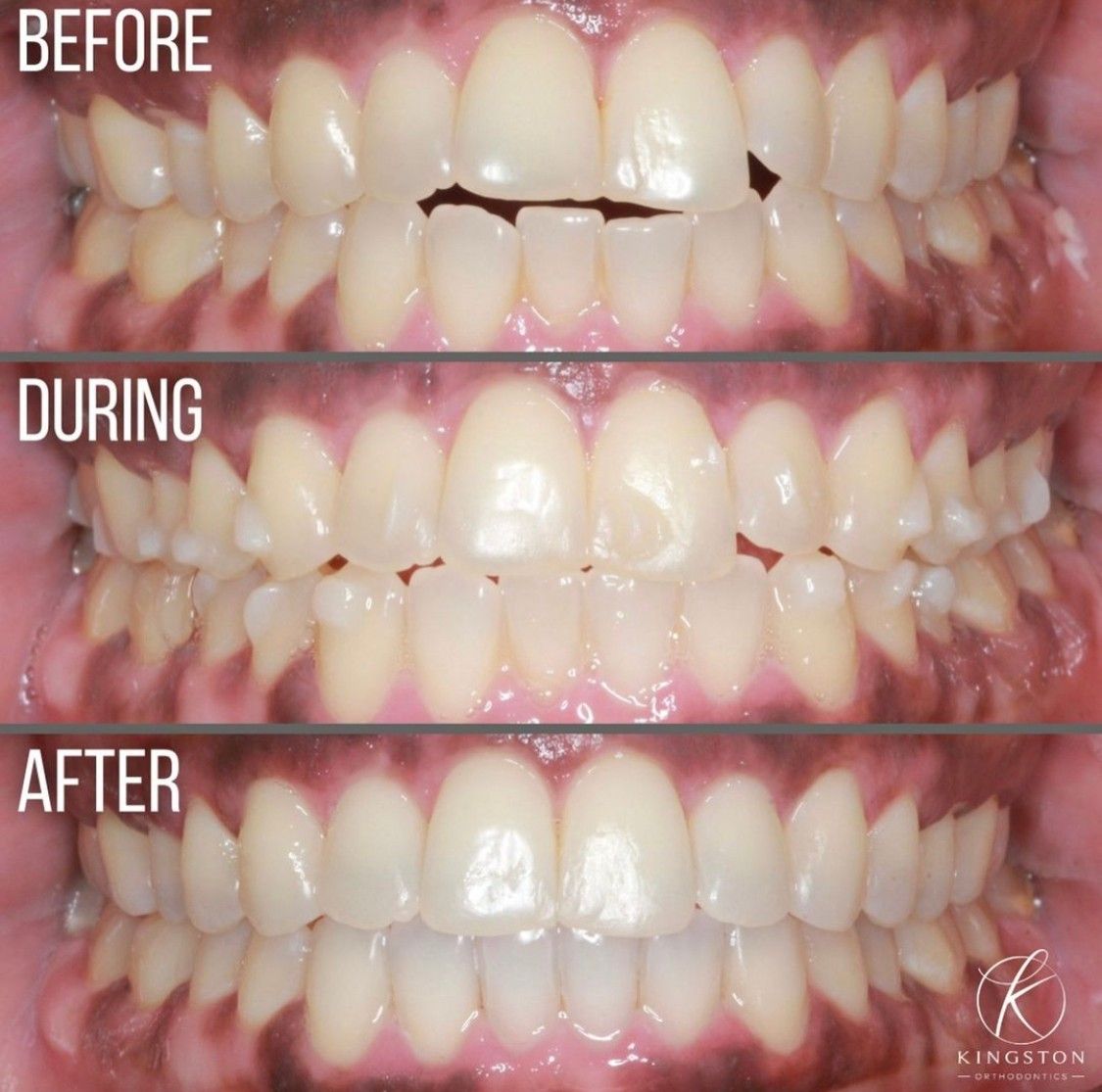
The question “what causes crowding teeth?” is no longer a rhetorical one but an invitation into a world transformed by technology. From sophisticated 3D imaging that unravels skeletal mysteries to AI-driven analytics that connect subtle habits with long-term malocclusion, technology has fundamentally changed our ability to diagnose, understand, and predict the origins of dental crowding. The integration of smart appliances, VR/AR, teledentistry, and the promise of robotics and IoT heralds an era of orthodontics that is precise, personalized, and profoundly proactive. As these technological frontiers continue to expand, we move closer to a future where crowded teeth are not merely corrected after the fact, but understood, anticipated, and often prevented, fostering healthier, more confident smiles for generations to come.
aViewFromTheCave is a participant in the Amazon Services LLC Associates Program, an affiliate advertising program designed to provide a means for sites to earn advertising fees by advertising and linking to Amazon.com. Amazon, the Amazon logo, AmazonSupply, and the AmazonSupply logo are trademarks of Amazon.com, Inc. or its affiliates. As an Amazon Associate we earn affiliate commissions from qualifying purchases.