
A misfire is a frustrating and often concerning symptom in any internal combustion engine. It’s that noticeable hesitation, stumble, or even complete loss of power that signals something is fundamentally wrong with the combustion process in one or more cylinders. Understanding the root causes of a misfire is crucial, not just for immediate diagnosis and repair, but also for maintaining the long-term health and efficiency of your vehicle’s sophisticated technological systems. In the realm of automotive technology, a misfire is a clear indicator that a component within the complex interplay of fuel delivery, ignition, and air intake is not performing its duty as intended.

The Ignition System: The Spark of Life
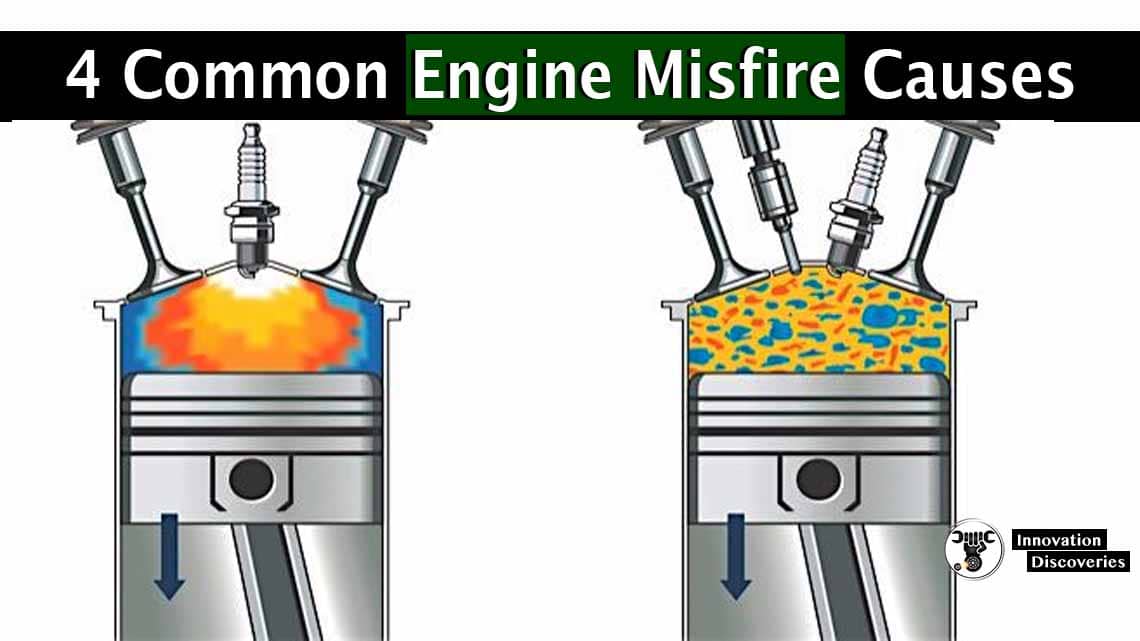
The ignition system is arguably the most direct culprit when it comes to misfires. It’s responsible for creating the precisely timed spark that ignites the air-fuel mixture in each cylinder, initiating the power stroke. If this spark is weak, mistimed, or entirely absent, combustion will fail, resulting in a misfire.
Spark Plugs: The Tiny, Yet Mighty Igniters
Spark plugs are the frontline soldiers of the ignition system. They are subjected to extreme heat, pressure, and chemical attack within the combustion chamber. Over time, their electrodes can wear down, become fouled with carbon deposits, or develop cracks in their ceramic insulators.
- Worn Electrodes: As the gap between the center and ground electrodes widens due to erosion, the voltage required to jump the gap increases. In an older or weaker ignition system, this voltage might not be sufficient to create a strong enough spark, especially under load or at higher RPMs.
- Fouling: Carbon, oil, or fuel deposits can accumulate on the spark plug electrodes, creating an electrical path that bypasses the gap. This “shorts out” the spark, preventing it from igniting the fuel.
- Cracked Insulators: A damaged ceramic insulator can allow the high voltage to leak to the engine block instead of reaching the electrodes, again preventing a spark.
- Incorrect Heat Range: Spark plugs are designed with specific “heat ranges” to operate optimally at different engine temperatures. If the wrong heat range is installed, the plug can either overheat and foul quickly or not get hot enough to burn off deposits, leading to misfires.
Ignition Coils: The Voltage Multipliers
Modern vehicles utilize individual ignition coils for each spark plug (coil-on-plug systems) or sometimes a coil pack that fires multiple plugs. These coils are essentially transformers that step up the battery’s 12-volt current to tens of thousands of volts, necessary to create a robust spark.
- Internal Coil Failure: Like any electronic component, ignition coils can fail internally due to heat, vibration, or manufacturing defects. This can result in a weak spark or no spark at all from a particular cylinder.
- Faulty Coil Connectors: The electrical connectors that supply power to the ignition coils can become corroded, loose, or damaged, interrupting the flow of electricity and causing a misfire.
- Driver Module Issues: In some systems, a separate engine control module (ECM) or ignition control module (ICM) is responsible for signaling the coils when to fire. If this module malfunctions, it can send incorrect signals or no signals at all, leading to misfires.
Spark Plug Wires (Older Vehicles): The Conductors of Energy
While less common in newer vehicles, older cars rely on spark plug wires to carry the high voltage from the ignition coil or distributor to the spark plugs.
- Degradation and Resistance: Over time, the insulation on spark plug wires can crack, fray, or become brittle, exposing the conductive core. This can lead to voltage leakage to ground or increased resistance, weakening the spark.
- Internal Breakage: The conductive core of the wire can also break internally due to vibration or flexing, interrupting the flow of electricity.
- Loose Connections: Similar to coil connectors, the boots at either end of the spark plug wires can become loose or damaged, preventing a proper connection to the spark plug or coil.
The Fuel System: Delivering the Correct Mixture
For combustion to occur, a precise amount of fuel must be mixed with the incoming air. The fuel system is responsible for delivering this fuel at the correct pressure and in the proper atomized state. Failures within this system can starve a cylinder of fuel, leading to a misfire.
Fuel Injectors: The Precision Sprayers
Fuel injectors are electronically controlled valves that spray atomized fuel into the intake manifold or directly into the combustion chamber. Their precision is paramount for optimal combustion.
- Clogged Injectors: Over time, deposits from fuel additives, dirt, or internal injector wear can partially or completely block the tiny nozzles of a fuel injector. This restricts fuel flow to that cylinder, causing it to run lean and misfire.
- Leaking Injectors: Conversely, a worn or damaged injector seal can allow fuel to drip into the cylinder when it’s not supposed to. This can lead to an overly rich mixture, poor atomization, and misfires, particularly on startup.
- Electrical Malfunctions: The solenoid within the fuel injector can fail, preventing it from opening or closing properly. This is often caused by internal electrical issues or problems with the injector’s wiring harness.
- Dirty or Damaged Spray Pattern: Even if an injector is opening and closing, its internal components can become fouled, leading to an irregular spray pattern. Instead of a fine mist, the fuel might be delivered in streams or droplets, which don’t combust efficiently.
Fuel Pump and Fuel Pressure: The Driving Force
The fuel pump is responsible for drawing fuel from the tank and delivering it to the injectors at the correct pressure.
- Weak Fuel Pump: If the fuel pump is weakening, it may not be able to supply sufficient fuel pressure to all cylinders, especially under high demand. This can result in a general lack of power and misfires, often more noticeable during acceleration.
- Faulty Fuel Pressure Regulator: This component maintains the correct fuel pressure in the system. If it fails, it can cause either too high or too low fuel pressure, both of which can lead to combustion issues and misfires.
- Clogged Fuel Filter: The fuel filter prevents debris from entering the fuel injectors. A clogged filter restricts fuel flow, similar to a weak fuel pump, and can cause a noticeable drop in power and misfires.
The Air Intake and Engine Mechanical Systems: The Breath and Foundation of Combustion
While ignition and fuel are the most common culprits, issues with air intake and the fundamental mechanical integrity of the engine can also lead to misfires.
Air Intake and Vacuum Leaks: Disrupting the Mixture
The precise air-fuel ratio is critical for efficient combustion. Any unmetered air entering the intake system after the mass airflow sensor can disrupt this ratio.
- Vacuum Hoses: Cracked, disconnected, or deteriorated vacuum hoses are a common source of vacuum leaks. These allow ambient air to enter the intake manifold, leaning out the fuel mixture in the affected cylinders.
- Intake Manifold Gaskets: The gaskets sealing the intake manifold to the cylinder head can degrade over time, leading to leaks.
- Throttle Body and Idle Air Control Valve (IACV): Leaks around the throttle body or a malfunctioning IACV can also introduce unmetered air.
- PCV Valve Issues: The Positive Crankcase Ventilation (PCV) valve regulates the flow of crankcase vapors. If it becomes stuck open or closed, it can create excessive vacuum or an air leak.
Engine Mechanical Issues: The Core of the Problem
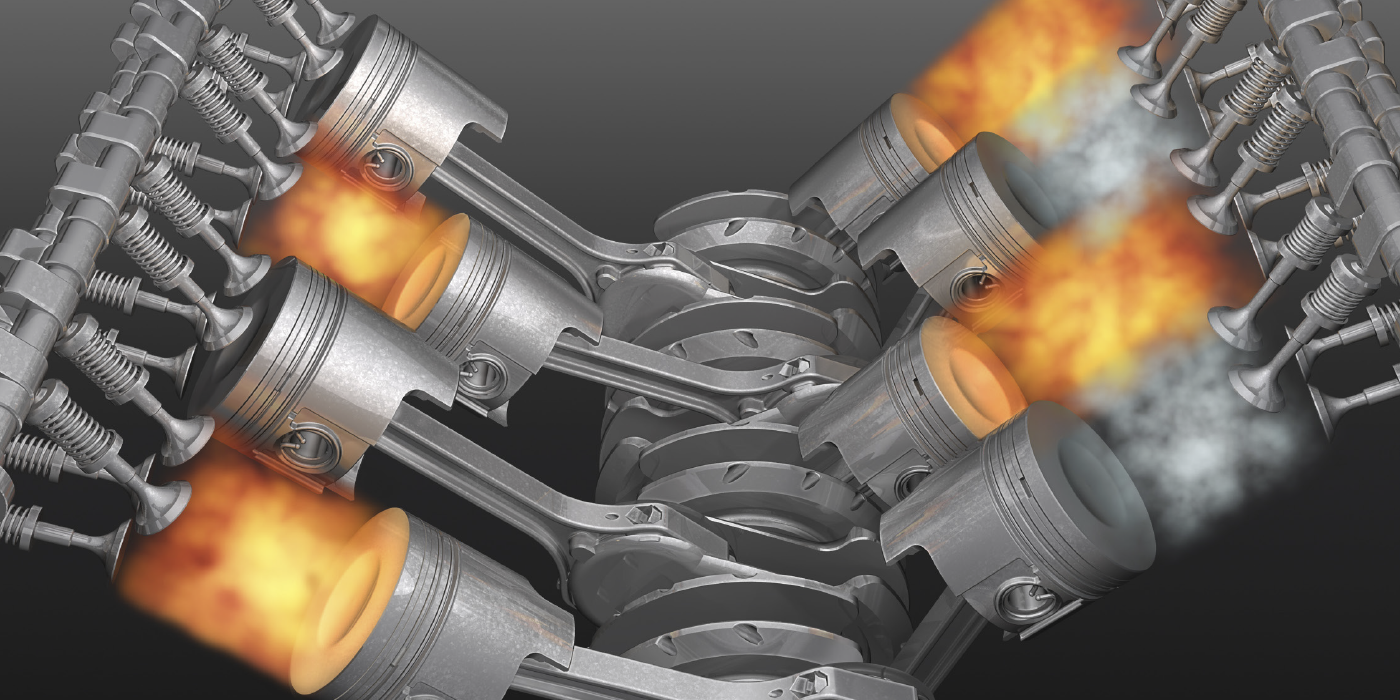
In more severe cases, misfires can be a symptom of underlying mechanical problems within the engine itself. These are often more serious and expensive to repair.
- Low Compression: This is a fundamental indicator that a cylinder is not sealing properly, preventing it from compressing the air-fuel mixture effectively. Causes include:
- Worn Piston Rings: Rings that have lost their tension or are damaged can allow combustion gases to escape past the piston into the crankcase.
- Damaged Valves: Bent, burnt, or improperly seated valves will not seal correctly against their respective seats in the cylinder head, allowing compression to escape.
- Blown Head Gasket: A damaged head gasket can allow compression to leak between cylinders or into the cooling system or oil passages.
- Timing Issues: The engine’s camshaft and crankshaft must be synchronized perfectly for the valves to open and close at the correct times relative to piston position.
- Stretched or Broken Timing Belt/Chain: If the timing belt or chain stretches or breaks, the camshaft and crankshaft will fall out of sync, leading to improper valve timing and severe engine damage, often accompanied by misfires.
- Faulty Camshaft or Crankshaft Position Sensors: These sensors provide crucial timing information to the ECM. If they fail, the ECM can lose track of engine timing, resulting in misfires.
- Cylinder Head Issues: Cracks in the cylinder head itself can lead to compression loss and coolant or oil leaks into the combustion chamber, all of which can cause misfires.
Diagnosing a misfire requires a systematic approach, often involving specialized diagnostic tools like an OBD-II scanner to read trouble codes. However, understanding the fundamental principles of combustion and the components involved – ignition, fuel, air intake, and mechanical integrity – is the first step towards identifying and resolving this common, yet critical, engine malfunction. Addressing misfires promptly not only restores smooth engine operation but also prevents potential damage to catalytic converters and other emission control systems, ensuring your vehicle’s performance and longevity.
aViewFromTheCave is a participant in the Amazon Services LLC Associates Program, an affiliate advertising program designed to provide a means for sites to earn advertising fees by advertising and linking to Amazon.com. Amazon, the Amazon logo, AmazonSupply, and the AmazonSupply logo are trademarks of Amazon.com, Inc. or its affiliates. As an Amazon Associate we earn affiliate commissions from qualifying purchases.