
The ubiquitous squeal of a belt, often dismissed as a minor nuisance, is in fact a critical diagnostic indicator within the complex ecosystems of modern machinery, gadgets, and industrial automation. Far from a simple sound, it signals underlying mechanical stress, impending failure, or operational inefficiency in a system reliant on power transmission and synchronized movement. Understanding the root causes of this distinct auditory warning is paramount for ensuring the longevity, performance, and safety of a vast array of technological applications, from sophisticated robotics to intricate consumer electronics and critical automotive systems.
The Anatomy of a Squeal: Understanding the Core Problem
At its heart, a squealing belt is a cry for attention from a system where frictional forces are not operating as intended. Belts are fundamental components in countless technological setups, designed to transfer power efficiently and reliably between various pulleys and components. When this transfer becomes inefficient or unstable, the resulting vibration and high-frequency friction manifest as a characteristic squeal.
The Role of Belts in Modern Machinery
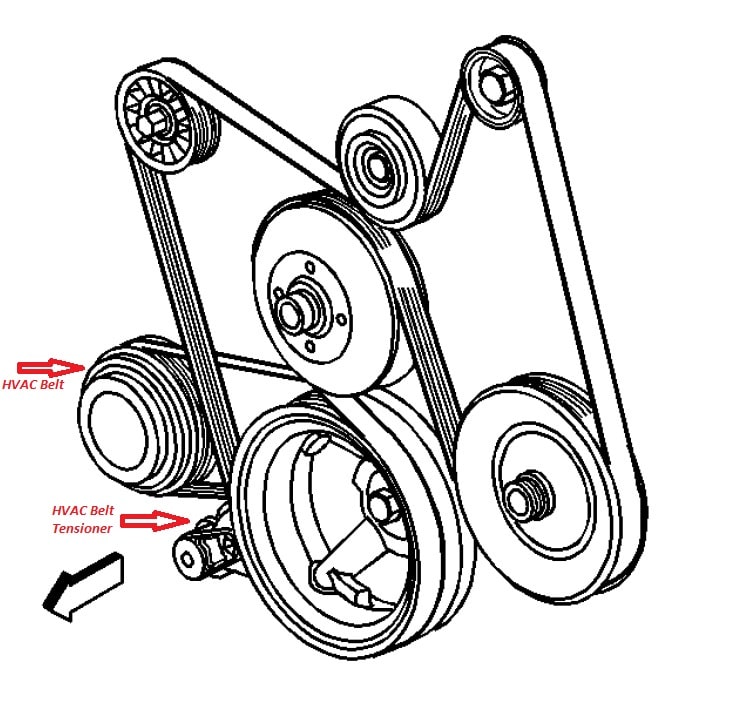
In a technological context, belts serve multiple critical functions. They can synchronize motion (timing belts in precision robotics or 3D printers), transmit power (serpentine belts in advanced vehicle powertrains, conveyor belts in automated factories), or drive accessories (HVAC systems, alternators, power steering pumps in complex machinery). Their design involves specific material compositions, profiles, and tension parameters optimized for their particular application. The integrity of these parameters directly influences operational stability and noise output.
Friction, Tension, and Resonance
The genesis of a belt squeal typically lies in the dynamic interplay of friction, tension, and resonance. Belts rely on a specific coefficient of friction between their material and the pulley surface to grip and transmit power.
- Insufficient friction can occur due to contamination (oil, grease, coolant), glazing of the belt surface, or incorrect belt material for the application. When friction is compromised, the belt slips against the pulley, generating heat and the high-pitched sound.
- Tension is equally critical. A belt that is too loose will slip, especially under load, causing squealing. Conversely, a belt that is excessively tight can strain bearings in pulleys and idlers, leading to premature component failure and often an initial whine that can degrade into a squeal as components wear.
- Resonance can also play a role. When frictional vibrations occur at a frequency that matches the natural resonant frequency of the belt system or an adjacent component, the sound can amplify significantly, producing a louder, more persistent squeal.
Common Culprits: Diagnosing the Squealing Belt
Pinpointing the exact cause of a squealing belt requires a systematic diagnostic approach, often leveraging both traditional inspection methods and modern sensor-based analytics. The issues generally fall into several distinct categories.
Wear and Tear: The Ageing Component
Over time, belts are subjected to constant friction, heat cycles, and mechanical stress, leading to material degradation.
- Cracking and Fraying: The rubber or composite material of the belt can develop visible cracks on its surface or edges, indicating a loss of elasticity and structural integrity. Fraying suggests the belt is rubbing against an obstruction or its edges are deteriorating.
- Glazing: The belt’s contact surface can become smooth and shiny, or “glazed,” due to prolonged heat and friction. This hardened surface significantly reduces the coefficient of friction, leading to slippage and squealing, particularly when wet or under heavy load.
- Stretching: Belts can stretch slightly over their operational lifespan, leading to reduced tension and subsequent slippage. While some systems incorporate automatic tensioners, excessive stretching can exceed their compensatory range.
Misalignment: A Silent Killer
One of the less obvious but highly damaging causes of belt squeal is misalignment. When pulleys are not perfectly aligned with each other, the belt is forced to twist or run at an angle, creating uneven wear and stress.
- Angular Misalignment: The faces of the pulleys are not parallel.
- Parallel Misalignment: The pulleys are offset from each other along their axes.
- Axial Misalignment: One pulley is tilted relative to the other.
Misalignment causes the belt to ride unevenly on the pulley grooves, generating excessive friction at the belt edges or sides, leading to premature wear, heat buildup, and a persistent squeal. Advanced laser alignment tools are often used in industrial settings to detect and correct even minute misalignments.
Incorrect Tension: Too Loose, Too Tight
As previously mentioned, maintaining optimal belt tension is crucial.
- Under-tensioning: A loose belt cannot transmit full power and will slip, especially when the load increases. This slippage is a primary cause of squealing and can rapidly glaze the belt surface.
- Over-tensioning: While seemingly a way to prevent slippage, excessive tension puts immense strain on the belt material, stretching it prematurely, and critically, overstressing the bearings within the pulleys and idlers. This leads to accelerated bearing wear, which can produce a groaning or grinding noise that may evolve into a squeal as components degrade. Modern systems often integrate digital tension meters or load cells for precise tension validation.
Contamination: The Unexpected Intruders
The operational environment plays a significant role in belt performance.
- Fluids: Oil, grease, coolant, or even water can reduce the friction between the belt and pulley surfaces, causing slippage and squealing. This is often noticeable after driving through puddles or if there’s a fluid leak in the system.
- Debris: Small stones, dirt, or other foreign particles can lodge in the belt grooves or between the belt and pulley, creating localized points of friction and noise. This can also lead to pitting on the pulley surfaces.
Component Failure: Pulleys and Bearings
The belt itself is only one part of the system. The health of the components it interacts with is equally vital.
- Worn Pulleys: Pulleys can become worn, grooved, or corroded over time. Grooves might become too deep or too shallow, altering the belt’s seating and friction characteristics. Pitting or surface imperfections on the pulley can also create noise.
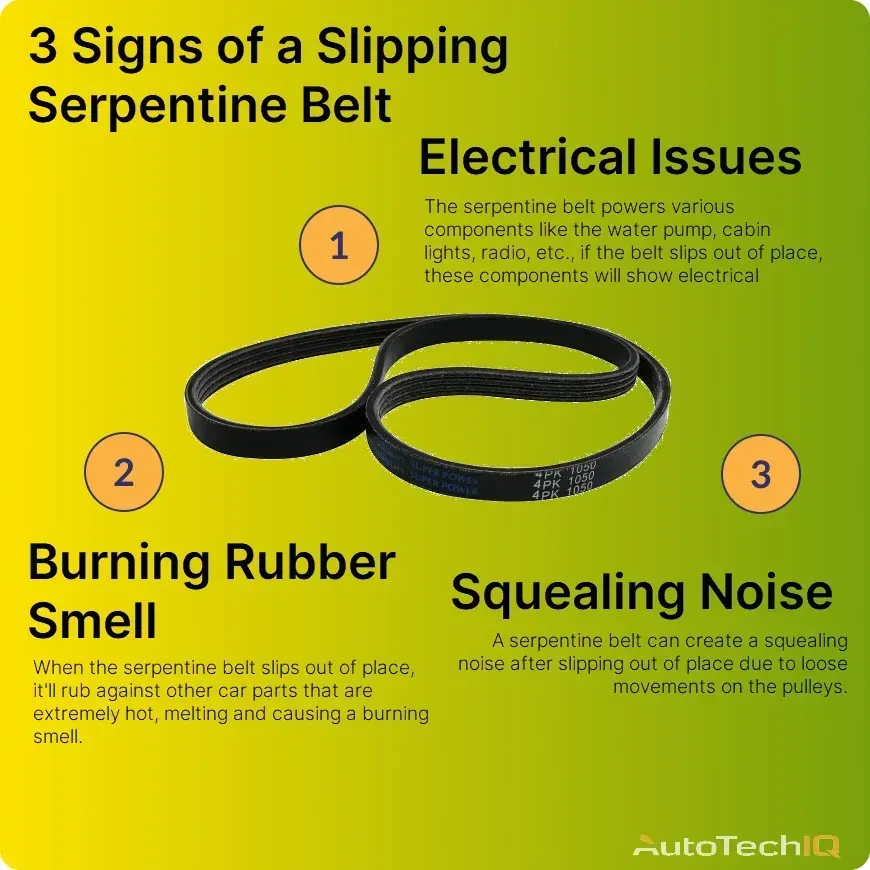
- Failing Bearings: Each pulley and idler in a belt system contains bearings to allow smooth rotation. When these bearings start to fail due to age, lack of lubrication, or excessive tension, they can produce a grinding or whining noise. This noise can sometimes be mistaken for a belt squeal or can exacerbate belt slippage if the pulley starts to seize or rotate unevenly, putting additional stress on the belt.
Tech-Driven Solutions: Preventing and Mitigating Belt Squeal
Modern technology offers sophisticated approaches to not only diagnose but also prevent belt squeal, enhancing reliability and efficiency across various applications.
Advanced Diagnostics: Sensors and Predictive Maintenance
The integration of smart sensors into mechanical systems is revolutionizing maintenance protocols.
- Vibration Sensors: Accelerometers and vibration sensors can detect abnormal vibrational patterns indicative of belt slippage, misalignment, or failing bearings long before a noticeable squeal develops.
- Acoustic Sensors: High-frequency microphones can pick up subtle sounds that suggest impending issues, feeding data into AI-driven analytics platforms for pattern recognition and anomaly detection.
- Load and Tension Sensors: Real-time monitoring of belt tension and the load being transmitted can provide immediate feedback if parameters deviate from optimal ranges, allowing for proactive adjustments.
These sensor arrays enable predictive maintenance strategies, scheduling interventions based on actual component health rather than fixed intervals, significantly reducing unscheduled downtime and catastrophic failures.
Material Innovations: The Next Generation of Belts
Advancements in material science are leading to the development of belts with superior performance characteristics.
- Enhanced Composites: New polymer and rubber compounds offer improved resistance to heat, oil, and abrasion, extending belt lifespan and maintaining consistent friction properties.
- Texturized Surfaces: Belts with specially designed surface textures or coatings can enhance grip and reduce slippage even in challenging conditions.
- Self-Lubricating Materials: Some advanced belts incorporate self-lubricating properties or special fibers that reduce friction and wear between the belt and pulley, contributing to quieter operation and increased durability.
Smart Tensioning Systems
The era of manual, periodic belt tension checks is slowly yielding to more intelligent solutions.
- Automatic Tensioners: While common, modern automatic tensioners are becoming more sophisticated, with spring-loaded or hydraulic mechanisms that dynamically adjust tension to compensate for belt stretch and varying loads.
- Electronically Controlled Tensioners: In highly sensitive applications, electronically controlled tensioners can use sensors to continuously monitor and adjust tension, ensuring optimal performance under all operating conditions and virtually eliminating tension-related squeal.
Regular Maintenance and Inspection Protocols
Even with advanced technology, diligent maintenance remains critical. Implementing comprehensive inspection protocols, including visual checks for wear and tear, manual tension checks (where automated systems are not present), and environmental cleanliness, is essential. Leveraging digital checklists and maintenance scheduling software can streamline these processes, ensuring no critical step is missed. Proper cleaning of belts and pulleys to remove contaminants is also a simple yet effective preventative measure.
The Impact of a Squeal: Beyond the Annoyance
A squealing belt is more than just an irritating sound; it’s a symptom with broader implications for the overall health and operational effectiveness of any technological system. Ignoring it can lead to cascading failures and significant operational drawbacks.
Operational Efficiency and Longevity
Slippage due to a squealing belt directly translates to power loss. In applications where precise power transmission is critical, such as industrial robots or CNC machines, this inefficiency can lead to inconsistent output, reduced accuracy, and higher energy consumption. Continuous slippage also generates heat, which accelerates the degradation of both the belt and surrounding components, drastically shortening their lifespan and necessitating more frequent, costly replacements.
Safety Considerations
In certain heavy machinery or high-speed applications, a failing belt can pose serious safety risks. A belt that suddenly snaps or detaches can cause severe damage to the machine, propel debris at high velocities, or lead to a loss of critical function (e.g., power steering in a vehicle, or an emergency stop mechanism in factory equipment), potentially endangering operators or other personnel. The initial squeal is often the earliest warning sign before such a critical failure.

Cost Implications
The cumulative costs associated with a squealing belt extend beyond the immediate annoyance. These include:
- Replacement Costs: Frequent replacement of belts, pulleys, and bearings due to premature wear.
- Downtime Costs: Lost productivity and revenue due from unscheduled maintenance and repairs. In industrial settings, this can run into thousands of dollars per hour.
- Energy Costs: Increased energy consumption due to inefficient power transfer.
- Secondary Damage: Potential for more extensive damage to other parts of the system if a component fails catastrophically.
By understanding the diverse causes of belt squeal and embracing modern diagnostic and preventative technologies, engineers and technicians can ensure smoother, more reliable, and ultimately more cost-effective operation of the intricate technological systems that underpin our modern world.
aViewFromTheCave is a participant in the Amazon Services LLC Associates Program, an affiliate advertising program designed to provide a means for sites to earn advertising fees by advertising and linking to Amazon.com. Amazon, the Amazon logo, AmazonSupply, and the AmazonSupply logo are trademarks of Amazon.com, Inc. or its affiliates. As an Amazon Associate we earn affiliate commissions from qualifying purchases.