
The Israeli-Palestinian conflict is one of the most enduring and complex geopolitical struggles of our time, often simplified into territorial disputes or religious differences. However, a deeper, more nuanced understanding reveals that a significant, often overlooked, driver of this conflict lies in the clash of deeply entrenched, competing national “brands” and the relentless battle for narrative supremacy. From this perspective, the “causes” are not merely historical events or political decisions, but rather the strategic construction and projection of national identities, values, and aspirations that frequently contradict and delegitimize the other.
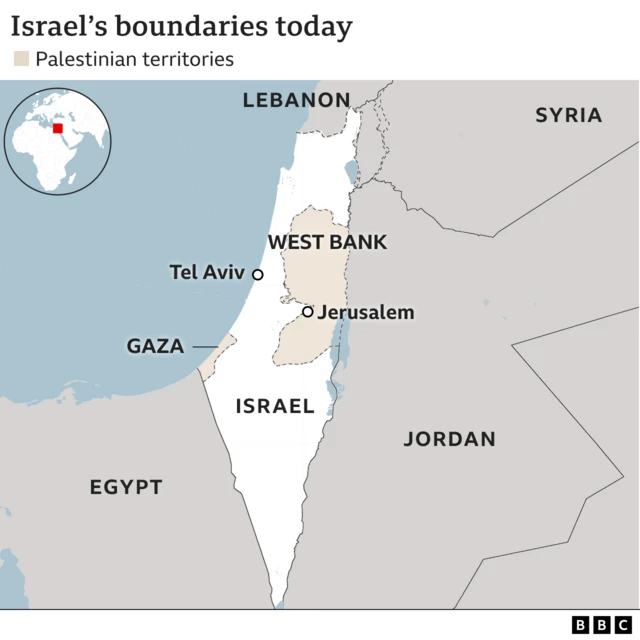
This article dissects the Palestinian-Israeli conflict through the lens of brand strategy, examining how distinct national brands have been forged, fiercely defended, and strategically marketed both internally and externally. We will explore how these conflicting narratives, the struggle for global brand legitimacy, and the failure to reconcile divergent identities contribute fundamentally to the ongoing strife, presenting a unique framework for understanding its origins and persistence.
The Genesis of Conflicting National Brands
At the heart of the Israeli-Palestinian conflict lies the emergence of two powerful, yet largely incompatible, national brands each asserting exclusive rights and historical legitimacy over the same territory. These brands are not just flags and anthems; they are intricate tapestries woven from history, memory, suffering, aspiration, and deeply held beliefs, meticulously crafted to define a people and their place in the world.
Zionism and the “Return to Homeland” Brand Narrative
The Zionist movement, which gave birth to the state of Israel, articulated a powerful and compelling brand narrative centered on the “return to homeland.” This brand was meticulously constructed around several core pillars:
- Historical and Spiritual Reclamation: The brand positioned the land of Israel (Eretz Israel) as the ancestral and spiritual homeland of the Jewish people, a claim rooted in millennia of religious texts, historical connection, and cultural memory. This narrative emphasized a continuous Jewish presence in the land, despite periods of exile.
- Necessity for Self-Determination and Security: The brand promised a safe haven for Jews globally, a response to centuries of persecution and, tragically, the Holocaust. It projected Israel as the ultimate guarantor of Jewish survival and the embodiment of Jewish self-determination after two millennia of statelessness. This formed a crucial “unique selling proposition” for the nascent state.
- Pioneer Spirit and Innovation: Early Zionist branding often highlighted themes of pioneering, making the desert bloom, and building a modern, democratic state against all odds. This “startup nation” ethos, even before the term existed, contributed to a brand image of resilience, ingenuity, and progress.
This “Return to Homeland” brand resonated strongly with global Jewry and garnered significant international sympathy, providing a powerful legitimizing narrative for the establishment of the state in 1948. Its emotional appeal, backed by historical claims and the urgency of post-Holocaust trauma, became the cornerstone of Israel’s foundational brand identity.
Palestinian Identity and the “Indigenous Resistance” Brand Narrative
Concurrently, and often in direct response to the Zionist narrative, a distinct and equally powerful Palestinian national brand emerged, centered on “indigenous resistance” and “dispossession.” This brand narrative was forged through the experience of displacement and the assertion of continuous presence and ownership of the land.
- Indigeneity and Continuous Presence: The Palestinian brand emphasizes an unbroken lineage of inhabitants on the land, portraying Palestinians as the indigenous people dispossessed from their homes and farms. This narrative asserts a deep, generational connection to the land, predating the modern Zionist movement.
- Resistance to Occupation and Displacement: A central tenet of the Palestinian brand is the narrative of resistance against occupation, displacement, and the struggle for self-determination. It positions Palestinians as a people fighting for their rights, land, and identity against a powerful occupying force.
- Cultural Heritage and Identity Preservation: The Palestinian brand heavily leverages its rich cultural heritage – cuisine, music, art, and traditions – as markers of a distinct national identity that must be preserved and celebrated, often in the face of perceived erasure. Palestinian cities like Jerusalem, Hebron, and Nazareth are branded as integral to this identity.
The “Indigenous Resistance” brand galvanizes Palestinian aspirations for statehood and self-determination, while also seeking to elicit international solidarity based on principles of justice, human rights, and the right of return for refugees. This brand narrative is crucial for maintaining internal cohesion and projecting a consistent image to the international community.
The Battle for Global Brand Legitimacy
Once established, these competing national brands entered a relentless contest for global legitimacy. This struggle is fought on multiple fronts, employing sophisticated public diplomacy, strategic communication, and increasingly, digital warfare, all aimed at shaping international perception and garnering support.
Crafting International Perception: Public Diplomacy as Nation Branding
Both Israelis and Palestinians engage in extensive nation branding efforts, using public diplomacy to influence global opinion. This involves a coordinated strategy to convey their core narratives to governments, international organizations, media, and the public worldwide.
- Israeli Public Diplomacy: Israel’s branding strategy often highlights its democratic values, its role as a technological innovator (“Startup Nation”), its commitment to Western ideals, and its security challenges in a hostile region. Campaigns often emphasize shared values with Western nations, cultural exchange programs, and humanitarian aid efforts to present a modern, vibrant, and resilient nation. The goal is to solidify its image as a legitimate, sovereign state with a right to defend itself and a positive contribution to make globally.
- Palestinian Public Diplomacy: Palestinian efforts focus on humanizing their struggle, showcasing the impact of occupation, emphasizing international law, and highlighting the desire for peace and justice. This includes leveraging cultural events, academic discourse, and grassroots activism to tell their story. The objective is to secure recognition of their statehood, rally support for their right to self-determination, and challenge the legitimacy of Israeli policies through an appeal to universal human rights.
This ongoing “marketing” of national identities is a critical component of the conflict, as international recognition, aid, and political support are heavily influenced by which brand narrative gains traction and credibility.
Digital Frontlines: Social Media and the War of Narratives
The advent of digital media has transformed the battle for brand legitimacy, turning social media platforms into crucial frontlines in the narrative war. Both sides now engage in real-time, high-stakes communication to shape perceptions, counter opposing narratives, and mobilize public sentiment.
- Rapid Dissemination and Counter-Narratives: Social media allows for instantaneous sharing of images, videos, and testimonies, creating powerful emotional connections. Both Israeli and Palestinian advocates use platforms like Twitter, Instagram, and TikTok to disseminate their messages directly, bypassing traditional media filters. This enables rapid responses to events, challenging dominant narratives and offering alternative perspectives.
- Influencer Marketing and Grassroots Advocacy: From official government accounts to individual activists, both sides cultivate “influencers” and grassroots movements to amplify their brand messages. These efforts aim to make national narratives relatable and shareable, reaching diverse audiences globally and fostering a sense of solidarity.
- Misinformation, Disinformation, and Brand Erosion: The digital space is also ripe for misinformation and disinformation, which can quickly erode trust and polarize audiences. Both sides accuse the other of manipulating information, leading to a constant struggle to control the narrative and protect their national brand from reputational damage. The rapid spread of emotionally charged content can further entrench existing biases and make dialogue even more challenging.
The digital arena has intensified the conflict by democratizing the ability to publish and consume information, making the battle for hearts and minds a constant, pervasive element of the struggle.

The Economic and Cultural Dimensions of Brand Conflict
The clash of national brands extends beyond political and diplomatic spheres, profoundly impacting the economic viability and cultural heritage of both peoples. The conflict’s persistent nature has created a feedback loop where brand perceptions directly influence economic opportunities and the ability to preserve cultural assets.
Impact on Economic Brand Value: Tourism, Investment, and Sanctions
A nation’s “brand” significantly influences its economic prospects. For both Israel and Palestine, the ongoing conflict acts as a persistent negative brand association, deterring critical economic activity.
- Deterrence of Tourism: Both regions possess immense historical and religious significance, attracting millions of potential tourists. However, the recurring cycles of violence and political instability act as a major deterrent, damaging the “tourism brand” of both destinations. Perceptions of insecurity lead to travel advisories and a reluctance by international operators to invest in and market tours, despite the rich cultural offerings.
- Hindrance to Foreign Investment: The political risk associated with the conflict makes both regions less attractive for foreign direct investment (FDI). Investors are wary of instability, potential disruptions to supply chains, and the long-term viability of ventures in a conflict zone. This particularly impacts the Palestinian economy, which struggles to attract the necessary capital for development and job creation, thereby perpetuating economic hardship that can, in turn, fuel dissatisfaction.
- Sanctions and Boycotts: The brand conflict also manifests in calls for economic boycotts (e.g., the BDS movement against Israel) or sanctions, which aim to put economic pressure on one side to change policies. These actions, whether successful or not, contribute to a negative economic brand perception, affecting trade relations and international partnerships.
The perpetual state of conflict thus hinders the economic branding efforts of both entities, preventing them from fully leveraging their potential on the global economic stage.
Cultural Heritage as a Brand Asset and Point of Contention
Cultural heritage is a potent “brand asset” for any nation, embodying its history, values, and identity. In the Israeli-Palestinian context, shared and contested heritage sites become central to the brand conflict, often serving as flashpoints.
- Exclusive Claims to Shared Heritage: Many sites, such as Jerusalem’s Old City, Hebron’s Cave of the Patriarchs, or various archaeological locations, hold profound religious and historical significance for both Jews and Palestinians. Both national brands often lay exclusive claim to these sites, using them to reinforce their narratives of ancient lineage and ownership. This “exclusive branding” of heritage fuels resentment and makes shared stewardship incredibly challenging.
- Cultural Preservation and Narrative Control: Efforts to preserve and present cultural heritage often become battlegrounds for narrative control. Museum exhibitions, archaeological digs, and educational curricula are all used to reinforce one’s own national brand while potentially marginalizing or omitting the other’s narrative, leading to accusations of cultural appropriation or erasure.
- Branding of Everyday Culture: Even everyday cultural elements, from traditional dress to culinary dishes, can become “branded” as exclusively belonging to one national identity, sparking debates and reinforcing the notion of distinct, often opposing, cultural brands.
The weaponization of cultural heritage as a brand asset intensifies the conflict, transforming what could be sources of shared human experience into symbols of division and contestation.
The Challenge of Co-Existence: Reconciling Divergent Brands
The enduring nature of the conflict highlights the profound challenge of reconciling two powerful, deeply embedded national brands that have largely developed in opposition to each other. Moving forward requires not just political agreements, but a fundamental rethinking of how these national identities are branded and how their narratives might co-exist.
From Zero-Sum Branding to Shared Narratives
The current framework often operates on a “zero-sum branding” principle, where the strength and legitimacy of one national brand are perceived to diminish the other. A crucial step towards resolution involves exploring avenues for “shared narratives” or at least mutually respectful, distinct narratives within a shared space.
- Acknowledging Dual Narratives: This would entail a brand strategy that recognizes the legitimacy of both Israeli and Palestinian historical connections, narratives of suffering, and aspirations. It doesn’t require agreement on every detail but accepts the authenticity of the other’s lived experience and national story.
- Developing Overlapping Identity Elements: While distinct national brands will likely persist, there could be efforts to identify and promote overlapping identity elements – perhaps shared regional cultural traits, mutual desires for peace and security, or common human values – that can form the basis of a shared future “brand.”
- Focusing on Future-Oriented Branding: Shifting from a backward-looking brand narrative dominated by historical grievances to a forward-looking brand focused on potential co-existence, shared prosperity, and mutual respect could open new pathways for dialogue and reconciliation.
This transformation requires a deliberate effort to reframe national identities not as inherently conflictual, but as co-existing entities that can share a geographical and perhaps even a narrative space.
The Role of Leadership in Brand Reconciliation
The responsibility for navigating this complex brand landscape ultimately rests with leadership. Political, religious, and cultural leaders play a critical role in either entrenching conflicting brands or fostering environments conducive to brand reconciliation.
- Leaders as Brand Custodians: Leaders are the primary custodians of their nation’s brand. Their rhetoric, policies, and actions shape how their national brand is perceived internally and externally. When leaders engage in inflammatory rhetoric or deny the other’s narrative, they reinforce a confrontational brand identity.
- Mediating and Bridging Narratives: Visionary leaders have the opportunity to mediate between competing narratives, finding common ground and validating the experiences of both peoples. This involves crafting new brand messages that acknowledge complexity, offer empathy, and present a path towards a shared, peaceful future.
- Promoting Co-Branding Initiatives: Leaders can support and promote “co-branding” initiatives at grassroots levels, encouraging joint cultural projects, economic partnerships, and educational programs that build bridges between the two societies. These initiatives, while small in scale, can gradually contribute to a new, more integrated regional brand identity.
Ultimately, the ability of leaders to evolve their national branding strategies from one of exclusive dominance to one of shared space and mutual recognition will be paramount in addressing the deep-seated causes of the conflict.
Conclusion
The Palestinian-Israeli conflict, when viewed through the lens of brand strategy, reveals a fundamental struggle rooted in the emergence and persistent clash of two powerful, often mutually exclusive, national brands. The Zionist “Return to Homeland” brand and the Palestinian “Indigenous Resistance” brand, each meticulously constructed from history, memory, and aspiration, have become primary drivers of the conflict. The ongoing battle for global brand legitimacy, waged across diplomatic channels and digital frontlines, further entrenches these divides. Moreover, the negative economic brand associations and the contestation over shared cultural heritage highlight how deeply the brand conflict permeates every aspect of the struggle.
To move beyond this impasse, a critical re-evaluation of national branding strategies is essential. This demands a shift from zero-sum branding to an acknowledgment of dual narratives, the development of overlapping identity elements, and a future-oriented approach to national identity. The leadership on both sides has the profound responsibility to transcend existing brand narratives of exclusion and champion new visions that foster mutual recognition, shared space, and ultimately, a sustainable peace. Understanding the conflict as a battle of brands offers a unique and insightful perspective into its origins and suggests that resolving it will require not just political solutions, but also a profound transformation in how these nations perceive and brand themselves and each other.
aViewFromTheCave is a participant in the Amazon Services LLC Associates Program, an affiliate advertising program designed to provide a means for sites to earn advertising fees by advertising and linking to Amazon.com. Amazon, the Amazon logo, AmazonSupply, and the AmazonSupply logo are trademarks of Amazon.com, Inc. or its affiliates. As an Amazon Associate we earn affiliate commissions from qualifying purchases.