
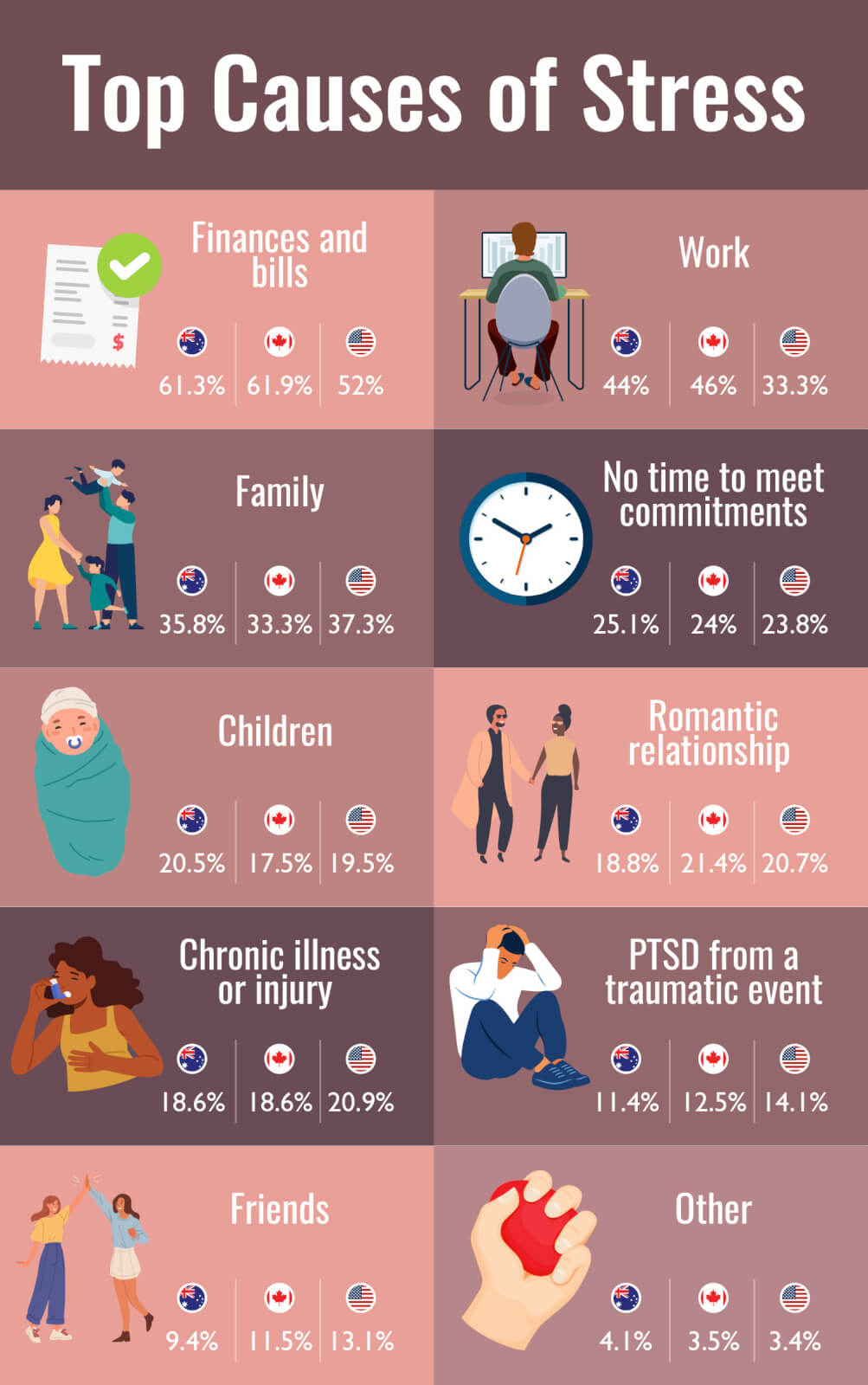
Stress is an undeniable, pervasive force in modern life, touching every individual regardless of their background or circumstances. While its triggers are myriad and multifaceted, ranging from personal relationships to professional pressures, an overwhelming and often underestimated contributor to chronic stress is financial strain. Indeed, the adage “money makes the world go round” might be more accurately rephrased as “money makes the world stressed.” This article delves into the profound connection between financial well-being and mental anguish, exploring the specific monetary factors that sow the seeds of anxiety and how they manifest in our daily lives. From the burden of debt to the uncertainty of income, and the daunting prospect of future planning, understanding the financial roots of stress is the crucial first step toward cultivating resilience and achieving greater peace of mind.
The Pervasive Shadow of Debt
Debt, in its various forms, stands as one of the most significant and widespread causes of financial stress. It represents an obligation, a future claim on current earnings, and for many, a seemingly inescapable burden that erodes financial freedom and peace of mind. The constant pressure to make payments, the fear of falling behind, and the compounding nature of interest can create a vicious cycle that is profoundly difficult to break, fostering a perpetual state of worry.
Consumer Debt: A Vicious Cycle
Credit card debt, personal loans, and lines of credit are often the gateway to financial distress for many households. The ease with which these financial products can be obtained often belies the insidious nature of their interest rates, which can quickly compound, turning manageable sums into overwhelming liabilities. Individuals often find themselves making only minimum payments, barely chipping away at the principal while the interest charges continue to accrue. This creates a vicious cycle where despite consistent payments, the total debt seems to shrink imperceptibly slowly, leading to persistent financial strain, feelings of entrapment, and a sense of hopelessness that amplifies stress levels exponentially. The constant mental arithmetic of balancing current needs against future obligations becomes a heavy psychological load.
Mortgage and Student Loan Burdens
Beyond consumer debt, larger, long-term financial commitments like mortgages and student loans represent significant sources of sustained stress. A mortgage, while often a means to homeownership, can feel like a colossal, multi-decade obligation that ties individuals to specific employment or geographic locations. The sheer scale of the debt, coupled with fluctuations in interest rates or property values, can be a constant undercurrent of anxiety. Similarly, student loan debt has reached unprecedented levels globally, impacting millions. Graduating with a substantial debt burden can delay major life milestones such as marriage, homeownership, or starting a family. The pressure to secure a high-paying job immediately to service these loans, coupled with the reality of a competitive job market, creates immense pressure, particularly for younger generations entering an uncertain economic landscape.
The Psychological Toll of Obligation
The impact of debt extends far beyond the ledger. Psychologically, being in debt can lead to profound feelings of shame, guilt, and inadequacy. It can compromise one’s self-esteem and create a pervasive sense of powerlessness, as if one’s financial future is no longer entirely their own. The constant internal dialogue about how to meet payments, the fear of creditors, and the anxiety of potential bankruptcy can lead to disrupted sleep, strained relationships, and a reduced capacity to enjoy life. This chronic state of worry is a significant driver of stress, manifesting as irritability, fatigue, and even physical health problems, as the body remains in a constant fight-or-flight mode.
Income Instability and Insecurity
While debt represents a drain on future income, the instability and insecurity of current income streams pose an equally formidable challenge, directly threatening an individual’s ability to meet immediate needs and plan for the future. In an evolving global economy, consistent, reliable income is no longer a given for many, leading to a precarious financial existence that breeds deep-seated stress.
Precarious Employment and Gig Economy Challenges
The rise of the gig economy and the increasing prevalence of contract-based work have ushered in an era of precarious employment. While offering flexibility, these roles often come without the traditional safety nets of stable salaries, health benefits, or retirement contributions. Income streams can be inconsistent, making budgeting a formidable challenge and long-term financial planning feel like a distant dream. The constant need to hustle for the next project or client, the absence of paid sick days or holidays, and the lack of job security create a perpetual state of uncertainty. This “feast or famine” cycle is a significant stressor, as individuals struggle to balance fluctuating income with fixed monthly expenses, leading to anxiety about maintaining even basic living standards.
Underemployment and Wage Stagnation
Even for those with seemingly stable jobs, underemployment and wage stagnation can be potent sources of stress. Underemployment refers to situations where individuals are working fewer hours than they desire, or in positions that do not fully utilize their skills and education, often resulting in insufficient income to cover living costs. Similarly, wage stagnation, where salaries fail to keep pace with the rising cost of living and inflation, means that despite working hard, individuals feel they are constantly falling behind. This discrepancy between effort and reward, the feeling of being trapped in a low-paying job despite qualifications, can lead to profound frustration, demoralization, and chronic stress, impacting motivation and overall well-being.
The Absence of an Emergency Fund
A critical component of financial security, often overlooked until a crisis strikes, is an adequately funded emergency fund. The absence of this financial buffer means that any unexpected expense – a medical emergency, car repair, or sudden job loss – can quickly spiral into a major financial crisis. Without savings to fall back on, individuals are forced to resort to high-interest debt, sell assets at a loss, or make impossible choices, instantly amplifying stress to critical levels. The constant worry about “what if” scenarios, knowing there’s no safety net, makes individuals exceptionally vulnerable to financial shock and heightens their baseline stress, turning minor setbacks into catastrophic events.
The Pressure Cooker of Financial Goals and Expectations
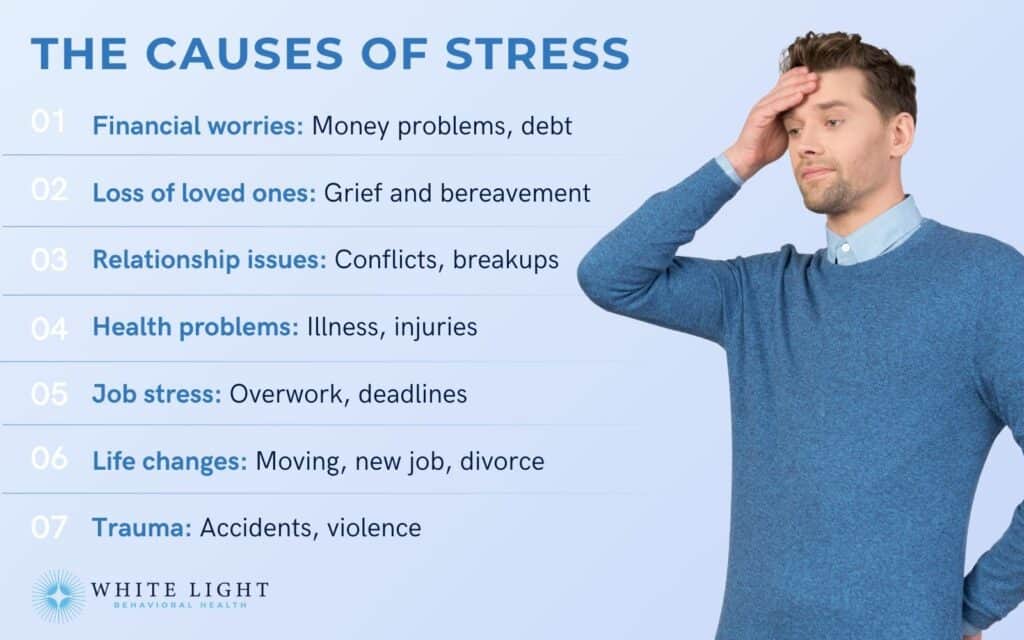
Beyond the immediate burdens of debt and income, the broader societal context of financial goals, expectations, and the relentless pressure to maintain a certain standard of living contribute significantly to pervasive stress. The gap between desired financial outcomes and current realities can be a profound source of anxiety, fueled by economic forces and social comparisons.
High Cost of Living and Inflationary Pressures
One of the most immediate and tangible stressors for individuals and families is the relentless increase in the cost of living. Housing, food, utilities, transportation, and healthcare costs seem to continuously outpace wage growth. Inflationary pressures mean that money simply doesn’t stretch as far as it used to, eroding purchasing power and making it increasingly difficult to save or maintain a desired lifestyle. This constant struggle to make ends meet, to afford basic necessities, can create a daily grind of financial worry. The stress is compounded for those living in major metropolitan areas where housing costs alone can consume a significant portion of income, leaving little room for discretionary spending or savings.
Retirement Planning Anxiety
The prospect of retirement, once viewed as a golden age of leisure and relaxation, has become a significant source of anxiety for many. With longer life expectancies, uncertain social security or pension futures, and the rising cost of healthcare, the daunting task of saving enough to maintain a comfortable standard of living post-employment weighs heavily on individuals. The complexity of investment choices, the fear of market downturns eroding savings, and the feeling that one is “behind” on retirement goals can create profound stress, especially as individuals approach their later working years. The pressure to make the right financial decisions for a future decades away, with numerous variables, often leads to paralysis or overwhelming worry.
Keeping Up with Appearances (Lifestyle Inflation)
In an age dominated by social media and pervasive advertising, the pressure to “keep up with the Joneses” has evolved into an even more intense drive to “keep up with the influencers.” This phenomenon, often referred to as lifestyle inflation, is the tendency for discretionary spending to increase as income rises, driven by a desire to maintain a certain perceived standard of living. The constant barrage of curated perfect lives on social media fosters comparison and dissatisfaction, leading individuals to overspend on consumer goods, experiences, and status symbols they may not genuinely need or even truly desire. This relentless pursuit of external validation through material possessions often leads to debt, depleted savings, and a perpetual feeling of inadequacy, fueling a stressful cycle of earning and spending without true contentment.
Navigating the Complexities of Investment and Wealth Management
For those who have managed to build some wealth or are actively engaged in financial planning, a different set of stressors emerges: the complexities and uncertainties inherent in investment and wealth management. The pursuit of growth, the preservation of capital, and the navigation of volatile markets can be a significant source of anxiety.
Market Volatility and Investment Fears
The stock market, with its inherent unpredictability and frequent fluctuations, is a powerful source of stress for investors. Economic downturns, market crashes, geopolitical events, and even seemingly minor news can send portfolios plummeting, causing significant anxiety, especially for those whose retirement savings or future plans are heavily invested. The fear of losing hard-earned capital, the constant monitoring of investment performance, and the psychological impact of seeing account balances drop can be incredibly stressful. This is particularly true for individuals nearing retirement, where a significant market correction could drastically alter their financial security and lifestyle expectations.
Information Overload and Decision Paralysis
The digital age, while offering unparalleled access to information, has also created a phenomenon of information overload. For investors and individuals managing their finances, the sheer volume of financial news, investment advice, market analyses, and product offerings can be overwhelming. Contradictory opinions, complex financial jargon, and the rapid pace of market changes can lead to decision paralysis, where individuals become so overwhelmed that they delay making crucial financial decisions or, worse, make impulsive choices based on incomplete or biased information. This uncertainty and lack of clarity about the “right” path can be a profound source of stress, leading to missed opportunities or costly mistakes.
The Fear of Missing Out (FOMO) in Investing
A significant psychological stressor in the investment world is the Fear of Missing Out (FOMO). Fueled by anecdotal success stories, social media buzz, and rapid market movements, FOMO can pressure investors into chasing “hot” trends or speculative assets, often without proper due diligence. Whether it’s the latest tech stock, cryptocurrency, or real estate boom, the fear of being left behind while others seemingly get rich can lead to impulsive, high-risk decisions. These emotionally driven investments often carry a higher potential for loss, turning initial excitement into severe stress when the bubble bursts or the trend reverses. The constant comparison and the pressure to participate can erode rational decision-making and amplify financial anxiety.
Systemic and External Financial Stressors
Beyond individual choices and personal circumstances, broader systemic issues and external forces play a critical role in shaping financial stress. These macro-level factors are often beyond an individual’s immediate control but can profoundly impact their financial stability and peace of mind, adding layers of complexity to an already challenging landscape.
Economic Uncertainty and Global Events
The global economy is a complex, interconnected web, and major events can send ripple effects across continents, directly impacting individual finances. Recessions, trade wars, geopolitical conflicts, natural disasters, and global pandemics (as seen with COVID-19) can create widespread economic uncertainty. These events can lead to job losses, business closures, market downturns, and supply chain disruptions, all of which directly affect income, investments, and the cost of goods. The stress stemming from these external, uncontrollable forces is particularly potent, as individuals feel vulnerable and powerless in the face of such massive shifts, constantly worrying about the next economic shock.
Lack of Financial Literacy
A foundational yet often overlooked cause of financial stress is a widespread lack of basic financial literacy. Many individuals grow up without receiving adequate education on personal finance principles such as budgeting, saving, understanding credit, or basic investment concepts. This knowledge gap leaves them ill-equipped to navigate the complexities of modern financial systems, making them susceptible to poor financial decisions. Without a solid understanding of how money works, how to manage debt effectively, or how to plan for the future, individuals are more prone to making costly mistakes, falling into debt traps, or failing to build sufficient savings, leading to chronic, avoidable financial stress. The feeling of not understanding one’s own money further exacerbates anxiety.

Healthcare Costs and Unexpected Expenses
In many parts of the world, particularly in countries with less comprehensive public healthcare systems, the cost of healthcare is an immense source of financial stress. Medical emergencies, chronic illnesses, prescription drug costs, and high insurance deductibles can quickly deplete savings and plunge families into significant debt. Even with insurance, a major health event can lead to insurmountable bills, highlighting the fragility of financial stability in the face of illness. Beyond healthcare, other unexpected life events—such as a sudden home repair, a legal issue, or a family crisis—can similarly derail carefully laid financial plans. The constant lurking threat of these unforeseen expenses, knowing they could arise at any moment and devastate one’s finances, creates a pervasive and underlying layer of stress.
In conclusion, the question “what caused stress” finds a profound and multifaceted answer within the realm of finance. From the immediate burdens of consumer and long-term debt to the anxieties of income instability, the pressures of ambitious financial goals, the complexities of investment, and the broader systemic economic forces, financial factors are intricately woven into the fabric of modern stress. Understanding these specific financial roots is not merely an academic exercise; it is the essential first step toward empowering individuals to build resilience. By acknowledging the pervasive shadow of debt, confronting income insecurity, managing expectations, navigating investment complexities, and advocating for greater financial literacy and systemic stability, we can begin to mitigate the profound impact of financial stress, fostering greater financial well-being and, ultimately, a more peaceful existence. Proactive planning, informed decision-making, and seeking expert advice are invaluable tools in the ongoing effort to lessen the monetary anxieties that plague so many.
aViewFromTheCave is a participant in the Amazon Services LLC Associates Program, an affiliate advertising program designed to provide a means for sites to earn advertising fees by advertising and linking to Amazon.com. Amazon, the Amazon logo, AmazonSupply, and the AmazonSupply logo are trademarks of Amazon.com, Inc. or its affiliates. As an Amazon Associate we earn affiliate commissions from qualifying purchases.