
While history books often frame King Philip’s War (1675–1678) as a purely cultural or religious clash between New England colonists and the indigenous Wampumpeag, Narragansett, and Nipmuc peoples, a deeper financial analysis reveals a much more pragmatic and devastating catalyst. At its core, the conflict was fueled by a series of economic pressures, market shifts, and the aggressive expansion of colonial capital. To understand what caused King Philip’s War, one must look past the battlefield and into the ledgers of the 17th century, where land, debt, and the collapse of trade networks created a volatile environment that made war an economic inevitability.

The Commodity of Sovereignty: Land as the Primary Asset
In the mid-17th century, land was the ultimate form of capital. For the English colonists, land represented wealth, social status, and the fundamental infrastructure for a growing agrarian economy. For Metacom (known to the English as King Philip) and his people, land was the source of life, but it was also their only remaining leverage in an increasingly dominated market.
The Shift from Shared Usage to Exclusive Ownership
The fundamental economic friction began with a collision of property theories. The indigenous populations operated on a system of usufruct rights—the right to use land for seasonal hunting, fishing, or planting without necessarily “owning” the soil in perpetuity. Conversely, the English brought the concept of “Fee Simple” ownership: exclusive, exclusionary, and legally documented possession.
As the colonial population surged through the 1660s, the demand for “new” real estate drove a speculative bubble. Colonists stopped viewing land as a shared resource for coexistence and began viewing it as a liquid asset. This transition pressured indigenous leaders into selling parcels of land to satisfy immediate needs, only to realize later that they had effectively liquidated their tribe’s future production capacity.
Legal Mechanisms and the Weaponization of Property Law
The English didn’t just take land; they used a sophisticated legal framework to acquire it at a discount. By establishing colonial courts that held jurisdiction over indigenous territories, the English could impose fines for “trespassing” or “damages” caused by indigenous activities on newly “purchased” lands.
If a tribe could not pay these fines in currency—which was increasingly scarce—the courts often demanded payment in land. This was a form of predatory lending and judicial foreclosure that systematically stripped the Wampanoag of their most valuable asset. By 1675, Metacom found his people confined to small peninsulas like Mount Hope, essentially “land-poor” and cut off from the diversified resources required for their economic survival.
The Collapse of the Fur Trade and Economic Interdependence
For decades, the relationship between the colonists and the indigenous tribes was defined by a mutually beneficial trade agreement. The indigenous people provided furs—primarily beaver—which were in high demand in Europe, while the English provided manufactured goods, textiles, and metal tools. However, by the 1670s, this “market” had fundamentally broken down.
From Partners to Competitors: The Market Saturated
The fur trade suffered from two primary economic shocks. First, over-hunting led to a sharp decline in the beaver population across New England, leading to a supply-side collapse. Second, the “frontier” of the fur trade moved further north and west, making the southern New England tribes obsolete as middlemen.
Without a surplus of furs to export, the Wampanoag lost their primary source of external revenue. This created a massive trade deficit. The indigenous people had become dependent on English goods (like iron hoes, kettles, and wool), but they no longer had the commodities to trade for them. When a trade partner loses their utility in a mercantilist system, the dominant power often shifts from cooperation to coercion.
The Wampum Economy and the Devaluation of Indigenous Currency
Wampum—beads crafted from whelk and clam shells—was not merely decorative; it was a legitimate currency used by both indigenous people and colonists for decades due to a shortage of English specie (silver and gold). However, as the 1660s progressed, the English began to demonetize wampum.
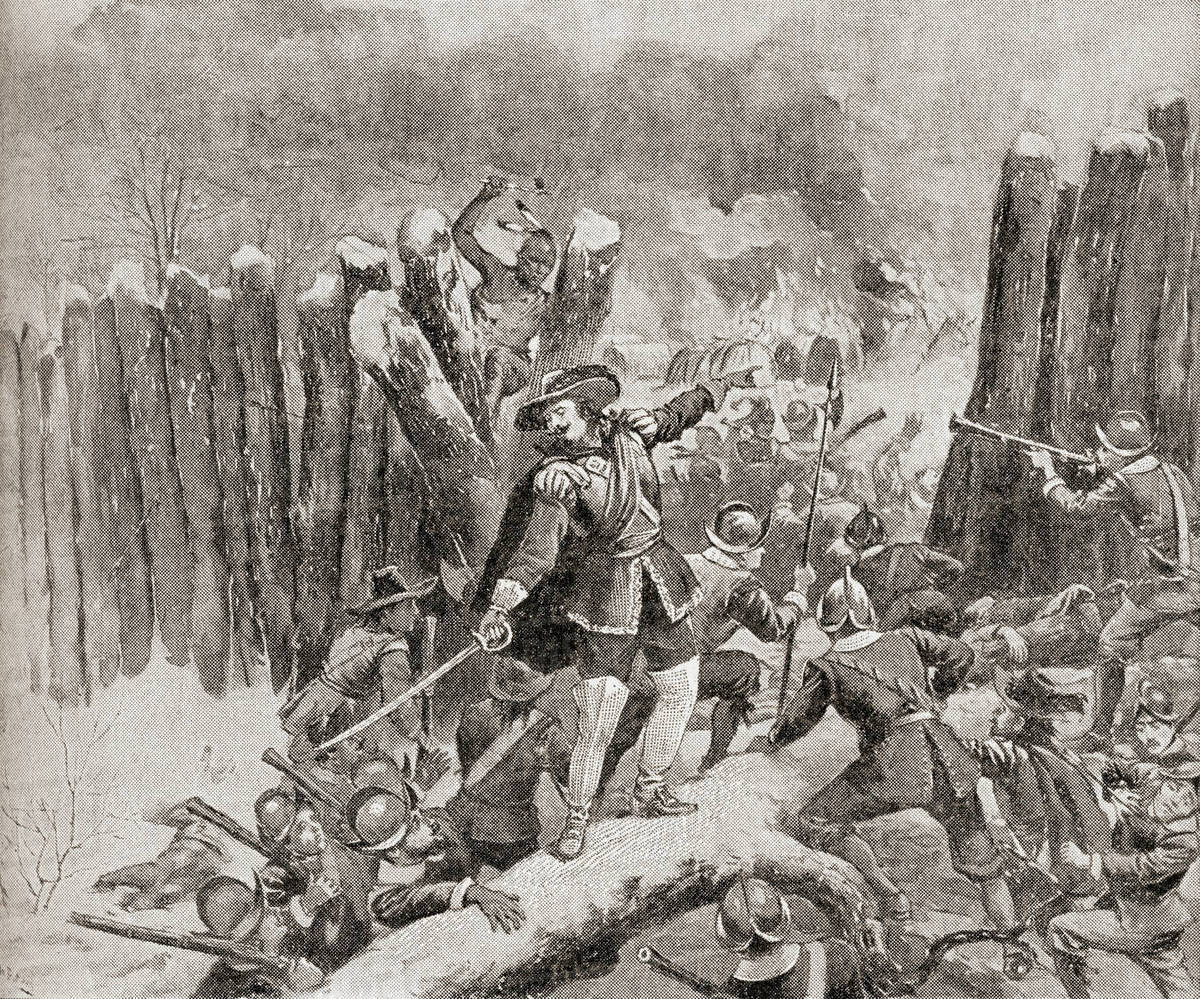
Increased production of wampum by tribes further inland, combined with a rising supply of English coins, led to massive inflation and the eventual refusal of colonial authorities to accept wampum as legal tender for taxes or debts. This was essentially a “currency crash” for the indigenous tribes. Their “savings” in wampum were devalued overnight, leaving them economically vulnerable and unable to participate in the burgeoning colonial economy on equal footing.
Debt Traps and the Liquidation of Tribal Assets
As the traditional trade economy failed, the English shifted their strategy toward a more aggressive financial model: the systematic use of debt. This period of colonial history mirrors many modern “debt-trap” scenarios where the lending party uses financial obligations to force political and territorial concessions.
The Strategy of Indebtedness in Colonial Courts
Colonial merchants and authorities began extending credit to indigenous leaders for goods they could no longer afford. When the time came to settle these debts, the interest and principal were often beyond the capacity of the tribe to pay in goods or currency. The English then used these debts as leverage in negotiations, demanding “quit-claims” to large swaths of territory in exchange for debt forgiveness.
Metacom himself was frequently summoned to Plymouth to answer for his perceived “hostilities,” which usually resulted in he and his people being forced to pay massive “court costs” and “tribute.” These were essentially administrative fines that functioned as a tax on indigenous sovereignty, further draining their remaining liquidity.
Foreclosure on a Grand Scale: The Loss of Mount Hope
The specific catalyst for the outbreak of war was the realization that the English intended to fully liquidate the Wampanoag’s remaining holdings. The pressure on Mount Hope (Pokanoket) was not just a geographic concern; it was a financial one. Mount Hope was the “headquarters” of Metacom’s political brand and his most valuable remaining real estate.
The English colonists, particularly those in the Plymouth Colony, viewed the acquisition of Mount Hope as the “final piece” of their regional expansion. When the legal system failed to protect indigenous land rights and instead became the tool for their eviction, the Wampanoag realized that the cost of peace had become higher than the cost of war. From an economic perspective, the war was a desperate “hostile takeover” defense.
The ROI of Resistance: The Cost-Benefit Analysis of War
To understand why the war started, one must also look at the perceived “Return on Investment” (ROI) for both sides. By 1675, the economic status quo was no longer sustainable for either the Wampanoag or the expansionist-minded colonists.
The Total Economic Cost of the Conflict
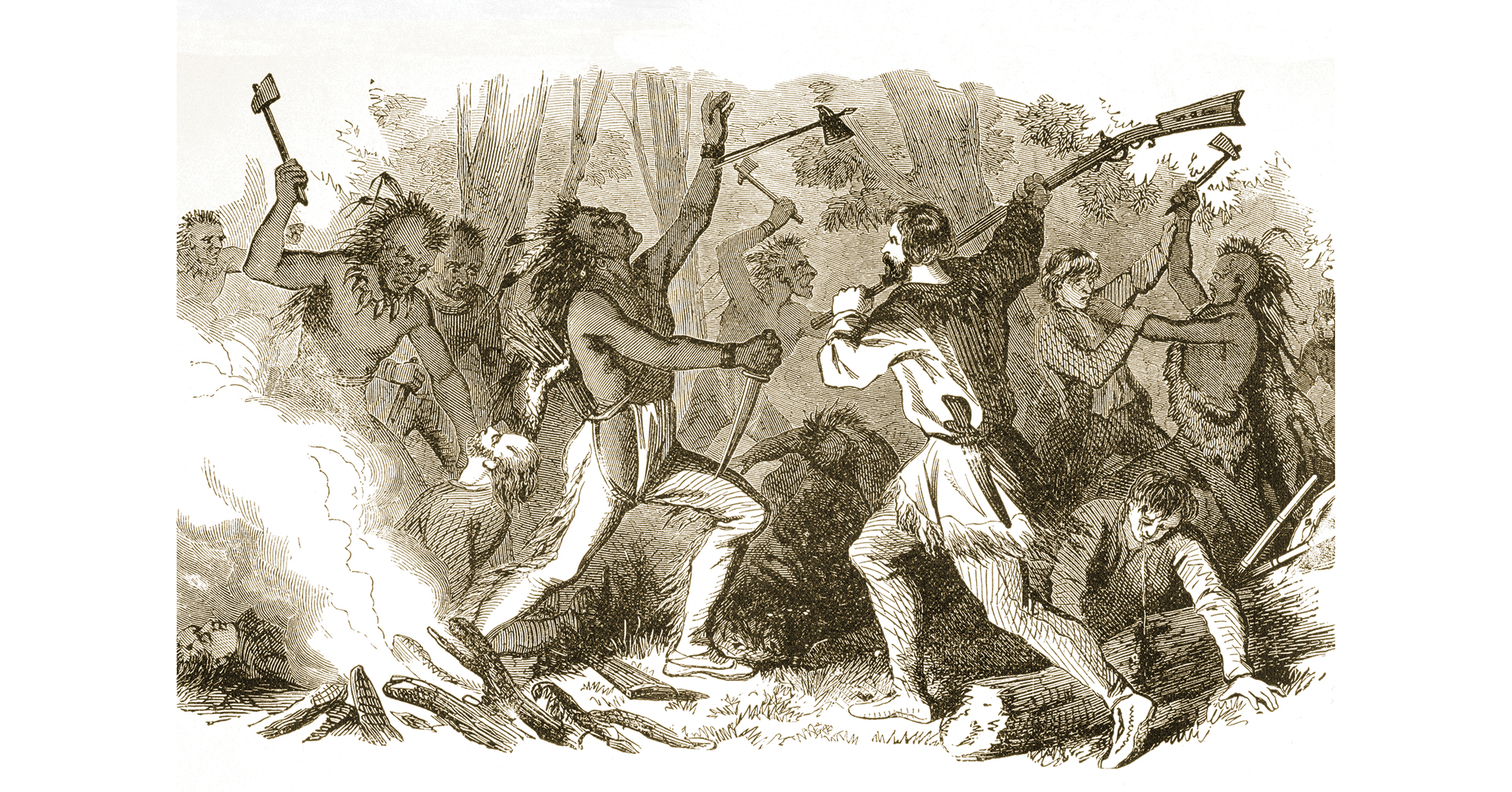
While the war was devastating in terms of human life, it was also a financial catastrophe for the region. King Philip’s War remains the most expensive conflict in American history per capita. For the colonists, the war necessitated a massive mobilization of capital. Towns were burned, livestock was slaughtered, and the labor force was redirected from farming to fighting.
However, for the colonial elite, the “upside” was the potential for total control over the region’s resources. If they could win, they would clear the “titles” to the land once and for all, removing the indigenous “encumbrances” that hindered the development of a pure colonial real estate market.
Long-term Financial Repercussions for New England’s Growth
The aftermath of the war saw a total restructuring of the New England economy. The indigenous survivors were often sold into slavery in the West Indies—a horrific but profitable “liquidation of assets” for the victors. The land was subdivided and sold to pay off the massive war debts incurred by the colonies.
The “cause” of the war was essentially the friction generated by a transition from a multi-polar, trade-based economy to a mono-polar, land-based extractive economy. The colonists needed more room for their “capital” (livestock and crops) to grow, and the indigenous population was occupying the “office space” required for that expansion.
In conclusion, King Philip’s War was the violent result of an economic “perfect storm.” The intersection of declining commodity markets (fur), currency devaluation (wampum), predatory lending (legal fines and debt), and the aggressive pursuit of real estate assets created a scenario where conflict was the only remaining “market adjustment.” While the triggers were social and political, the foundation of the war was built on the cold, hard logic of colonial finance. Understanding this allows us to see the war not just as a historical tragedy, but as a cautionary tale of how economic inequality and resource competition can drive societies toward a breaking point.
aViewFromTheCave is a participant in the Amazon Services LLC Associates Program, an affiliate advertising program designed to provide a means for sites to earn advertising fees by advertising and linking to Amazon.com. Amazon, the Amazon logo, AmazonSupply, and the AmazonSupply logo are trademarks of Amazon.com, Inc. or its affiliates. As an Amazon Associate we earn affiliate commissions from qualifying purchases.