
The news that broke on September 4, 2014, sent shockwaves through the entertainment and business worlds: Joan Rivers, the indomitable “Queen of Comedy,” had passed away. While the public immediately began asking “what caused Joan Rivers’ death” from a medical perspective—later identified as therapeutic complications during a routine endoscopy—the branding and business world began asking a different set of questions. How does a multi-million-dollar personal brand survive the loss of its central figure? What happens to a commercial empire built on a singular, irreplaceable personality?
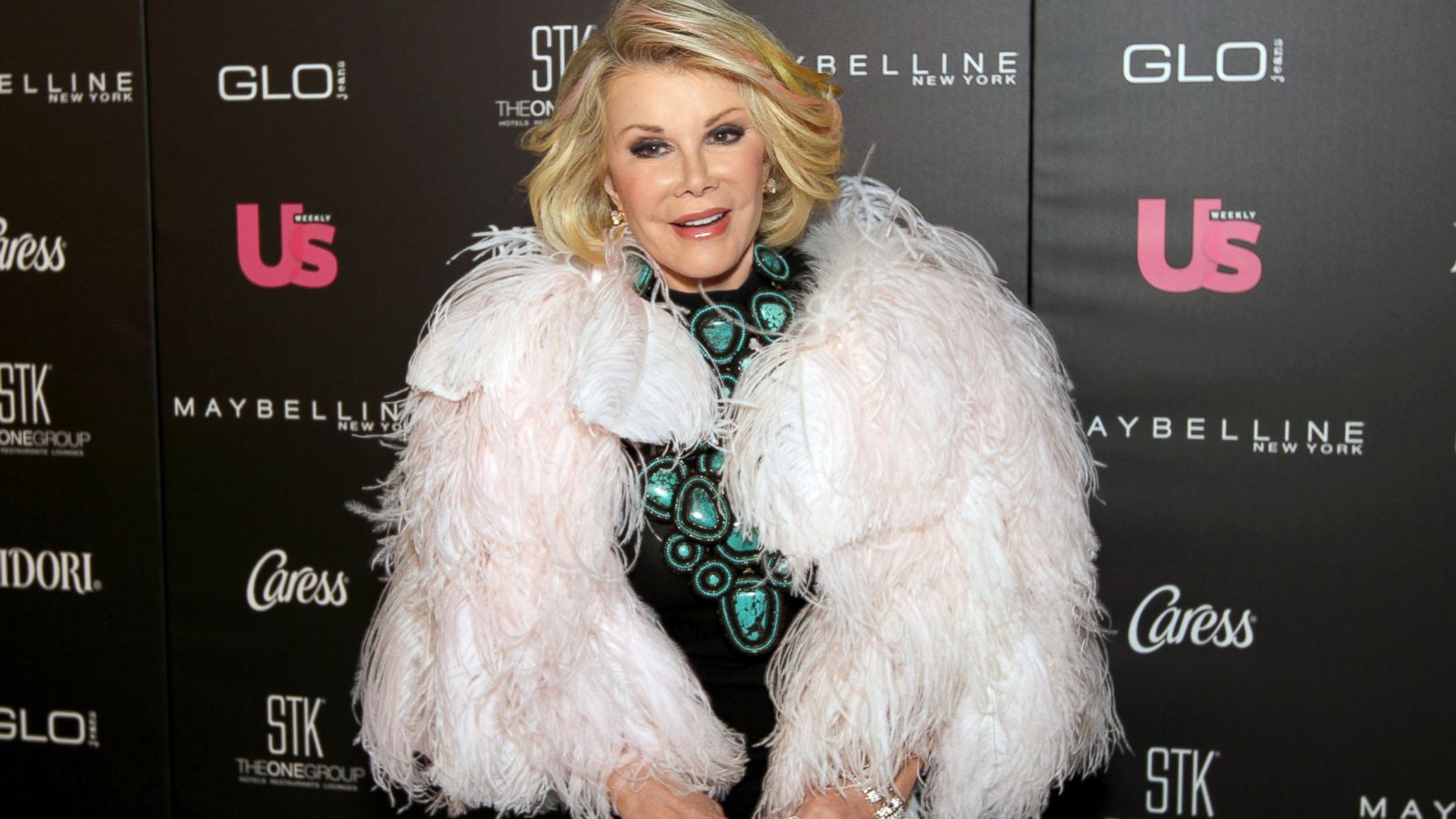
Joan Rivers was not just a comedian; she was a master of personal branding and a pioneer of celebrity commerce. Her death marked a significant case study in brand management, legacy preservation, and the financial intricacies of high-stakes medical malpractice in the context of a public figure. To understand the impact of her passing, we must look beyond the clinical cause and analyze the brand architecture she left behind.
The Architecture of the Joan Rivers Brand
Joan Rivers spent over five decades meticulously constructing a brand that was synonymous with resilience, luxury, and unfiltered honesty. Unlike many of her contemporaries, Rivers understood early on that a career in entertainment was precarious and that diversification was the key to longevity.
Redefining Red Carpet Culture: The Fashion Police Identity
Before Joan Rivers, the red carpet was a polite, often dull precursor to award ceremonies. Rivers transformed it into a high-stakes arena of brand critique. By asking “Who are you wearing?” she didn’t just interview celebrities; she created a new genre of television. Her brand on Fashion Police was built on the “Mean Girl with a Heart of Gold” archetype—harsh but expert, biting but entertaining. This facet of her brand became a massive revenue driver for E! Network, proving that a personal brand could anchor an entire network’s programming strategy.
The QVC Empire: Commerce Meets Comedy
Perhaps the most significant pillar of the Rivers brand was her partnership with QVC. Starting in 1990, she launched the “Joan Rivers Classics Collection.” At a time when many celebrities felt home shopping was “beneath” them, Rivers leaned in, treating the platform with the same professionalism as a Carnegie Hall set. She became a lifestyle mogul, selling jewelry, apparel, and beauty products. Her brand strategy here was simple: accessibility. She offered high-fashion aesthetics at price points the average consumer could afford, backed by the “Rivers Seal of Approval.” By the time of her death, her QVC brand was reportedly generating over $50 million in annual sales.
Crisis Management and the Anatomy of a Sudden Brand Void
When a brand is built so inextricably around a single person, their sudden death creates an immediate power vacuum and a crisis of continuity. The investigation into what caused Joan Rivers’ death—a lack of oxygen to the brain during a procedure at Yorkville Endoscopy—became a secondary narrative to the massive logistical challenge of managing her estate and brand.
Handling the Unthinkable: Professionalism in the Face of Tragedy
In the immediate aftermath of her passing, the Rivers brand entered a period of “reverent stasis.” Her daughter, Melissa Rivers, who had been her business partner and “straight man” for decades, took immediate control of the narrative. This is a critical lesson in brand strategy: during a crisis, a brand needs a visible, trusted custodian. Melissa’s ability to handle the public’s grief while simultaneously managing the legal and business fallout prevented the brand from being tarnished by the chaotic rumors surrounding the medical malpractice.
Maintaining Continuity Without the Catalyst
The biggest challenge for the “Joan Rivers Classics Collection” and Fashion Police was how to move forward without Joan. For the QVC brand, the strategy was “Legacy over Replacement.” Rather than hiring a new comedian to hawk the jewelry, the brand transitioned to focusing on Joan’s archives and the expertise of her long-time collaborators, like David Dangle. By framing the products as a continuation of her “classic” vision, the brand managed to retain customer loyalty. In contrast, Fashion Police struggled to find its footing without Joan’s specific brand of vitriol, eventually ending its run and proving that some personal brands are too unique to be replicated.
Personal Branding Lessons from the Life and Death of an Icon

Joan Rivers’ career serves as a masterclass in personal branding, particularly in how to pivot and remain relevant across different eras of media. Her death highlighted just how much work goes into maintaining a brand that appears to be “effortless” and “unfiltered.”
The Pivot: From Comedian to Lifestyle Mogul
One of the most vital lessons from Joan Rivers’ brand strategy was her ability to pivot. In the late 1980s, after being banned from The Tonight Show and losing her late-night talk show, her brand was at an all-time low. Most would have faded into obscurity. Rivers, however, rebranded. She stopped being just a stand-up comic and started being a fashion critic and a jewelry designer. This “Brand Pivot” is essential for long-term survival in any industry. She taught us that a brand isn’t what you do; it’s who you are and the value you provide to your audience.
The “Workhorse” Ethic as a Brand Pillar
Rivers famously said, “I’m a workhorse, not a show horse.” This was a core tenet of her personal brand. She was open about her need to work, her fear of “the empty calendar,” and her relentless pursuit of the next gig. This transparency made her brand relatable. In an era where “influencers” try to make everything look easy, Rivers’ brand was built on the grind. This authenticity created a deep psychological bond with her audience, which is why her death was felt so personally by millions who had never met her.
Estate Planning and Brand Preservation: The Financial Legacy
The legal battle following her death was not just about seeking justice for the medical errors; it was about protecting the financial integrity of the legacy she had built. The malpractice lawsuit filed by Melissa Rivers was eventually settled for a reported $50 million, a sum that reflected not just the pain and suffering, but the massive loss of future earnings for the Rivers brand.
Intellectual Property and the Rivers Estate
A significant portion of the Joan Rivers brand resided in her intellectual property—her name, her likeness, and her decades of comedy material. Managing these assets after death requires a sophisticated understanding of licensing and trademark law. The estate had to ensure that Joan’s name wasn’t used in ways that would contradict her brand values. This “Post-Mortem Brand Management” is a growing field in the business world, ensuring that icons like Rivers continue to generate value for their heirs while maintaining their public dignity.
Melissa Rivers: The Custodian of the Legacy
Melissa Rivers’ role cannot be understated. In the world of corporate branding, she acted as the CEO of a legacy company. By writing books like The Book of Joan: Tales of Mirth, Mischief, and Manipulation, she kept the brand “voice” alive. This is a strategic move: by providing new content that channels the original brand’s spirit, the custodian prevents the brand from becoming a museum piece. They keep it a living, breathing part of the cultural conversation.
The Enduring Influence of Joan Rivers on Modern Personal Branding
Even years after the medical tragedy that claimed her life, the Joan Rivers brand remains a benchmark for excellence. Her influence is visible in how modern celebrities approach their careers, from the way they use social media to how they build product empires.
Authenticity and Fearlessness in the Digital Age
If Joan Rivers were alive today, she would likely be the queen of Twitter (X) and TikTok. Her brand was built for the viral age: short, punchy, controversial, and highly shareable. Modern brands spend millions trying to achieve the “authenticity” that Rivers had naturally. She taught the business world that being polarizing is often more profitable than being universally liked. A strong brand doesn’t try to please everyone; it speaks clearly to its tribe.

The Blueprint for the Multi-Hyphenate
Joan Rivers was the original “multi-hyphenate” before the term existed. Comedian-actor-writer-designer-critic. She proved that a personal brand could be elastic enough to cover multiple industries as long as the “core values” (in her case, wit and luxury) remained consistent. Today, when we see a singer launch a skincare line or an athlete start a venture capital firm, they are following the blueprint laid down by Joan Rivers.
In conclusion, while the world was shocked by the circumstances of what caused Joan Rivers’ death, her true legacy is not found in the medical report. It is found in the enduring strength of the brand she built. She demonstrated that through hard work, strategic diversification, and an unwavering commitment to one’s own voice, a brand can survive even the most tragic of ends. Joan Rivers didn’t just leave behind a fortune; she left behind a masterclass in how to turn a personality into a powerhouse, ensuring that her name would remain a “Classic” for generations to come.
aViewFromTheCave is a participant in the Amazon Services LLC Associates Program, an affiliate advertising program designed to provide a means for sites to earn advertising fees by advertising and linking to Amazon.com. Amazon, the Amazon logo, AmazonSupply, and the AmazonSupply logo are trademarks of Amazon.com, Inc. or its affiliates. As an Amazon Associate we earn affiliate commissions from qualifying purchases.