
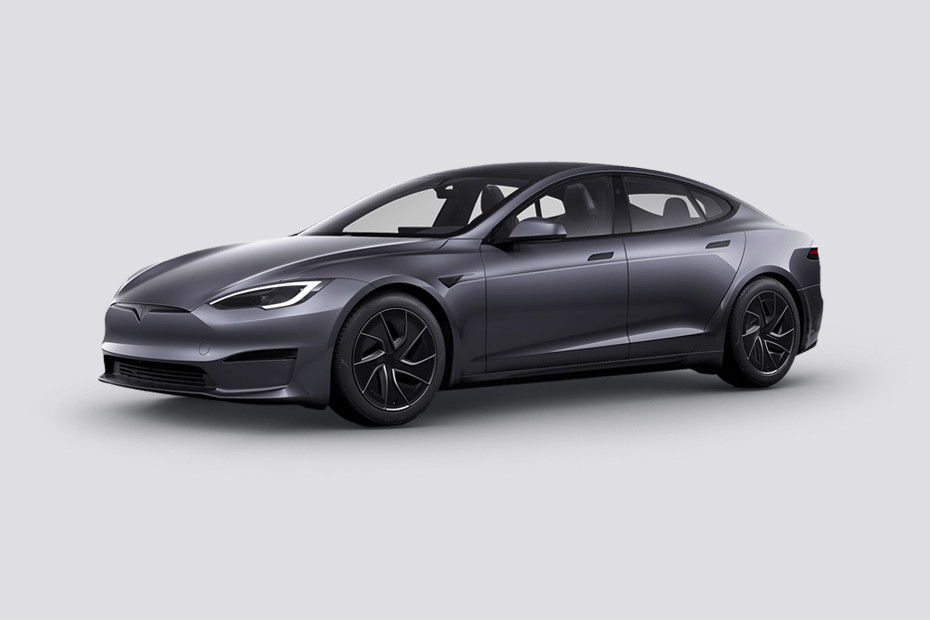
To understand the Tesla Model S, one must first discard the traditional definition of an automobile. While it possesses four wheels, a chassis, and a steering yoke, the Model S is fundamentally a high-performance computer housed within an aerodynamic shell. Since its inception, the Model S has served as the flagship for the “software-defined vehicle” (SDV) movement, a paradigm shift that has forced the entire global automotive industry to pivot toward silicon and code. It is less a car in the legacy sense and more a mobile data center designed to evolve through iterative software deployments.
The Silicon Foundation: Hardware and Computing Architecture
At the heart of the Tesla Model S lies a computing architecture that rivals high-end gaming rigs and enterprise servers. Unlike traditional vehicles that rely on hundreds of decentralized Electronic Control Units (ECUs) from various third-party suppliers, the Model S utilizes a centralized computing model. This vertical integration allows Tesla to control every aspect of the vehicle’s behavior through a unified operating system.
The Media Control Unit (MCU) and Infotainment Power
The current iteration of the Model S features an infotainment system powered by the AMD Ryzen processor and a dedicated AMD RDNA 2 GPU. This hardware provides up to 10 teraflops of processing power, roughly equivalent to a PlayStation 5. This is not merely for navigation or climate control; the architecture is designed to handle AAA gaming titles, complex 3D rendering of the vehicle’s surroundings, and seamless multitasking across multiple high-resolution displays. By integrating such powerful silicon, Tesla ensures that the user interface remains fluid and responsive, avoiding the lag that plagues traditional infotainment systems.
The Full Self-Driving (FSD) Computer
Hidden behind the dashboard is the “FSD Computer,” Tesla’s custom-designed silicon tailored specifically for neural network processing. Each Model S is equipped with two of these proprietary chips for redundancy. Each chip contains a 12-core ARM CPU, a Mali GPU, and two Neural Processing Units (NPUs) capable of 144 trillion operations per second (TOPS). This hardware is the “brain” of the vehicle, responsible for processing a massive stream of visual data from eight surround cameras to make real-time driving decisions. The transition from off-the-shelf NVIDIA hardware to custom-designed silicon underscores Tesla’s commitment to being a hardware engineering firm first and an automaker second.
The Software-Defined Vehicle: Over-the-Air (OTA) Evolution
The most transformative technological aspect of the Model S is its reliance on Over-the-Air (OTA) updates. In the traditional automotive world, a car is at its technological peak the moment it leaves the factory floor. The Model S, conversely, is a dynamic platform that improves over time.
Continuous Improvement Through Code
Through the car’s integrated LTE and Wi-Fi connectivity, Tesla pushes firmware updates that can alter everything from the user interface layout to the core physics of the vehicle. OTA updates have historically improved the Model S’s 0-60 mph acceleration times, increased its peak charging speeds, and refined its regenerative braking feel. This capability allows Tesla to fix safety recalls remotely, avoiding the logistical nightmare of physical dealership visits and ensuring that even a five-year-old Model S can run the latest software features.
The V11 Operating System and Beyond
The software environment of the Model S, currently centered around the V11 UI, mimics a modern smartphone or tablet experience. It features customizable app trays, sophisticated climate controls that use digital air flow redirection (eliminating physical vents), and a comprehensive suite of entertainment options. The integration of “Tesla Theater” (Netflix, YouTube, Disney+, Twitch) and “Tesla Arcade” transforms the vehicle into a mobile living room, a strategic move by the company to capitalize on the “dead time” spent at charging stations.
Energy Management and Powertrain Innovation
The Model S Plaid variant represents the zenith of electric powertrain engineering. While the raw performance figures—1,020 horsepower and a 1.99-second 0-60 mph time—are impressive, the technology enabling these feats is what defines the car’s technical DNA.

Carbon-Sleeved Rotors
One of the most significant engineering breakthroughs in the modern Model S is the use of carbon-sleeved rotors in its tri-motor setup. Because electric motors generate immense centrifugal force at high RPMs, traditional copper-wound rotors can expand and lose efficiency or even fail. Tesla’s solution was to wrap the rotors in high-strength carbon fiber. This allows the motors to maintain high efficiency and peak power output all the way to the vehicle’s 200 mph top speed, a technical hurdle that previously limited many electric vehicles.
Thermal Management and the Heat Pump
Managing heat is the primary challenge for any high-performance electronic system. The Model S utilizes a sophisticated thermal management system anchored by a high-efficiency heat pump. Unlike resistive heaters that drain battery life in cold weather, the heat pump scavenges waste heat from the powertrain and battery to warm the cabin and precondition the cells for faster charging. This “Octovalve” system is a masterpiece of fluid dynamics and thermal engineering, ensuring that the car remains efficient across a wide range of environmental conditions.
Autopilot and the Future of Computer Vision
The Tesla Model S serves as the primary testbed for the company’s ambitious vision-based autonomy. While other manufacturers rely on a suite of sensors including LiDAR, radar, and ultrasonics, the Model S has moved toward “Tesla Vision,” an approach that relies exclusively on optical cameras and neural networks.
Neural Networks and Edge Computing
The car’s eight cameras provide a 360-degree view, feeding data into a deep neural network that has been trained on millions of miles of real-world driving data. The Model S performs “edge computing,” where the heavy lifting of image recognition and path planning happens locally on the FSD computer. This system identifies lane markings, traffic lights, pedestrians, and obstacles with millisecond latency. The goal is to replicate the human biological vision system through silicon and software.
The Dojo Supercomputer Connection
While the car handles the execution, the “learning” happens in the cloud. Data from Model S vehicles worldwide is sent back to Tesla’s Dojo supercomputer, where it is used to train and refine the neural networks. Once a new version of the driving software is optimized, it is pushed back out to the fleet via OTA updates. This closed-loop learning cycle is a cornerstone of Tesla’s technological moat, creating a massive data advantage over traditional competitors.
Digital Security and the Connected Ecosystem
As a high-tech gadget on wheels, the Model S faces unique security challenges. Tesla has treated the vehicle’s security with the same rigor as a mobile operating system, incorporating features that protect both the physical asset and the digital data within.
Sentry Mode and Integrated Surveillance
The Model S utilizes its external cameras for more than just driving. Sentry Mode is an integrated surveillance system that monitors the vehicle’s surroundings when parked. If a threat is detected, the car begins recording to internal storage and sends an alert to the owner’s mobile app. This level of hardware-software integration—using existing driving sensors for security—is a hallmark of Tesla’s efficient engineering philosophy.
The Tesla Mobile App and API
The relationship between the owner and the Model S is mediated through the Tesla mobile app. This isn’t just a remote key; it is a full-featured management console. From the app, users can summon the vehicle (within private lots), manage charging schedules, view live camera feeds, and even diagnose mechanical issues remotely. Tesla also maintains a robust API, allowing third-party developers to create apps that track efficiency, automate home charging based on electricity prices, or integrate the car into smart home ecosystems.

Conclusion: The Car as a Technological Statement
The Tesla Model S is the definitive answer to the question of what happens when a tech company builds a vehicle. It rejects the static nature of automotive engineering in favor of a fluid, software-centric approach. From its carbon-sleeved motors and teraflop-level computing power to its vision-based AI and continuous OTA updates, the Model S is a masterclass in modern digital integration. It is not just a car for getting from point A to point B; it is a sophisticated, evolving tool that represents the current state of the art in consumer technology. For the technologist, the Model S is more than a luxury sedan—it is the most advanced gadget one can own.
aViewFromTheCave is a participant in the Amazon Services LLC Associates Program, an affiliate advertising program designed to provide a means for sites to earn advertising fees by advertising and linking to Amazon.com. Amazon, the Amazon logo, AmazonSupply, and the AmazonSupply logo are trademarks of Amazon.com, Inc. or its affiliates. As an Amazon Associate we earn affiliate commissions from qualifying purchases.