
In the pantheon of pop culture, few franchises have mastered the art of “brand-as-character” as effectively as Transformers. At the heart of this multi-billion-dollar IP lies a character who embodies style, agility, and a distinct “cool” factor: Jazz. While fans often ask, “What car is Jazz from Transformers?” the answer is more than a simple make and model. It is a complex narrative of corporate identity, strategic product placement, and the evolution of brand partnerships between toy manufacturers and the global automotive industry.
From his 1984 debut as a sophisticated European sports car to his 2007 reimagining as a sleek American roadster, the vehicle chosen for Jazz has always served as a primary driver of his brand identity. This article explores the strategic branding decisions that shaped Jazz, analyzing how Hasbro and Paramount Pictures utilized automotive partnerships to define a character and capture a global audience.
The Evolution of the Jazz Brand: From Porsche to Pontiac
The identity of Jazz is inextricably linked to the vehicles he inhabits. Unlike other Autobots whose identities are rooted in raw power or utility, Jazz has always represented the “lifestyle” segment of the brand. His evolution mirrors the shifting tides of corporate strategy within the toy and film industries.
The G1 Porsche 935: Defining High-End Sophistication
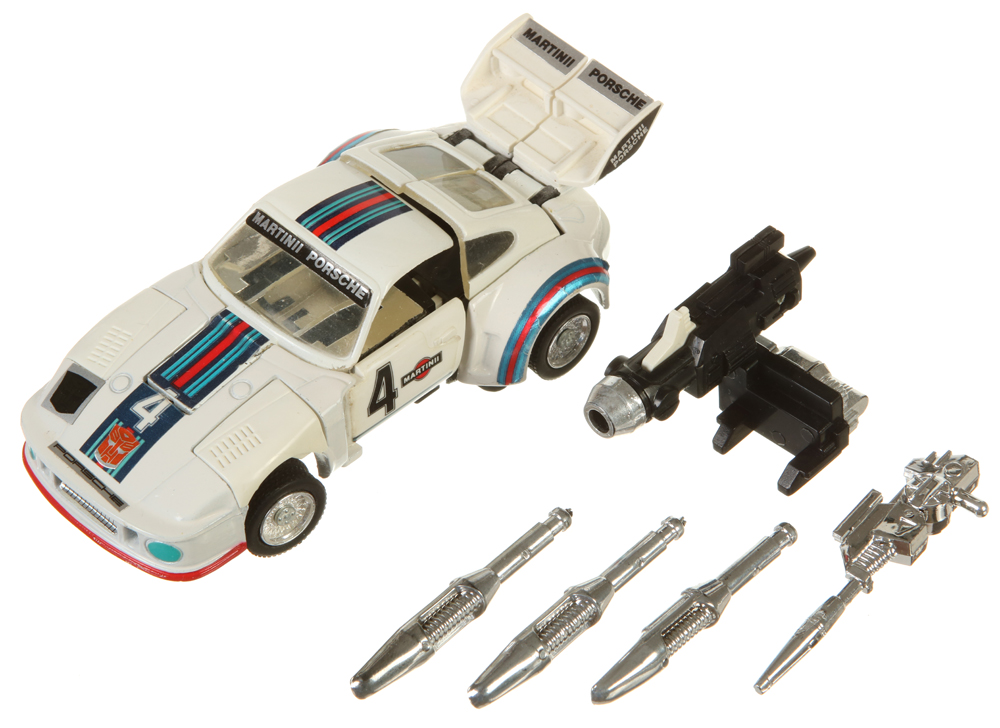
In the original 1984 “Generation 1” (G1) animated series and toy line, Jazz was a Martini Racing Porsche 935 Turbo. This choice was a masterstroke in brand positioning. At the time, Porsche represented the pinnacle of European engineering and luxury. By choosing the Porsche 935, Hasbro aligned the Jazz character with “aspirational cool.”
The brand strategy here was simple: Jazz was the Autobot with an appreciation for human culture, specifically music and style. The sleek, aerodynamic lines of the Porsche 935 reinforced his persona as an agile, fast-thinking, and sophisticated lieutenant. For children and collectors, the “Jazz” brand became synonymous with high-status performance.
The 2007 Pivot: General Motors and the Pontiac Solstice
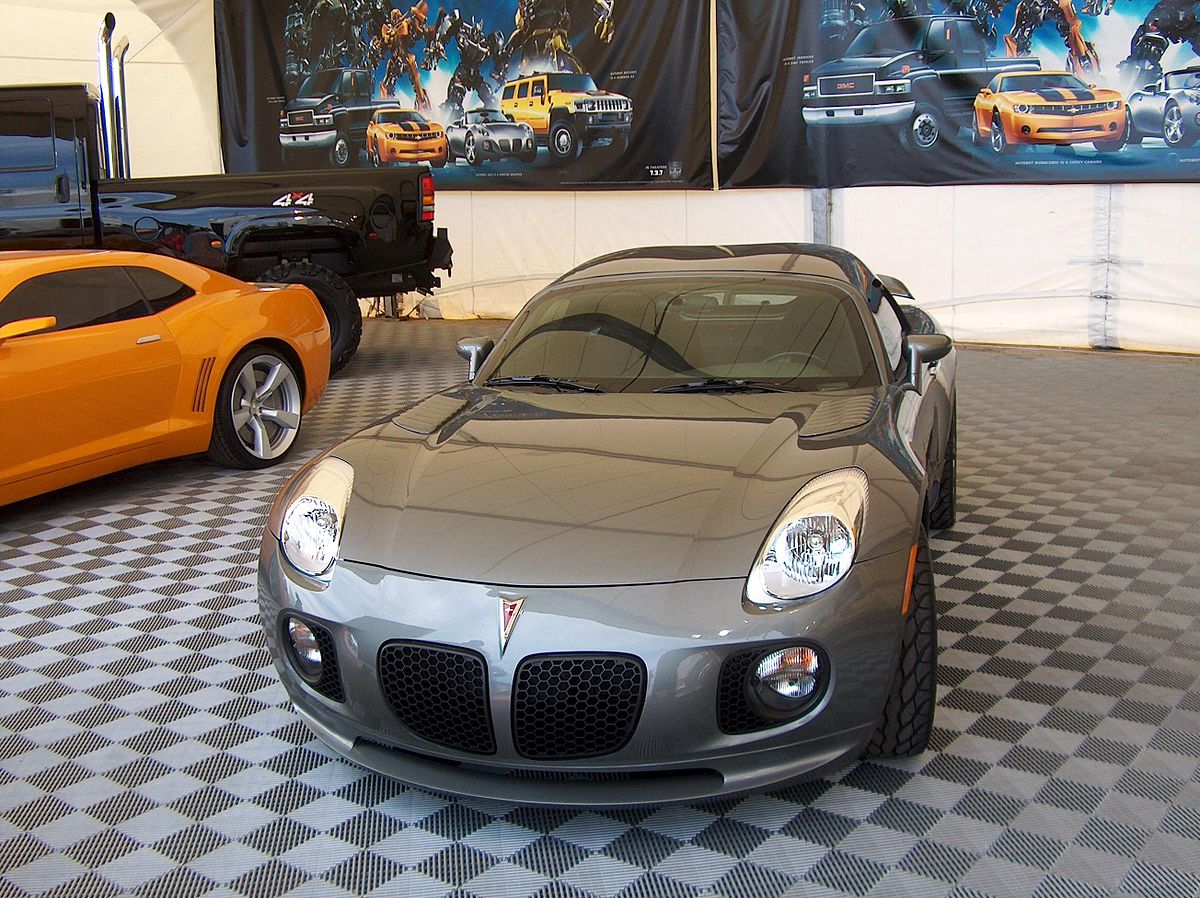
When Michael Bay and Paramount Pictures brought Transformers to the big screen in 2007, the brand underwent a massive strategic shift. Due to a comprehensive partnership with General Motors (GM), the automotive cast was overhauled to showcase the American automaker’s latest fleet. Jazz was reimagined as a 2007 Pontiac Solstice GXP.
This move was a calculated branding pivot. While the Porsche was an unattainable dream car for most, the Pontiac Solstice was an accessible, sporty roadster designed to revitalize the Pontiac brand for a younger demographic. By making Jazz a Solstice, the film functioned as a feature-length advertisement for GM’s “cool” factor. The brand identity of Jazz shifted from “European Elite” to “Modern American Sporty,” reflecting the commercial objectives of the partnership.
Strategic Product Placement: How Transformers Sells the “Cool” Factor
The transition of Jazz from a Porsche to a Pontiac highlights the power of strategic product placement in modern marketing. In the Transformers cinematic universe, the vehicle is not just a prop; it is the physical manifestation of the brand’s soul.
Integrating Automotive Identity into Character Personality
In brand strategy, “congruence” is the alignment between a product’s features and the consumer’s self-image. Jazz’s character is designed to be the “hip” member of the Autobots. His dialogue, movements, and combat style are fluid and rhythmic. The choice of a silver Pontiac Solstice for the film was intentional. The silver/chrome finish symbolized modern tech and cleanliness, while the compact, rounded frame of the Solstice suggested the agility that defined the character.
By embedding the vehicle’s physical traits into the character’s personality, the marketing team created a symbiotic relationship. When a consumer saw a Pontiac Solstice on the road, they didn’t just see a car; they saw the attributes of Jazz—bravery, style, and competence. This is the ultimate goal of corporate identity integration: turning a functional object into a vessel for narrative meaning.
The “Hero Car” Phenomenon in Modern Cinema
The “Hero Car” is a central pillar of the Transformers marketing engine. For the 2007 film, the Pontiac Solstice was positioned as a high-performance machine capable of holding its own alongside the heavy-duty GMC Topkick (Ironhide) and the Chevrolet Camaro (Bumblebee).
This strategy was particularly vital for the Pontiac brand, which was struggling at the time to find a footing among younger buyers. By casting the Solstice as Jazz, GM was engaging in “identity transfer,” hoping that the character’s popularity would bleed into the sales figures of the vehicle. Although the Pontiac brand was eventually shuttered by GM during the 2009 restructuring, the “Jazz Solstice” remains a case study in how entertainment brands can provide a platform for automotive marketing.
Brand Consistency Across Media: Maintaining the “Jazz” Persona
Despite the changes in the specific car models over the decades, the “Jazz” brand has maintained a remarkable level of consistency. This is a testament to the strength of Hasbro’s character-driven brand strategy.
Visual Cues: Silver, Speed, and Sophistication
In branding, visual identity is paramount. Regardless of whether he is a Porsche, a Pontiac, or a stylized fictional vehicle in the Transformers: Animated or War for Cybertron series, Jazz almost always retains his signature silver-and-blue color palette and his “visor” optics.
This visual consistency allows the Jazz brand to survive “vehicle displacement.” Even when the licensing deal changes, the core brand assets—the silver finish, the racing stripes, and the association with speed—ensure that the audience recognizes the character instantly. For Hasbro, this protects the “Brand Equity” of Jazz, ensuring that he remains a top-tier character for toy sales regardless of the current automotive partner.
The Impact of Brand Displacement on Fan Loyalty
A significant challenge in long-term brand management is managing “legacy fans.” When Jazz transitioned from a Porsche to a Pontiac, there was initial friction among enthusiasts who felt the Porsche was essential to his identity. However, Hasbro managed this through “brand layering.”
By continuing to release “Masterpiece” collector figures of the G1 Porsche Jazz alongside the modern movie-inspired Solstice toys, Hasbro catered to two different market segments: the nostalgia-driven adult collector and the new-generation film fan. This multi-tiered brand strategy allowed the character to evolve without alienating his original “brand ambassadors.”
The Business of Transformation: Hasbro’s Partnership Strategy
The question of “What car is Jazz?” eventually leads to the boardroom. The selection of vehicles for the Transformers franchise is a complex negotiation involving licensing fees, design approvals, and global marketing reach.
Negotiating with Global Automakers
In the early days of the franchise, Porsche famously declined to have their cars featured in a film centered on war and conflict, fearing it would damage their brand’s image of luxury and peace. This opened the door for General Motors to step in with a completely different brand philosophy. GM saw the “war” aspect as a way to demonstrate the toughness, reliability, and heroism of their vehicles.
For a brand strategist, this represents a clash of corporate identities. Porsche’s “Exclusivity” vs. GM’s “Everyday Heroism.” Hasbro’s ability to pivot between these partners shows the flexibility of the Transformers IP. The Jazz brand proved to be resilient enough to fit into both frameworks, demonstrating that the character’s core identity (the “cool lieutenant”) was more powerful than the specific logo on the hood.
Long-term Brand Equity of the Transformers Franchise
Ultimately, Jazz is a component of a much larger brand ecosystem. The Transformers franchise is built on the concept of “evergreen” branding. By rotating the vehicle models and updating the character designs, Hasbro ensures that the brand never feels dated.
Jazz’s car serves as a “time stamp” for each era of the franchise. The Porsche 935 reflects the 80s’ obsession with European luxury; the Pontiac Solstice reflects the mid-2000s’ push for accessible American sports cars. By constantly refreshing the automotive identity of its characters, the franchise maintains its relevance in the competitive landscape of toy and film marketing.

Conclusion: The Enduring Legacy of the Jazz Brand
Jazz from Transformers is a masterclass in how a character can be used to build and sustain brand value. Whether he is a Porsche 935 or a Pontiac Solstice, the “Jazz” brand stands for a specific intersection of style, music, and agility. Through strategic partnerships with automotive giants and a keen understanding of product placement, Hasbro has turned a toy robot into a sophisticated marketing asset.
For brand strategists, the lesson is clear: identity is not static. It is a blend of visual cues, narrative associations, and strategic alliances. Jazz isn’t just a car; he is a brand that has successfully navigated forty years of market changes, proving that with the right strategy, a brand can truly be “More Than Meets the Eye.”
aViewFromTheCave is a participant in the Amazon Services LLC Associates Program, an affiliate advertising program designed to provide a means for sites to earn advertising fees by advertising and linking to Amazon.com. Amazon, the Amazon logo, AmazonSupply, and the AmazonSupply logo are trademarks of Amazon.com, Inc. or its affiliates. As an Amazon Associate we earn affiliate commissions from qualifying purchases.