
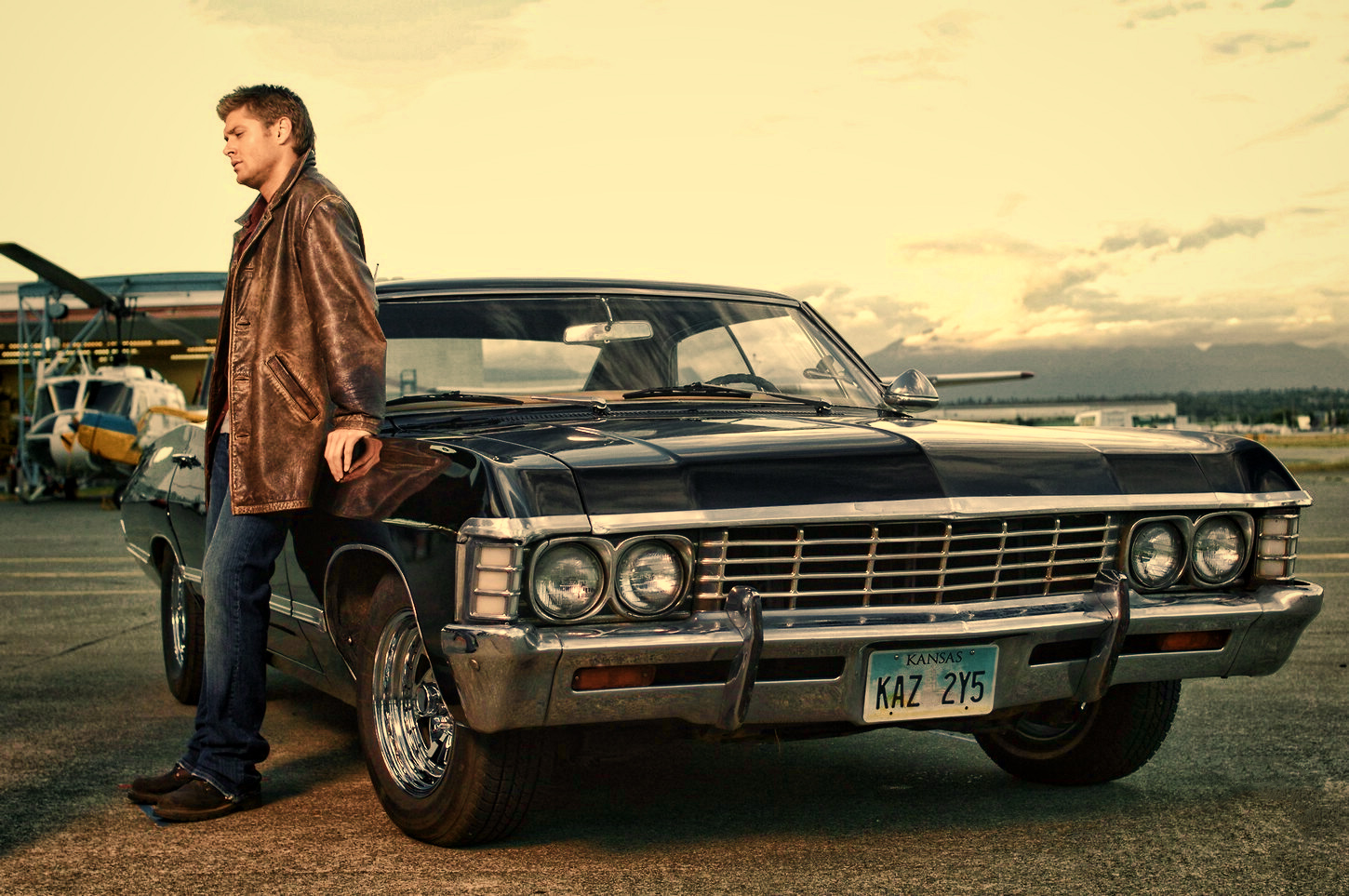
In the landscape of television history, few inanimate objects have achieved the level of brand recognition as the 1967 Chevrolet Impala from the long-running series Supernatural. Often referred to by the show’s protagonist Dean Winchester as “Baby,” and by the global fandom as the “Metallicar,” this four-door hardtop is more than a mere prop. It represents a masterclass in brand strategy, illustrating how a physical asset can be transformed into a core identity pillar that sustains a multi-billion-dollar franchise for fifteen seasons.
For brand strategists and corporate identity experts, the “Baby” phenomenon offers profound insights into how visual consistency, narrative-driven positioning, and emotional resonance can elevate a product from a functional tool to a legendary icon. By examining the car through the lens of brand strategy, we can uncover the mechanisms that allowed a vintage vehicle to become the literal and figurative heart of a global media brand.
The Anatomy of a Brand Icon: Why the 1967 Impala Was the Perfect Choice
Every successful brand identity begins with a foundational choice that aligns with the core values of the organization. For Supernatural, the choice of the 1967 Chevrolet Impala was not accidental; it was a strategic decision that defined the show’s “rugged, blue-collar” brand architecture. Originally, creator Eric Kripke envisioned the brothers driving a 1965 Mustang, but a neighbor suggested the 1967 Impala because “you can put a body in the trunk.”
Consistency as a Brand Pillar
In branding, consistency is the bedrock of trust. From the pilot episode to the series finale, the Impala remained the one constant in an ever-changing world of monsters and gods. While characters died and were resurrected, and settings shifted across the American landscape, the car remained the “home” of the brand. This level of visual consistency creates a “safe space” for the audience, mirroring how successful corporate brands use consistent logos, colors, and messaging to provide a sense of reliability to their consumers. The Impala served as a visual anchor, ensuring that no matter how complex the plot became, the brand’s core identity remained recognizable.
The Visual Language of the Winchester Brand
The 1967 Impala carries a specific visual weight—it is muscular, menacing, and distinctly American. From a brand design perspective, the car’s aesthetic perfectly matches the Winchesters’ “Hunter” persona. It isn’t a flashy sports car, nor is it a modern, soulless SUV. It is a vintage, heavy-metal beast that communicates durability and grit. This alignment between the “product” (the car) and the “personality” (the Winchester brothers) is a prime example of cohesive brand positioning. Every roar of its engine and every gleam of its chrome reinforced the brand’s promise of authenticity and raw power.
Emotional Branding and the “Third Brother” Concept
Modern brand strategy often seeks to “humanize” brands to create deeper connections with consumers. Supernatural achieved this by elevating the Impala from a vehicle to a character. By treating the car as the “third brother,” the showrunners employed emotional branding techniques that transformed passive viewers into passionate brand advocates.
Humanizing the Inanimate
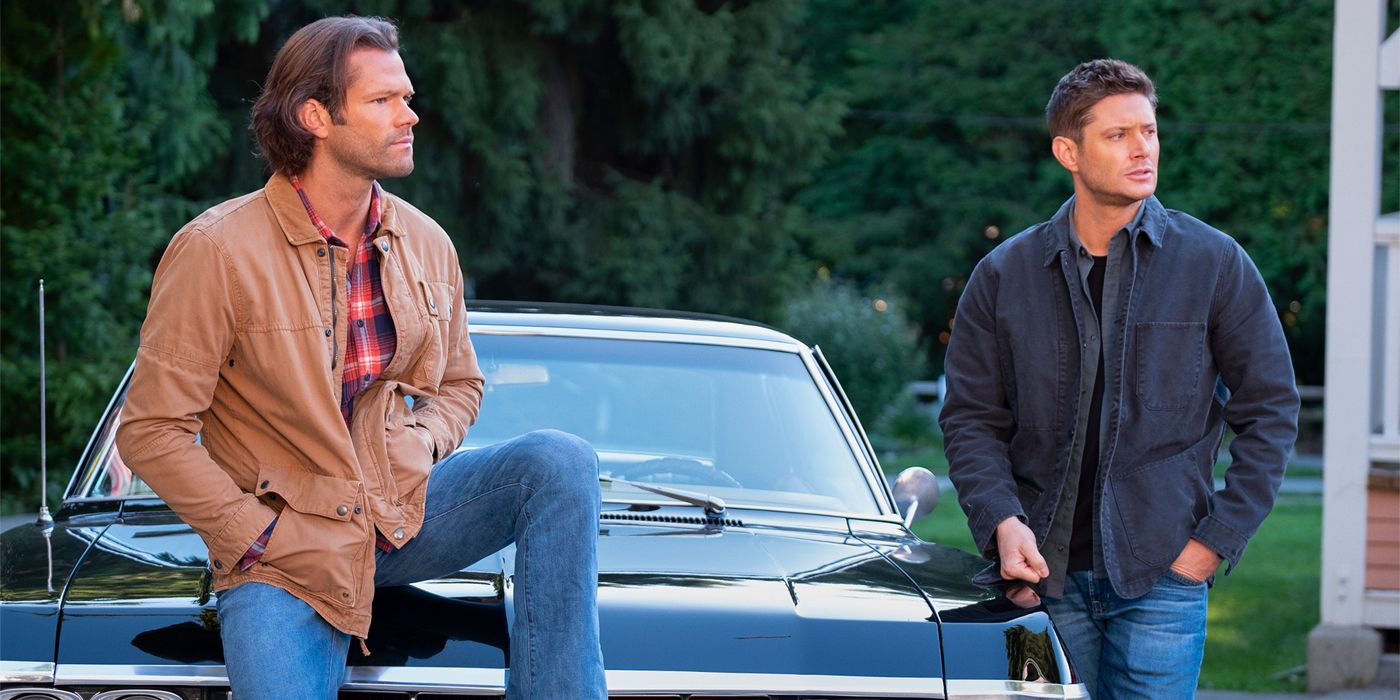
Throughout the series, the Impala was given a backstory, a personality, and even its own “POV” episodes. This humanization is a sophisticated marketing tactic. When a brand can imbue a physical object with a soul, it creates an unbreakable emotional bond with its audience. Dean Winchester’s protective nature over the car mirrored the way enthusiasts feel about their favorite brands. By positioning the car as a member of the family, the show ensured that any threat to the car felt like a threat to the brand’s core family unit, driving high engagement and emotional stakes.
Nostalgia as a Marketing Tool
The use of a classic 1967 vehicle taps into the power of nostalgia—a potent tool in brand strategy. Nostalgia bypasses logical critiques and connects directly with the consumer’s sense of identity and history. The Impala represented a “simpler time” and a sense of “Old School” cool that resonated with multiple generations. For the brand, this meant capturing an older demographic familiar with muscle cars while simultaneously marketing that same “cool factor” to a younger audience looking for something authentic and tangible in a digital age.
Leveraging Legacy: The Ripple Effect on General Motors’ Corporate Identity
The impact of the Supernatural brand extended far beyond the television screen, influencing the real-world market value and brand perception of the Chevrolet Impala itself. This crossover between fictional branding and real-world corporate identity demonstrates the power of narrative-driven product placement—even when that placement is unintentional or organic.
From Suburban Sedan to Cult Hero
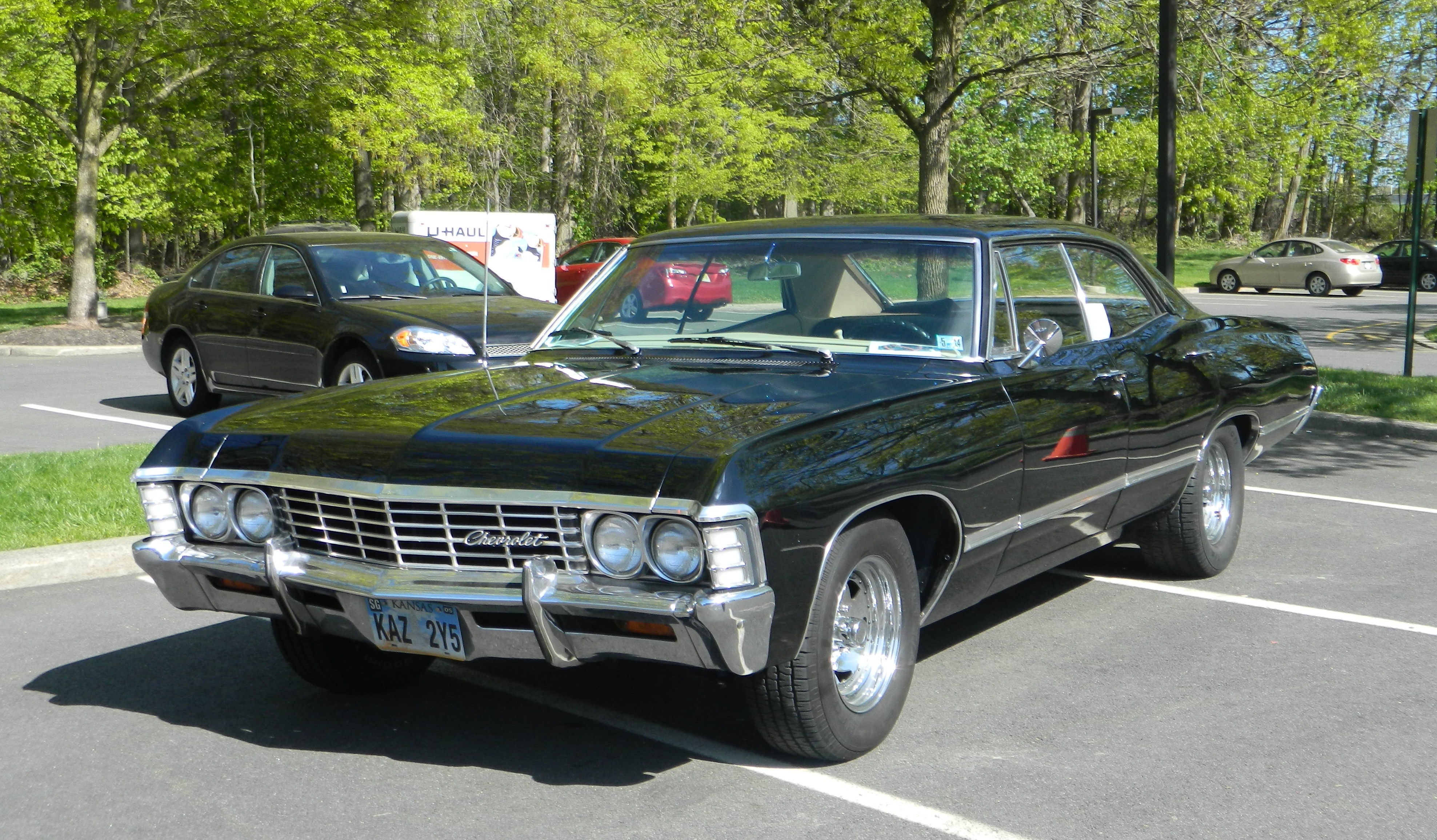
Prior to Supernatural, the four-door 1967 Impala was often overlooked by collectors in favor of the two-door models or more famous muscle cars like the Camaro or Corvette. However, the show’s brand strength was so immense that it single-handedly shifted the market. Today, the 1967 four-door Impala is a highly sought-after collector’s item, often selling for significant premiums simply because of its association with the “Supernatural” brand. This is a clear case study in how a media property can “rebrand” a legacy product, changing its market perception from an “old sedan” to a “hero vehicle.”
The Impact on Collector Markets and Secondary Brand Value
The “Baby” effect created a secondary economy of restoration shops, replica builders, and memorabilia. This ecosystem reinforces the primary brand’s longevity. When fans invest their own capital into recreating a brand asset, they become “brand ambassadors” in the truest sense. For General Motors, the show provided decades of free, high-quality brand exposure that kept the “Impala” nameplate in the cultural zeitgeist, proving that a well-placed “hero asset” can provide long-term dividends for the parent brand’s corporate identity.
Lessons for Modern Brand Strategists
The success of the Supernatural Impala provides a blueprint for modern businesses looking to build a lasting brand identity. In an era of fleeting digital trends, the Impala’s legacy teaches us that physical presence, narrative depth, and unwavering consistency are the keys to brand immortality.
Building “Character” into Physical Assets
Whether it is the packaging of a high-end tech product or the architectural design of a retail flagship, brands must look for ways to build “character” into their physical touchpoints. The lesson from Supernatural is that people don’t fall in love with features; they fall in love with stories. A brand’s physical assets should tell a story of where the company has been and where it is going. If a product can be recognized by its silhouette alone—as the Impala is—the brand has achieved a level of iconic status that transcends traditional marketing.
Narrative-Driven Product Positioning
The Impala was never just a car; it was a sanctuary, a weapon, and a home. Brand strategists should ask: What is our product’s “narrative role” in the consumer’s life? Is it the reliable partner? The adventurous explorer? The sophisticated expert? By defining the narrative role of a product, companies can create more focused and impactful marketing campaigns. When the product becomes a character in the consumer’s personal story, the brand moves from being a commodity to being an essential part of their lifestyle.
Conclusion: The Enduring Legacy of the Winchester Brand
The 1967 Chevrolet Impala’s role in Supernatural is perhaps the most successful example of “object branding” in the 21st century. It serves as a reminder that a brand is not just a logo or a tagline; it is a collection of memories, values, and visual cues that evoke a specific emotional response.
Through meticulous consistency, strategic humanization, and the clever use of nostalgia, the creators of Supernatural turned a vintage car into a global symbol of family, resilience, and rebellion. For professionals in brand strategy and corporate identity, the “Metallicar” stands as a testament to the power of a well-chosen icon. It proves that when a brand treats its assets with respect and weaves them deeply into its narrative fabric, those assets can achieve a legendary status that outlasts the very platform that created them. The Impala didn’t just carry the Winchesters across the country; it carried a brand across decades, cementing its place in the pantheon of great American icons.
aViewFromTheCave is a participant in the Amazon Services LLC Associates Program, an affiliate advertising program designed to provide a means for sites to earn advertising fees by advertising and linking to Amazon.com. Amazon, the Amazon logo, AmazonSupply, and the AmazonSupply logo are trademarks of Amazon.com, Inc. or its affiliates. As an Amazon Associate we earn affiliate commissions from qualifying purchases.