
In the realm of personal finance, car insurance is often viewed as a mandatory utility—a monthly line item that provides a sense of legal compliance and basic security. However, for the astute financial planner, car insurance is much more than a monthly bill; it is a critical instrument of risk management designed to protect one’s net worth from catastrophic loss. Determining “what car insurance is the best” is not a search for a single company, but rather a strategic evaluation of how a policy aligns with your specific financial profile, asset protection needs, and long-term wealth goals.
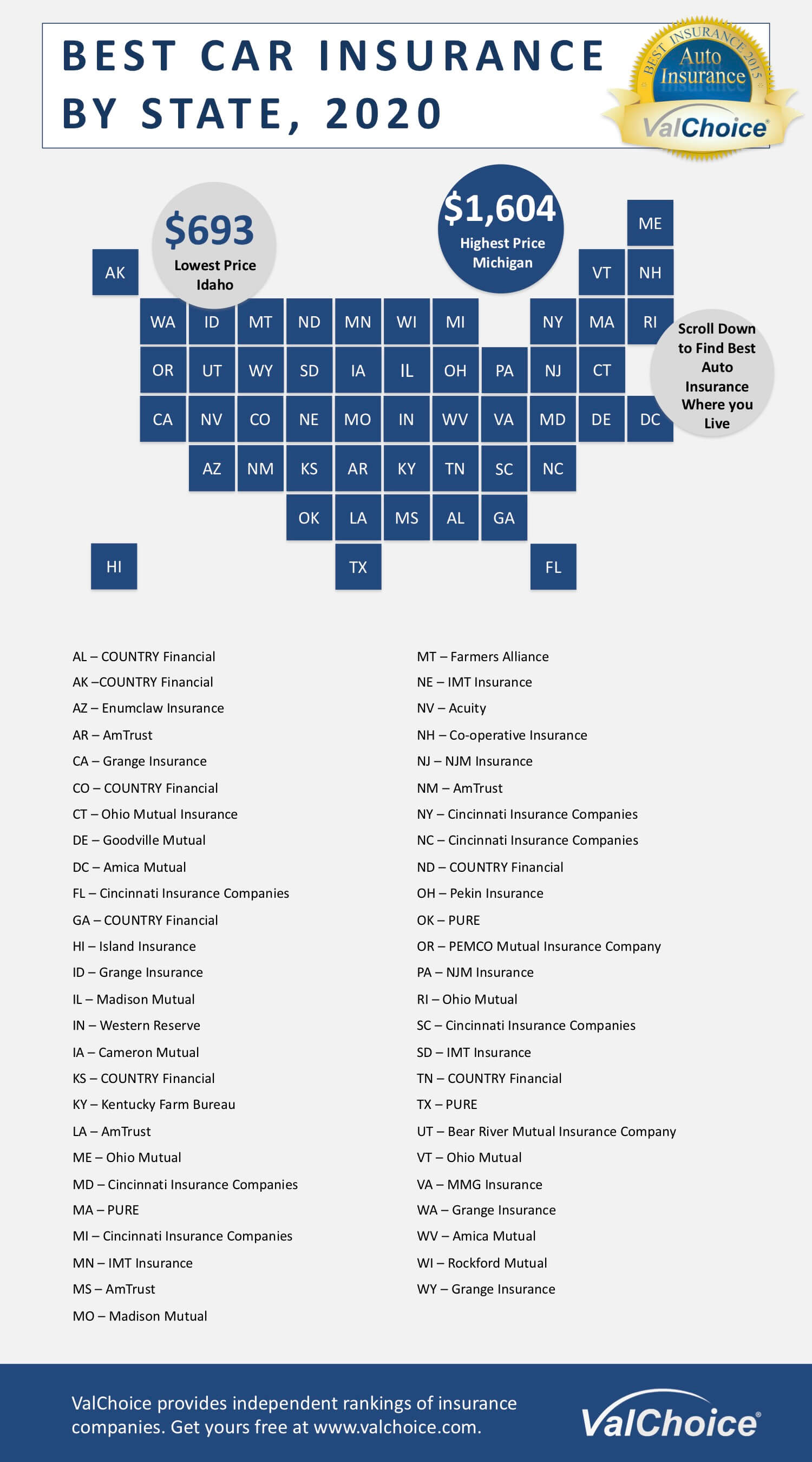
Choosing the right provider and coverage levels requires a deep dive into the mechanics of insurance as a financial tool. It involves balancing out-of-pocket costs with the potential for massive liabilities, understanding the solvency of the institutions backing your policy, and leveraging modern financial technologies to optimize your premiums.
Understanding the Financial Mechanics of Car Insurance
To determine which car insurance is best for your situation, you must first understand the mathematical relationship between premiums, deductibles, and coverage limits. This is the foundation of insurance as a personal finance strategy.
Premium vs. Deductible: The Balancing Act
The most immediate financial decision an insured individual faces is the trade-off between the premium (the monthly or annual cost of the policy) and the deductible (the amount paid out-of-pocket before insurance kicks in). From a wealth-building perspective, the “best” policy often involves choosing the highest deductible you can comfortably afford to pay from your emergency fund. By assuming more of the initial risk, you lower your fixed monthly expenses, allowing that saved capital to be redirected into interest-bearing accounts or investment vehicles. However, this strategy requires disciplined liquidity management to ensure that a sudden claim doesn’t derail your financial stability.
Types of Coverage and Their Impact on Your Net Worth
“Best” is defined by the adequacy of protection. Most states require a minimum level of liability insurance, but for individuals with significant assets, state minimums are woefully inadequate.
- Liability Coverage: This protects your current and future earnings from lawsuits. If you are at fault in an accident, your liability limits should ideally match or exceed your total net worth to prevent a legal judgment from liquidating your assets.
- Collision and Comprehensive: These protect the physical asset—the car itself. For older vehicles with low market value, the cost of this coverage may exceed the potential payout, making it financially savvy to “self-insure” for physical damage.
- Uninsured/Underinsured Motorist: This is often the most undervalued component of a policy. It protects your financial recovery if you are hit by someone who lacks sufficient coverage, ensuring your medical bills and lost wages are covered regardless of the other party’s financial negligence.
Key Factors in Evaluating Insurance Providers
The “best” car insurance company is not necessarily the one with the most recognizable mascot or the largest advertising budget. In the world of finance, the best provider is the one with the strongest balance sheet and the most efficient claims processing.
Financial Stability Ratings: Why AM Best Matters
Before signing a contract, a consumer should evaluate the insurer’s financial strength. Agencies like AM Best, Moody’s, and Standard & Poor’s provide credit ratings for insurance companies. A high rating (such as A+ or A++) indicates that the company has a robust capital reserve and is highly likely to meet its claims obligations even during economic downturns or large-scale disasters. Choosing a company with a lower financial rating for a slightly cheaper premium is a financial risk; if the company becomes insolvent, your “protection” disappears when you need it most.
Claims Satisfaction and Customer Service Metrics
An insurance policy is essentially a promise of future service. The true value of the product is only realized during the claims process. High-quality financial planning involves looking at J.D. Power surveys and the National Association of Insurance Commissioners (NAIC) complaint index. A company that consistently ranks high in claims satisfaction ensures that your financial recovery will be swift and fair, reducing the indirect costs of an accident, such as lost time and legal fees. In this context, the “best” insurance is the one that minimizes friction during a financial crisis.
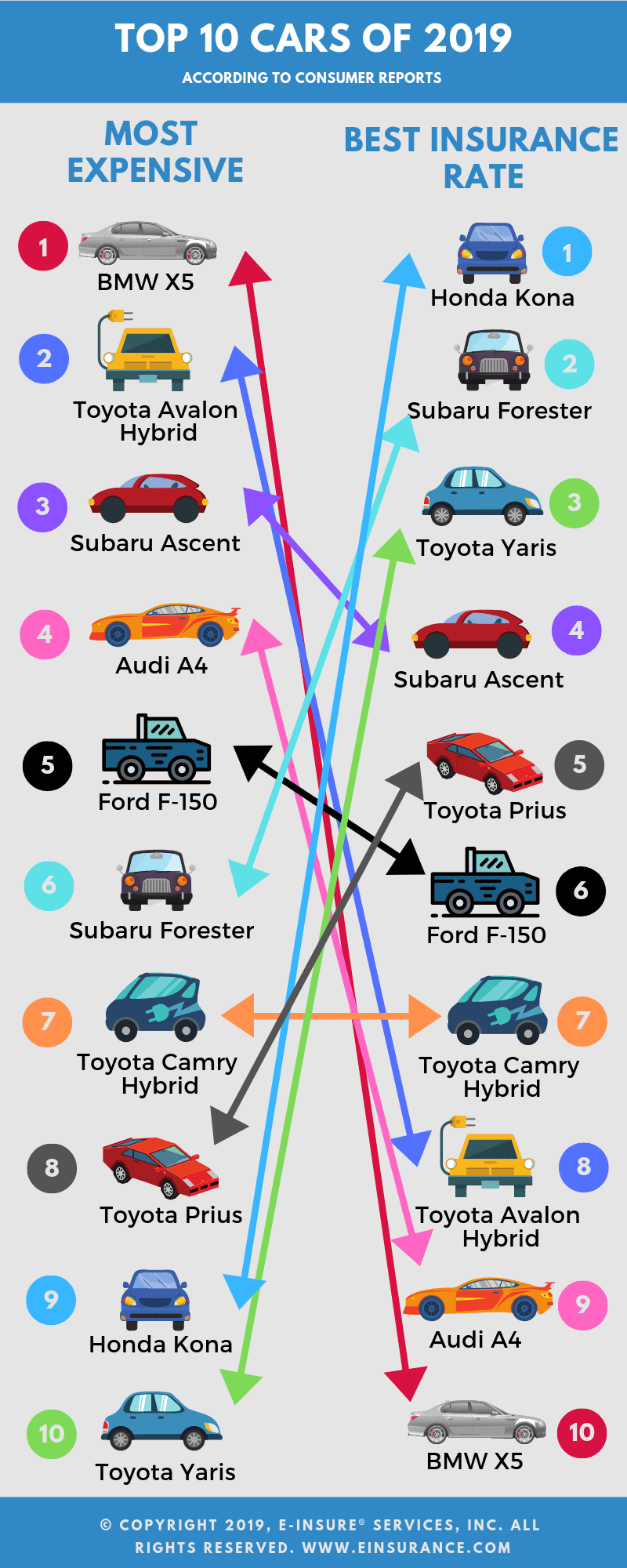
Strategies to Optimize Your Insurance Costs
Once the necessary coverage levels and a shortlist of stable providers are identified, the focus shifts to optimization. Reducing the cost of insurance without compromising the quality of coverage is a key component of effective personal cash flow management.
Leveraging Discounts and Bundling
Most major insurers offer significant discounts for “bundling”—combining auto insurance with homeowners, renters, or umbrella policies. From a financial management standpoint, bundling simplifies your bills and often results in a 10% to 25% reduction in total premiums across all lines. Additionally, insurers reward “low-risk” financial behaviors. Maintaining a clean driving record, installing anti-theft devices, and completing defensive driving courses are all investments that yield a high “return” in the form of lower recurring costs.
The Role of Credit-Based Insurance Scores
In most regions, your credit history is a primary factor in determining your insurance premium. Actuarial data suggests a strong correlation between financial responsibility and driving safety. Therefore, one of the most effective ways to secure the “best” car insurance rates is to maintain a high credit score. Improving your debt-to-income ratio and ensuring timely payments on other financial obligations can lead to lower insurance quotes, demonstrating how different sectors of your personal finances are intrinsically linked.
The Future of Auto Insurance: Usage-Based and Fintech Solutions
The insurance industry is currently undergoing a digital transformation, moving away from broad demographic buckets toward individualized, data-driven pricing. These innovations are providing new ways for consumers to find the “best” rates based on their specific habits.
Telematics: Trading Data for Lower Premiums
Usage-based insurance (UBI), powered by telematics, allows insurers to track driving behavior through mobile apps or plug-in devices. If you are a cautious driver who rarely drives late at night or exceeds the speed limit, telematics can offer significant savings. This represents a shift toward “personalized finance,” where your actual behavior—rather than your age or zip code—determines your costs. For those who work from home or have low annual mileage, this is often the most financially efficient way to insure a vehicle.
Insurtech Disruptors and the Digital Claims Process
New “Insurtech” companies are leveraging artificial intelligence and machine learning to streamline the underwriting and claims process. By reducing the administrative overhead associated with traditional legacy carriers, these companies can often offer more competitive rates and a superior digital experience. For the tech-savvy consumer, the “best” insurance might be a platform that allows for instant photo-based claims and transparent, algorithm-driven pricing. However, it remains vital to vet these newer players for financial longevity and market experience.
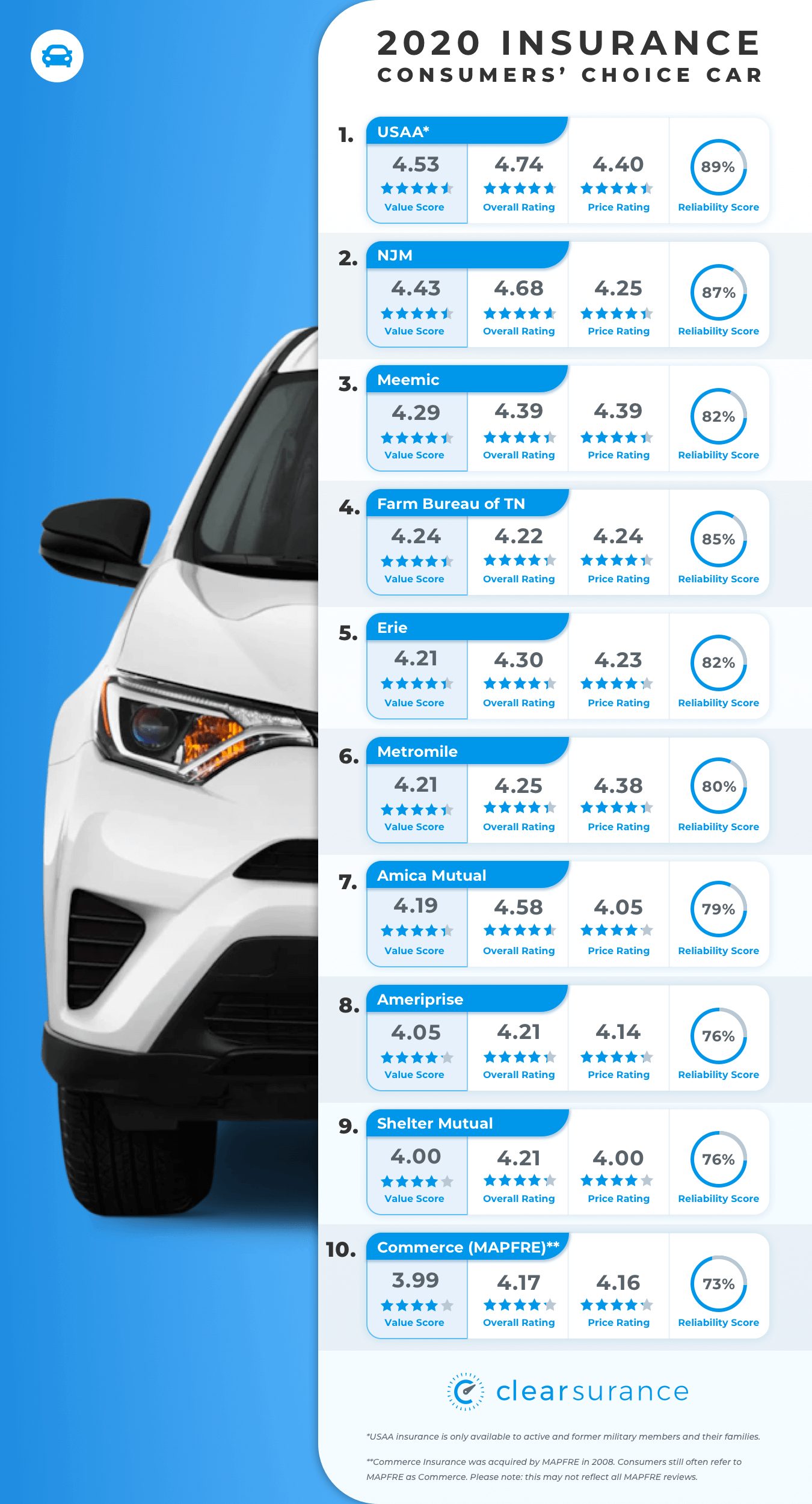
Conclusion: Defining Your Financial “Best”
Ultimately, the search for the “best” car insurance is an exercise in comprehensive financial planning. It is not merely about finding the lowest number on a quote generator, but about ensuring that your coverage limits are high enough to protect your wealth, your provider is stable enough to pay out in a crisis, and your premium is optimized through smart behavior and credit management.
To find your best fit, perform a bi-annual audit of your policy. As your net worth grows, your liability limits should increase. As your vehicle ages, your comprehensive coverage may need to be phased out. By viewing car insurance as a dynamic financial tool rather than a static expense, you can ensure that you are always protected by a policy that provides the maximum value for every dollar spent. In the intersection of risk and reward, the best car insurance is the one that serves as a silent, sturdy guardian of your financial future.
aViewFromTheCave is a participant in the Amazon Services LLC Associates Program, an affiliate advertising program designed to provide a means for sites to earn advertising fees by advertising and linking to Amazon.com. Amazon, the Amazon logo, AmazonSupply, and the AmazonSupply logo are trademarks of Amazon.com, Inc. or its affiliates. As an Amazon Associate we earn affiliate commissions from qualifying purchases.