
Navigating the landscape of car insurance is more than a regulatory box-ticking exercise; it is a fundamental component of a sophisticated personal finance strategy. For the modern driver, insurance serves as a primary defense mechanism against the erosion of personal wealth. Whether you are protecting a brand-new luxury vehicle or ensuring that a catastrophic accident doesn’t wipe out your savings account, understanding the nuances of various coverage types is essential.
Choosing the right car insurance requires a delicate balance between risk tolerance and financial capacity. It involves assessing your net worth, the value of your assets, and your daily exposure to risk. This guide breaks down the essential components of automotive insurance through the lens of financial planning, helping you determine exactly what coverage you need to secure your future.
Understanding Insurance as a Financial Safeguard
At its core, car insurance is a risk-transfer mechanism. You pay a relatively small, predictable premium to an insurance company in exchange for their promise to shoulder the burden of a potentially massive, unpredictable loss. From a wealth management perspective, the goal is not simply to have “insurance,” but to have the right insurance that prevents a single moment of misfortune from derailing your long-term financial goals.
The Danger of State Minimums
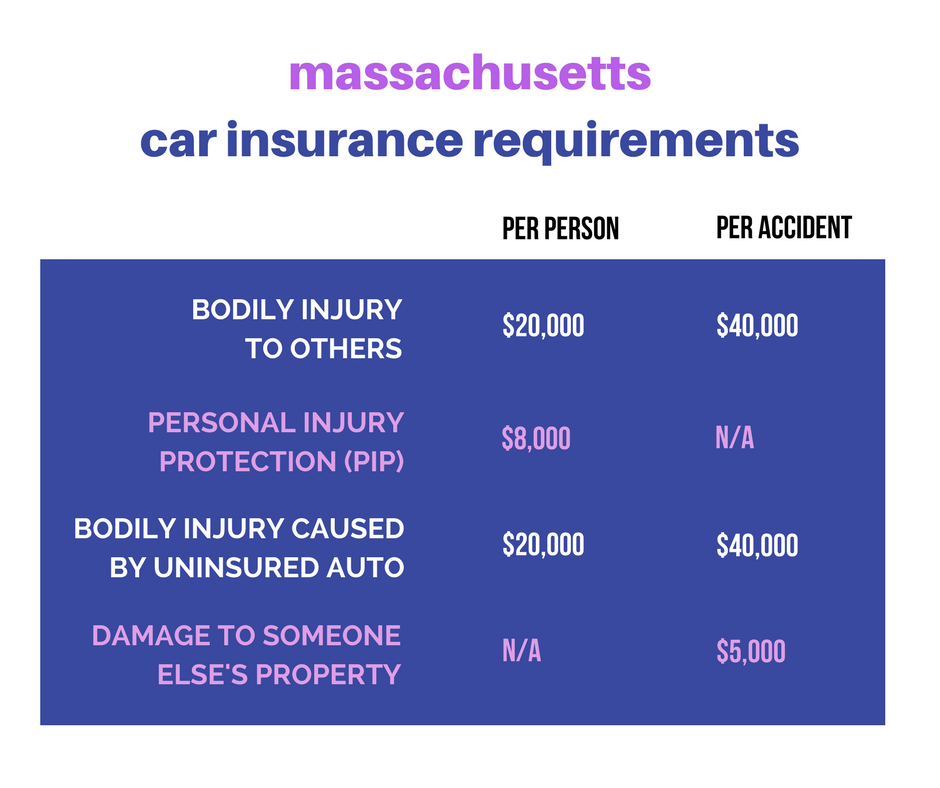
Most drivers start their journey by looking at the minimum legal requirements in their state. However, following state minimums is often a recipe for financial disaster. State requirements are designed to provide a baseline level of protection for the public, not to protect your personal assets. For example, if your state requires only $25,000 in property damage liability and you cause an accident involving a high-end electric vehicle or a multi-car pileup, you could easily be held personally liable for the remaining tens of thousands of dollars in damages. This could lead to wage garnishment, the forced sale of investments, or a significant blow to your credit score.
Protecting Your Net Worth
As your net worth grows, your insurance needs evolve. A young professional with significant student debt and few assets has a different risk profile than an established investor with a home, a diverse portfolio, and substantial savings. For the latter, car insurance functions as a shield for those assets. If you are found at fault in a major accident, the other party’s legal team will look at your total financial picture. If your insurance limits are too low, your personal wealth becomes the primary source for settlement.
The Essential Components of a Robust Policy
To build a policy that offers genuine financial security, you must understand the individual building blocks of coverage. Each component addresses a specific type of financial risk.
Liability Coverage: The Non-Negotiable
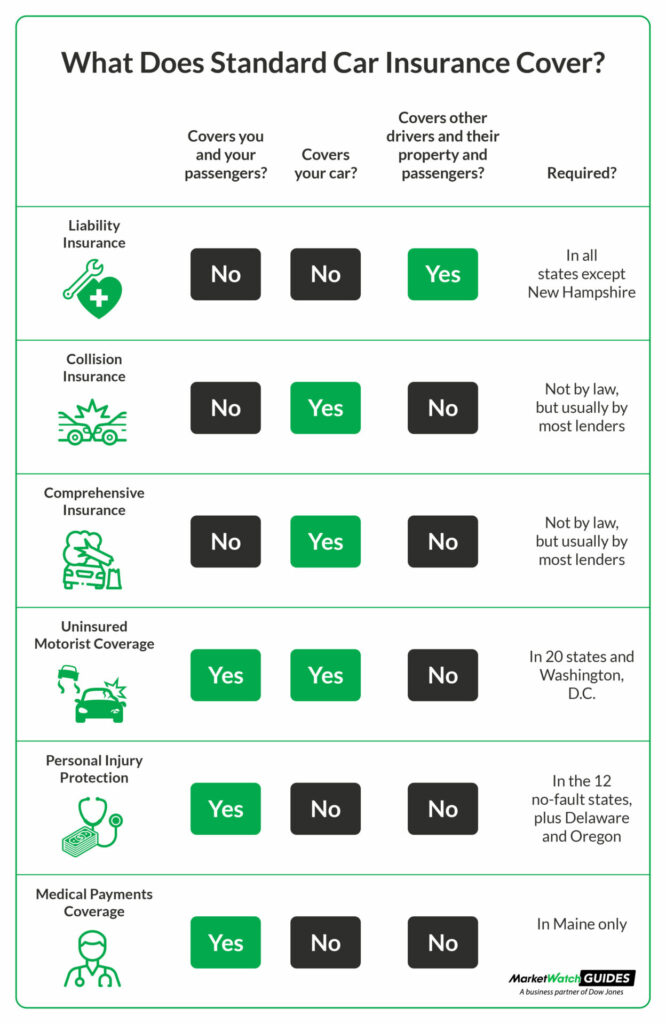
Liability coverage is the most critical part of your policy because it covers the costs associated with damage or injury you cause to others. It is typically split into two categories:
- Bodily Injury Liability: This pays for the medical bills, lost wages, and legal fees of the other party if you are at fault in an accident.
- Property Damage Liability: This covers the repair or replacement costs for the other driver’s vehicle or other property (like fences or storefronts) damaged in the collision.
In financial planning, we often recommend the “100/300/100” rule as a minimum starting point: $100,000 for bodily injury per person, $300,000 for bodily injury per accident, and $100,000 for property damage. For those with significant assets, even higher limits are advisable.
Collision and Comprehensive: Protecting the Asset
While liability protects your money from others, collision and comprehensive coverages protect the value of the car itself.
- Collision Insurance: This pays to repair or replace your car after an accident, regardless of who is at fault. If you have a loan or a lease, this is usually mandatory.
- Comprehensive Insurance: This covers “acts of God” or events outside of a collision. This includes theft, vandalism, fire, hail, and hitting an animal.
From a financial perspective, you should maintain these coverages if the cost of replacing your car would cause a significant financial hardship. However, if you drive an older vehicle with a low market value, the premiums for these coverages might eventually exceed the potential payout, at which point it makes sense to “self-insure” that specific risk.
Uninsured and Underinsured Motorist Protection
One of the most overlooked risks is the “other guy.” Despite legal requirements, millions of drivers operate vehicles without insurance, or with very low limits. Uninsured/Underinsured Motorist (UM/UIM) coverage protects you if you are hit by someone who cannot pay for your medical bills or car repairs. This is an essential tool for protecting your health and financial stability from the negligence of others.
Determining Your Coverage Limits Based on Asset Protection
Setting your limits is where personal finance strategy truly comes into play. It requires an honest audit of your current financial standing.
The Deductible Strategy
Your deductible—the amount you pay out of pocket before insurance kicks in—is a powerful lever for controlling your monthly cash flow. Choosing a higher deductible (e.g., $1,000 instead of $500) will lower your premium. However, this should only be done if you have a healthy emergency fund. If a $1,000 expense would force you to carry a balance on a high-interest credit card, a lower deductible is a safer financial choice. Conversely, if you have ample liquidity, taking the higher deductible and investing the premium savings can be a more efficient use of capital over time.
The Role of Umbrella Insurance
For individuals whose net worth exceeds the maximum limits offered by standard auto policies, an Umbrella Policy is a vital financial tool. These policies provide an extra layer of liability protection—usually starting at $1 million—that kicks in once your auto and homeowners’ insurance limits are exhausted. In a litigious society, an umbrella policy is a cost-effective way to buy peace of mind and protect a lifetime of wealth accumulation.
Medical Payments and PIP
Personal Injury Protection (PIP) or Medical Payments (MedPay) coverage handles the medical expenses for you and your passengers after an accident. While health insurance may cover some of these costs, PIP is often more comprehensive, covering lost wages and essential services that health insurance ignores. In many “no-fault” states, PIP is a legal requirement and serves as the primary source of immediate financial relief for medical trauma.
Specialized Coverages for Specific Financial Scenarios
Standard policies don’t always cover the unique financial risks associated with modern vehicle ownership.
Gap Insurance: The Depreciation Buffer
New cars lose a significant portion of their value the moment they leave the lot. If you financed your car with a small down payment, you might find yourself “underwater”—owing more on the loan than the car is worth. If the car is totaled, a standard insurance check will only cover the market value, leaving you to pay the remaining loan balance out of pocket. Gap insurance covers this difference, ensuring that a total loss doesn’t leave you with a debt for a car you can no longer drive.
Rental Reimbursement and Roadside Assistance
These are often viewed as “perks,” but they are actually small-scale hedges against lost productivity. If your car is in the shop for two weeks after an accident, the cost of a rental car can easily exceed $500. Rental reimbursement coverage costs a few dollars a month but prevents this sudden spike in your monthly expenses. Similarly, roadside assistance provides a safety net against the high cost of emergency towing and labor.
New Car Replacement Coverage
For those who prefer to drive the latest models, some insurers offer New Car Replacement coverage. If your car is totaled within the first year or two of ownership, the insurer will pay for a brand-new car of the same make and model, rather than just giving you the depreciated cash value. This is a premium feature, but for those who view their vehicle as a major lifestyle investment, it provides unparalleled security.
Strategic Ways to Optimize Your Insurance Premiums
Once you have identified the coverage you need, the final step is to optimize the cost. Insurance should be viewed as a necessary expense to be managed, not a fixed cost that is ignored.
Leveraging Bundling and Loyalty
Insurance companies value “multi-line” customers. Bundling your auto insurance with homeowners, renters, or life insurance can result in discounts of 10% to 25% across all policies. Furthermore, many companies offer “vanishing deductibles” or loyalty discounts for long-term policyholders with clean driving records.
Telematics and Usage-Based Models
The rise of Fintech has introduced telematics—devices or apps that track your driving habits. If you are a safe driver or someone who drives infrequently (e.g., a remote worker), usage-based insurance can drastically reduce your premiums. By allowing the insurer to quantify your low risk profile, you stop subsidizing the premiums of higher-risk drivers.
Conduct an Annual Insurance Audit
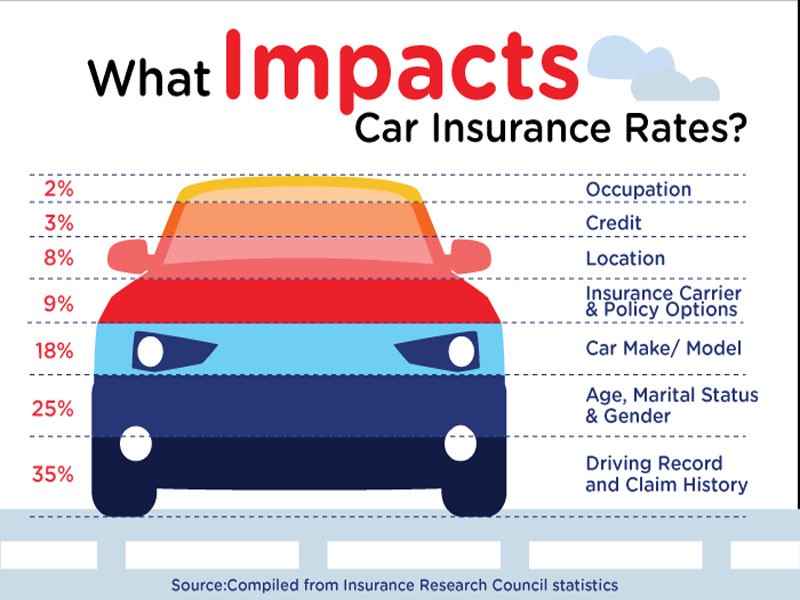
The insurance market is highly competitive and dynamic. Rates change based on new actuarial data, regional trends, and the company’s internal goals. It is a sound financial practice to shop your policy every 12 to 18 months. By comparing quotes from multiple carriers, you ensure that you are receiving the most competitive rate for the coverage you require.
In conclusion, “what car insurance you need” is a question that can only be answered by looking at your broader financial picture. It is a blend of legal compliance, asset protection, and proactive risk management. By securing high liability limits, choosing deductibles that align with your cash flow, and protecting against the specific risks of vehicle depreciation, you transform your car insurance from a simple bill into a sophisticated tool for wealth preservation. In the world of personal finance, the goal is to be prepared for the worst while positioning yourself for the best—and the right insurance policy does exactly that.
aViewFromTheCave is a participant in the Amazon Services LLC Associates Program, an affiliate advertising program designed to provide a means for sites to earn advertising fees by advertising and linking to Amazon.com. Amazon, the Amazon logo, AmazonSupply, and the AmazonSupply logo are trademarks of Amazon.com, Inc. or its affiliates. As an Amazon Associate we earn affiliate commissions from qualifying purchases.