
In the modern marketplace, a name is rarely just a label; it is a fundamental unit of brand identity. For corporations, millions of dollars are funneled into naming agencies to find a phonetic structure that conveys trust, innovation, or luxury. However, in the 21st century, the logic of corporate branding has migrated into the domestic sphere. When parents select a name for a child, they are acting as the primary architects of a lifelong personal brand.
Yet, this creative process is not a total vacuum. Just as a startup cannot trademark a generic term or an offensive slur, parents face a complex landscape of legal restrictions, cultural norms, and strategic pitfalls. Understanding what you cannot name your child requires a deep dive into the intersection of personal branding, intellectual property concerns, and the socioeconomic impact of linguistic identity.
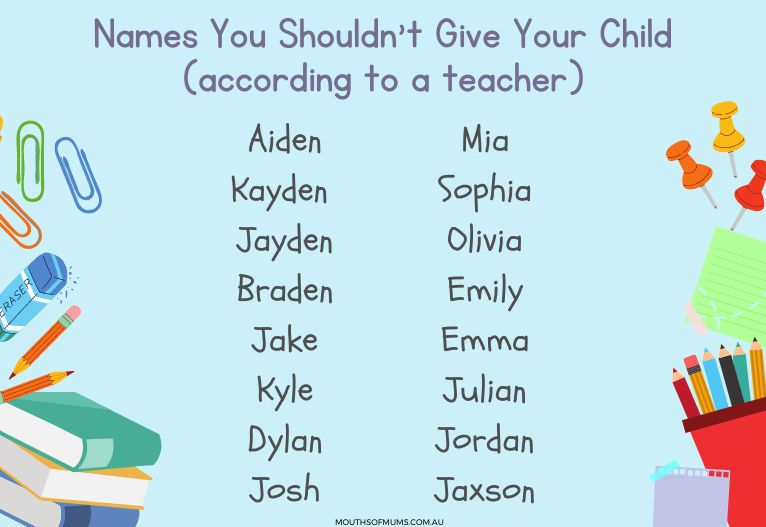
The Personal Brand Identity: Why a Name is Your First Trademark
From a brand strategy perspective, a name is the first touchpoint in a person’s public-facing narrative. It serves as the “logo” of the individual, the primary identifier that will appear on academic transcripts, resumes, social media handles, and eventually, professional certifications or business cards.
The Marketing of a Human
When we analyze personal branding, we look at how an individual differentiates themselves in a crowded market. A name that is too common—the “John Smith” dilemma—suffers from brand dilution. It lacks the unique identifiers necessary for strong brand recall. Conversely, a name that is too eccentric can suffer from “brand friction,” where the difficulty of pronunciation or spelling creates a barrier between the individual and their audience.
Strategic naming involves finding the “sweet spot” of differentiation. Parents are increasingly looking at name selection through the lens of brand positioning. Is the name evocative of tradition and stability (e.g., Elizabeth, William)? Or does it signal a disruptive, modern identity (e.g., Elon, Arlo)? The names that fall into the “cannot” category are often those that fail to provide a stable foundation for this future personal brand, either because they are legally prohibited or because they are strategically non-viable.
Digital Footprints and SEO from Birth
In the digital age, a name must also be “Google-able.” A child born today will inevitably have a digital footprint. From a brand management standpoint, naming a child something that is already a high-volume search term—such as naming a child “Apple” or “Amazon”—creates an immediate SEO nightmare.
The “un-nameable” in this context refers to names that are already “owned” by massive corporate entities. While it may not be strictly illegal in every jurisdiction to name a child after a global corporation, it is a strategic failure in personal branding. If a child’s name is a direct match for a dominant brand, their personal brand will forever live in the shadow of that company’s search engine results, making it nearly impossible for them to claim their own digital territory.
Legal Boundaries and Brand Infringement: When Names Hit a Wall
While the United States offers some of the most liberal naming laws in the world, many other nations treat naming with the same rigor a patent and trademark office treats a corporate filing. The restrictions often center on protecting the “integrity” of the individual’s future brand and preventing societal disruption.
The Copyright and Trademark Conflict
In many jurisdictions, you cannot name your child after a protected trademark if it is deemed to be a “commercial” use of the identity or if it brings the name into disrepute. Beyond trademarks, there are “functional” restrictions. For instance, in many parts of the U.S., you cannot include numbers or symbols in a name. You cannot name a child “1066” or “@.”
From a design and branding perspective, symbols and numbers are treated as metadata, not identifiers. Most government databases and digital infrastructure systems are built on alphabetic characters. Naming a child with non-alphabetic characters creates a technical incompatibility with the “operating systems” of modern society—the IRS, social security, and banking institutions. In this sense, these names are “forbidden” because they break the logistical flow of the personal brand’s interaction with the state.
Geographic and Cultural Restrictions
Certain countries have “approved lists” of names. In Iceland, the Naming Committee must approve any name not already in their register to ensure it conforms to Icelandic grammar and protects the child from embarrassment. In Germany and Denmark, gender-neutral names were historically restricted to ensure the “brand clarity” of the individual’s gender identity, though these laws are modernizing.
The “banned” lists in these countries often include names that are considered detrimental to the child’s future “marketability.” Names like “Lucifer,” “Cyanide,” or “Ikea” have been famously rejected by various high courts. These rulings are essentially a form of state-mandated brand protection; the government is intervening to prevent a parent from “devaluing” the child’s social capital before they have the chance to build it.

The Psychology of Brand Naming Applied to Children
A name carries a psychological weight that influences how an individual is perceived by “consumers” (employers, peers, and the public). When considering what one “can’t” or “shouldn’t” name a child, we must look at the psychological principles of naming that apply to both corporations and humans.
Cognitive Ease and Memorability
Successful brands are easy to process. This is known as cognitive fluency. Names that are excessively long, have counter-intuitive spellings (e.g., “Kviiily” for “Katelyn”), or utilize silent characters are “hard” for the brain to process. In the world of branding, if a name is hard to pronounce, people often associate it with higher risk or lower trust.
While a parent can legally choose an intentionally difficult name, from a strategic brand perspective, they “cannot” do so if they wish to minimize social friction for the child. A name that requires constant correction functions like a website with a broken user interface—it creates a negative user experience every time the “brand” is introduced.
Avoiding “Brand Confusion” and Unintended Associations
Corporate brands often fail because they don’t account for linguistic shifts or cultural nuances. This is the “Chevrolet Nova” effect (where “no va” means “doesn’t go” in Spanish). Similarly, a name that carries a heavy, negative cultural association becomes an “un-nameable” choice for a parent concerned with their child’s future brand equity.
Naming a child after a controversial historical figure or a fleeting pop-culture meme (e.g., “Khaleesi” or “Harlow”) ties the child’s personal brand to a specific moment in time or a specific set of values that may not age well. A name that is too “trendy” becomes a “dated brand” within a decade, much like a logo designed with 1990s-era gradients. Strategic naming requires a “timeless” quality that allows the brand to evolve as the individual grows.
Future-Proofing the Personal Brand: Strategic Considerations for Parents
If we view naming as the first step in a multi-decade brand strategy, then the “cannot” list expands from legal prohibitions to strategic blunders. Future-proofing a name involves looking at how the name will perform in a globalized, digital, and professional environment.
The Dot-Com Factor: Owning the Domain
In the current professional landscape, owning your own “real estate” is vital. A savvy brand manager (parent) will check the availability of domain names (FirstNameLastName.com) before finalizing a name. If the domain is already owned by a prominent figure or a parked domain site, the child’s future ability to control their personal brand online is diminished.
In this framework, a name that is “unavailable” as a digital asset should be viewed as a name you “cannot” (or should not) give your child. The lack of a clean digital entry point is a significant disadvantage in a world where personal websites and digital portfolios are becoming the standard for high-level professional roles.
Global Brand Scalability
We live in a globalized economy. A brand that works in one market but is an insult in another is a failed brand. Parents must consider the “phonetic cross-border compatibility” of a name. Does the name have an unfortunate meaning in a major world language? Is it pronounceable by speakers of other languages?
A name that fails the global scalability test is a name that limits the individual’s “market reach.” In the corporate world, this is why brands like “Google” or “Sony” are preferred—they are short, phonetic, and carry no inherent meaning in most languages, making them a blank slate for brand building.
Conclusion: The Parent as Brand Architect
The question of what you can’t name your kid is no longer just a matter of legal statues regarding obscenity or numerical characters. It is a matter of strategic foresight. A name is the foundation of an individual’s identity, the primary key in every database they will ever inhabit, and the first word on every application they will ever submit.
When parents move beyond the legal “cannot” and begin to consider the strategic “should not,” they are performing a sophisticated act of brand management. They are balancing the need for uniqueness with the necessity of clarity, and the desire for cultural relevance with the requirement for long-term equity. Ultimately, a name is the first gift of social and professional capital. Choosing a name that is legally sound, digitally available, and psychologically resonant is the first successful “product launch” a parent will ever oversee.
aViewFromTheCave is a participant in the Amazon Services LLC Associates Program, an affiliate advertising program designed to provide a means for sites to earn advertising fees by advertising and linking to Amazon.com. Amazon, the Amazon logo, AmazonSupply, and the AmazonSupply logo are trademarks of Amazon.com, Inc. or its affiliates. As an Amazon Associate we earn affiliate commissions from qualifying purchases.