
In the landscape of modern side hustles and small-scale agricultural business, poultry farming has emerged as a high-yield, accessible entry point for entrepreneurs. Whether you are managing a backyard flock for local egg sales or scaling a commercial broiler operation, your livestock represents more than just biological entities; they are “living capital.” In any asset-heavy business, the quality of inputs directly dictates the robustness of your margins. In the poultry world, the most significant recurring operational expense is feed, often accounting for 60% to 70% of total production costs.

Understanding “what chickens can’t eat” is not merely a matter of animal husbandry—it is a critical exercise in risk management and financial optimization. Ingesting the wrong materials can lead to catastrophic capital loss, reduced output (lower egg-laying frequency), and the depreciation of your “inventory” (the birds themselves). This guide examines the dietary prohibitions of chickens through the lens of business finance, ensuring your venture remains profitable, sustainable, and scalable.
The Economics of Avian Nutrition: Why Wrong Inputs Ruin Margins
In the world of personal finance and business, the concept of “garbage in, garbage out” is standard. If you invest in low-quality stocks, your portfolio suffers. Similarly, if a poultry business introduces toxic or non-nutritive “inputs” into its system, the Return on Investment (ROI) plummets.
The High Cost of Toxic Ingestion
When a chicken consumes something it shouldn’t—such as avocado skins, dried beans, or moldy grain—the financial impact is immediate. Unlike a minor machinery breakdown in a factory, a biological “breakdown” in a flock can be contagious or fatal. The loss of a single high-producing hen represents the loss of her initial purchase price (capital expenditure), the cost of the feed she has already consumed (sunk cost), and the projected revenue of 250–300 eggs per year (lost future cash flow). For a small business, a 10% mortality rate due to poor dietary oversight can be the difference between a profitable quarter and a net loss.
Impact on Egg Production and Revenue Streams
Even if an improper food source doesn’t kill the bird, it can “stall” the asset. Chickens are highly sensitive to nutritional imbalances. Salty scraps or sugary leftovers can trigger a “molt” or a cessation of egg-laying. In a business model built on daily deliverables, a week of zero production across a flock of 50 birds results in 350 missing units of inventory. When your revenue is tied to consistent supply chains, these interruptions can lead to a loss of contract or a decline in brand reliability among your local customer base.
Toxic Assets: Identifying Feed That Bankrupts the Flock
From a financial perspective, certain foods are “toxic assets.” They offer no nutritional value and carry a high probability of destroying the principal investment. To protect your business finance, you must strictly exclude these items from your operational environment.
Common Kitchen Scraps That Incur Veterinary Liabilities
Many entrepreneurs attempt to lower feed costs by utilizing “waste-to-value” models, such as feeding kitchen scraps to their birds. While this can be a savvy move for the bottom line, certain items are non-negotiable liabilities:
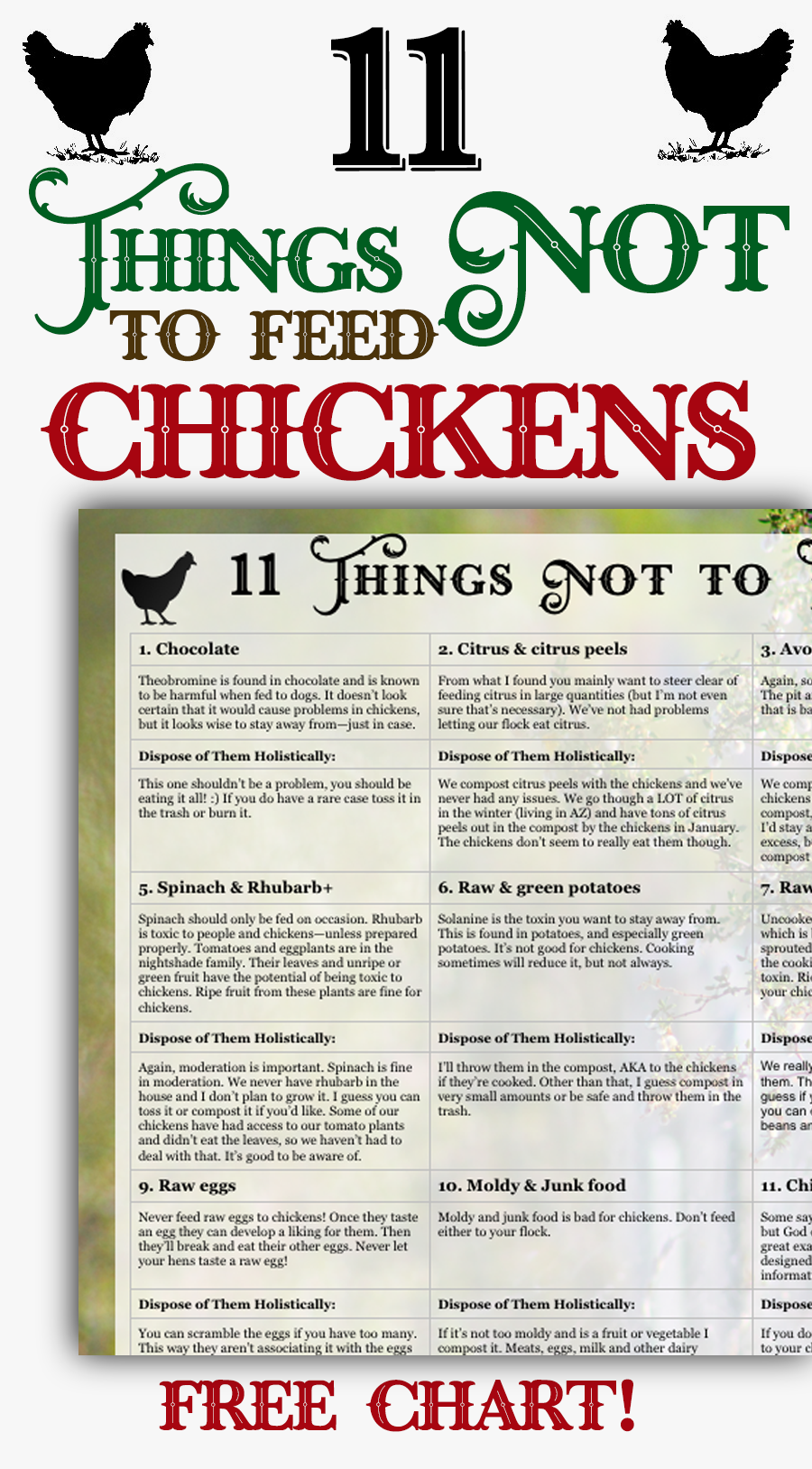
- Dried Beans: Contain phytohaemagglutinin, which is lethal to poultry.
- Avocados: The skin and pits contain persin, a toxin that can cause respiratory distress and heart failure.
- Green Potatoes and Tomatoes: Members of the nightshade family contain solanine. From a business standpoint, the risk of poisoning outweighs any “free” caloric value these scraps provide.
Avoiding these items is a form of “preventative maintenance.” The cost of a veterinarian visit for a flock usually exceeds the value of the birds themselves, making medical intervention a poor financial move compared to strict dietary prevention.
The Hidden Costs of Processed Sugars and Sodium
While humans may enjoy processed snacks, feeding them to chickens is a recipe for a “liquidity crisis.” High salt intake leads to kidney failure in birds, while excessive sugar leads to obesity and reduced egg-laying. An overweight hen is an inefficient machine; she consumes the same amount of expensive feed but produces fewer eggs. To maintain high operational efficiency, your birds must remain at peak athletic health. Processed foods represent “empty inputs” that inflate your feed conversion ratio (FCR)—the amount of feed needed to produce a pound of meat or a dozen eggs—thereby eating away at your net profit.

Risk Management: Protecting Your Livestock Investment
In any business, risk management involves identifying potential threats and implementing protocols to neutralize them. In poultry finance, your primary risks regarding “what they can’t eat” are often found in the environment and storage solutions.
Biosecurity and Feed Storage as Financial Insurance
One of the most dangerous things a chicken can eat is not a vegetable, but a fungus. Mycotoxins, produced by moldy feed, are “invisible thieves.” If feed is stored in a damp environment to save on infrastructure costs, the resulting mold can wipe out an entire flock in days.
Investing in high-quality, pest-proof, and moisture-controlled storage is not an expense; it is a capital investment in insurance. By ensuring that your birds never “eat” mold or rodent droppings (which carry salmonella), you protect the biosecurity of your operation. A salmonella outbreak doesn’t just kill birds; it can lead to legal liability, government fines, and the total shutdown of your business.
Legal Compliance and “Resale” Standards for Organic Markets
If your business model targets the “Organic” or “Non-GMO” niche market, what your chickens can’t eat is defined by regulatory bodies. Feeding your birds conventional grain or certain table scraps can disqualify your eggs from being sold at premium prices.
From a financial strategy standpoint, you must weigh the cost of “prohibited” cheap feed against the “premium” price of certified output. In many markets, organic eggs sell for 200% more than conventional eggs. If a lapse in dietary protocol costs you your organic certification, your revenue could be slashed by half overnight, despite your operating costs remaining largely the same.
Strategic Diversification: Beyond Traditional Feed
To maximize online income or local farm revenue, owners often look for ways to diversify the diet. However, diversification must be handled with the same scrutiny a fund manager applies to a portfolio.
The Financial Pitfalls of Over-Supplementation
Many owners fall into the trap of buying expensive supplements, vitamins, and “treats” for their chickens. While these are marketed as necessary, they often represent a “marketing tax” on the producer. If you are using a high-quality, nutritionally balanced commercial feed, most supplements are redundant.
In business terms, this is over-capitalizing on an asset. If a supplement costs $50 a month but only increases egg production by 2%, you are likely losing money on that transaction. Always perform a cost-benefit analysis before introducing new “inputs” into the diet.
Scaling Your Side Hustle Through Sustainable Sourcing
The most successful poultry businesses find ways to source “safe” inputs that others overlook. This includes partnering with local breweries for spent grain or grocery stores for “past-prime” (but not moldy or toxic) produce.
However, the “what they can’t eat” rule applies here with even more weight. You must vet your suppliers. If a local restaurant provides scraps that are heavily salted or contain onions and garlic (which can taint the flavor of the eggs, reducing their market value), that “free” resource is actually a liability. Sourcing is a negotiation of quality control.
Conclusion: The Bottom Line on Poultry Nutrition
In the final analysis, managing what chickens can’t eat is a fundamental pillar of poultry business finance. Every piece of toxic or inefficient food that enters the coop is a direct hit to your balance sheet. By treating your flock as a portfolio of productive assets, you move from being a hobbyist to a sophisticated operator.
The most profitable poultry ventures are those that prioritize:
- Capital Preservation: Keeping the birds alive by strictly avoiding lethal toxins like avocados, dried beans, and mold.
- Operational Efficiency: Ensuring a low Feed Conversion Ratio by avoiding “empty” calories and processed sugars.
- Market Positioning: Adhering to dietary standards that allow for premium pricing in the organic or pasture-raised sectors.
By mastering the “negatives”—knowing exactly what to keep out of the feeder—you create the space for positive growth, consistent cash flow, and a resilient agricultural business. In the world of money and livestock, what you don’t do is often just as important as what you do. Protect your “chickens,” and they will continue to lay the golden eggs of a stable, profitable side hustle.
aViewFromTheCave is a participant in the Amazon Services LLC Associates Program, an affiliate advertising program designed to provide a means for sites to earn advertising fees by advertising and linking to Amazon.com. Amazon, the Amazon logo, AmazonSupply, and the AmazonSupply logo are trademarks of Amazon.com, Inc. or its affiliates. As an Amazon Associate we earn affiliate commissions from qualifying purchases.