
American Express Membership Rewards (MR) points represent a flexible and powerful currency in the world of personal finance, particularly for those savvy about travel and optimizing their spending. Unlike simple cashback, these points offer a spectrum of redemption options, with varying values that demand a strategic approach to unlock their true potential. Understanding the nuances of each redemption path is crucial for maximizing the financial benefit derived from your card spending.
Understanding American Express Membership Rewards Value
At its core, the American Express Membership Rewards program is designed to reward cardholders for their everyday spending. However, not all redemptions are created equal. The value you extract from your points can fluctuate dramatically, ranging from a meager 0.5 cents per point (CPP) to well over 5 CPP, depending on your chosen redemption strategy. This variability makes it imperative for financially conscious individuals to understand the optimal pathways to ensure their hard-earned points translate into significant savings or luxury experiences. The program’s strength lies in its transferability, allowing points to be converted into various airline frequent flyer miles or hotel loyalty points, which often yield the highest redemption values.
Maximizing Travel Value: The Premier Redemption Strategy
For most cardholders, transferring Membership Rewards points to airline and hotel loyalty programs stands as the gold standard for maximizing value. This strategy typically provides a significantly higher return than direct bookings or other redemption methods.
Airline Transfer Partners
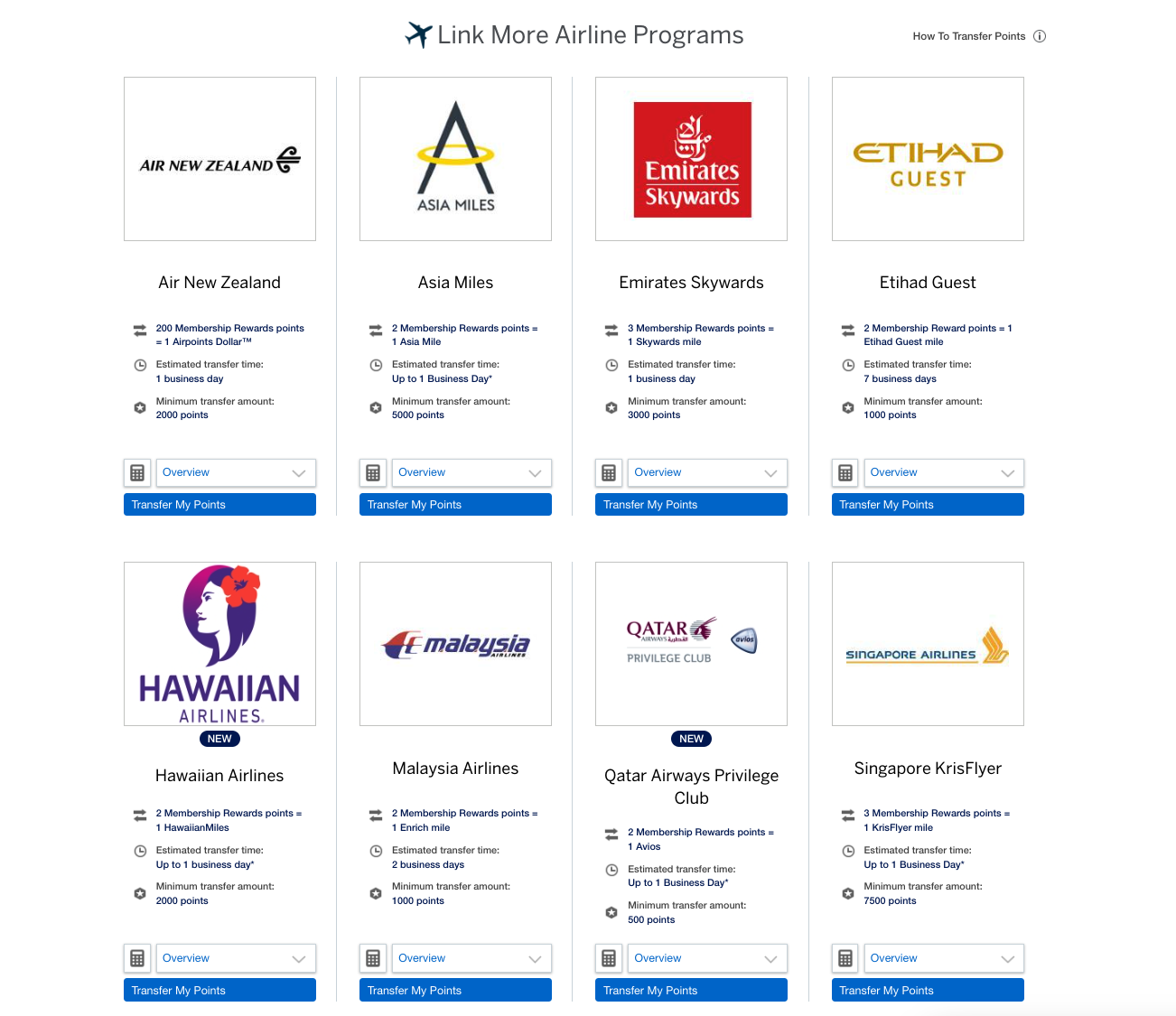
The most lucrative use of Amex points generally involves transferring them to one of American Express’s numerous airline partners. This allows you to book “award flights,” often in premium cabins like business or first class, at a fraction of the cash price. The value derived from these redemptions can often exceed 2 CPP, with many achieving 3-5 CPP or even more, particularly for international premium travel.
- Key Partners and Alliances: American Express partners with a diverse range of airlines, including major carriers like Delta SkyMiles (though often lower value), Emirates Skywards, ANA Mileage Club, Singapore Airlines KrisFlyer, Air Canada Aeroplan, British Airways Executive Club (Avios), Virgin Atlantic Flying Club, and many more. Each partner operates within different airline alliances (Star Alliance, SkyTeam, Oneworld, or independent partnerships), which further expands your reach to dozens of other airlines. For example, transferring to Air Canada Aeroplan can allow you to book flights on Star Alliance partners like Lufthansa, United, or Turkish Airlines.
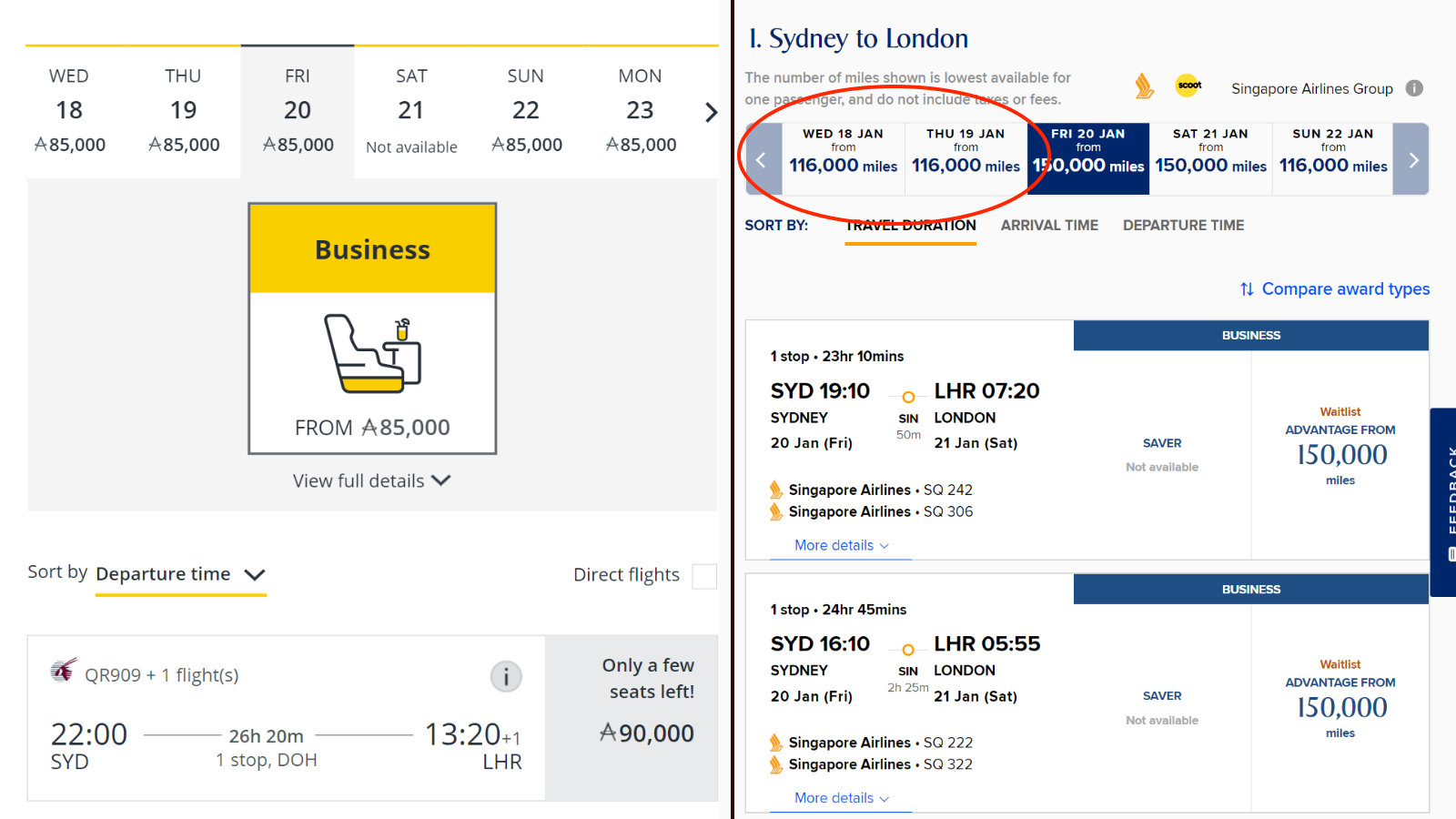
- Strategic Transferring: The key to success here is understanding individual airline award charts, searching for award availability before transferring points, and being flexible with your travel dates. Points transfers are almost always irreversible, so ensuring your desired redemption is available is paramount.
- Leveraging Transfer Bonuses: American Express frequently offers promotional bonuses, providing an extra 20% to 40% (or sometimes more) when transferring points to specific airline partners. Waiting for these bonuses can dramatically increase the value of your points, making an already good redemption exceptional. For instance, a 100,000-point transfer during a 30% bonus period would yield 130,000 airline miles, amplifying your purchasing power.
- Examples of High-Value Redemptions: Imagine using points for a lie-flat business class seat to Europe or Asia that would otherwise cost thousands of dollars. By leveraging partner award charts, such as using Virgin Atlantic Flying Club points to book ANA First Class, you can secure experiences that offer immense value compared to the cash equivalent, turning points into luxurious travel memories.
Hotel Transfer Partners
While generally not as high-value as airline transfers, converting Membership Rewards points to hotel loyalty programs can still be strategic, especially for expensive stays or when specific points are needed to top off an account.
- Marriott Bonvoy and Hilton Honors: American Express partners with Marriott Bonvoy and Hilton Honors. The transfer ratio for Marriott is typically 1:1, and for Hilton, it’s 1:2 (1 Amex point to 2 Hilton points). Due to the often higher cash cost of hotel rooms in certain destinations, using points for free nights can provide solid value, though rarely exceeding 1 CPP for Hilton, and sometimes reaching 0.7-1 CPP for Marriott.
- Strategic Use Cases: These transfers are most effective when cash rates for hotels are exceptionally high, or when you’re looking to extend a trip with a free night using points. They can also be valuable for reaching elite status tiers if your spending naturally accumulates points in these programs.
Amex Travel Portal Bookings
Booking flights, hotels, or rental cars directly through the Amex Travel portal offers convenience but typically provides a fixed, lower value for your points.
- Fixed Value Redemption: For flights, points usually redeem at 1 CPP. For hotels and rental cars, the value is often lower, around 0.7 CPP. While straightforward, this method rarely offers the outsized value found in airline transfers.
- When It Makes Sense: The Amex Travel portal can be useful when award space on partner airlines is unavailable, for very specific routes or dates, or when you prefer not to deal with the complexities of airline award charts and booking processes. It also allows you to book any available seat on any airline, unlike award bookings which are limited by airline inventory. For Business Platinum cardholders, there’s a unique perk offering 35% of points back when booking eligible flights, which can increase the effective redemption value significantly.
Everyday Value and Other Redemption Options
Beyond travel, Membership Rewards points can be redeemed for a variety of other purposes, though these options typically offer significantly lower financial value. Financial prudence dictates that these should generally be avoided unless absolutely necessary.
Statement Credits and Gift Cards
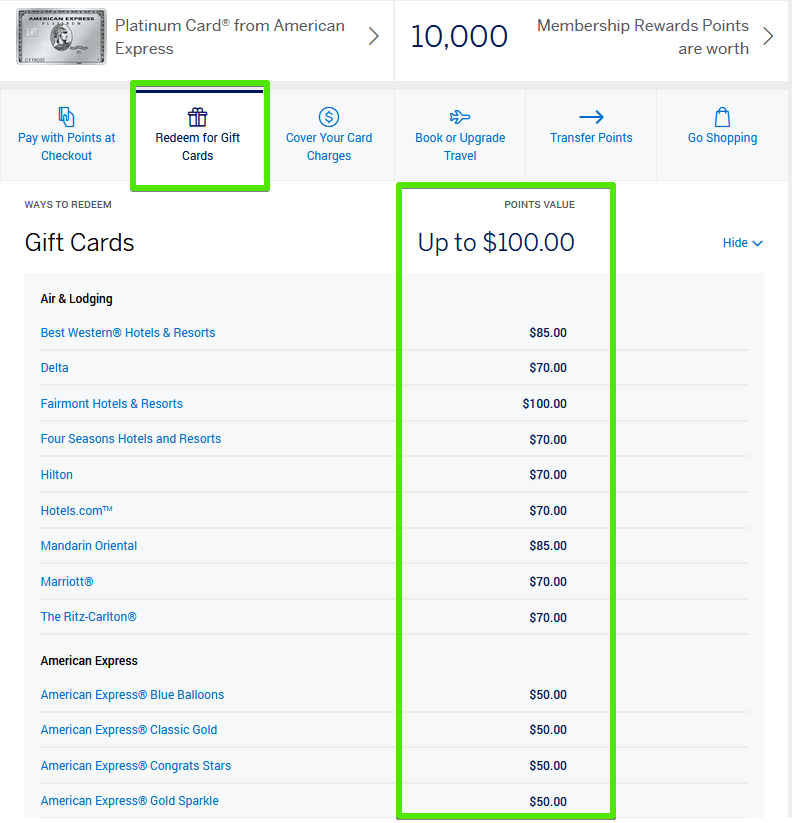
- Lower Return: Redeeming points for a statement credit typically yields around 0.6 cents per point. While it offers direct financial relief, it’s one of the least efficient uses of your points. Similarly, redeeming for gift cards usually offers a value of 0.7 CPP or less.
- Emergency Fund Substitute: In a genuine financial pinch, using points for a statement credit can act as an emergency measure, converting an asset into cash to cover essential expenses. However, for everyday financial management, it’s a poor long-term strategy.
Shopping with Points
- Severely Diminished Value: Options like using points to pay for purchases at Amazon.com, Best Buy, or other retailers generally offer a dismal value of 0.5 to 0.7 CPP. This means a $100 item would cost you 20,000 Amex points if redeemed at 0.5 CPP, whereas transferring those same points to an airline partner could yield travel worth several hundred dollars.
- Strong Recommendation Against: Financial advisors and points strategists universally advise against using points for these types of redemptions due to the significant loss in potential value. It’s often better to pay cash for these items and save your points for high-value travel redemptions.
Pay with Points at Checkout
Similar to shopping with points, “Pay with Points” options at various online retailers or even directly with Amex for certain charges also typically yield sub-optimal value. It’s designed for convenience but comes at a significant financial cost in terms of point depreciation. Always verify the redemption rate before proceeding.
Strategic Redemption for Business Owners and Cardholders
American Express offers specific cards tailored for business owners, and these often come with enhanced redemption opportunities that can integrate seamlessly into business finance strategies.
Pay with Points for Select Charges (Business Platinum Card)
The American Express Business Platinum Card offers a unique and highly valuable redemption option: cardholders can get 35% of their points back when using points to book a first-class or business-class flight with any airline, or an economy flight with their chosen qualifying airline (up to 1,000,000 points back per calendar year).
- Enhanced Effective Value: This effectively boosts the redemption rate for these specific bookings. For example, if you book a flight at 1 CPP, getting 35% back means you’re effectively paying only 0.65 CPP for the flight, giving an effective redemption value of approximately 1.54 CPP. This makes the Amex Travel portal a much more competitive option for Business Platinum cardholders under these specific conditions.
- Business Expense Management: This feature can be particularly useful for small business owners who frequently travel for work, allowing them to offset substantial travel costs with points while still receiving a strong return.
Financial Planning Integration
For individuals and business owners alike, integrating Amex point redemptions into a broader financial plan can lead to tangible benefits.
- Budgeting for Travel: By consistently earning and strategically redeeming Amex points for travel, households can significantly reduce their out-of-pocket travel expenses. This frees up cash that can then be reallocated to other financial goals, such as increasing savings, paying down debt, investing in retirement accounts, or funding other personal and business development initiatives.
- Opportunity Cost Analysis: Every low-value redemption represents an opportunity cost. Understanding that using 10,000 points for a $50 Amazon gift card means foregoing a potential $200+ in travel value is a critical component of smart financial planning. Prioritizing high-value redemptions aligns with maximizing the return on every dollar spent.
Advanced Strategies and Best Practices
To truly master the American Express Membership Rewards program, a few advanced strategies and best practices can ensure you’re always getting the most out of your points.
Understanding Point Valuations (Cents Per Point)
Always calculate the “cents per point” (CPP) for a given redemption. This is done by dividing the cash value of what you’re redeeming by the number of points required, then multiplying by 100.
- (Cash Value / Points Used) * 100 = CPP
Aim for redemptions that consistently yield 1.5 CPP or higher, with ideal travel redemptions often surpassing 2 CPP.
Timing and Flexibility are Key
- Transfer Only When Needed: Do not transfer points to airline or hotel partners speculatively. Once transferred, points cannot be returned to your Amex account. Only transfer when you have a confirmed award booking in mind and have verified availability.
- Be Flexible: Flexibility with travel dates, destinations, and even the class of service can dramatically increase your chances of finding high-value award availability. Award seats, especially in premium cabins, are capacity-controlled and often released sporadically.
Leveraging Transfer Bonuses
Always keep an eye out for Amex transfer bonuses. These promotional offers can boost your points by 20-40% or more when transferring to specific partners, making a good redemption even better. Subscribing to financial blogs or newsletters focused on travel rewards can help you stay informed about these limited-time offers.
The Membership Rewards Ecosystem
Remember that Membership Rewards points earned across various Amex cards (e.g., Gold, Platinum, Green, EveryDay, Business Gold, Business Platinum) all pool into a single account. This allows you to accumulate points rapidly and leverage the combined earning power of multiple cards for larger, more impactful redemptions.
By approaching American Express Membership Rewards points with a strategic mindset focused on maximizing their financial impact, you can transform everyday spending into extraordinary value, particularly through carefully planned travel redemptions.
aViewFromTheCave is a participant in the Amazon Services LLC Associates Program, an affiliate advertising program designed to provide a means for sites to earn advertising fees by advertising and linking to Amazon.com. Amazon, the Amazon logo, AmazonSupply, and the AmazonSupply logo are trademarks of Amazon.com, Inc. or its affiliates. As an Amazon Associate we earn affiliate commissions from qualifying purchases.