
Neuroscience, the study of the nervous system and its impact on behavior, cognition, and emotion, is often perceived as a highly specialized field confined to laboratories and medical institutions. While it undeniably forms the bedrock of advancements in medicine and understanding the human condition, a neuroscience degree today offers a surprisingly broad and dynamic spectrum of career paths. In an increasingly interconnected and technology-driven world, the analytical rigor, critical thinking, and profound insights into human and animal behavior gained through a neuroscience education are becoming invaluable assets across diverse industries. Far from being pigeonholed, neuroscience graduates are uniquely positioned to bridge the gap between complex biological systems and practical applications in technology, brand strategy, and even financial innovation.
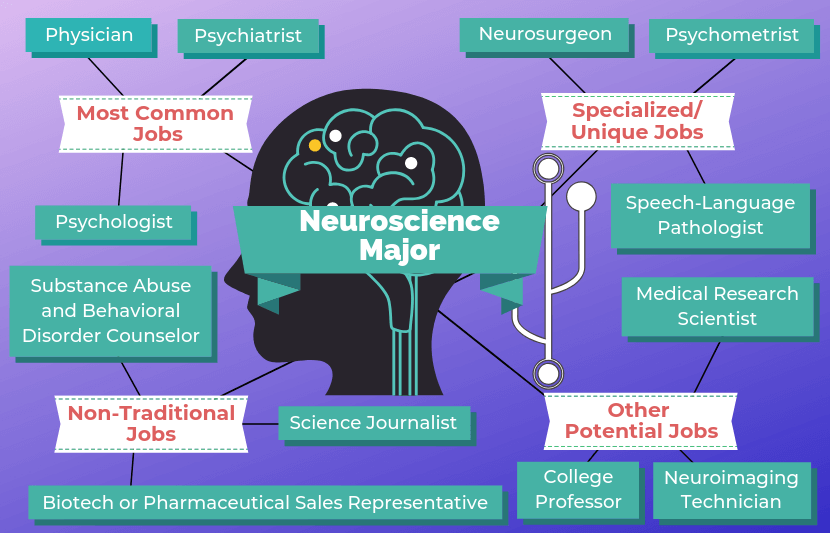
This article explores the expansive possibilities for neuroscience graduates, demonstrating how their specialized knowledge can be leveraged to drive innovation, shape consumer experiences, and create new opportunities in areas traditionally considered outside the realm of brain science, particularly within the contexts of technology, branding, and finance.
Bridging Brain Science and Technology: The Tech Frontier
The intersection of neuroscience and technology represents one of the most exciting and rapidly expanding frontiers for graduates. As we delve deeper into understanding the brain, we simultaneously develop more sophisticated tools to interact with it, mimic its functions, or enhance human capabilities. A neuroscience degree provides a fundamental understanding of how biological neural networks operate, making its holders uniquely equipped to contribute to the development of cutting-edge technological solutions.
AI, Machine Learning, and Cognitive Computing: Developing Smarter Systems
One of the most direct applications of neuroscience in technology lies in the field of Artificial Intelligence (AI) and Machine Learning (ML). The very architecture of many AI models, particularly deep learning neural networks, is inspired by the structure and function of the human brain. Neuroscientists bring an unparalleled perspective to designing more robust, efficient, and biologically plausible AI systems. They can contribute to:
- Algorithm Development: Informing the design of AI algorithms that more accurately simulate learning, memory, and decision-making processes observed in biological systems. This includes developing new machine learning models that can better interpret complex data patterns, much like the brain processes sensory information.
- Cognitive Computing: Working on AI tools that aim to replicate human cognitive functions, such as natural language processing (NLP), computer vision, and predictive analytics. Understanding how the brain handles these tasks provides critical insights for optimizing AI performance and developing more intuitive software.
- Neuro-Inspired Hardware: Collaborating with engineers to design specialized hardware (neuromorphic chips) that mimic brain architecture, leading to more energy-efficient and powerful computing solutions.
- Ethical AI Development: Applying a deep understanding of human cognition and bias to help develop AI systems that are fair, transparent, and minimize unintended societal consequences. Digital security in AI is paramount, and neuroscientists can contribute by understanding vulnerabilities that might arise from poorly modeled human interaction.
These roles often involve significant data analysis, programming, and a keen understanding of technology trends, making a neuroscience background exceptionally versatile for companies developing the next generation of smart software and AI tools.
Neurotechnology and Biotech Innovations: Wearables, BCI, and Diagnostics
Beyond pure AI, neuroscientists are at the forefront of developing tangible neurotechnologies that directly interact with or monitor the nervous system. This category is teeming with innovation, creating demand for experts who can translate complex biological principles into practical applications.
- Brain-Computer Interfaces (BCIs): Designing and refining BCIs that allow individuals to control external devices or communicate using only their thoughts. This ranges from medical applications for paralysis patients to potential future applications in augmented reality and human-computer interaction. Developing these gadgets requires intricate knowledge of brain signals and their interpretation.
- Wearable Neurodevices: Creating consumer-grade wearables that track brain activity (e.g., EEG headsets for meditation, focus, or sleep monitoring). Neuroscientists are crucial in ensuring the scientific validity, data interpretation, and user-friendliness of these products. Their expertise can also be applied to reviewing these gadgets for efficacy and safety.
- Neuro-Diagnostics and Therapeutics: Developing new diagnostic tools for neurological disorders (e.g., advanced imaging techniques, biomarker detection) and designing novel therapeutic interventions (e.g., deep brain stimulation protocols, targeted drug delivery systems).
- Digital Health and Mental Wellness Apps: Contributing to the development and scientific validation of mobile applications focused on mental health, cognitive training, stress reduction, and sleep improvement, often leveraging principles from cognitive neuroscience and behavioral psychology. Productivity apps can also benefit from neuroscientific insights into focus and habit formation.
In this space, neuroscientists are not just researchers but also innovators, product developers, and consultants who understand both the intricacies of the brain and the potential of technology to enhance human life. They play a vital role in ensuring digital security for sensitive neural data gathered by these devices.
User Experience (UX) and Human-Computer Interaction (HCI): Designing for the Brain
The principles of cognitive neuroscience are directly applicable to designing more intuitive, engaging, and effective user experiences. Understanding how the human brain processes information, makes decisions, and reacts to stimuli is paramount for creating successful software, apps, and digital interfaces.
- Cognitive UX Design: Applying knowledge of perception, attention, memory, and emotion to design user interfaces (UIs) that minimize cognitive load, guide user behavior, and maximize satisfaction. This includes optimizing layouts, color schemes, typography, and interaction flows.
- Usability Testing and Research: Conducting research to understand how users interact with digital products, identifying pain points, and leveraging neuroscientific methodologies (e.g., eye-tracking, galvanic skin response) to gather deeper insights beyond traditional surveys.
- Gamification and Engagement: Designing interactive experiences that leverage the brain’s reward systems and intrinsic motivation to encourage user engagement and foster positive habits, particularly relevant for educational apps, fitness trackers, and productivity tools.
- Accessibility: Ensuring that digital products are accessible to individuals with various cognitive abilities and disabilities, drawing upon an understanding of neurological differences.
Neuroscientists working in UX/HCI roles translate complex brain science into actionable design principles, creating digital products that resonate more effectively with human cognition and behavior. They might even create tutorials on how to design more brain-friendly interfaces.
Neuroscience as a Strategic Asset: Building Brands and Influence
Beyond the tangible world of technology, neuroscience offers profound insights into human decision-making, emotional responses, and social behavior—all critical elements in the realm of branding, marketing, and corporate communication. A neuroscience degree equips individuals with the ability to understand the ‘why’ behind consumer choices and the ‘how’ of effective communication, making them invaluable for shaping brand identity and market presence.
Neuromarketing and Consumer Behavior: Understanding the Buying Brain
Neuromarketing is an interdisciplinary field that applies neuroscientific methods to analyze and understand human behavior in relation to markets and marketing exchanges. Neuroscientists bring scientific rigor to the often qualitative world of marketing.
- Consumer Insights: Using brain imaging techniques (e.g., fMRI, EEG) and physiological measures (e.g., eye-tracking, skin conductance) to understand subconscious responses to advertisements, product designs, packaging, and brand messages. This provides deeper insights than traditional surveys or focus groups.
- Brand Strategy Development: Advising companies on brand strategy by identifying the emotional drivers and cognitive biases that influence consumer preferences and loyalty. This helps in crafting compelling narratives and corporate identity that resonate deeply with target audiences.
- Advertising Effectiveness: Optimizing advertising campaigns by understanding how different visual, auditory, and textual stimuli impact attention, memory, and emotional engagement. This often involves detailed case studies of campaign performance.
- Product Design and Pricing: Informing product design choices and pricing strategies based on how the brain perceives value, quality, and scarcity. Neuroscientists can help predict which design elements will elicit positive responses and influence purchase decisions.
- Reputation Management: Understanding the psychological underpinnings of trust and perception to help brands build and maintain a strong, positive reputation, especially during crises.
By understanding the “buying brain,” neuroscientists can help businesses create more impactful marketing campaigns, stronger brands, and more desirable products, fundamentally transforming brand strategy from guesswork to science-backed insight.
Personal Branding and Leadership: Leveraging Cognitive Insights for Impact
The principles of neuroscience extend beyond corporate branding to enhance personal effectiveness, leadership, and professional influence. Understanding how our own brains work, and how others perceive us, can be a powerful tool for personal branding and career advancement.
- Effective Communication: Applying knowledge of cognitive processing and emotional regulation to enhance communication skills, persuasion, and public speaking, making personal branding efforts more impactful. Understanding how to frame messages to appeal to different cognitive styles.
- Emotional Intelligence and Resilience: Developing a deeper understanding of emotional responses, both in oneself and others, which is critical for effective leadership, team building, and navigating workplace dynamics. Neuroplasticity insights can inform strategies for building resilience.
- Learning and Development: Leveraging neuroscientific principles to optimize personal learning strategies, enhance memory, and improve problem-solving abilities, leading to greater productivity and career growth. This can inform the creation of effective tutorials for skill development.
- Influence and Negotiation: Applying insights into social cognition, empathy, and decision-making biases to become more effective in negotiations and influencing stakeholders, key aspects of strong personal branding.
Neuroscientists can become sought-after coaches, consultants, or even authors who translate complex brain science into practical advice for personal and professional development, building a strong personal brand around their unique expertise.

Ethical Considerations in Neuro-Branding: Responsibility and Trust
As the ability to understand and influence the brain grows, so does the responsibility to use this knowledge ethically. Neuroscientists are uniquely positioned to navigate the complex ethical landscape of neuro-branding and related technologies.
- Data Privacy and Security: Advocating for and implementing robust digital security measures for neuro-data collected from consumers, ensuring responsible handling of highly sensitive personal information.
- Manipulation vs. Persuasion: Drawing clear lines between ethical persuasion based on understanding cognitive processes and manipulative tactics that exploit vulnerabilities, thus safeguarding brand reputation and consumer trust.
- Transparency and Informed Consent: Guiding organizations in transparent practices regarding the use of neuroscientific insights in marketing and product development, ensuring consumers are informed and have given consent.
- Regulatory Guidance: Contributing to the development of ethical guidelines and regulations for neuromarketing and neurotechnology, protecting both individuals and the broader societal landscape.
Neuroscientists can play a critical role as ethical watchdogs and advisors, ensuring that advancements in brain science are used to enhance human well-being and build trusted brands, rather than exploit cognitive biases.
Financial Acumen and Entrepreneurship: Monetizing Neuroscientific Knowledge
The highly analytical and problem-solving skills honed during a neuroscience degree, combined with an understanding of human behavior, create fertile ground for innovation in finance and entrepreneurship. Whether through startup ventures, investment strategies, or consulting, neuroscientists can apply their unique perspective to generate wealth and build successful businesses.
Startup Ventures and Innovation: Creating Neuro-Based Businesses
The burgeoning fields of neurotechnology, digital health, and AI present countless opportunities for entrepreneurial neuroscientists to launch their own businesses.
- Product Development: Identifying unmet needs in the market for brain-health products, cognitive enhancement tools, mental wellness apps, or neuro-rehabilitation devices, and developing innovative solutions from concept to market.
- Biotech Startups: Founding companies focused on developing novel diagnostics or therapeutics for neurological and psychiatric disorders, often leveraging cutting-edge research.
- Consulting Firms: Establishing firms that offer specialized neuroscientific expertise to businesses in tech, marketing, and healthcare, providing tailored insights and research. This is a direct pathway to online income and side hustles.
- Securing Funding: Leveraging their deep scientific understanding to articulate compelling business cases to investors, demonstrating the potential for growth and impact in their ventures. A strong grasp of business finance is crucial here.
Entrepreneurial neuroscientists are not just scientists; they are visionary leaders who can translate scientific breakthroughs into viable business models, contributing to economic growth and creating new online income streams.
Investment and Financial Decision-Making: Cognitive Biases and Market Psychology
Neuroscience provides powerful tools for understanding the often irrational aspects of human decision-making, which are particularly relevant in the volatile world of finance and investing. This field, known as behavioral finance, is a natural fit for neuroscience graduates.
- Behavioral Economics Research: Analyzing how cognitive biases (e.g., loss aversion, herd mentality, anchoring) influence investment decisions, market bubbles, and crashes. This research can inform better financial tools and strategies.
- Risk Management: Developing models that account for psychological factors in risk assessment, helping individuals and institutions make more informed financial choices and manage portfolios more effectively.
- Financial Advising: Applying an understanding of cognitive biases to help clients make rational financial decisions, avoid common pitfalls, and achieve their personal finance goals.
- Algorithmic Trading Insights: Contributing to the development of trading algorithms that anticipate and react to human-driven market anomalies, moving beyond purely fundamental or technical analysis.
Neuroscientists can bring a unique scientific perspective to personal finance and investing, helping both individuals and large financial institutions navigate the complexities of market psychology.
Consulting and Freelancing: Offering Specialized Neuro-Expertise
For those seeking flexibility and diverse challenges, a neuroscience degree opens doors to a thriving career in consulting or freelancing. The specialized knowledge base is in high demand across various sectors.
- Industry Consulting: Providing expert advice to pharmaceutical companies on drug development, tech companies on AI ethics, marketing agencies on consumer behavior, or healthcare systems on patient outcomes.
- Content Creation: Becoming an expert writer, blogger, or educator, creating engaging content (articles, tutorials, online courses) that translates complex neuroscience into understandable insights for a broader audience, thereby generating online income.
- Side Hustles: Offering specialized services such as data analysis for research institutions, contributing to grant writing, or providing scientific editing for publications. These can often be pursued as side hustles alongside other roles.
- Productivity Coaching: Applying cognitive neuroscience principles to help individuals and teams enhance productivity, focus, and time management.
A neuroscience degree provides the credibility and foundational knowledge to build a successful career as an independent expert, offering specialized services and generating diverse income streams.
The Evolving Landscape: Skills for the Modern Neuroscientist
While deep scientific knowledge remains paramount, the expanding applications of neuroscience demand a broader set of skills for today’s graduates.
Data Science and Analytics: The Language of the Brain
Modern neuroscience is inherently data-intensive. From analyzing brain imaging data to processing behavioral experiments or training AI models, strong data science and analytics skills are non-negotiable. This includes proficiency in programming languages (Python, R), statistical analysis, machine learning frameworks, and data visualization. These skills are critical across Tech, Brand, and Money applications, enabling neuroscientists to translate complex datasets into actionable insights.
Communication and Interdisciplinary Collaboration: Bridging Gaps
Given the highly interdisciplinary nature of the opportunities discussed, the ability to communicate complex scientific concepts to non-scientific audiences (e.g., engineers, marketing teams, investors) is crucial. Furthermore, the capacity to collaborate effectively across diverse teams – bringing together neuroscientists, software developers, brand strategists, and financial analysts – is essential for translating insights into real-world impact.
Conclusion
The traditional image of a neuroscientist confined to a lab coat is rapidly evolving. A neuroscience degree, once seen as a stepping stone primarily to academia or medicine, now serves as a robust foundation for an astonishing array of careers in the modern economy. By fostering analytical thinking, a deep understanding of human behavior, and the ability to grapple with complex systems, this discipline uniquely prepares graduates to innovate in technology, craft compelling brand strategies, and navigate the intricate world of finance.
Whether developing revolutionary AI tools and neurotechnologies, influencing consumer decisions through neuromarketing, or launching entrepreneurial ventures based on brain science, neuroscience graduates are positioned to be trailblazers. Their expertise is not just about understanding the brain; it’s about leveraging that understanding to solve real-world problems, enhance human experiences, and drive economic value in an increasingly brain-centric world. The future is bright for those who dare to apply their knowledge of the mind to the vast opportunities that lie at the intersection of science, innovation, and global markets.
aViewFromTheCave is a participant in the Amazon Services LLC Associates Program, an affiliate advertising program designed to provide a means for sites to earn advertising fees by advertising and linking to Amazon.com. Amazon, the Amazon logo, AmazonSupply, and the AmazonSupply logo are trademarks of Amazon.com, Inc. or its affiliates. As an Amazon Associate we earn affiliate commissions from qualifying purchases.