
A degree in kinesiology is a passport to understanding the marvels of human movement, performance, and health. Far from being a niche academic pursuit, it opens doors to an incredibly diverse range of career paths, from rehabilitative therapy to elite sports coaching, and even extends into the burgeoning worlds of health technology and entrepreneurial ventures. In today’s rapidly evolving professional landscape, a kinesiology degree offers a unique foundation, particularly when viewed through the strategic lenses of technology, personal branding, and astute financial management. This article will explore the multifaceted opportunities available to kinesiology graduates, demonstrating how these core disciplines intersect to create fulfilling and financially rewarding careers.
The Foundation: Traditional Kinesiology Paths and Their Evolving Landscape
At its core, kinesiology provides a deep understanding of biomechanics, exercise physiology, motor control, and the psychological aspects of human movement. This foundational knowledge is highly sought after in traditional healthcare and performance settings, but even these long-established roles are being continually reshaped by modern advancements.
Healthcare and Clinical Roles Transformed by Tech
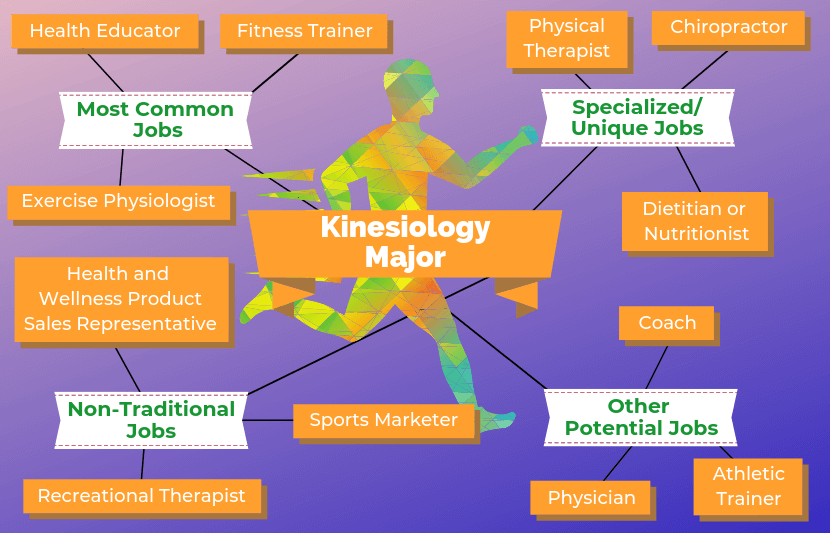
Many kinesiology graduates pursue advanced degrees or certifications to enter regulated healthcare professions. These include becoming physical therapists, occupational therapists, chiropractors, or athletic trainers. In these roles, the direct application of kinesiology principles is evident in diagnosing and treating musculoskeletal injuries, improving mobility, and enhancing patients’ quality of life.
However, the clinical landscape is experiencing a profound technological transformation. Technology now plays an integral role in patient assessment, treatment delivery, and progress tracking. Telehealth platforms allow therapists to conduct virtual consultations and guided exercise sessions, expanding access to care. AI-powered diagnostic tools assist in more precise injury analysis, while wearable sensors and digital rehabilitation programs provide objective data on patient recovery and adherence outside the clinic. Virtual reality (VR) and augmented reality (AR) are increasingly being used for immersive therapeutic exercises, making rehabilitation more engaging and effective. Kinesiologists who can leverage electronic health records (EHR) systems, specialized therapy software, and even develop custom digital rehab solutions are becoming indispensable assets in modern healthcare. The ability to interpret and utilize data from these technologies enhances patient outcomes and streamlines clinical operations.
From a money perspective, these roles often require significant investment in education (e.g., Doctor of Physical Therapy). However, they also offer stable and competitive salaries, with opportunities for growth into specialized areas or management. The potential for private practice ownership further allows for greater financial autonomy and income potential, especially when integrating technology to scale services.
Exercise Science and Performance Coaching: Branding Your Expertise
Beyond clinical settings, kinesiology graduates are highly valued in the fields of exercise science, strength and conditioning, and performance coaching. These professionals work with individuals and teams, from recreational exercisers to elite athletes, to optimize physical performance, prevent injuries, and promote general fitness.
This area is particularly ripe for the integration of technology and the power of personal branding. Modern performance coaching is no longer just about intuition; it’s heavily data-driven. Kinesiologists utilize wearable technology (e.g., smartwatches, fitness trackers, GPS devices, heart rate monitors, sleep trackers) to collect real-time data on training load, recovery, and physiological responses. Sophisticated performance analytics software helps coaches interpret vast amounts of data to tailor training programs, identify areas for improvement, and predict injury risk. Biofeedback devices and motion capture systems offer precise insights into movement patterns, allowing for highly individualized corrective exercises. Virtual coaching platforms and smart gym equipment enable remote training and personalized workout experiences, democratizing access to expert guidance.
Crucially, success in this competitive field often hinges on branding. Coaches who can articulate a unique philosophy, demonstrate tangible results, and build a strong online presence are far more likely to attract clients. This involves crafting a compelling personal brand through professional websites, engaging social media content (e.g., Instagram, TikTok, YouTube showcasing expertise), and consistent messaging that highlights their specialization. Building a reputation as an authority figure, whether it’s for Olympic weightlifting, endurance sports, or injury prevention, is vital.
Financially, this path offers significant entrepreneurial potential. Beyond traditional gym salaries, kinesiologists can leverage their brand to build independent coaching businesses, offering online programs, membership subscriptions, virtual consultations, and even developing their own fitness products. This creates diverse money streams and greater control over income, shifting from hourly wages to scalable business models.
Public Health and Community Wellness: Digital Reach and Impact
Kinesiology also plays a vital role in public health and community wellness initiatives. Graduates in these areas work to design and implement health promotion programs, corporate wellness strategies, and educational campaigns aimed at improving population-level physical activity and overall well-being.
Technology is revolutionizing how these programs are delivered and evaluated. Digital health campaigns leverage social media, mobile apps, and online platforms to disseminate health information and encourage participation in wellness challenges. Data analytics helps public health professionals track program effectiveness, identify health disparities, and tailor interventions to specific communities. App-based wellness programs provide accessible tools for individuals to manage their health goals, track progress, and receive personalized feedback.
For these roles, effective branding extends to community outreach and the communication of public health messages. Designing engaging and accessible health education materials, building partnerships with local organizations, and advocating for policies that support physical activity all involve strategic communication and ‘brand’ building for public health initiatives. Understanding how to communicate complex health information simply and persuasively is key.
Financially, roles in public health often involve working for government agencies, non-profit organizations, or large corporations. While salaries might be more structured than entrepreneurial ventures, there are opportunities for securing grant funding for innovative programs, which requires strong proposal writing and project management skills. These roles offer a sense of purpose and the opportunity to make a broad societal impact, with stable career progression and benefits.
Kinesiology Meets Innovation: Leveraging Tech for New Opportunities
The confluence of health, fitness, and technology is creating entirely new career avenues where a kinesiology degree provides a distinct advantage. Graduates with a passion for innovation can find themselves at the forefront of designing the future of health and movement.
Emerging Roles in Health Technology
Kinesiology graduates possess a unique understanding of human movement, physiology, and user behavior that is invaluable in the rapidly expanding health technology sector. This opens doors to roles that might seem non-traditional but are perfectly aligned with their expertise.

Consider positions in product development for fitness wearables, health apps, and medical devices. A kinesiologist can contribute significantly by ensuring that these products are not only scientifically sound but also intuitive and effective for users. Their insights into biomechanics and exercise science are crucial for designing accurate sensors, developing effective algorithms for activity tracking, and creating user-friendly interfaces. Similarly, in UX/UI design for health tech, understanding how people interact with technology during physical activity or rehabilitation is paramount. Kinesiologists can ensure that apps and devices are ergonomically sound, provide meaningful feedback, and motivate users effectively.
Furthermore, with the explosion of data generated by wearables and health apps, there’s a growing need for professionals who can perform data analysis in sports science and health. Kinesiologists trained in statistics and data interpretation can extract actionable insights from large datasets, informing product improvements, personalized recommendations, and scientific research. The integration of AI in movement analysis is another cutting-edge area where kinesiologists can thrive, working on projects that use machine learning to identify movement deficiencies, predict injury risk, or enhance athletic performance. Developing sensor technology for human movement, creating virtual reality (VR) and augmented reality (AR) applications for rehabilitation or training—these are all domains where a kinesiologist’s expertise is highly valued.
From a money perspective, roles in tech often come with higher salaries compared to traditional health fields, particularly in high-growth companies and startups. There’s also the potential for equity options and significant career advancement. The intellectual property developed in these roles can lead to further financial opportunities.
Digital Content Creation and Education: Monetizing Expertise
The digital age has democratized access to information and expertise, creating a massive market for online education and content. Kinesiology graduates are perfectly positioned to become thought leaders and educators in this space.
This involves creating online courses, building successful YouTube channels, writing specialized blogs, or hosting virtual workshops related to exercise, rehabilitation, nutrition, and overall wellness. The fundamental principles of kinesiology provide a robust scientific basis for this content, ensuring accuracy and credibility. Technology is the primary enabler here: platforms like Coursera, Teachable, and Thinkific allow anyone to develop and market online courses. YouTube and other video-sharing platforms provide avenues for visual content, while blogging platforms enable written communication. Essential digital tools include video editing software, graphic design tools, and search engine optimization (SEO) tools to ensure content reaches the widest possible audience.
Building a successful presence in this space is inherently about branding. It requires developing a unique voice, a clear niche, and consistent, high-quality content that establishes authority and trust. A kinesiologist who can translate complex scientific concepts into engaging, accessible, and actionable advice will naturally attract a loyal audience. This personal brand becomes the magnet for clients, students, and collaborators.
The money generation in digital content creation is highly scalable. Income can be derived from various sources: ad revenue on YouTube channels, direct sales of online courses and e-books, affiliate marketing for related products, sponsorships from brands, and even premium membership subscriptions for exclusive content. This entrepreneurial path allows kinesiologists to leverage their knowledge to build a global audience and generate substantial passive income, offering a high degree of financial independence.
Building Your Empire: Branding and Financial Savvy for Kinesiology Graduates
Regardless of the specific career path, long-term success for kinesiology graduates increasingly depends on developing a strong personal brand and mastering sound financial principles. These are not merely supplementary skills but core competencies for thriving in the modern professional landscape.
Personal Branding in a Competitive Landscape
In a world where digital presence often precedes physical interaction, personal branding is paramount. For kinesiologists working as coaches, therapists, consultants, or even in corporate roles, a well-defined brand differentiates them from competitors and clearly communicates their value proposition. This starts with identifying a unique selling proposition (USP)—what makes you distinct and valuable? Are you the expert in post-operative knee rehabilitation, high-performance coaching for ultra-marathoners, or corporate wellness solutions for desk-bound professionals?
Developing a strong online presence is non-negotiable. A professional website serves as your digital storefront, showcasing your expertise, testimonials, and contact information. LinkedIn is crucial for professional networking and demonstrating your qualifications. Curated social media profiles (e.g., Instagram for fitness professionals, Twitter for thought leadership) allow you to share insights, engage with your audience, and build a community around your brand. Effective technology use in this context means understanding social media analytics, utilizing website builders, and employing digital marketing tools to reach your target audience. Networking, both online and offline, remains critical for building relationships and securing opportunities. Consistency in messaging, visual identity, and professional conduct across all platforms reinforces your brand and builds trust.
Entrepreneurship and Financial Independence
For many kinesiology graduates, the path to greater fulfillment and financial reward lies in entrepreneurship. Starting a private practice, launching an online coaching business, or establishing a wellness consultancy offers unparalleled autonomy and the potential for significant income growth.
This journey demands a strong understanding of money management. Business planning is essential, including market research, defining services, and creating a robust business model. Securing funding, whether through personal savings, loans, or angel investors, requires a clear financial strategy. Pricing strategies must balance market competitiveness with perceived value and profit margins. Beyond initial setup, effective budgeting, cash flow management, and understanding tax implications are crucial for long-term sustainability. Scaling a business, perhaps by hiring staff, expanding service offerings, or developing digital products, requires continuous financial analysis and strategic investment. Technology supports entrepreneurship through e-commerce platforms (for selling services or products), online payment gateways, and customer relationship management (CRM) software to streamline client interactions and track sales. These tools free up time for kinesiologists to focus on delivering high-quality services and growing their brand.
Navigating the Financial Landscape
Beyond entrepreneurial ventures, kinesiologists must also be adept at navigating their personal financial landscape. Understanding typical salary expectations across different fields and experience levels (entry-level, mid-career, senior) is vital for career planning. It’s important to recognize that while some entry-level roles might have modest starting salaries, the potential for growth with experience and advanced certifications is significant.
Investing in continuing education and specialized certifications (e.g., CSCS for strength and conditioning, specialized manual therapy techniques) can significantly enhance earning potential and career mobility. Financial planning for the long term involves more than just earning; it includes budgeting, saving, investing for retirement, and strategically managing debt, especially student loans that are common in advanced healthcare degrees. Diversifying income streams, perhaps through a combination of full-time employment, freelance consulting, or online content creation, can provide greater financial security and opportunities for wealth building. Kinesiologists who actively manage their finances, invest in their professional development, and look for synergistic opportunities between their core skills, technology, and branding will be best positioned for sustained financial success.
Conclusion
A kinesiology degree offers a remarkably dynamic and rewarding professional journey. It equips graduates with a profound understanding of human movement, health, and performance—knowledge that is increasingly critical in an aging population and a health-conscious society. However, to truly unlock its full potential, graduates must embrace an interdisciplinary approach, actively integrating the principles of technology, personal branding, and astute financial management.
From leveraging cutting-edge health tech in clinical practice to building an influential online brand as a performance coach, and from analyzing health data for public wellness programs to launching a profitable entrepreneurial venture, the opportunities are vast. The future success of kinesiology graduates lies not just in their scientific expertise, but in their ability to adapt to technological advancements, strategically market their skills, and manage their financial resources effectively. By cultivating an adaptable mindset, committing to continuous learning, and viewing their degree as a foundation for innovation and entrepreneurship, kinesiology graduates are poised to make a profound impact, shaping the future of health, wellness, and human performance while forging truly fulfilling and prosperous careers.
aViewFromTheCave is a participant in the Amazon Services LLC Associates Program, an affiliate advertising program designed to provide a means for sites to earn advertising fees by advertising and linking to Amazon.com. Amazon, the Amazon logo, AmazonSupply, and the AmazonSupply logo are trademarks of Amazon.com, Inc. or its affiliates. As an Amazon Associate we earn affiliate commissions from qualifying purchases.