
In the vast and interconnected tapestry of the digital world, few concepts are as fundamental, yet often misunderstood, as the Internet Protocol (IP) address. Far from being a mere string of numbers, an IP address serves as the unique digital identifier for every device connected to a network, whether it’s your smartphone, laptop, a smart home gadget, or a towering server in a data center. It’s the digital equivalent of a postal address, ensuring that information sent across the internet reaches its intended destination and that replies find their way back.
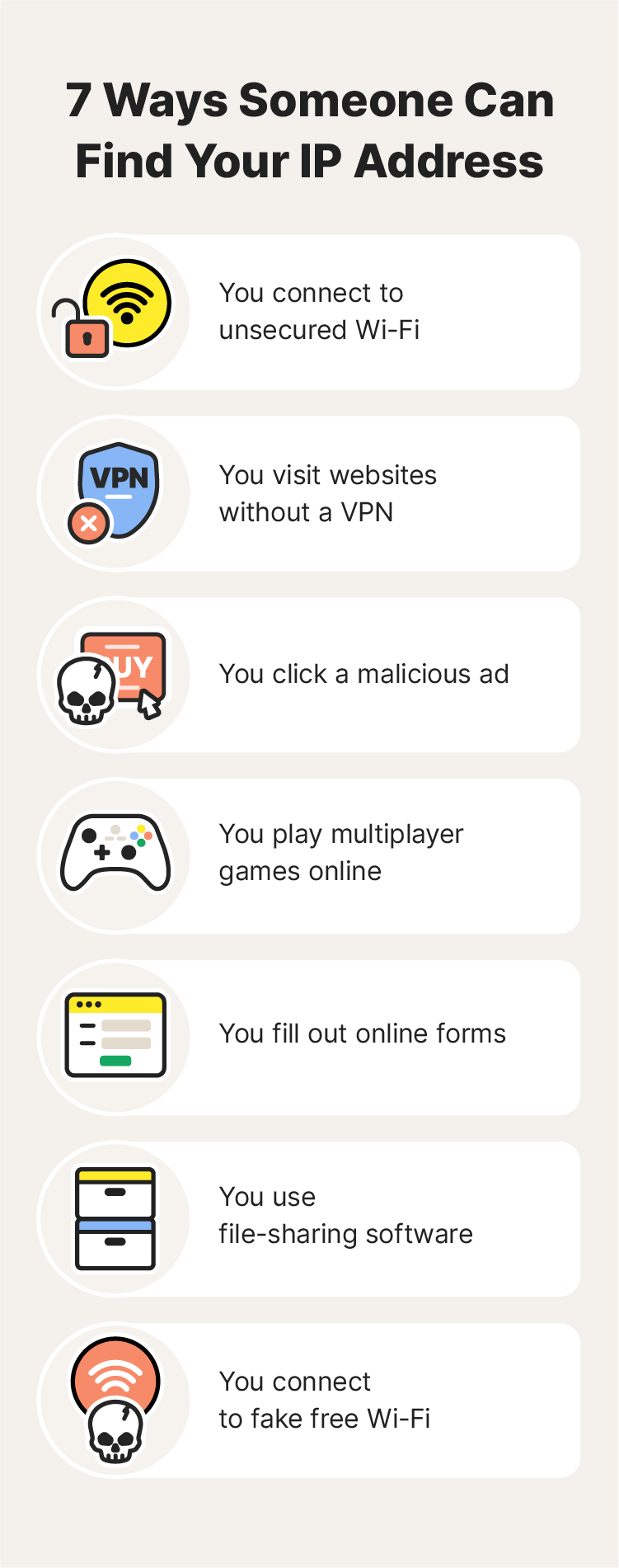
But the utility of an IP address extends far beyond simple communication. Depending on who you are—a tech enthusiast, a brand strategist, an entrepreneur, or a cybersecurity professional—an IP address can be a tool for connectivity, a source of crucial data, a security asset, or even a privacy concern. This article will delve into the multifaceted capabilities and implications of IP addresses, exploring their significance across technology, branding, and finance, and unveiling the surprising breadth of what you can truly do with this ubiquitous digital marker.
The Technological Core: Understanding and Utilizing IP Addresses
At its heart, an IP address is a technological marvel, the bedrock upon which the internet’s functionality is built. Understanding its core mechanics is key to appreciating its diverse applications. From basic networking to advanced digital security, IP addresses are the silent workhorses enabling our digital lives.
Basic Functions and Networking Fundamentals
Every time you send an email, stream a video, or browse a webpage, IP addresses are hard at work behind the scenes. Their primary function is to facilitate communication between devices. When your computer requests a webpage, it sends a packet of data, stamped with its own IP address and the IP address of the website’s server. This ensures the server knows where to send the requested data back. This seamless exchange is governed by the Internet Protocol, a set of rules that dictate how data is formatted and addressed for transmission.
There are two primary versions of IP addresses in use today: IPv4 and IPv6. IPv4, the older and more common standard, uses 32-bit addresses (e.g., 192.168.1.1), allowing for approximately 4.3 billion unique addresses. However, with the explosive growth of connected devices, IPv4 addresses are rapidly depleting. IPv6, introduced to address this scarcity, uses 128-bit addresses (e.g., 2001:0db8:85a3:0000:0000:8a2e:0370:7334), offering an astronomical number of unique addresses, effectively future-proofing the internet. While IPv6 adoption is steadily increasing, most networks still rely heavily on IPv4, often using techniques like Network Address Translation (NAT) to conserve addresses.
Beyond identifying individual devices, IP addresses also define their location within a network. This can be a Local Area Network (LAN), like your home Wi-Fi, or a Wide Area Network (WAN), which connects multiple LANs and ultimately forms the internet. Most devices at home use “dynamic” IP addresses assigned by their router or Internet Service Provider (ISP), which can change over time. Businesses and servers often opt for “static” IP addresses, which remain constant, ensuring reliable access for services hosted on those machines. These fundamental distinctions underpin much of how we interact with and manage digital systems.
Digital Security and Privacy Implications
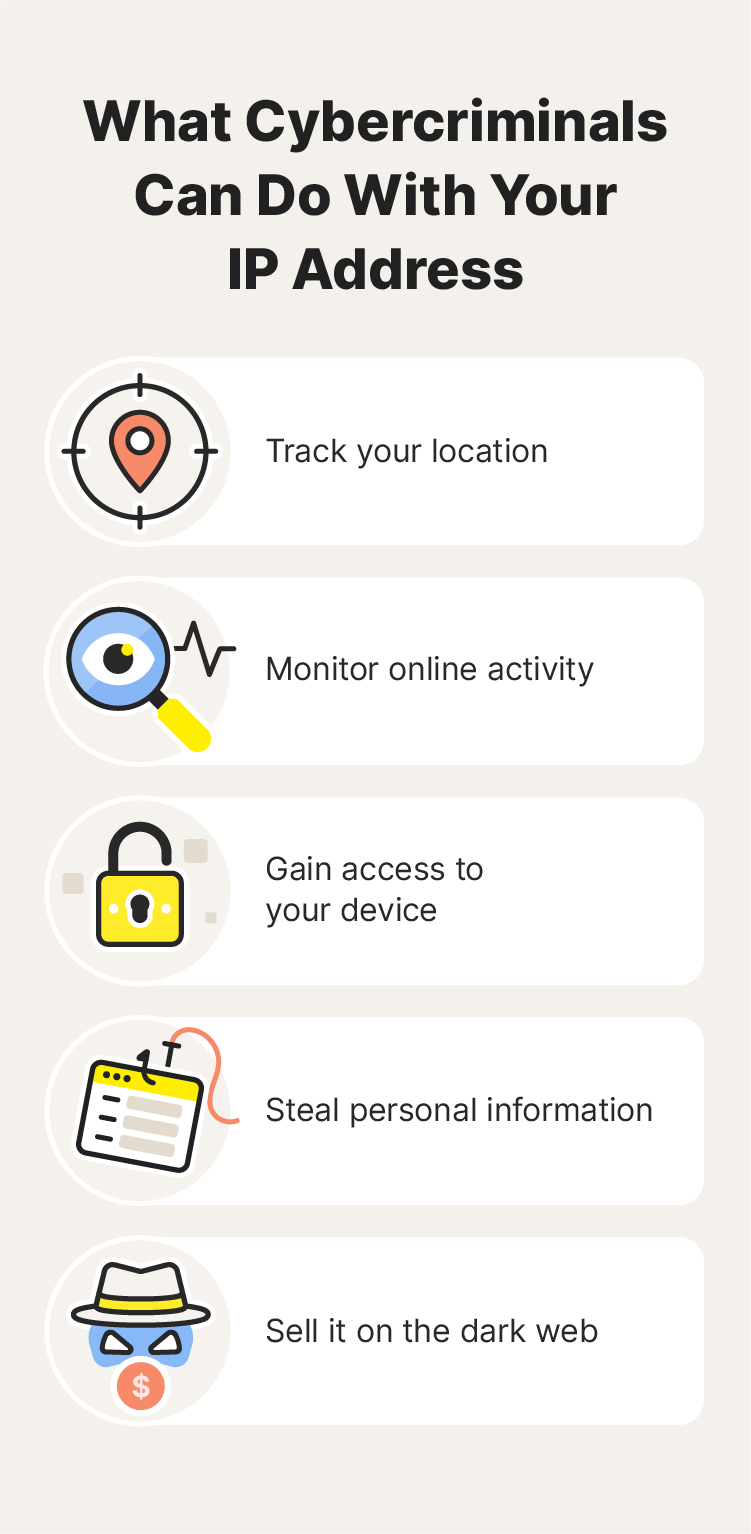
The very characteristic that makes IP addresses so useful—their ability to identify a device’s location—also makes them central to both digital security and privacy discussions. For security professionals, an IP address is a crucial data point. It allows for the identification of sources behind cyberattacks, enabling the implementation of firewall rules to block malicious traffic originating from specific IP ranges. In the event of a Distributed Denial of Service (DDoS) attack, identifying and filtering out the IPs of compromised machines can be critical for maintaining service availability. Digital forensics investigations often begin with tracing IP addresses to reconstruct attack pathways and identify perpetrators.
Conversely, for individuals, IP addresses can be a gateway to privacy concerns. Every website you visit logs your IP address, allowing for geographical location tracking (geolocalisation) that can pinpoint your city, state, or even neighborhood with reasonable accuracy. This data, often aggregated with other browsing habits, can be used to build profiles about users. Concerns over such tracking have led to a surge in the popularity of privacy tools. Virtual Private Networks (VPNs) work by routing your internet traffic through an encrypted server operated by the VPN provider, effectively masking your real IP address with the server’s IP. Similarly, proxy servers and anonymity networks like Tor provide layers of indirection, making it exceedingly difficult to trace online activity back to your original IP address, thus enhancing personal privacy.
Advanced Tech Applications and Tools
Beyond the basics, IP addresses power a myriad of advanced technological applications. Network administrators use them extensively for monitoring network traffic, troubleshooting connectivity issues, and managing access controls. For instance, an admin might set up a VPN server that only allows connections from a specific set of trusted IP addresses, bolstering corporate network security. In the realm of software development, IP addresses are fundamental for server management, API communication, and ensuring different components of a distributed application can find and interact with each other. Cloud computing platforms, for example, leverage sophisticated IP addressing schemes, including virtual IPs and load balancers, to efficiently distribute incoming traffic across multiple servers, ensuring high availability and scalability.
The burgeoning Internet of Things (IoT) ecosystem is another area where IP addresses play a critical role. Every smart device, from light bulbs to security cameras, requires an IP address to communicate with its central hub or the internet. Managing hundreds or thousands of these devices often involves intricate IP allocation and network segmentation strategies. Even the development of Artificial Intelligence (AI) tools indirectly benefits from IP address data. While AI models primarily process larger datasets, the geographic information derived from IP addresses can inform location-based services, enhance recommendation engines, and provide regional insights for various AI-driven applications, demonstrating the far-reaching utility of this foundational element of the internet.
IP Addresses in the Realm of Branding and Marketing
For businesses and marketers, an IP address is far more than a technical identifier; it’s a valuable source of insight that can inform strategy, personalize experiences, and protect brand integrity. In today’s competitive landscape, leveraging IP-derived data is crucial for effective branding and marketing efforts.
Tailoring User Experience and Content
One of the most immediate applications of IP addresses in branding is geotargeting. By identifying a user’s geographical location through their IP address, businesses can deliver highly relevant and localized content, advertisements, and product offerings. Imagine visiting an e-commerce site that automatically displays prices in your local currency and shipping options available to your country, or an advertising platform that ensures you only see ads for businesses operating in your city. This personalization significantly enhances the user experience, making interaction more seamless and relevant.
Geotargeting extends to language preferences, local news, and region-specific promotions. A global brand might use IP data to present its website in the user’s native language or showcase product variants popular in their specific region. This level of customization not only improves user engagement but also builds a stronger connection between the brand and its audience, fostering a sense of understanding and catering to individual needs. By appearing more attuned to local nuances, brands can cultivate a global presence with a localized touch, which is paramount for establishing a strong, relatable brand identity across diverse markets.
Brand Protection and Reputation Management
In an era of increasing cyber threats and online competition, IP addresses are critical tools for brand protection and reputation management. Brands can use IP address data to monitor for and identify sources of malicious activity targeting their online assets. This includes tracking down the origins of botnets launching DDoS attacks against their websites, identifying IP addresses used for spam campaigns impersonating their brand, or detecting phishing attempts. By actively monitoring suspicious IP ranges, companies can implement preventative measures like IP blacklisting, effectively blocking known bad actors from accessing their services or infrastructure.
Furthermore, IP analysis can help in the fight against copyright infringement and unauthorized usage of brand assets. If a brand discovers its intellectual property being illegally distributed or used without permission, IP tracking can assist in identifying the geographical location and potentially the hosting provider of the infringing content, enabling legal action or takedown requests. This proactive approach safeguards a brand’s intellectual property and maintains its market exclusivity. By understanding the geographic distribution of their audience, brands can also make informed decisions about where to focus their marketing efforts, protect their trademarks in specific regions, and ensure consistent brand messaging globally, all contributing to a robust corporate identity and a strong reputation.
Web Analytics and Audience Insights
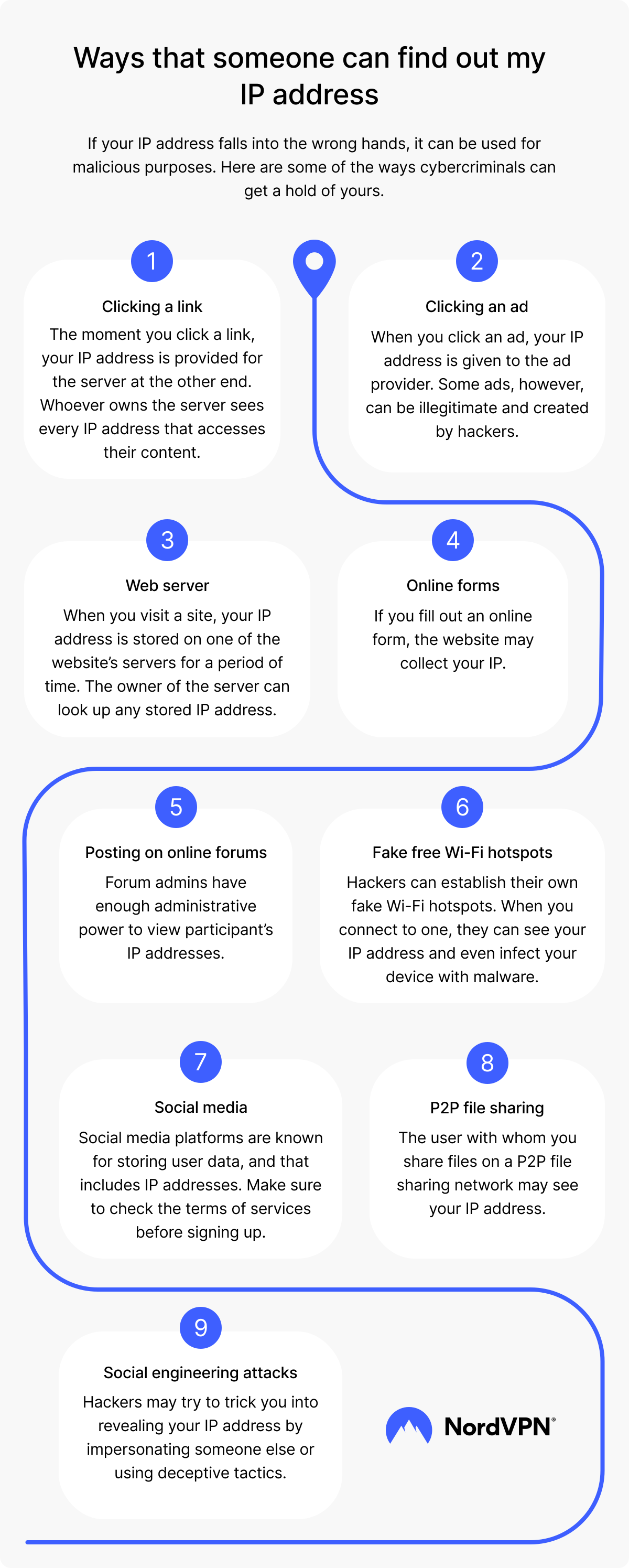
For marketers, IP addresses are an invaluable component of web analytics, offering deep insights into audience behavior and demographics. Website analytics tools like Google Analytics track IP addresses to distinguish between unique visitors and repeat visits, providing a more accurate picture of audience size and engagement. While individual IPs are usually anonymized for privacy reasons in aggregate reports, their underlying data is still used to derive crucial information.
By analyzing the geographical distribution of visitors based on their IP addresses, brands can understand their audience’s global reach, identify emerging markets, and pinpoint regions where their brand resonates most strongly. This data can inform brand strategy, helping allocate marketing budgets more effectively and tailor campaigns to specific geographic segments. Moreover, IP addresses play a role in detecting advertising fraud, such as click fraud, where automated bots or malicious actors repeatedly click on ads to deplete a competitor’s budget. By identifying and filtering out clicks originating from suspicious or non-human IP addresses, brands can ensure their advertising spend is genuinely reaching potential customers, thereby optimizing marketing ROI and strengthening their brand’s digital presence.
The Financial Dimensions: IP Addresses and Economic Activity
In the world of money, from personal finance to large-scale investing and online income generation, IP addresses silently underpin many critical operations. They are integral to security, compliance, and the very mechanics of how digital transactions and financial services operate.
E-commerce and Fraud Prevention
For online businesses and consumers alike, security in e-commerce is paramount. IP addresses serve as a crucial layer of defense against financial fraud. When you make an online purchase, many e-commerce platforms and payment gateways compare your current IP address with the billing and shipping addresses provided. A significant mismatch (e.g., an order placed from an IP address in one country with a billing address in another) can trigger a fraud alert, prompting further verification or even cancellation of the transaction. This helps prevent unauthorized use of credit cards and protects both merchants and consumers from financial losses.
Furthermore, IP addresses enable geoblocking, a practice where access to certain products, services, or even entire websites is restricted based on the user’s geographical location. This is particularly relevant for industries subject to specific regional regulations, such as online gambling, streaming content with territorial licensing agreements, or the sale of certain controlled substances. By using IP addresses to enforce these restrictions, businesses ensure compliance with local laws, mitigate legal risks, and can even implement dynamic pricing strategies that reflect market conditions or tax regulations in different regions, directly impacting revenue and business finance.
Online Income and Business Operations
For individuals seeking online income and businesses conducting digital operations, IP addresses are intertwined with everyday activities. Freelancers, bloggers, and e-commerce entrepreneurs managing online stores often rely on secure access to their platforms. VPNs, which route traffic through specific IP addresses, are frequently used to secure connections when working remotely or accessing sensitive business data from public Wi-Fi networks, protecting financial transactions and intellectual property. Businesses hosting their websites or applications require dedicated or shared IP addresses for their servers, impacting their infrastructure costs and ensuring reliable accessibility for customers and employees.
Moreover, the financial models of many online businesses are indirectly tied to IP addresses. Advertising networks often use IP data to serve geographically targeted ads, which can influence ad revenue for content creators. Financial tools and services, from online banking portals to investment platforms, heavily rely on IP tracking for security purposes, flagging unusual login attempts from new or suspicious IP addresses as potential fraud. Even in the context of side hustles, such as online surveys or micro-task platforms, IP addresses are used to prevent multiple accounts from the same user or to ensure participants are located in specific regions relevant to the survey.
Investing and Digital Assets
While IP addresses themselves are not directly traded as digital assets, the infrastructure and services built upon them are significant areas of investment. Investing in telecommunications companies, internet service providers (ISPs), and cloud computing giants means investing in the vast networks and data centers that manage and allocate IP addresses globally. These companies’ value is deeply tied to their ability to provide reliable, secure, and performant internet access, a core function of IP addressing.
In the rapidly evolving world of blockchain and cryptocurrency, IP addresses play a foundational, though often obscured, role. While cryptocurrency transactions are designed to be pseudo-anonymous on the blockchain itself, the nodes that maintain these distributed ledgers are all connected via IP addresses. Accessing cryptocurrency exchanges, managing digital wallets, or participating in decentralized finance (DeFi) often involves interacting with servers that identify and secure connections using IP addresses. For investors in digital assets, understanding the underlying network infrastructure, including the role of IP addresses in security and connectivity, is crucial for assessing risk and opportunity. Furthermore, security protocols on online investing platforms, whether for traditional stocks or digital currencies, frequently employ IP monitoring to detect unauthorized access or suspicious trading patterns, safeguarding financial portfolios against cyber threats.
Ethical Considerations and the Future of IP
The pervasive nature of IP addresses naturally raises significant ethical questions concerning privacy, data collection, and governance. As technology advances, so too does the complexity surrounding the responsible use of this fundamental digital identifier.
Balancing Utility and Privacy
The inherent tension between the utility of IP addresses for connectivity, security, and personalization, and their potential for intrusive tracking and surveillance, is a central ethical dilemma of the digital age. On one hand, IP-based geolocalisation allows emergency services to locate callers, enables fraud prevention, and facilitates localized services that enhance user convenience. On the other hand, the aggregation of IP data with other online behaviors can lead to detailed profiles of individuals, raising concerns about autonomy, discrimination, and the potential for misuse by corporations or governments.
This ongoing debate has spurred the development of regulatory frameworks such as the General Data Protection Regulation (GDPR) in Europe and the California Consumer Privacy Act (CCPA) in the United States, which classify IP addresses as personal data and impose strict rules on their collection, processing, and storage. These regulations aim to give individuals greater control over their digital footprint and mandate transparency from organizations about how IP data is used. The continued balance between enabling beneficial uses of IP addresses and protecting individual privacy will remain a critical challenge for policymakers, technologists, and society at large, reinforcing the importance of privacy tools like VPNs and the need for informed consent.
The Evolving Landscape of Connectivity
The future of IP addresses is dynamic, shaped by technological advancements and the ever-increasing demand for connectivity. The transition from IPv4 to IPv6, though gradual, is a significant shift that will dramatically expand the address space, paving the way for billions more connected devices within the IoT ecosystem and facilitating new forms of digital interaction. This expansion will require new strategies for network management, security, and data analysis.
Furthermore, emerging technologies like decentralized networks and blockchain-based internet protocols could potentially alter how we perceive and interact with traditional IP addresses. While these innovations aim to create more resilient, secure, and private digital environments, they are still fundamentally built upon layers of existing internet infrastructure, where IP addresses continue to play a foundational role in connecting diverse network elements. The essence of an IP address—as a unique identifier for communication endpoints—is unlikely to disappear. Instead, its management, protection, and the data derived from it will continue to evolve, making it a cornerstone of our increasingly interconnected world.
Conclusion
From enabling the simplest email exchange to powering complex global e-commerce platforms and safeguarding digital assets, the IP address is an unassuming yet immensely powerful component of the internet. It is the silent workhorse that ensures data travels seamlessly, that businesses can target their audience effectively, and that financial transactions remain secure. Across the domains of technology, branding, and money, understanding “what you can do with an IP address” reveals a world of possibilities for innovation, security, and strategic advantage.
As our digital lives become ever more intertwined with the internet, the significance of IP addresses will only grow. Their role in shaping user experiences, protecting brand integrity, enabling online commerce, and facilitating secure financial operations underscores their indispensable nature. While presenting ethical challenges related to privacy, the ongoing evolution of IP technologies and regulatory frameworks aims to ensure their responsible and beneficial use. Ultimately, the IP address is not just a technical detail; it is a key to unlocking the full potential of our digital future, demanding both awareness and appreciation from anyone navigating the modern online landscape.
aViewFromTheCave is a participant in the Amazon Services LLC Associates Program, an affiliate advertising program designed to provide a means for sites to earn advertising fees by advertising and linking to Amazon.com. Amazon, the Amazon logo, AmazonSupply, and the AmazonSupply logo are trademarks of Amazon.com, Inc. or its affiliates. As an Amazon Associate we earn affiliate commissions from qualifying purchases.