
The Supplemental Nutrition Assistance Program (SNAP), commonly known as food stamps, is a vital government program designed to help low-income individuals and families afford nutritious food. While the core purpose of SNAP remains unchanged – to combat hunger – the way we interact with and utilize these benefits is increasingly influenced by the digital landscape. This article will delve into what you can and cannot buy with a SNAP EBT (Electronic Benefit Transfer) card, exploring the evolving trends and practical considerations in the context of technology, smart spending, and brand awareness.
Understanding SNAP Eligibility and Benefits
Before we dive into purchasing power, it’s crucial to grasp the fundamentals of SNAP. Eligibility for SNAP benefits is determined by household income, size, and certain expenses. Once approved, recipients receive a monthly allotment of funds loaded onto an EBT card, which functions much like a debit card for purchasing eligible food items. The exact amount of benefits varies based on household circumstances, and understanding these nuances can empower recipients to maximize their food budget.
How SNAP Works: The EBT Card System
The EBT card is the primary tool for accessing SNAP benefits. It’s a plastic card with a magnetic stripe and often a chip, similar to credit or debit cards. When you purchase eligible food items at participating retailers, you swipe or insert your EBT card and enter your Personal Identification Number (PIN). The cost of the groceries is then deducted from your monthly SNAP balance. It’s important to note that SNAP benefits are generally not transferable and can only be used by the authorized recipient.
What You CAN Purchase with Your SNAP EBT Card
The good news is that SNAP benefits offer significant flexibility in purchasing a wide array of essential food items. The program aims to provide access to a balanced diet, so the emphasis is on “food for home consumption.”
Staple Groceries and Nutritional Powerhouses
At the forefront of eligible purchases are staple grocery items that form the foundation of a healthy diet. This includes:
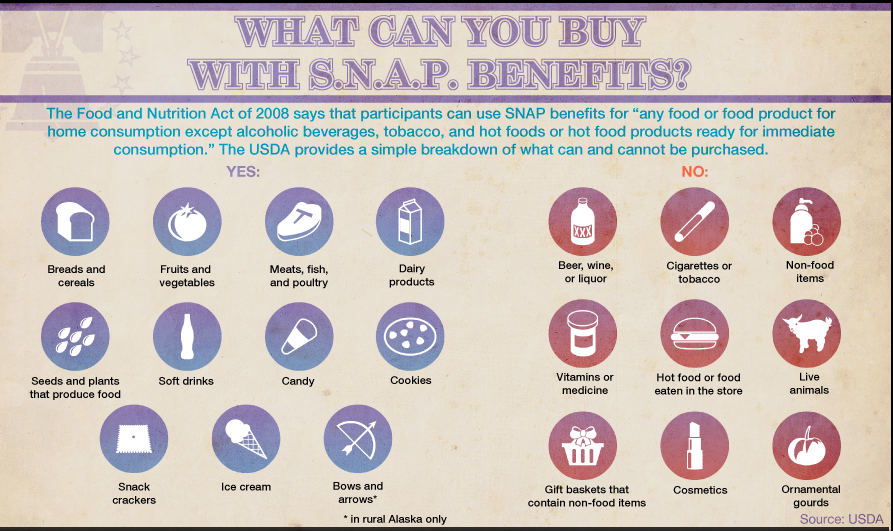
- Fruits and Vegetables: Fresh, frozen, canned, or dried – all varieties are generally permitted. This is where smart spending can truly make a difference, prioritizing seasonal produce for better value and nutrient density.
- Dairy Products: Milk, cheese, yogurt, and other dairy alternatives like fortified plant-based milks are eligible.
- Meats, Poultry, and Fish: Raw, frozen, or canned protein sources are allowed, offering essential nutrients.
- Bread and Cereals: A wide range of grains, including pasta, rice, oats, and various types of bread, are covered.
- Eggs: A versatile and affordable source of protein.
- Beans, Lentils, and Peas: These plant-based proteins are budget-friendly and highly nutritious.
- Snacks and Convenience Foods (with caveats): While some snacks like pretzels, chips, and cookies are eligible, it’s wise to consider them as occasional treats rather than staples. Prioritizing nutrient-rich snacks is a more effective approach to maximizing your food budget.
Seeds and Plants for Home Gardening
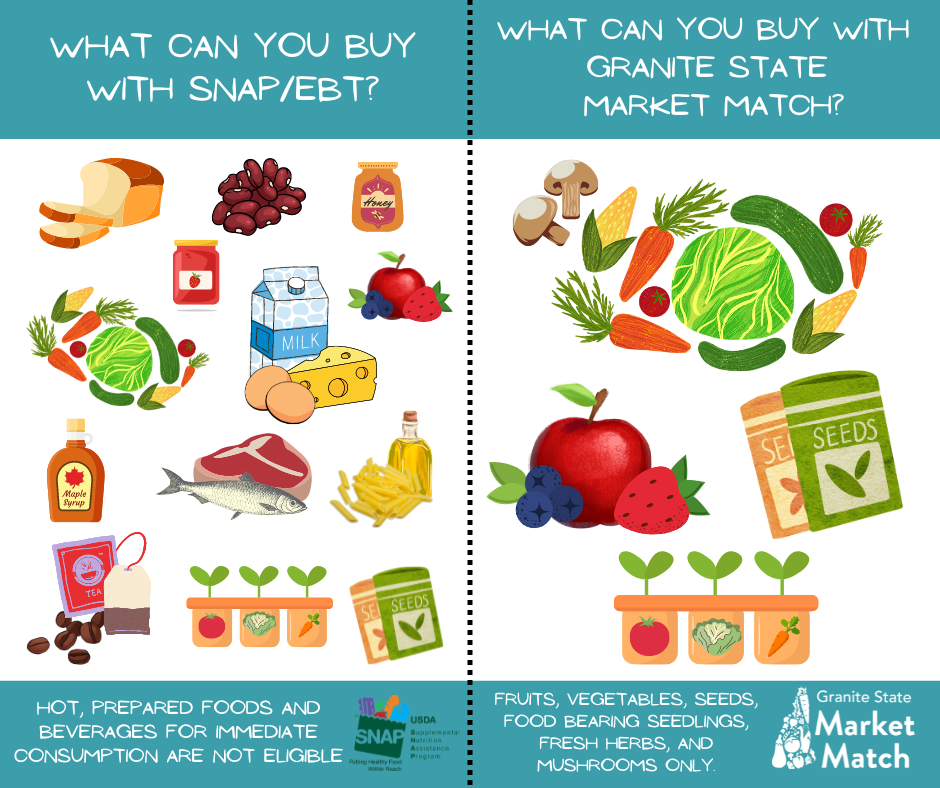
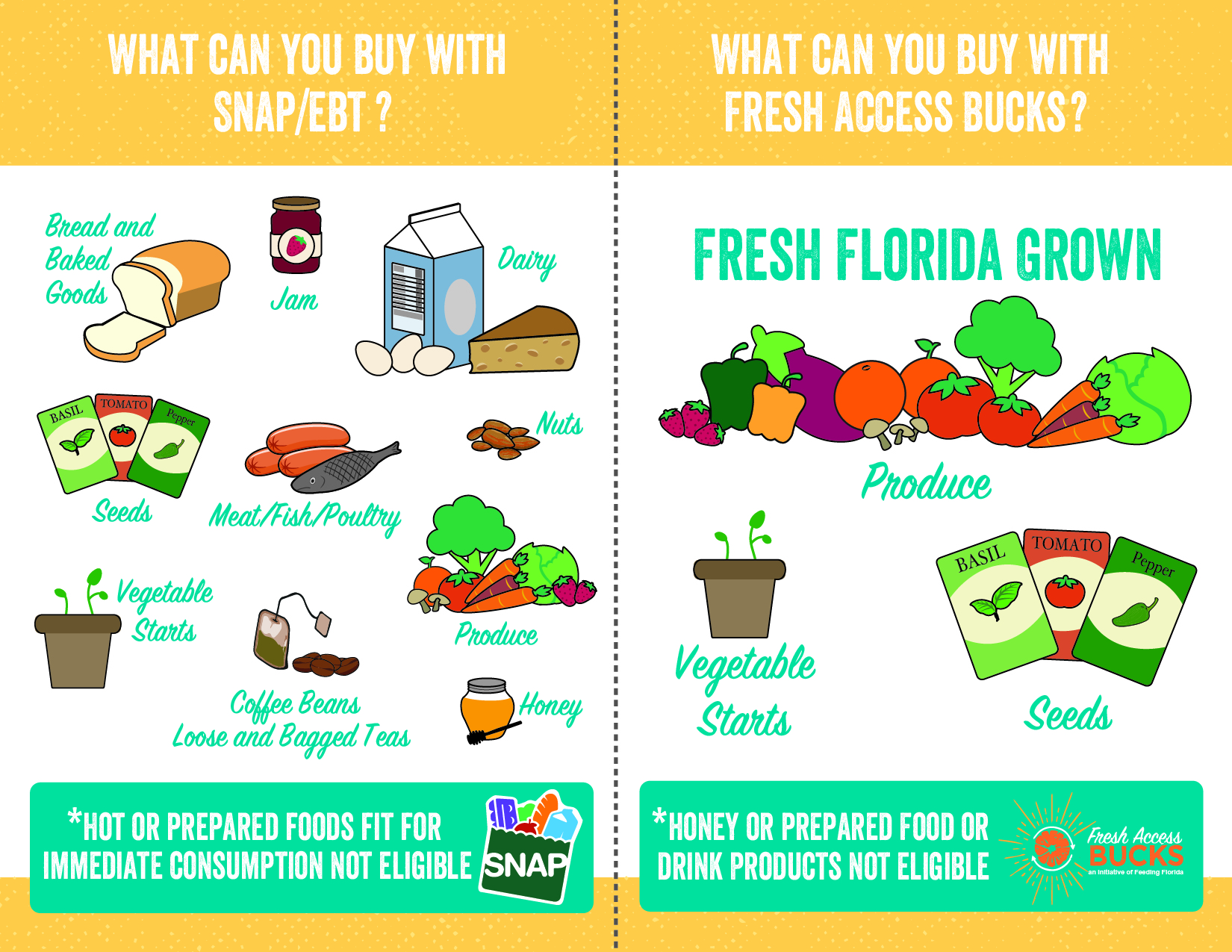
An often overlooked but valuable aspect of SNAP is the ability to purchase seeds and plants. This empowers recipients to grow their own fruits, vegetables, and herbs, offering a sustainable and cost-effective way to supplement their food supply. This ties into the “personal finance” aspect of SNAP, as it represents an investment in future food security and a reduction in ongoing grocery expenses.
Food Gifts and Donations
SNAP benefits can also be used to purchase food items as gifts for other SNAP recipients or to donate to a food bank or charitable organization. This community-oriented aspect highlights the program’s role in fostering social support and addressing broader food insecurity.
What You CANNOT Purchase with Your SNAP EBT Card
While the list of eligible items is extensive, there are specific categories of goods and services that are strictly prohibited for purchase with SNAP benefits. Understanding these limitations is crucial to avoid potential issues and ensure compliance with program rules.
Non-Food Items
This is the most significant restriction. SNAP is exclusively for food. Therefore, you cannot purchase:
- Household Supplies: Cleaning products, paper towels, toiletries, laundry detergent, etc.
- Personal Hygiene Items: Soap, shampoo, toothpaste, etc.
- Pet Food: Even if it’s for a beloved family pet.
- Alcoholic Beverages: Beer, wine, spirits, etc.
- Tobacco Products: Cigarettes, chewing tobacco, etc.
- Non-Food Pet Supplies: Leashes, toys, bedding, etc.
Prepared Foods and Restaurant Meals (with some exceptions)
Generally, SNAP benefits are intended for food that will be prepared and consumed at home. This means:
- Hot Foods: You typically cannot purchase hot, ready-to-eat meals from delis or prepared food sections in grocery stores.
- Restaurant Meals: Ordering from fast-food restaurants or sit-down establishments is usually not permitted.
However, there are important exceptions to this rule, particularly for certain populations and in specific regions:
- Elderly, Disabled, and Homeless Individuals: In some states, SNAP recipients who are elderly (60 years or older), disabled, or homeless may be able to purchase prepared meals from authorized restaurants. This is a crucial provision to ensure these vulnerable populations have access to nutritious food without the need for home preparation.
- Restaurant Meal Programs (RMPs): Some states have implemented RMPs that allow SNAP recipients to use their EBT cards at participating restaurants. These programs are designed to offer more dining options for those who may have difficulty preparing meals at home. The availability and specific rules of RMPs vary significantly by state.
Vitamins and Supplements
While vitamins and supplements are often seen as health-related, they are not considered “food” by SNAP regulations and therefore cannot be purchased with benefits. This emphasizes the program’s focus on whole food sources for nutrition.
Live Animals (Except for specific purposes)
You cannot purchase live animals like fish or poultry intended for consumption unless they are from a vendor specifically authorized to sell them as food products (e.g., a seafood market selling live crabs).
Other Non-Eligible Items
- Cosmetics and Toiletries: Beauty products and personal care items are not covered.
- Clothing and Apparel: This includes shoes, socks, and any other wearable items.
- Home Goods: Furniture, appliances, decorations, etc.
- Gift Cards (unless specifically for food): You cannot purchase general-purpose gift cards that can be used for any item.
Navigating SNAP in the Digital and Brand-Conscious World
The rise of e-commerce and the increasing influence of brands on consumer choices present unique considerations for SNAP recipients.
Online SNAP Purchases: A Growing Trend
The ability to use SNAP EBT cards for online grocery shopping has expanded significantly, offering unprecedented convenience. Many major retailers and online platforms now accept EBT payments for eligible food items. This technological advancement aligns with the broader “Tech” focus of this website, demonstrating how digital solutions are making essential services more accessible.
Benefits of Online SNAP Shopping:
- Convenience: Shop from home, avoiding the need for transportation or navigating crowded stores.
- Budgeting Tools: Online platforms often provide tools to track spending and compare prices, aiding in smarter financial decisions.
- Access to a Wider Selection: Explore a broader range of products and brands, potentially finding better deals.
Considerations for Online SNAP Purchases:
- Eligibility of Items: Be mindful that not all items available online are eligible for SNAP purchase. Always double-check product eligibility before adding to your cart.
- Delivery Fees: While SNAP can cover the cost of eligible groceries, delivery fees are typically not covered. Some retailers may offer free delivery on SNAP orders under certain conditions.
- Brand Loyalty vs. Value: The digital space can present a deluge of branded products. While brand recognition can be appealing, SNAP recipients should prioritize value and nutritional content over brand name when making purchasing decisions. This connects to the “Brand” and “Money” aspects of this website – making informed choices that balance desired attributes with cost-effectiveness.
Smart Spending and Brand Awareness on a Budget
For SNAP recipients, every dollar counts. This necessitates a strategic approach to grocery shopping, often involving a blend of savvy financial management and informed brand awareness.
- Prioritize Nutrient Density: Focus on purchasing foods that offer the most nutritional value for their cost. This means opting for whole grains, lean proteins, and a variety of fruits and vegetables.
- Compare Prices and Look for Sales: Take advantage of weekly flyers, store loyalty programs, and online price comparison tools to find the best deals.
- Generic vs. Name Brands: While brand names can offer a sense of familiarity and perceived quality, generic or store-brand products are often significantly cheaper and offer comparable nutritional value. This is a prime area where “Brand” consciousness can be balanced with “Money” management.
- Cooking from Scratch: Preparing meals at home from basic ingredients is almost always more cost-effective than buying pre-packaged or convenience foods. This aligns with the core purpose of SNAP – enabling home-cooked, nutritious meals.
- Utilizing SNAP-Friendly Apps and Tools: There are numerous apps and websites that can help SNAP recipients find eligible retailers, compare prices, and even plan meals on a budget. These “Tech” tools can be invaluable for efficient and effective benefit utilization.
The Evolving Landscape of SNAP and Technology
The integration of technology into SNAP benefits is an ongoing process. From online ordering to potential future innovations, the program is adapting to the digital age. As AI tools become more sophisticated, we might even see future applications that can help SNAP recipients optimize their food choices based on nutritional needs, budget constraints, and available sales. The “Tech” topic, in this context, is not just about gadgets but about how technology can empower individuals to make better financial and nutritional decisions.
Conclusion: Empowering Choices with SNAP
The SNAP program provides a crucial safety net, enabling millions of Americans to access nutritious food. By understanding what can and cannot be purchased with an EBT card, and by embracing smart spending strategies influenced by technology and brand awareness, recipients can maximize their benefits and make informed choices that support their health and financial well-being. The evolving digital landscape offers new avenues for convenience and access, making it more important than ever to stay informed about the capabilities and limitations of your SNAP benefits. Ultimately, SNAP is a tool for empowerment, and with the right knowledge and strategies, it can significantly contribute to a healthier and more secure life.
aViewFromTheCave is a participant in the Amazon Services LLC Associates Program, an affiliate advertising program designed to provide a means for sites to earn advertising fees by advertising and linking to Amazon.com. Amazon, the Amazon logo, AmazonSupply, and the AmazonSupply logo are trademarks of Amazon.com, Inc. or its affiliates. As an Amazon Associate we earn affiliate commissions from qualifying purchases.