
The transformation of cryptocurrency from a speculative digital asset to a functional medium of exchange represents one of the most significant shifts in the modern financial landscape. Initially conceived as a peer-to-peer electronic cash system, Bitcoin and its successors have spent much of the last decade being viewed primarily as “digital gold”—assets to be held rather than spent. However, as the underlying technology has matured and financial infrastructure has evolved, the utility of cryptocurrency has expanded exponentially. Today, the question is no longer whether you can spend your digital assets, but rather how much of your daily life can be funded through the blockchain.
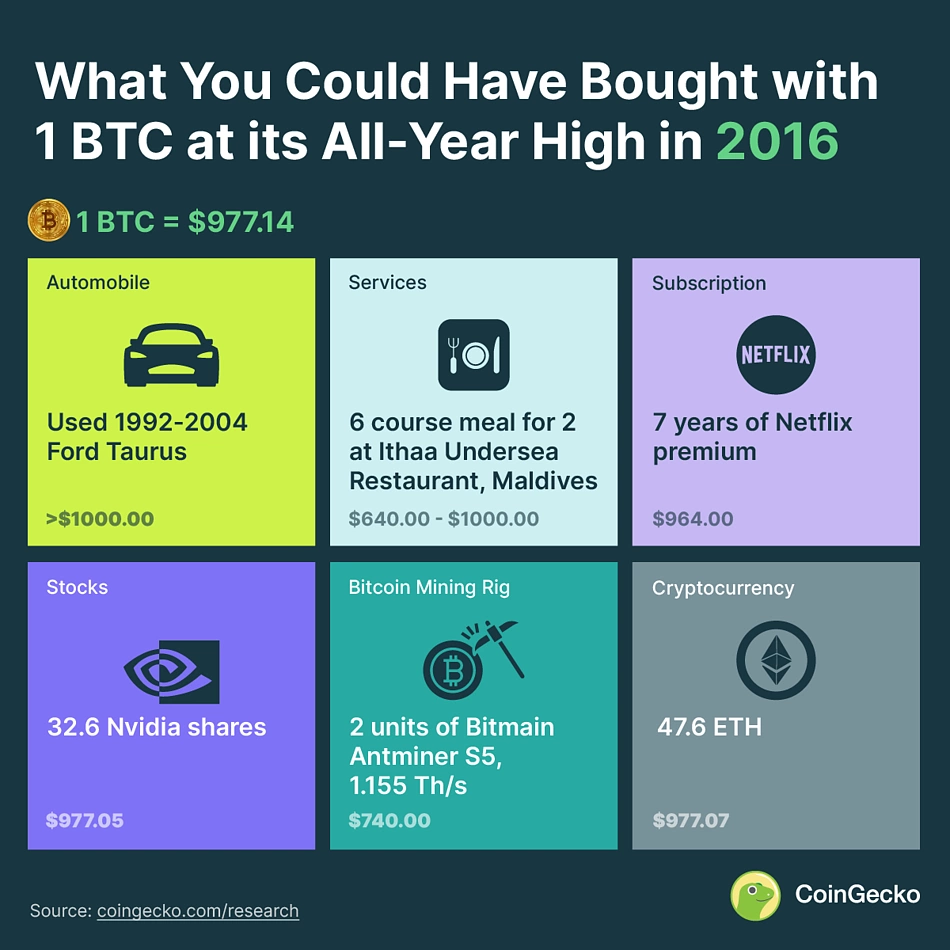
From high-end real estate and luxury vehicles to everyday coffee and travel arrangements, the ecosystem of crypto-commerce is vast. This evolution is driven by a combination of direct merchant adoption, the rise of sophisticated payment processors, and the integration of crypto-linked debit cards that bridge the gap between decentralized finance and traditional retail environments.
The Evolution of Crypto as a Medium of Exchange
The journey of cryptocurrency as a payment method has been defined by the tension between volatility and utility. In the early days, spending Bitcoin was a novelty—famously exemplified by the 10,000 BTC purchase of two pizzas in 2010. Today, the infrastructure supporting these transactions has become far more sophisticated, allowing for near-instant conversions and stablecoin integrations that mitigate the risks associated with price fluctuations.
From Niche Asset to Mainstream Payment
The adoption of cryptocurrency by major financial institutions and payment gateways has been the primary catalyst for its use in commerce. Companies like PayPal and Block (formerly Square) have integrated crypto buying, holding, and selling features, making it easier for consumers to treat their digital wallets as spending accounts. This mainstreaming has encouraged thousands of merchants—both online and brick-and-mortar—to accept direct crypto payments. The shift represents a move toward a “borderless” economy where currency conversion fees and international banking delays are increasingly bypassed in favor of the efficiency provided by blockchain technology.
The Role of Payment Processors and Crypto Debit Cards
Perhaps the most significant development in crypto spending is the emergence of crypto-linked debit cards. Issued by companies like Coinbase, Crypto.com, and BitPay, these cards allow users to spend their digital assets anywhere that traditional credit cards are accepted (such as the Visa or Mastercard networks). The process is seamless: the user swipes the card, the processor instantly converts the necessary amount of cryptocurrency into the local fiat currency, and the merchant receives the payment in their preferred legal tender. This effectively makes every store in the world a “crypto-friendly” merchant, even if they do not directly hold digital assets on their balance sheet.
Real Estate and Luxury Goods: High-Ticket Acquisitions
One of the most robust sectors for cryptocurrency spending is the luxury market. Wealthy investors who have seen significant returns on their digital assets often look to “off-ramp” their gains into tangible, prestige assets. The high-value nature of these transactions often makes the transparency and security of the blockchain particularly appealing.
Purchasing Property with Digital Assets
The real estate market has seen a surge in crypto-integrated listings. Major luxury brokerages in markets like Dubai, Miami, and London now routinely facilitate transactions in Bitcoin or Ethereum. For buyers, the advantage lies in the speed of the transaction and the ability to move large sums across borders without the multi-day delays typical of international wire transfers. Some developers even offer exclusive discounts for buyers paying in crypto. However, these transactions require specialized legal frameworks and escrow services that understand how to handle the “know your customer” (KYC) and “anti-money laundering” (AML) requirements associated with digital wealth.
Luxury Watches and Fine Art
The world of horology and fine art has embraced cryptocurrency with surprising enthusiasm. High-end watch retailers and auction houses like Sotheby’s and Christie’s now accept cryptocurrency for some of their most prized items. In the art world, this goes beyond Non-Fungible Tokens (NFTs); collectors are using Bitcoin to purchase physical paintings and sculptures. This trend is driven by a demographic of “crypto-native” individuals who prefer to keep their wealth within the digital ecosystem while still enjoying the trappings of a high-net-worth lifestyle.
Exotic Cars and the Automotive Sector
Automotive sales have long been a popular avenue for crypto spending. While Tesla’s relationship with Bitcoin payments has been famously inconsistent, many luxury car dealerships have stepped in to fill the void. Platforms now exist that allow users to buy everything from a daily-driver Tesla to a rare Lamborghini or Ferrari using digital assets. This sector is particularly active because the price points of luxury vehicles often align well with the portfolio sizes of early crypto adopters.
Everyday Goods and Services: Retail Integration

While high-ticket items grab the headlines, the true test of a currency is its utility in daily life. The retail sector has seen a steady increase in crypto adoption, facilitated by gift card platforms and direct integrations.
E-commerce Giants and Independent Retailers
Major e-commerce platforms have various degrees of crypto integration. While some, like Newegg and Overstock, have been long-term supporters of direct crypto payments, others are accessible through third-party services. Sites like Bitrefill or Fold allow users to purchase gift cards for Amazon, Walmart, and Target using cryptocurrency. This creates a functional bridge, allowing users to pay for groceries, household items, and clothing using their digital holdings. Furthermore, Shopify’s integration with various crypto payment gateways has empowered thousands of small business owners to accept Bitcoin, Ethereum, and stablecoins directly from their customers.
Travel and Hospitality: Booking Your Next Trip
The travel industry has become one of the most crypto-friendly sectors globally. Platforms like Travala.com allow users to book over two million hotels and flights worldwide using dozens of different cryptocurrencies. Major travel agencies and even some airlines have experimented with direct crypto payments, recognizing that their customer base is increasingly global and tech-savvy. For the frequent traveler, using crypto can simplify the process of dealing with different currencies and international transaction fees.
Food and Beverage: From Coffee to Fine Dining
While paying for a $5 latte with Bitcoin might have once been hindered by high transaction fees, the development of Layer 2 solutions like the Lightning Network has made micro-transactions viable. In “Bitcoin-friendly” hubs like El Salvador or certain neighborhoods in Lugano, Switzerland, spending crypto on food and drink is a daily occurrence. In other regions, the aforementioned crypto debit cards or mobile apps like Flexa allow users to pay at major chains like Whole Foods or Starbucks by scanning a QR code that draws from their crypto wallet.
Business Finance and Professional Services
Cryptocurrency is not just for individual consumers; it is increasingly being used in the B2B (business-to-business) space. For companies operating internationally, crypto offers a way to streamline operations and reduce the overhead costs associated with traditional banking.
Paying for Software and Digital Subscriptions
The tech industry is naturally the leader in crypto adoption. Many VPN providers, web hosting companies (like Namecheap), and software-as-a-service (SaaS) platforms accept cryptocurrency. For businesses, this can simplify the management of digital infrastructure, especially for teams that are distributed across different countries and may face challenges with traditional credit card payments.
Legal and Professional Consulting
A growing number of law firms, accounting practices, and marketing agencies are now accepting cryptocurrency as payment for their services. This is particularly common among firms that specialize in the blockchain and fintech space, as it demonstrates a commitment to the technology they represent. It also provides a convenient payment option for startups that may hold a significant portion of their treasury in digital assets.
Taxes and Government Fees
Perhaps the most surprising development in the world of crypto-commerce is the ability to pay government fees and taxes. Certain jurisdictions, such as the Swiss canton of Zug and the city of Lugano, allow residents to pay their municipal taxes in Bitcoin and Tether. In the United States, states like Colorado have launched initiatives to allow residents to pay state taxes using cryptocurrency. This represents a major milestone in the institutionalization of digital assets as a legitimate form of “money.”
Managing Your Crypto Portfolio for Spending
While the ability to buy almost anything with crypto exists, the financial implications of doing so are distinct from spending fiat currency. For the savvy investor, spending crypto requires a strategic approach to portfolio management and tax compliance.
Tax Implications of Spending Cryptocurrency
In many jurisdictions, including the United States, cryptocurrency is treated as property for tax purposes. This means that every time you use crypto to buy a cup of coffee or a new car, you are technically “selling” that asset, which triggers a capital gains tax event. If the value of the crypto has increased since you acquired it, you may owe taxes on the gain. Professional financial management in the crypto space involves tracking the “cost basis” of every transaction. Many users prefer to spend stablecoins (cryptocurrencies pegged to the value of the dollar) for daily purchases to avoid these complex tax calculations and the volatility of assets like Bitcoin.

The Future of Crypto-Integrated Personal Finance
The trend toward “crypto-circularity”—an economy where you earn, save, and spend in digital assets without ever needing to convert to fiat—is gaining momentum. We are seeing the rise of crypto-based payroll services, where employees can choose to receive a portion of their salary in Bitcoin or USDC. As more businesses pay their suppliers in crypto and more employees receive their wages in crypto, the need to exit the ecosystem diminishes.
The landscape of what you can buy with crypto is no longer limited to the digital realm. It has moved into the physical world, touching every aspect of the modern economy. Whether you are looking to secure a luxury estate, book a flight across the globe, or simply buy your lunch, the tools and merchants now exist to make it possible. As financial infrastructure continues to integrate blockchain technology, the distinction between “crypto” and “money” will likely continue to blur, ushering in a new era of global, digital-first commerce.
aViewFromTheCave is a participant in the Amazon Services LLC Associates Program, an affiliate advertising program designed to provide a means for sites to earn advertising fees by advertising and linking to Amazon.com. Amazon, the Amazon logo, AmazonSupply, and the AmazonSupply logo are trademarks of Amazon.com, Inc. or its affiliates. As an Amazon Associate we earn affiliate commissions from qualifying purchases.