
In an increasingly digital world, the convenience of sharing information online often overshadows the inherent risks. A seemingly innocuous act, like sending a picture of your identification document, can open a Pandora’s box of digital security vulnerabilities. Your ID — whether it’s a driver’s license, passport, or national identity card — is a cornerstone of your personal and financial identity. When a digital image of this document falls into the wrong hands, the repercussions can range from mild inconvenience to devastating financial ruin and a protracted battle to reclaim your identity. Understanding these threats is the first step in fortifying your digital defenses. This article delves into the sophisticated methods criminals employ to exploit a stolen ID picture, providing a comprehensive guide to protecting yourself and outlining the necessary steps should your digital identity be compromised.
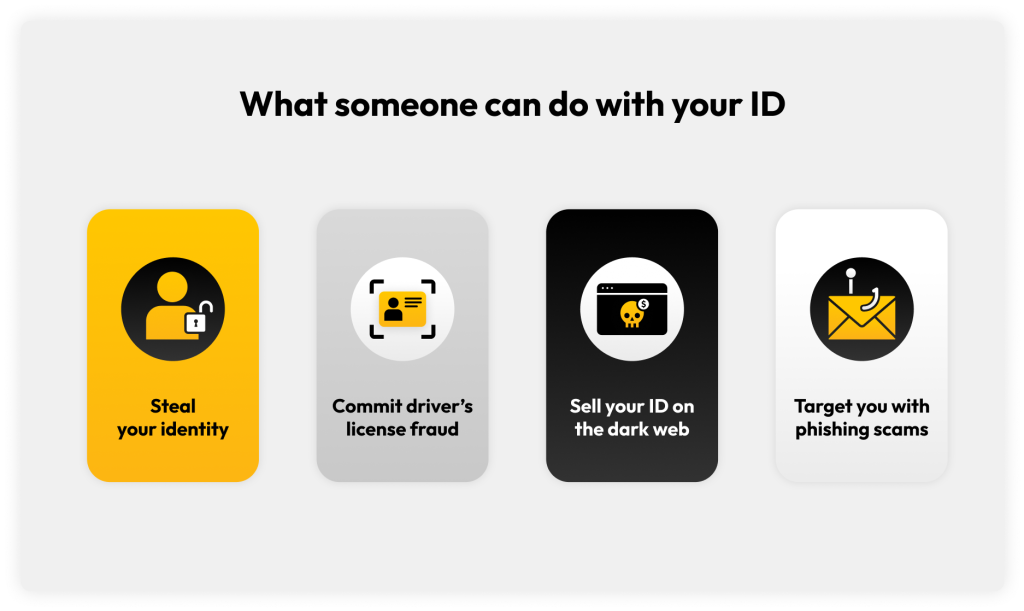
The Alarming Reality of Digital Identity Theft
The digital age has brought unparalleled convenience, but it has also created fertile ground for new forms of crime. Identity theft, once a laborious process involving physical documents, can now be executed with alarming speed and scale using digital images. A high-resolution photo of your ID provides a wealth of personal information: your full name, date of birth, address, signature, and unique identification numbers. For a malicious actor, this is often more than enough to impersonate you across various digital platforms and services. The critical distinction here is that while physical theft requires proximity and opportunity, digital theft can originate from anywhere in the world, making the perpetrator harder to trace and the damage harder to contain. The global interconnectedness that defines our modern existence simultaneously amplifies the reach of these threats, transforming a simple image into a potent weapon against your digital security.
Understanding the Identity Ecosystem
Your digital identity isn’t a single entity but a complex ecosystem of data points spread across countless online services. Each account, from your email and social media to banking and e-commerce platforms, is linked by these core identifiers. A picture of your ID acts as a master key, potentially unlocking access to this entire ecosystem. Cybercriminals don’t just steal information; they weaponize it, leveraging the trust established by your official identification to bypass security protocols designed to protect you. This makes the safeguarding of your ID image not just about preventing data loss, but about preserving the integrity of your entire online persona.
The Rise of Sophisticated Phishing and Social Engineering
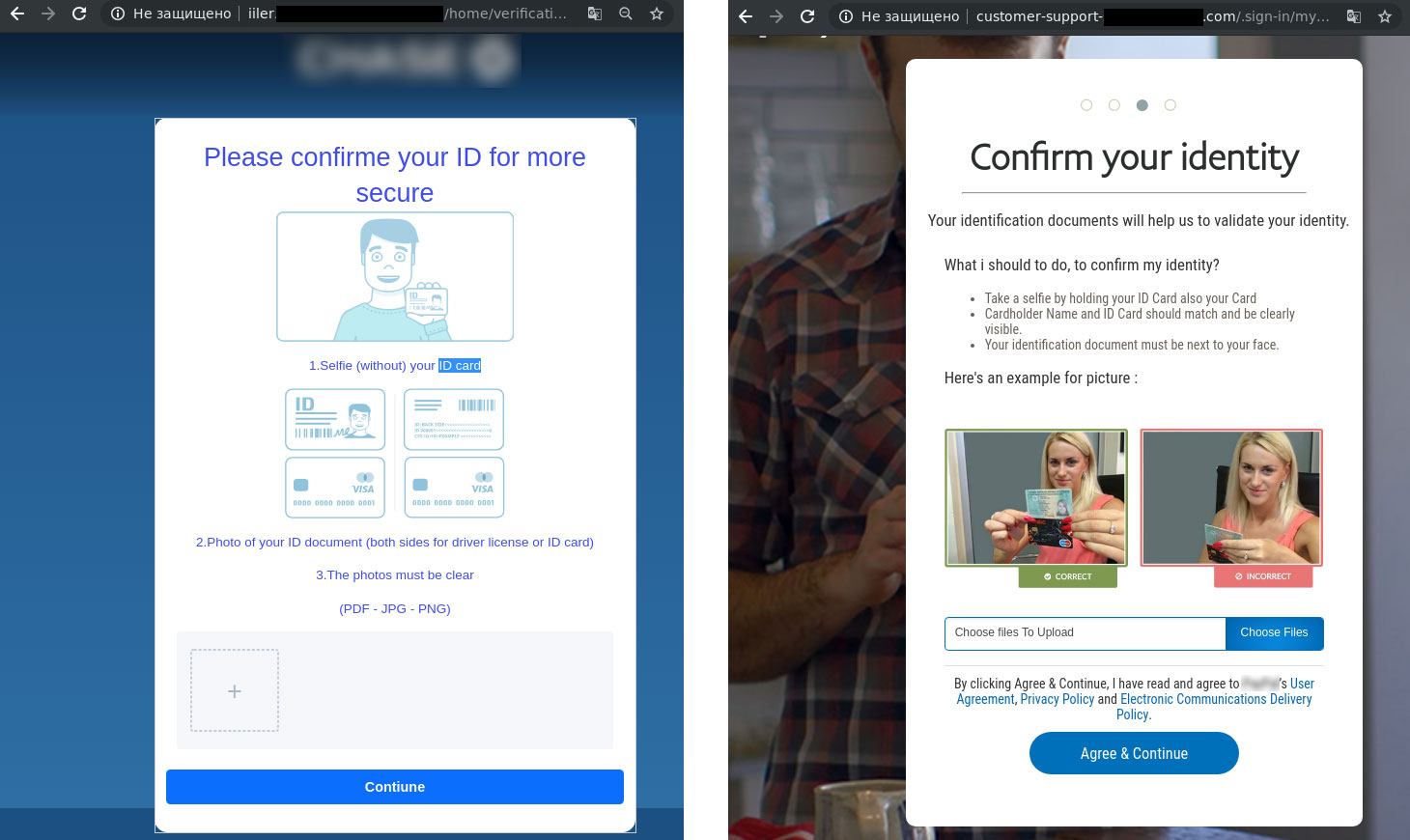
While direct theft of an ID photo is a risk, a more prevalent method is through sophisticated phishing attacks and social engineering tactics. Criminals craft convincing fake websites or send deceptive emails, often mimicking legitimate organizations (banks, government agencies, popular online services), requesting users to “verify” their identity by uploading a picture of their ID. Users, unaware of the deception, willingly provide this sensitive data. Once obtained, this image is then used to fuel a variety of fraudulent activities, highlighting the critical importance of scrutinizing every request for personal data, regardless of how official it may appear.
Common Exploits Enabled by a Stolen ID Picture
With a digital copy of your ID, criminals gain a powerful tool to circumvent security measures and impersonate you across numerous platforms. The versatility of a stolen ID picture makes it a high-value asset in the underground economy, enabling a wide array of illicit activities.
Account Takeovers and Financial Fraud
Perhaps the most immediate and damaging consequence, a stolen ID picture can be used to gain unauthorized access to your existing accounts. This is often achieved by performing password resets on email accounts, social media profiles, or even banking platforms, where a photo ID might be requested as a secondary verification step. Once an attacker has access, they can drain bank accounts, make unauthorized purchases, or transfer funds. Beyond direct theft, they might apply for new credit cards, loans, or mortgages in your name, accumulating debt and severely damaging your credit score without your knowledge. The financial implications can be devastating, requiring extensive time and effort to resolve.
Opening New Accounts and Services
Armed with your personal details and an authentic-looking ID, fraudsters can open entirely new accounts. This can range from new bank accounts and credit lines to utility services, phone contracts, and even subscription services. These newly created accounts are often used as mules for further fraudulent activities, creating a complex web that is difficult for victims to unravel. The insidious nature of this exploit lies in the fact that you might not discover these new accounts until months later when collections agencies begin contacting you for unpaid bills you never incurred.
Impersonation for Scams and Malicious Activities
A stolen ID picture allows criminals to adopt your identity for their own nefarious purposes. They might use your name and likeness to perpetrate scams against others, creating fake profiles on dating sites or social media platforms to defraud unsuspecting victims. In more extreme cases, they could use your identity to avoid legal repercussions, leaving you to deal with the fallout of their crimes. This type of impersonation can damage your reputation, create legal complexities, and lead to significant personal distress, far beyond mere financial loss.
Bypassing Verification on Cryptocurrency and Gaming Platforms
Many cryptocurrency exchanges and online gaming platforms require Know Your Customer (KYC) verification, which often involves uploading an ID. A stolen ID picture can be used to create accounts in your name on these platforms, potentially to launder money, engage in illicit trading, or facilitate other forms of cybercrime. The decentralized nature of some of these services can make it particularly challenging to identify and rectify such misuse.
SIM Swapping Attacks
A particularly dangerous exploit, SIM swapping, involves criminals convincing your mobile carrier to transfer your phone number to a SIM card they control. This is often achieved by using your stolen ID information to impersonate you. Once they control your phone number, they can intercept two-factor authentication (2FA) codes sent via SMS, granting them access to virtually all your online accounts, including banking, email, and social media. This turns your primary security measure into a significant vulnerability.
Fortifying Your Digital Defenses: Protecting Your ID Picture
Given the severe risks, proactive measures are paramount in safeguarding your digital identity. Adopting a vigilant approach to digital security and privacy can significantly reduce your exposure to these threats.
Exercise Extreme Caution When Sharing
The golden rule is simple: never share a picture of your ID unless absolutely necessary and only through verified, secure channels. Before you share, ask yourself:
-
Is this request legitimate? Verify the identity of the requesting entity independently, not just by clicking links in an email. Call them directly using a verified phone number or visit their official website.
-
Is there an alternative? Can you provide the necessary information without sending the entire document?
-
Is the platform secure? Ensure the website uses HTTPS (look for the padlock icon) and has a strong reputation for data security. Avoid sending ID pictures over unencrypted email, public Wi-Fi, or unsecured messaging apps.
Secure Storage Practices
If you absolutely must keep a digital copy of your ID, ensure it’s stored securely.
-
Encrypt it: Use strong encryption tools or password-protected archives.
-
Avoid cloud storage: Unless the cloud service offers robust, client-side encryption, it’s generally safer to avoid storing sensitive documents there.
-
Offline storage: Consider storing encrypted copies on an external hard drive or USB stick that is kept offline when not in use.
-
Delete unnecessary copies: Once a required verification process is complete, delete the digital image from your device and any sent folders.
Utilize Digital Watermarking and Redaction
When providing a digital copy of your ID for a legitimate purpose, consider adding a digital watermark or redacting unnecessary information.
-
Watermark: Overlay text like “FOR [PURPOSE ONLY]” or “COPY – [DATE]” diagonally across the image, ensuring it doesn’t obscure critical information but is difficult to remove.
-
Redact: Blur or black out information not strictly required for the purpose, such as your signature, certain digits of your ID number, or even your address if only proof of age is needed. Be aware that some services might reject heavily redacted documents.
Enable Two-Factor Authentication (2FA) Everywhere
While a stolen ID picture can aid in bypassing identity verification, robust 2FA adds another crucial layer of defense. Prioritize app-based authenticators (like Google Authenticator or Authy) or hardware security keys over SMS-based 2FA, as the latter is vulnerable to SIM swapping. Implementing 2FA across all your critical accounts significantly raises the bar for attackers, even if they possess your ID photo.
Maintain Vigilant Software and Device Security
Ensure your operating systems, browsers, and antivirus software are always up to date. Security patches often address vulnerabilities that could be exploited to access sensitive data, including stored ID pictures. Use strong, unique passwords for all your accounts, ideally managed with a reputable password manager.
What to Do If Your ID Photo Is Compromised
Despite your best efforts, a breach can still occur. Swift and decisive action is critical to minimize damage if you suspect your ID photo has been compromised.
Immediate Actions and Account Monitoring
-
Change Passwords: Immediately change passwords for all critical accounts, especially email, banking, and social media. Use strong, unique passwords.
-
Enable 2FA: If not already enabled, activate 2FA on all accounts.
-
Monitor Accounts: Closely monitor your bank statements, credit card activity, and other financial accounts for any suspicious transactions.
-
Check Credit Reports: Obtain free copies of your credit report from the three major bureaus (Equifax, Experian, TransUnion) and scrutinize them for any unfamiliar accounts or inquiries. You are entitled to a free report from each bureau annually.
Report the Incident to Authorities and Affected Entities
-
Law Enforcement: File a police report. This report is often necessary for disputing fraudulent charges or initiating identity theft recovery processes.
-
Federal Trade Commission (FTC): In the US, report the incident to the FTC at IdentityTheft.gov. They provide a personalized recovery plan and can help with specific steps. Similar government agencies exist in other countries.
-
Financial Institutions: Contact your bank, credit card companies, and any other financial institutions where you have accounts. Inform them of the potential compromise and ask them to flag your accounts for suspicious activity.
-
Credit Bureaus: Place a fraud alert or freeze your credit with all three major credit bureaus. A fraud alert requires businesses to verify your identity before opening new credit, while a credit freeze completely blocks new credit applications.
Address Potential SIM Swapping Risks
-
Contact Your Mobile Carrier: Inform them of the potential ID compromise and ask about specific security measures they can put in place to prevent unauthorized SIM swaps. Inquire about adding a unique PIN or password to your account that must be provided for any changes.
-
Monitor Phone Activity: Watch for any unusual network issues or loss of service, which could indicate a SIM swap in progress.
Be Prepared for a Long Recovery Process
Recovering from identity theft can be a lengthy and frustrating process. Keep meticulous records of all communications, reports, and actions taken. Be persistent and proactive in following up with institutions and authorities. Consider identity theft protection services, which can help monitor your credit and personal information and assist with recovery.

The Evolving Threat Landscape
The digital security landscape is constantly evolving, with cybercriminals continually refining their techniques. The threats posed by a stolen ID picture are likely to become more sophisticated, fueled by advancements in AI and deepfake technology. Imagine a scenario where an attacker not only has a picture of your ID but can also create convincing deepfake video or audio of you, using your ID as a baseline for verification. This future underscores the critical need for continuous vigilance, education, and the adoption of multi-layered security protocols. Protecting your digital ID is no longer a passive act but an active, ongoing commitment in an interconnected world.
In conclusion, a picture of your ID is not just an image; it is a gateway to your entire digital and financial life. Understanding the profound risks associated with its compromise is the first step towards safeguarding yourself. By adopting stringent digital hygiene practices, exercising caution, and knowing how to react swiftly in the event of a breach, you can significantly mitigate the dangers posed by identity theft in the digital age. Your vigilance is your strongest defense against the ever-present threat of those who seek to exploit your personal information.
aViewFromTheCave is a participant in the Amazon Services LLC Associates Program, an affiliate advertising program designed to provide a means for sites to earn advertising fees by advertising and linking to Amazon.com. Amazon, the Amazon logo, AmazonSupply, and the AmazonSupply logo are trademarks of Amazon.com, Inc. or its affiliates. As an Amazon Associate we earn affiliate commissions from qualifying purchases.