
The term “sleeper cell” evokes images of clandestine operatives lying dormant, waiting for a signal to unleash chaos. While the popular imagination often conjures up scenarios from spy thrillers, the reality of what sleeper cells can do is far more nuanced, encompassing a spectrum of activities that leverage modern advancements and exploit societal vulnerabilities. Understanding their potential impact requires looking beyond sensationalism and examining the strategies they employ, often facilitated by the very technologies and systems that define our modern world. This article will explore the capabilities of sleeper cells, considering their operational frameworks, their reliance on technological tools, their strategic integration with branding and propaganda, and the financial underpinnings that enable their actions, all through the lens of the digital age.
The Evolving Landscape of Covert Operations
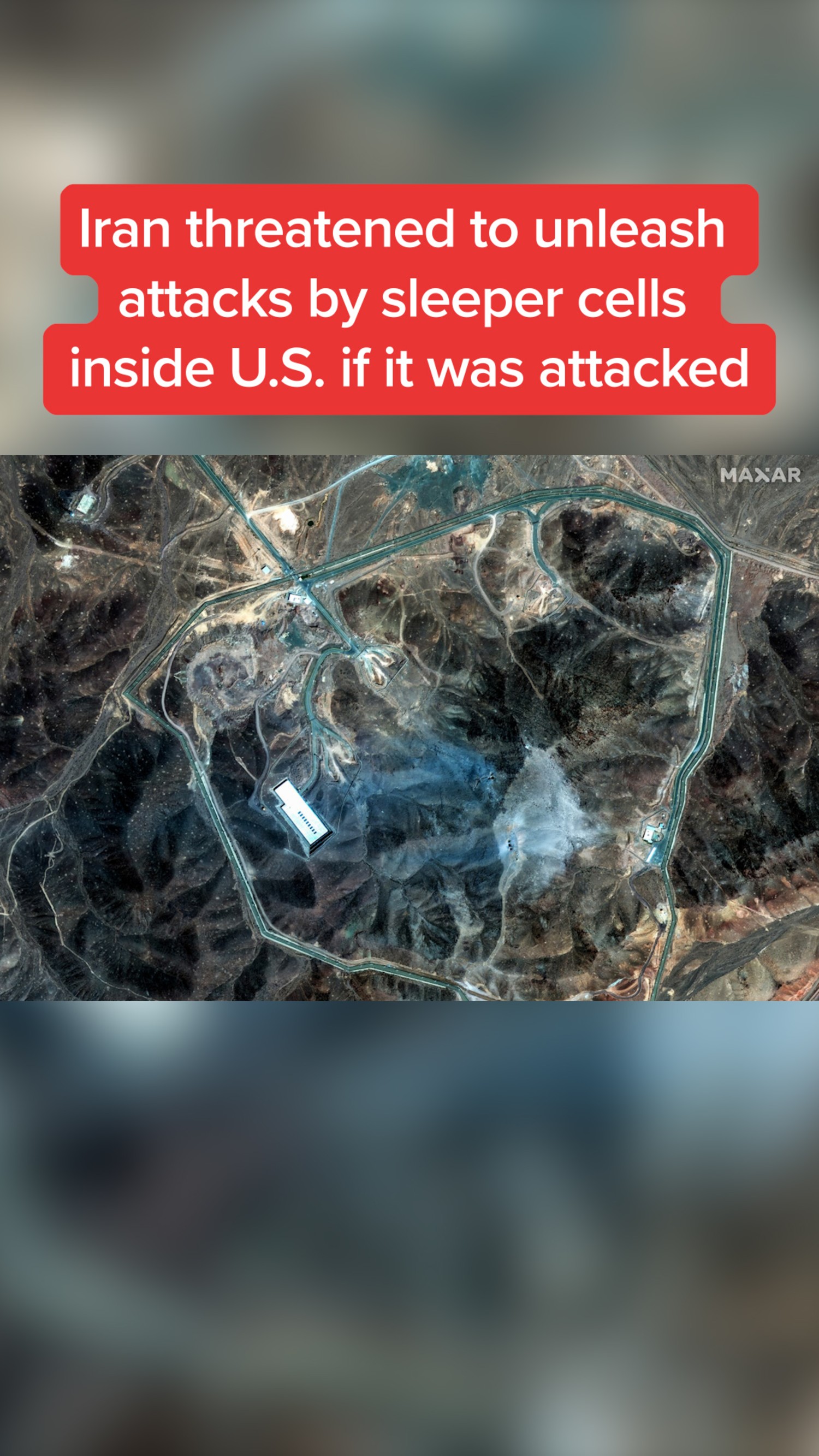
Sleeper cells, in essence, are groups or individuals who operate with a dual identity. They maintain a normal, seemingly unremarkable life while secretly belonging to an organization with the intent to carry out disruptive or harmful acts. The “sleeper” aspect signifies their period of inactivity, where they integrate into society, gather intelligence, build networks, and prepare for their eventual activation. This period can last for years, even decades, making them incredibly difficult to detect and neutralize.
The nature of their “doing” is directly tied to the objectives of the group they serve. Historically, this has ranged from espionage and sabotage to acts of terrorism. However, in the 21st century, the definition of what constitutes a “disruptive act” has broadened significantly, influenced by our increasing reliance on digital infrastructure and information.
Technological Enablers: The Digital Advantage
One of the most significant shifts in the capabilities of sleeper cells is their ability to leverage modern technology. The internet, encrypted communication, and readily available software have become powerful tools for recruitment, organization, training, and the execution of operations.
Information Warfare and Digital Disruption
Beyond physical acts, sleeper cells can engage in sophisticated information warfare. This can involve:
- Disinformation Campaigns: Spreading false narratives, propaganda, and conspiracy theories through social media, fake news websites, and deepfakes to sow discord, undermine trust in institutions, and polarize populations. This can be a potent tool for destabilizing societies without firing a shot.
- Cyberattacks: Targeting critical infrastructure like power grids, financial systems, transportation networks, and communication channels. This can range from Distributed Denial of Service (DDoS) attacks to more sophisticated malware that disrupts operations, steals sensitive data, or causes widespread panic.
- Social Engineering: Exploiting human psychology through phishing attacks, spear-phishing, and other social engineering tactics to gain access to sensitive information or systems. Sleepers embedded in various organizations can use their insider positions to facilitate these attacks.
- Surveillance and Intelligence Gathering: Utilizing readily available surveillance technology, from advanced hacking tools to compromising personal devices and public surveillance systems, to gather intelligence on targets, identify vulnerabilities, and monitor counter-terrorism efforts.
Recruitment and Radicalization in the Digital Space
The internet has also revolutionized recruitment. Extremist groups can reach a global audience, targeting vulnerable individuals and engaging in online radicalization through carefully curated content and interactive platforms. Sleeper cells can actively participate in these online communities, building trust with potential recruits, grooming them, and eventually bringing them into the fold. This process is often highly personalized and tailored to the individual’s psychological profile.
Operational Modalities: Beyond the Bomb
While traditional sabotage and direct violence remain within their arsenal, the “doing” of sleeper cells has expanded to include more insidious and far-reaching methods:
- Infiltration and Espionage: Placing operatives within government agencies, corporations, academic institutions, and critical industries to gather intelligence, influence policy, or prepare the ground for future operations. This can involve stealing classified information, compromising research, or sabotaging product development.
- Economic Disruption: Engaging in activities that destabilize economies, such as manipulating stock markets, spreading false financial news, or facilitating illicit financial flows. This can weaken a nation’s ability to respond to other threats.
- Logistical Support and Preparation: Sleeper cells can be responsible for acquiring and storing weapons, explosives, or hazardous materials, and for setting up safe houses or communication networks in advance of an operation. They might also be involved in the logistics of moving operatives or materials across borders.
- Subversion and Influence Operations: Working to subtly influence public opinion, political discourse, or cultural narratives to align with the organization’s goals. This can involve funding think tanks, supporting specific political candidates, or promoting certain ideologies through various channels.
The Strategic Interplay of Brand and Sleeper Cells
While not an obvious pairing, the concepts of “Brand” and “Sleeper Cells” can be understood in a strategic and interconnected way. Organizations employing sleeper cells often have a brand or ideology they are trying to promote, and their actions are designed to either enhance or damage the “brand” of their adversaries.
Propaganda and Narrative Control
Sleeper cells can be instrumental in shaping narratives and manipulating public perception, essentially engaging in a form of “brand warfare.”
- Discrediting Opponents: By orchestrating scandals, leaking damaging information, or fabricating evidence, sleeper cells can tarnish the reputation and brand of governments, organizations, or individuals they oppose. This can weaken public trust and support, making them more vulnerable.
- Promoting their Own Ideology: Conversely, they can use various platforms to propagate their own ideology, creating a “brand” for their cause. This can involve sophisticated marketing techniques, utilizing compelling stories, symbols, and emotional appeals to attract followers and gain legitimacy.
- Exploiting Existing Divides: Sleeper cells can identify and exacerbate existing societal tensions, amplifying divisive issues to create a climate of chaos that serves their long-term objectives. This is a form of negative branding, seeking to weaken the social fabric of their target.
The Power of a Perceived Identity
The “brand” of a sleeper cell organization is often carefully crafted. It can be presented as a liberation movement, a righteous cause, or a force for necessary change. This perceived identity is crucial for recruitment and for garnering sympathy or support, even from those unaware of the cell’s true nature. The effectiveness of their operations can be amplified by the public perception they have managed to cultivate, making the “brand” a critical, albeit often hidden, component of their strategy.
Financial Underpinnings: Fueling the Shadow Economy
Like any sustained operation, sleeper cells require financial resources. Their “doing” is heavily dependent on the ability to acquire and manage funds, often through complex and illicit means.
Funding Mechanisms and Illicit Operations
Sleeper cells can be funded through a variety of methods, many of which leverage the global financial system while operating in its shadows.
- Illicit Trade and Criminal Activities: This can include involvement in drug trafficking, arms smuggling, human trafficking, or counterfeiting. The profits from these activities provide a steady stream of income to finance operations.
- Exploiting Financial Systems: They may engage in money laundering, using front companies or shell corporations to obscure the origin of funds and integrate them into the legitimate economy. This can also involve exploiting vulnerabilities in financial regulations or leveraging cryptocurrencies for anonymous transactions.
- Foreign State Sponsorship: In some cases, sleeper cells may receive direct or indirect financial support from hostile foreign governments, which view them as proxies for achieving geopolitical objectives.
- Donations and Fundraising (Legitimate and Illegitimate): While some groups may solicit donations through seemingly legitimate channels, others may exploit charitable organizations or online crowdfunding platforms to raise money, often disguising their true intentions.

The Role of Digital Finance and Cryptocurrencies
The rise of digital finance and cryptocurrencies presents both challenges and opportunities for sleeper cells. While offering enhanced anonymity and the ability to conduct cross-border transactions with relative ease, these technologies also leave digital footprints that can be traced by sophisticated investigative techniques. Nevertheless, their potential for obfuscation makes them an attractive option for illicit financial flows. Sleeper cells can use these tools to move funds for operational planning, recruitment expenses, and the eventual execution of their objectives, making the financial aspect a critical, though often unseen, element of their capabilities.
In conclusion, the capabilities of sleeper cells are dynamic and increasingly intertwined with the digital landscape. From orchestrating sophisticated cyberattacks and disinformation campaigns to infiltrating critical infrastructure and manipulating global financial markets, their “doing” is limited only by their resources, ingenuity, and the vulnerabilities they can exploit. Understanding these evolving tactics is paramount for effective defense and security in our interconnected world.
aViewFromTheCave is a participant in the Amazon Services LLC Associates Program, an affiliate advertising program designed to provide a means for sites to earn advertising fees by advertising and linking to Amazon.com. Amazon, the Amazon logo, AmazonSupply, and the AmazonSupply logo are trademarks of Amazon.com, Inc. or its affiliates. As an Amazon Associate we earn affiliate commissions from qualifying purchases.