
The question of “what can Jews not eat” delves into the rich tapestry of Kashrut, the Jewish dietary laws. Far from being a simple list of forbidden foods, Kashrut is a comprehensive system that shapes Jewish life, impacting everything from meal preparation to social interactions. In today’s interconnected and technologically driven world, understanding and adhering to these ancient guidelines presents unique opportunities and challenges, particularly when viewed through the lenses of technology, branding, and personal finance.
The Foundations of Kashrut: More Than Just “Kosher”
At its core, Kashrut, derived from the Hebrew word meaning “fit” or “proper,” is a set of commandments found in the Torah. These laws go beyond mere hygiene or nutritional science; they are considered divine mandates, designed to sanctify the Jewish people and elevate their everyday lives.

Understanding the Core Prohibitions
The most widely known aspect of Kashrut involves prohibitions against certain foods. These can be broadly categorized:
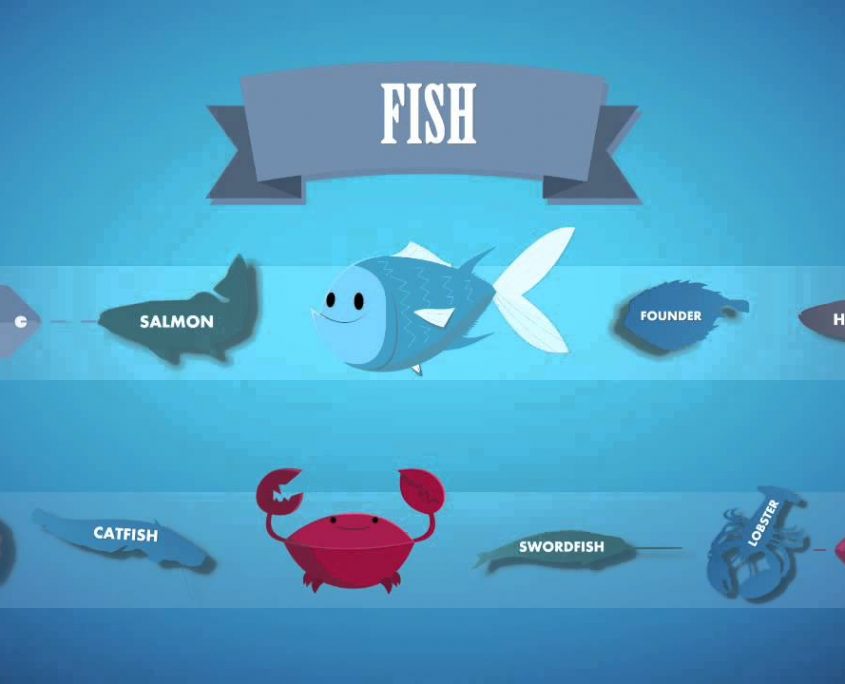
- Non-Kosher Animals: The Torah explicitly lists animals that are forbidden to eat. For mammals, this means animals that do not both chew their cud and have cloven hooves (e.g., pigs, rabbits, camels). For birds, the prohibition is based on a list of explicitly forbidden species in the Torah, which Rabbinic tradition has identified as generally being birds of prey. Fish must have both fins and scales. Insects are generally forbidden, with some very specific exceptions for certain locusts in ancient times, though these are not observed today.
- Forbidden Parts of Kosher Animals: Even if an animal is permissible to eat, certain parts are forbidden. This includes blood, which is removed through the kosher slaughtering (shechita) and salting process, and the sciatic nerve (gid hanasheh).
- Mixing Meat and Dairy: A fundamental principle of Kashrut is the strict separation of meat and dairy products. This prohibition is based on a Torah verse forbidding “you shall not boil a kid in its mother’s milk.” This extends to using separate utensils, cookware, and even dishwashers for meat and dairy. The waiting period between consuming meat and dairy also varies, with common practice being a six-hour wait after eating meat before dairy, and a shorter wait (usually 30 minutes to an hour) after dairy before meat.
- Non-Kosher Wine and Grape Products: Wine and other grape products made by non-Jews can be problematic due to historical concerns about idolatry. However, a significant exception exists for wine produced under Jewish supervision, known as “Yayin Mevushal” (cooked wine), which is less susceptible to ritual impurity.
The Role of Supervision and Certification
Ensuring that food is indeed kosher requires more than just knowing the rules; it necessitates verification. This is where kosher certification comes in. A kosher symbol (hechsher) on a product indicates that it has been prepared and processed according to kosher law under the supervision of a reliable kosher certification agency. These agencies employ rabbinic supervisors who inspect facilities, ingredients, and production processes.
Navigating Kashrut in the Age of Technology
The digital revolution has profoundly impacted nearly every aspect of our lives, and navigating Kashrut is no exception. For individuals and businesses, technology offers both unprecedented tools for adherence and new avenues for challenges.
Heading3: Tech Tools for the Observant Jew
The quest for kosher foods and information has been greatly simplified by technological advancements.
- Kosher Certification Apps and Databases: Numerous apps and websites now provide comprehensive databases of certified kosher products, restaurants, and grocery stores worldwide. These resources allow observant Jews to quickly check the kosher status of items while shopping or traveling, saving time and reducing uncertainty. From barcode scanners that instantly identify kosher products to interactive maps of kosher establishments, technology acts as a digital rabbi, offering accessible guidance.
- Digital Tracking and Inventory Management: For those running kosher kitchens or businesses, software solutions are emerging to help manage inventory, track expiration dates, and ensure proper separation of meat and dairy ingredients and equipment. This is particularly valuable in commercial settings where maintaining strict Kashrut standards is paramount.
- AI and Predictive Analytics in Food Sourcing: While still in its nascent stages, the potential for AI to assist in kosher food sourcing is immense. Imagine AI algorithms that can analyze global supply chains to identify potential non-kosher ingredients or predict the likelihood of contamination in certain food processing plants. This could revolutionize the oversight of kosher food production, ensuring greater transparency and reliability.
- Virtual Kitchen Tours and Supervision: In situations where physical supervision is difficult, virtual reality or live video streaming could potentially offer remote oversight of food preparation in certain contexts, though traditional rabbinic supervision remains the gold standard.
Heading3: Digital Security and Privacy Concerns
As more personal information, including dietary preferences and even religious observance levels, is stored digitally, concerns about data security and privacy become increasingly relevant for observant Jews.

- Protecting Sensitive Information: Information about one’s religious observance can be sensitive. Ensuring that apps and services used for kosher compliance employ robust security measures to protect this data from breaches or misuse is crucial.
- Algorithmic Bias and Kosher Assumptions: As AI becomes more integrated into food recommendation systems, there’s a potential for algorithmic bias. If these systems are not trained with an understanding of kosher laws, they might inadvertently recommend non-kosher foods or fail to provide adequate kosher options, leading to unintentional transgressions.
Branding Kashrut: From Personal Identity to Corporate Responsibility
The concept of Kashrut has a powerful resonance that extends beyond religious observance into the realms of personal and corporate branding. For individuals, adherence to kosher laws can be a significant part of their identity, influencing how they present themselves and interact with the world. For businesses, embracing kosher practices can be a strategic branding decision.
Heading3: Personal Branding and Kosher Identity
For many Jews, maintaining kosher practices is an integral part of their personal identity. This can manifest in various ways:
- Self-Expression through Dietary Choices: The act of choosing kosher foods is a conscious statement of religious commitment and cultural heritage. This choice shapes social interactions, from deciding where to eat with friends to hosting guests at home.
- Building Community and Belonging: Shared observance of Kashrut fosters a sense of community. Finding kosher restaurants, participating in kosher meal preparation, and attending Jewish events where kosher food is served are all ways individuals connect with others who share their values.
- Educating and Communicating: Effectively communicating one’s dietary needs to others, whether in a restaurant, at a social gathering, or in a workplace, is an important aspect of personal branding. This involves being clear, polite, and informative without being apologetic.
Heading3: Corporate Branding and the Kosher Market
The demand for kosher products and services extends far beyond the observant Jewish community. Many non-Jewish consumers perceive kosher certification as a mark of quality, purity, and reliability, making it a valuable branding asset for food manufacturers and restaurants.
- Expanding Market Reach: By obtaining kosher certification, food companies can tap into a significant and growing market of kosher consumers, including Orthodox Jews, as well as individuals who seek kosher products for perceived health benefits or as a sign of higher quality.
- Building Trust and Reputation: The rigorous oversight associated with kosher certification can enhance a brand’s reputation for trustworthiness and attention to detail. This meticulousness can be a powerful selling point.
- Ethical Sourcing and Transparency: In an era where consumers are increasingly concerned about ethical sourcing and supply chain transparency, kosher certification can serve as a proxy for these values, signaling a commitment to responsible production.
- Case Studies in Success: Numerous companies, from large multinational corporations to small artisanal producers, have successfully leveraged kosher certification as a key component of their brand strategy, demonstrating its commercial viability.
Money and the Kosher Economy
The adherence to Kashrut has significant economic implications, creating a distinct “kosher economy” that spans production, distribution, and consumption.
Heading3: The Financial Landscape of Kosher Products and Services
- The Cost of Kosher Certification: Obtaining and maintaining kosher certification often incurs costs for businesses. These can include fees for the certification agency, the cost of employing a mashgiach (kosher supervisor), and the expense of dedicated kosher production lines or equipment. These costs are often passed on to the consumer.
- The Kosher Premium: As a result of certification and specialized production, kosher products can sometimes carry a “kosher premium” – a slightly higher price than their non-kosher counterparts. However, many consumers are willing to pay this premium for the assurance of kosher compliance.
- Investment in the Kosher Market: For investors, the growing demand for kosher products presents opportunities. There are companies and funds that specialize in the kosher food industry, offering potential for financial returns.
- Side Hustles and Entrepreneurship in the Kosher Space: The kosher market also provides avenues for entrepreneurship. This could include starting a kosher catering business, developing kosher food products, or providing consulting services to businesses seeking kosher certification. The demand for specialized kosher items, from holiday treats to everyday staples, creates niches for innovative businesses.
Heading3: Personal Finance for the Observant Jew
Navigating personal finances while adhering to Kashrut involves unique considerations:
- Budgeting for Kosher Foods: Observant individuals may need to factor in the potential higher cost of kosher groceries and dining out when creating their budgets. This requires careful planning and smart shopping strategies.
- Investing in Kosher-Compliant Companies: For those who adhere to religious principles in their financial dealings, investing in companies that align with their values can be important. This might involve researching companies that avoid certain industries or have ethical practices that resonate with kosher values.
- Charitable Giving (Tzedakah): A cornerstone of Jewish life is Tzedakah, the mitzvah (commandment) of charity. This often involves a significant portion of one’s income being dedicated to helping the needy, and this commitment can be factored into personal financial planning.
In conclusion, the question of “what can Jews not eat” opens a window into a multifaceted system of laws and traditions that profoundly influences Jewish life. From the ancient prohibitions to the modern-day application of technology, branding, and financial considerations, Kashrut remains a dynamic and evolving aspect of Jewish identity and practice. Understanding these laws requires more than simply memorizing a list; it demands an appreciation for the spiritual, cultural, and communal dimensions that make Kashrut a vibrant and enduring part of the Jewish experience.
aViewFromTheCave is a participant in the Amazon Services LLC Associates Program, an affiliate advertising program designed to provide a means for sites to earn advertising fees by advertising and linking to Amazon.com. Amazon, the Amazon logo, AmazonSupply, and the AmazonSupply logo are trademarks of Amazon.com, Inc. or its affiliates. As an Amazon Associate we earn affiliate commissions from qualifying purchases.