
In the world of high-stakes finance, “chest pain” is rarely a purely physical ailment. It is the physiological manifestation of market volatility, the tightening sensation in the sternum when a portfolio takes a sudden 15% dip, or the sharp pang of anxiety that accompanies a high-risk venture capital play gone sideways. For the modern investor, the question “What can I take for chest pain?” isn’t a request for an antacid; it is a desperate search for a strategic remedy to alleviate the crushing pressure of financial instability.
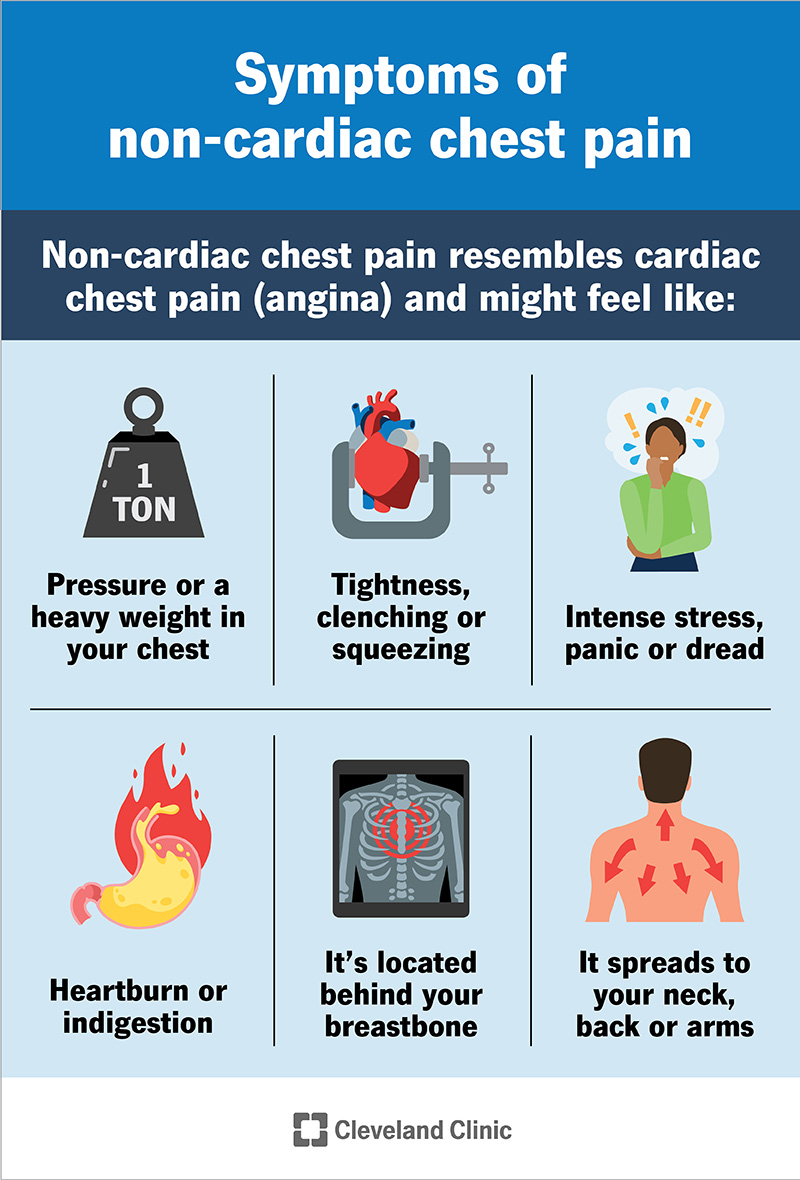
Financial stress is one of the most significant stressors in adult life, and its symptoms—uncertainty, fear, and the pressure to perform—can be paralyzing. To survive and thrive in today’s economic climate, one must move beyond the panic and look toward systemic “medications” that stabilize financial health and restore peace of mind.
Diagnosing the Symptoms of Financial “Chest Pain”
Before a remedy can be prescribed, a thorough diagnosis of the source of the pressure is required. Financial chest pain usually stems from one of three acute conditions: market-induced tachycardia, debt-heavy congestion, or inflationary erosion.
The Tachycardia of Market Volatility
Market volatility is the most common cause of investor “heart palpitations.” When the indices turn red and the 24-hour news cycle begins predicting a recession, the adrenaline response is triggered. This “tachycardia” leads to impulsive decision-making, such as panic selling at the bottom of a cycle. Understanding that volatility is a feature, not a bug, of the financial system is the first step in lowering the heart rate.
Identifying Acute Debt Stress
If volatility is a racing heart, debt is the pressure of a clogged artery. High-interest consumer debt or over-leveraged business loans create a constant, dull ache in a person’s financial outlook. This “chest pain” is caused by the realization that a significant portion of future earnings is already spoken for, leaving little room for growth or emergency maneuvering. Identifying the “clog”—usually high-interest credit cards or predatory lending—is essential for the first stage of intervention.
The Silent Killer: Inflationary Pressure
Inflation is the silent killer of purchasing power. Unlike the sharp pain of a market crash, inflation is a slow, constricting pressure. It erodes the value of cash reserves and fixed-income assets, making the investor feel as though they are running faster just to stay in the same place. Recognizing the impact of real interest rates vs. nominal interest rates is critical for a proper diagnosis of long-term financial discomfort.
Immediate “Medication” for Portfolio Stress
When the pain is acute and the markets are crashing, you need immediate interventions to stabilize the “patient.” These are the short-term actions that prevent a total systemic collapse of your personal or business finances.
Liquidity: The Digital Nitroglycerin
In a medical crisis, nitroglycerin is used to open up the vessels and restore flow. In finance, liquidity serves the same purpose. Having a “cash wedge” or highly liquid assets allows an investor to breathe during a downturn. If your entire net worth is tied up in illiquid real estate or locked retirement accounts during a personal financial crisis, the pain will intensify. Taking a “dose” of liquidity—ensuring you have 3–6 months of operating expenses in a high-yield savings account—is the fastest way to relieve the immediate pressure of an unexpected market shock.
Rebalancing: Correcting the Heart Rhythm of Your Investments
Over time, certain assets outgrow their intended proportions in a portfolio, leading to an “arrhythmia.” A portfolio that was supposed to be 60% stocks and 40% bonds might drift to 80/20 during a bull market. When the correction inevitably comes, the pain is far greater because the risk profile was skewed. Rebalancing—selling high and buying low—is the corrective surgery required to bring the portfolio back into a healthy rhythm. It forces the investor to take profits and reinvest in undervalued sectors, effectively lowering the overall “blood pressure” of the investment strategy.

Stop-Loss Orders as a Protective Stent
For those engaged in active trading or individual stock picking, the stop-loss order acts as a protective stent. It is a pre-programmed “medicine” that triggers a sale when an asset hits a certain price, preventing a minor injury from becoming a fatal wound. By removing the emotional component of “when to sell,” stop-loss orders provide a safety net that allows the investor to sleep better at night, knowing that their downside is capped.
Long-term Preventive Care and Financial Wellness
Once the acute pain has subsided, the focus must shift to long-term wellness. You cannot live on emergency “medication” forever; you need a lifestyle change that fosters resilience and growth.
Diversification: The Balanced Diet of Wealth Management
If you only eat one type of food, your body eventually fails. If you only hold one type of asset, your wealth is fragile. Diversification is the “balanced diet” of the financial world. By spreading capital across different asset classes—equities, fixed income, real estate, commodities, and perhaps a small percentage of digital assets—you ensure that no single “blockage” can stop your financial heart. True diversification involves looking for non-correlated assets that react differently to the same economic stimulus, providing a smoother ride over the long term.
Building an Emergency Fund Buffer
The ultimate preventative measure against financial chest pain is the emergency fund. This is the immune system of your finances. Without it, every minor car repair or medical bill becomes a crisis. A robust emergency fund, ideally housed in a tax-advantaged or high-interest environment, acts as a shock absorber. It ensures that when life happens, you don’t have to “take” anything for the pain because the pain never reaches your core financial structure.
Professional Consultation: Finding Your Financial Cardiologist
Self-diagnosis is dangerous in both medicine and money. A professional financial advisor acts as a cardiologist for your wealth. They provide an objective perspective that is not clouded by the “chest pain” of the moment. They can run stress tests on your portfolio, simulate “what-if” scenarios, and ensure that your tax strategy is as efficient as possible. Investing in professional advice is often the best “supplement” one can take to ensure long-term stability.
Behavioral Finance: The Psychology of Keeping Calm
Often, the “chest pain” we feel in finance is not caused by the numbers themselves, but by our psychological reaction to them. The field of behavioral finance teaches us that humans are hardwired to feel the pain of a loss twice as intensely as the joy of a gain.
Curbing the Adrenaline of Panic Selling
When the markets drop, the primitive brain screams “Run!” This is the fight-or-flight response. However, in the digital economy, running usually means locking in losses that would have otherwise been temporary. To combat this, investors must practice “financial mindfulness.” This involves setting clear rules for engagement before the crisis starts. By having a written Investment Policy Statement (IPS), you can refer to your “sober” self’s plan when the “intoxicated” panic of a market crash takes over.
Developing a Stoic Investment Thesis
The most successful investors are often those who can maintain a stoic detachment from daily fluctuations. This is achieved by focusing on what you can control—your savings rate, your asset allocation, and your costs—rather than what you cannot, such as geopolitical events or Federal Reserve decisions. Taking a “dose” of perspective helps. When you look at a 100-year chart of the S&P 500, the “chest pain” of a single week or month begins to look like a minor blip in a long, upward trajectory of human progress and compounding interest.
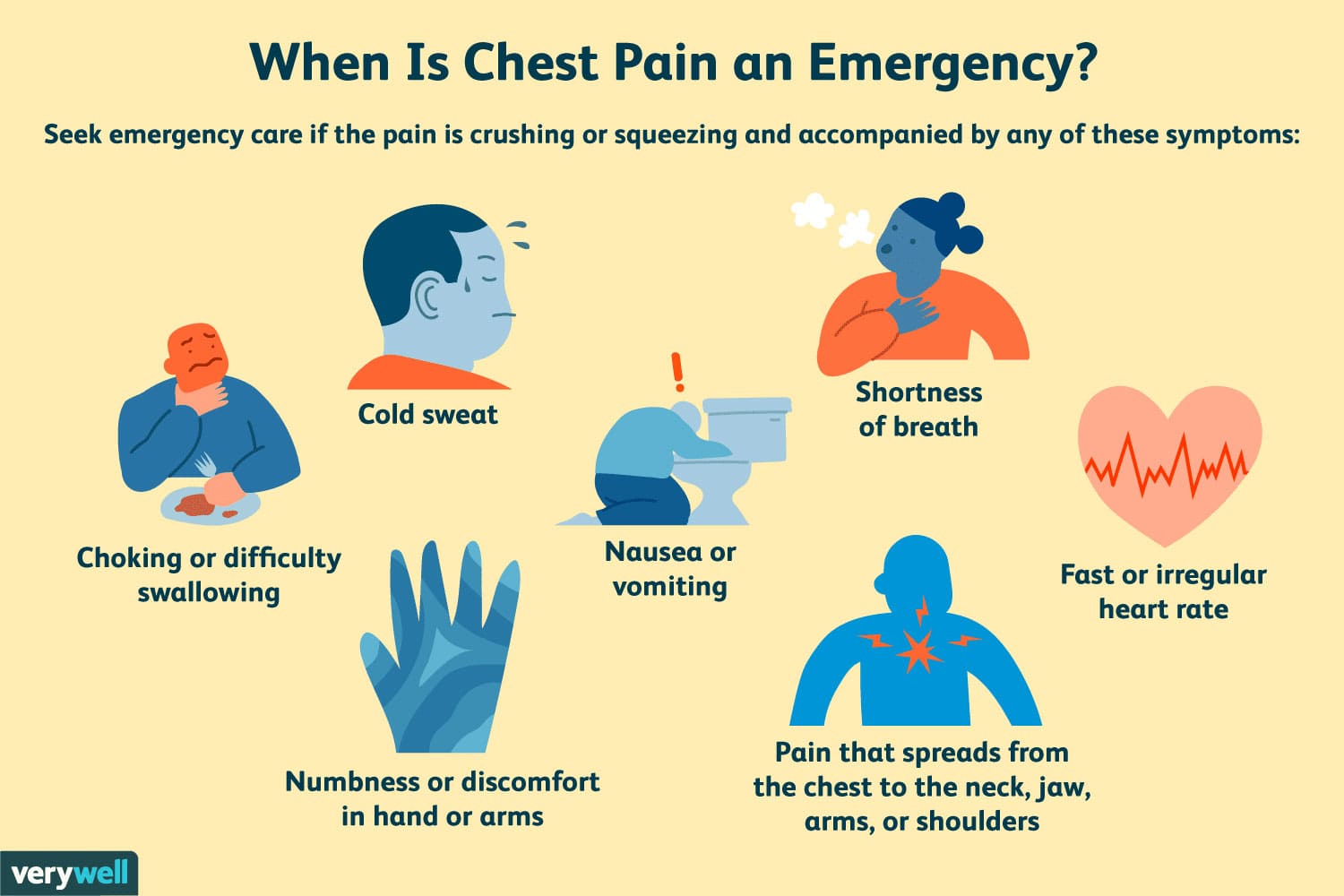
Utilizing Financial Tools for Clarity
In the modern era, there are numerous apps and software tools designed to give you a “readout” of your financial health. Tools like Personal Capital, YNAB (You Need A Budget), or specialized AI-driven portfolio analyzers can provide the data necessary to calm the nerves. When you can see your net worth, your cash flow, and your projected retirement date in cold, hard data, the “ghosts” of financial anxiety tend to disappear. Clarity is the ultimate antidote to the chest pain of the unknown.
In conclusion, “what you can take” for the chest pain of financial stress is not a pill, but a process. It is the combination of immediate liquidity, strategic rebalancing, long-term diversification, and a disciplined psychological approach. By treating your finances with the same rigor a doctor treats a heart patient, you can move from a state of chronic anxiety to a position of strength, ensuring that your financial heart remains healthy through every cycle the market throws your way.
aViewFromTheCave is a participant in the Amazon Services LLC Associates Program, an affiliate advertising program designed to provide a means for sites to earn advertising fees by advertising and linking to Amazon.com. Amazon, the Amazon logo, AmazonSupply, and the AmazonSupply logo are trademarks of Amazon.com, Inc. or its affiliates. As an Amazon Associate we earn affiliate commissions from qualifying purchases.