
The age-old question, “What can I say to my crush?” has evolved from a matter of whispered advice between friends to a complex intersection of technology, data science, and linguistic modeling. In the modern era, the “first move” is rarely made in person; it is mediated by screens, polished by algorithms, and increasingly influenced by artificial intelligence. As we move deeper into the 2020s, the art of digital conversation has become a technical discipline, requiring an understanding of how software platforms shape our interactions and how emerging AI tools can be leveraged to bridge the gap between social anxiety and meaningful connection.
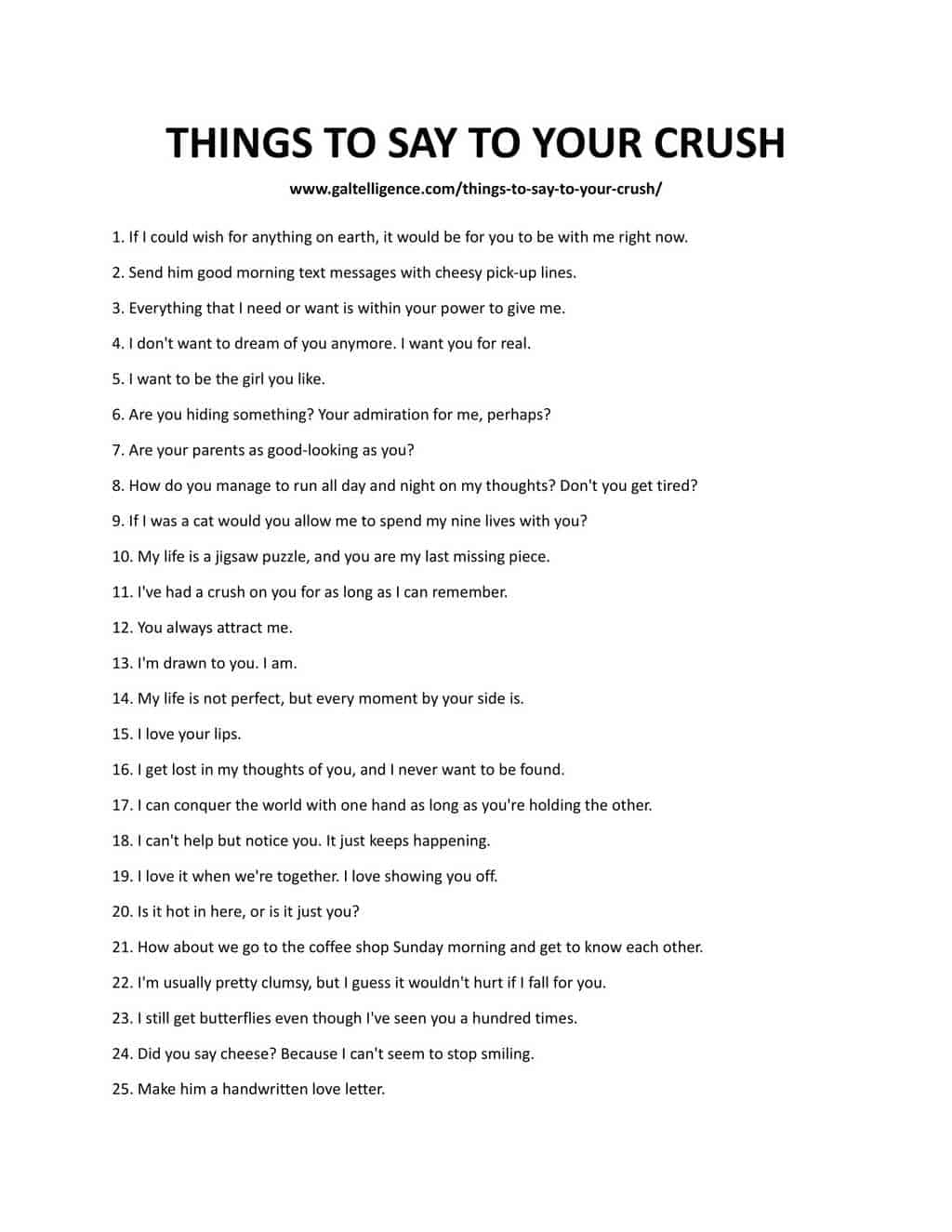
1. The Algorithmic Wingman: How Generative AI is Redefining Social Scripts
The most significant technological shift in interpersonal communication over the last decade is the rise of Large Language Models (LLMs). When someone asks what they should say to a crush, they are no longer limited to their own vocabulary or the generic templates found on dating blogs. Instead, they have access to sophisticated Generative AI that can synthesize context, tone, and intent to produce highly personalized communication strategies.
The Rise of “Rizz” Apps and Fine-Tuned LLMs
A new niche in the app store ecosystem has emerged: the “AI Wingman.” These applications utilize APIs from companies like OpenAI or Anthropic, often fine-tuned on datasets of successful social interactions, to provide users with “lines” or conversation starters. By uploading a screenshot of a chat thread, the AI analyzes the sentiment and suggests a response that optimizes for engagement. This is not merely a “copy-paste” solution; it is a demonstration of how Natural Language Processing (NLP) can decode the subtleties of human flirting—identifying sarcasm, detecting interest levels, and suggesting the “optimal” time to reply based on historical data.
Prompt Engineering for Emotional Intelligence
For the tech-savvy individual, the question of what to say to a crush becomes a challenge in prompt engineering. Users are learning to provide AI with specific parameters: “Write a message to someone I met at a tech conference who likes Python and 90s shoegaze, ensuring the tone is witty but professional.” The resulting output is a product of high-level computation, balancing the constraints of the user’s personality with the perceived preferences of the recipient. This shift marks a transition from spontaneous human emotion to calculated, software-assisted outreach.
2. Deciphering the Stack: The Software Behind Modern Attraction
To understand what to say to a crush, one must first understand the platforms upon which these conversations occur. The medium is the message, and the technical architecture of platforms like Tinder, Bumble, or even Instagram’s “Close Friends” feature dictates the cadence and content of our interactions.
Sentiment Analysis and Interface Cues
Many modern communication tools utilize sentiment analysis—a subfield of AI that categorizes the emotional tone of text. While users might not see the raw data, the software they use is often nudging them toward specific behaviors. For instance, some dating apps use “Icebreaker” features powered by machine learning algorithms that suggest topics based on mutual interests identified via data mining. These tools lower the barrier to entry, providing the “what to say” through automated prompts derived from the “big data” of the user’s digital footprint.
Asynchronous vs. Synchronous Communication Tools
The technical distinction between asynchronous (texting, DMing) and synchronous (video calls, voice notes) communication changes the strategy of what one says. Tech-heavy communication relies on the “buffer” of asynchronicity, allowing for the use of external tools—dictionaries, AI assistants, or even A/B testing different messages with small focus groups of friends—before hitting send. This technological advantage allows for a level of curated perfection that was impossible in the era of landline telephones.
The Role of Rich Media and APIs
“Saying something” to a crush now involves more than just text. It involves the integration of rich media—GIFs sourced from Giphy APIs, Spotify tracks shared via deep-linking, or interactive AR filters. The “content” of the conversation is often a technical pointer to another piece of media, requiring the user to be fluent in the digital language of memes and cross-platform sharing. Understanding the “API of attraction” means knowing which digital assets will resonate with the recipient’s personal algorithm.
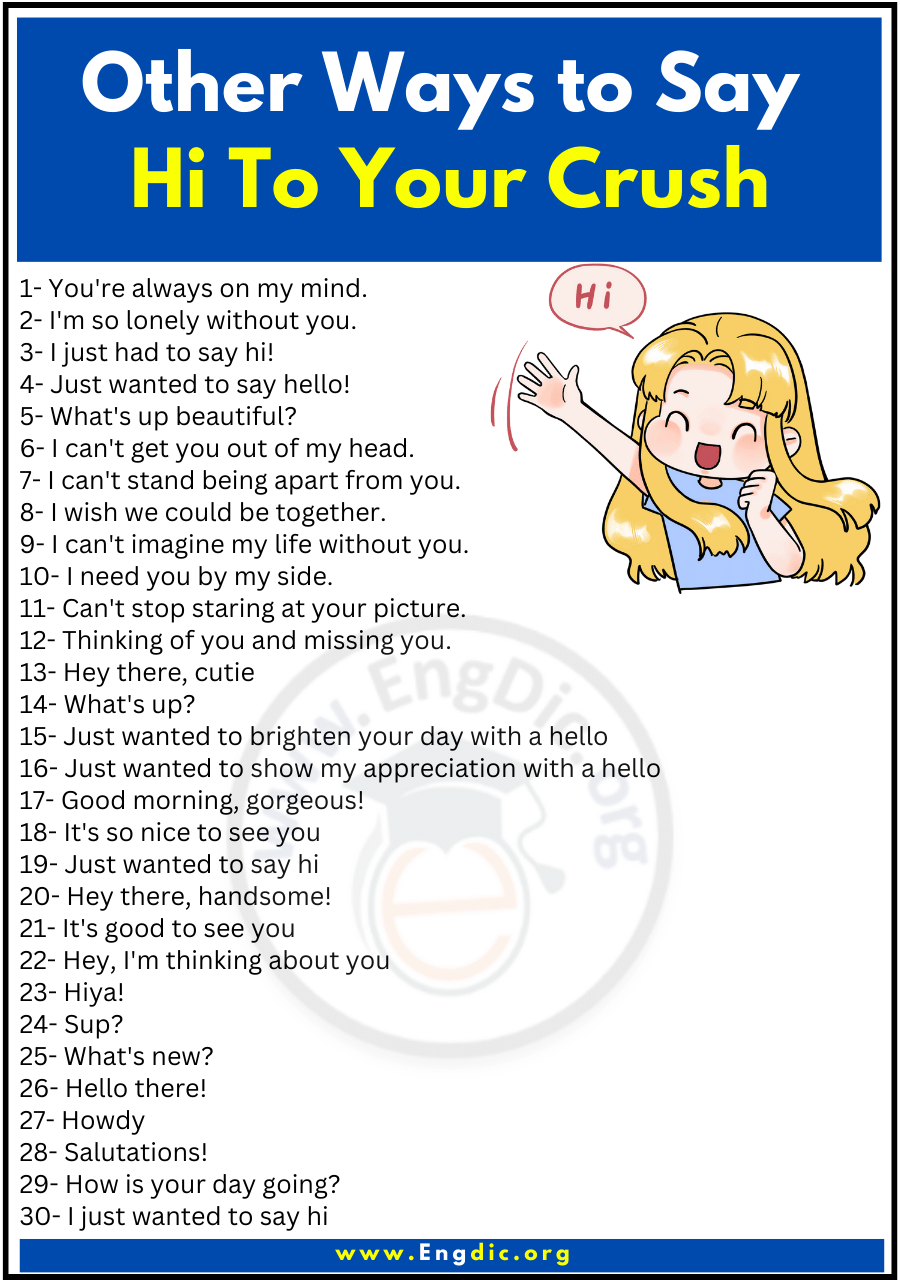
3. The Ethics and Security of Digital Courting
As we rely more on technology to dictate our social lives, we must confront the technical vulnerabilities and ethical dilemmas inherent in using AI and software to talk to a crush. If an AI writes your “first move,” does that constitute a breach of authenticity? Furthermore, where does the data go once you’ve entered your most private thoughts into a third-party app?
Data Privacy and the “Black Box” of Romance
Every time a user inputs details about their crush into an AI tool or a dating app, they are contributing to a massive dataset. In the tech world, this raises significant concerns regarding data privacy. Many “wingman” apps have questionable terms of service regarding the storage of screenshots and personal chat logs. The professional user must be aware of the “Privacy-Security-Social” triad: the balance between using tech to improve social outcomes, maintaining the security of one’s personal data, and preserving the privacy of the unsuspecting crush.
The Threat of Deepfakes and Synthetic Personalities
As generative technology advances, what we “say” can now include synthetic voice notes or even video. The ethical implications of using tech to enhance one’s digital persona are profound. If a user utilizes a real-time AI voice modulator or a “beautification” filter during a video call, the line between the human and the software blurs. This creates a technical paradox: the very tools meant to facilitate connection can, if overused, create a “synthetic barrier” that prevents genuine human intimacy.
4. Optimizing the Digital Persona: A Technical Strategy for Interaction
For those looking to leverage technology to improve their social prospects, the strategy should be viewed as a full-stack optimization problem. It isn’t just about one message; it’s about the entire digital presence that supports that message.
SEO for the Soul: Profile Optimization
Before you ever “say” anything, your digital footprint has already spoken. Profile optimization is essentially Search Engine Optimization (SEO) for your personal life. By understanding how the algorithms of social media platforms rank content, users can ensure that when their crush eventually “Googles” them or looks at their profile, the “search results” reflect a high-authority, high-quality brand. This involves high-resolution imagery (optimized for mobile viewing), keyword-rich bios, and a consistent “content cadence.”
The Feedback Loop: Using Analytics to Pivot
In the tech industry, we use “Lean Methodology”—Build, Measure, Learn. This can be applied to social interactions. If a certain “type” of message (e.g., a technical joke or a link to an interesting article) receives a higher response rate (CTR – Click-Through Rate) than a standard greeting, the user should pivot their strategy. Modern communication provides us with the analytics—read receipts, “typing…” indicators, and engagement metrics—to treat our social lives with the same analytical rigor we apply to a software launch.
Future-Proofing Conversation with Neural Interfaces
Looking forward, the question of “what to say” may be answered by Brain-Computer Interfaces (BCIs). Emerging tech from companies like Neuralink suggests a future where intent could be communicated directly, bypassing the limitations of language and the latency of typing. While this remains in the realm of high-level R&D, it represents the ultimate endpoint of our current trajectory: the total integration of technology into the most fundamental human desire for connection.

Conclusion: The Synthesis of Logic and Emotion
Ultimately, while technology provides the tools, the “what to say” must still resonate on a human level. The most successful digital communicators are those who understand the “Tech” of the medium—the LLMs, the algorithms, and the data security—but use it as a scaffold for genuine expression. Whether you are using a prompt to break the ice or an app to analyze the best time to send a text, remember that technology is an accelerator, not a replacement, for the human heart. In the professional landscape of digital communication, the goal is to be “Tech-Enhanced,” not “Tech-Dependent,” ensuring that when you finally do say something to your crush, it is backed by both a powerful processor and a sincere intent.
aViewFromTheCave is a participant in the Amazon Services LLC Associates Program, an affiliate advertising program designed to provide a means for sites to earn advertising fees by advertising and linking to Amazon.com. Amazon, the Amazon logo, AmazonSupply, and the AmazonSupply logo are trademarks of Amazon.com, Inc. or its affiliates. As an Amazon Associate we earn affiliate commissions from qualifying purchases.