
Embarking on a ketogenic diet often brings a sharp focus on food choices, scrutinizing every meal for its carb content and macronutrient ratios. Yet, a crucial, often overlooked, aspect of maintaining nutritional ketosis – and indeed, overall health – lies in your beverage selection. What you drink can significantly impact not only your progress on keto but also your wallet. In a world increasingly saturated with specialized diets and convenience products, making informed financial decisions about your keto-friendly drinks is paramount. This article delves into the monetary considerations behind your hydration choices on keto, guiding you through cost-effective strategies, smart investments, and the long-term financial implications of what you pour into your glass.

The Financial Landscape of Ketogenic Beverages
The ketogenic diet, renowned for its low-carb, high-fat approach, necessitates a re-evaluation of virtually everything you consume. This extends beyond solid foods to the liquids that make up a significant portion of your daily intake. While some keto-friendly beverages are naturally inexpensive, others can quickly inflate your grocery bill if not chosen wisely. Understanding the financial implications of your drink choices is the first step towards a sustainable and budget-conscious keto lifestyle.
Understanding the Cost Spectrum of Keto Drinks
At one end of the spectrum, you have the simplest and most universally recommended keto beverage: water. It’s free from carbs, calories, and, often, cost. Tap water, filtered or unfiltered, is the epitome of a budget-friendly keto staple. As you move away from plain water, the costs begin to accrue. Black coffee and unsweetened teas are relatively inexpensive, especially when prepared at home. However, venturing into specialty lattes, bottled cold brews, or herbal infusions can push the price point higher.
Further along the spectrum lie electrolyte-enhanced waters, sugar-free sodas, and various keto-specific supplements or powdered drink mixes. These products, marketed to support a ketogenic lifestyle, often come with a premium price tag. For instance, a single serving of a powdered exogenous ketone supplement designed to be mixed into a drink can cost several dollars, while a pack of low-carb sparkling water might be significantly more expensive than regular soda. The allure of convenience and targeted benefits often overshadows the underlying cost, leading many to inadvertently overspend on their daily hydration. Recognizing this spectrum is vital for making conscious financial decisions rather than impulse purchases.
Long-Term Financial Implications of Drink Choices
While individual beverage choices might seem minor on a day-to-day basis, their cumulative effect over weeks, months, and years can be substantial. Regularly opting for expensive specialty drinks can lead to significant financial leakage from your budget. Consider the individual who buys a $5 keto-friendly energy drink daily versus someone who primarily consumes tap water and homemade coffee. Over a year, the former could spend upwards of $1,800 purely on that single beverage type, while the latter’s expenditure would be negligible.
Moreover, neglecting the most basic and economical keto beverage – water – can sometimes lead to perceived needs for more expensive solutions. Dehydration, a common issue, especially during the initial phase of keto, can trigger headaches, fatigue, and muscle cramps. Some individuals might reach for expensive electrolyte supplements when simply increasing their plain water intake, possibly with a pinch of salt, could have sufficed. Understanding the long-term financial trajectory of your drink habits encourages a more sustainable approach to your keto journey, ensuring that your pursuit of health doesn’t inadvertently drain your savings.
Budget-Friendly Keto Drink Staples: Hydration Without Breaking the Bank
Successfully adhering to a ketogenic diet doesn’t require an extravagant budget, especially when it comes to beverages. Many of the most effective and universally recommended keto-friendly drinks are also the most economical. By prioritizing these staples and embracing a DIY mindset, you can maintain ketosis, stay hydrated, and keep your finances in check.
Water: The Ultimate Free Keto Beverage
It cannot be stressed enough: water is the cornerstone of any healthy diet, and particularly crucial for those on keto. Not only is it 100% carb-free and calorie-free, but it’s also virtually free from a financial perspective if you’re utilizing tap water. Proper hydration is essential for electrolyte balance, preventing “keto flu” symptoms, and supporting metabolic functions.
For those concerned about tap water quality, a simple water filter (pitcher, faucet-mounted, or whole-house) represents a one-time or infrequent investment that pays dividends in both health and savings. Instead of spending on bottled water, which generates plastic waste and can be surprisingly costly over time, a reusable water bottle filled from your filtered tap is the most financially astute choice. To add variety without cost, consider infusing your water with slices of keto-friendly fruits like lemon, lime, or cucumber, which add flavor without significant carbs or cost. This simple habit forms the bedrock of a financially smart keto hydration strategy.
Coffee and Tea: Economical Caffeine Fixes
For many, morning routines are incomplete without a warm beverage, and thankfully, both coffee and tea are excellent, low-cost options on a ketogenic diet. Black coffee, whether brewed at home from ground beans or instant, contains negligible carbs and is very affordable. The same goes for plain, unsweetened teas – green, black, herbal, or white. Buying loose-leaf tea or ground coffee in bulk can further reduce costs per serving compared to single-serve pods or pre-packaged tea bags.
The financial pitfalls typically arise when additions are introduced. Sugary creamers, flavored syrups, and non-keto sweeteners can not only add carbs but also significantly increase the cost. Stick to heavy cream, unsweetened almond milk, or a few drops of a zero-calorie, keto-friendly sweetener (like stevia or erythritol) for flavor, keeping portion sizes in mind. These additions, especially when purchased in larger containers, remain far more economical than daily trips to a coffee shop for a specialty keto beverage that can easily cost $5-$7 per serving. Making your caffeine fix at home is a clear win for your budget.
DIY Keto-Friendly Drinks: Maximizing Value at Home
Beyond plain water, coffee, and tea, a world of budget-friendly keto drinks can be crafted in your own kitchen. The “Do It Yourself” approach is a powerful tool for cost savings across all aspects of the keto diet, and beverages are no exception.
Consider making your own flavored sparkling water using a home carbonation machine. While there’s an initial investment in the machine, the cost per liter of sparkling water is significantly lower than buying bottled varieties, and you control the flavorings, ensuring they’re keto-compliant. Adding a few drops of natural food-grade flavor extracts (e.g., vanilla, almond, peppermint) or a squeeze of lemon/lime provides variety without added carbs or a hefty price tag.

Homemade unsweetened iced tea, brewed in large batches and stored in the refrigerator, is another excellent option. Similarly, creating your own keto “lemonade” with fresh lemon juice, water, and a keto-friendly sweetener can be a refreshing and inexpensive alternative to store-bought diet sodas. Even a simple bone broth, made from inexpensive chicken or beef bones, can be a nutrient-dense, warm, and comforting keto beverage that also offers financial benefits when made from scratch compared to buying pre-made versions. The initial effort of preparing these drinks at home translates into substantial long-term savings and greater control over ingredients.
Evaluating Specialty Keto Beverages: Worth the Investment?
The market for ketogenic products has exploded, offering a bewildering array of specialty drinks ranging from enhanced waters to exogenous ketones and low-carb meal replacement shakes. While these products promise convenience or specific benefits, their higher price point warrants careful financial consideration. Understanding when these specialized items might be a worthy investment versus an unnecessary expenditure is key to maintaining a balanced keto budget.
Electrolyte Supplements and Enhanced Waters: When to Splurge
Electrolytes are crucial on a ketogenic diet, as the reduction in carbohydrate intake often leads to increased water and electrolyte excretion. Symptoms like headaches, fatigue, and muscle cramps (“keto flu”) are frequently attributed to electrolyte imbalances. While basic sodium intake can be managed with table salt, potassium and magnesium often require more attention.
For some, especially during the initial adaptation phase or during intense physical activity, a dedicated electrolyte supplement or enhanced water might be beneficial. However, these often come at a premium. Before splurging, assess your actual needs. Can you meet your electrolyte requirements through whole foods (e.g., avocados, spinach for potassium; nuts, seeds for magnesium) and strategic salting of your food and water? If persistent symptoms suggest a deficiency, a targeted supplement might be a wise, short-term investment to help your body adapt and avoid discomfort that could derail your diet. Look for formulations that are sugar-free and specifically designed for keto, and consider buying in bulk powder form to reduce per-serving costs compared to ready-to-drink options. For everyday hydration, basic electrolyte solutions made at home with a pinch of salt, potassium chloride (often found as salt substitute), and magnesium citrate can be a far more economical alternative to expensive commercial products.
Low-Carb Sodas and Diet Drinks: A Cost-Benefit Analysis
The craving for something sweet and fizzy can be strong, and numerous low-carb sodas, diet drinks, and sparkling waters are available to cater to this desire. These typically use artificial sweeteners or stevia/erythritol blends, making them carb-free. From a financial perspective, they are generally more expensive than plain water but cheaper than many specialty keto supplements.
The cost-benefit analysis here extends beyond mere price to potential health implications. While they offer a temporary fix for cravings, frequent consumption of artificially sweetened beverages raises questions for some about gut health, continued sugar cravings, and their long-term impact on metabolic health, even if they don’t directly kick you out of ketosis. From a purely financial standpoint, these drinks add an ongoing expense that is entirely discretionary. If they are an occasional treat that helps maintain adherence to keto, their cost might be justified. However, relying on them as a daily staple can accumulate expenses rapidly without offering significant nutritional value. Prioritizing less processed and naturally flavored alternatives usually offers better financial and health returns.
Alcohol on Keto: The Price of a Pint (or a Glass)
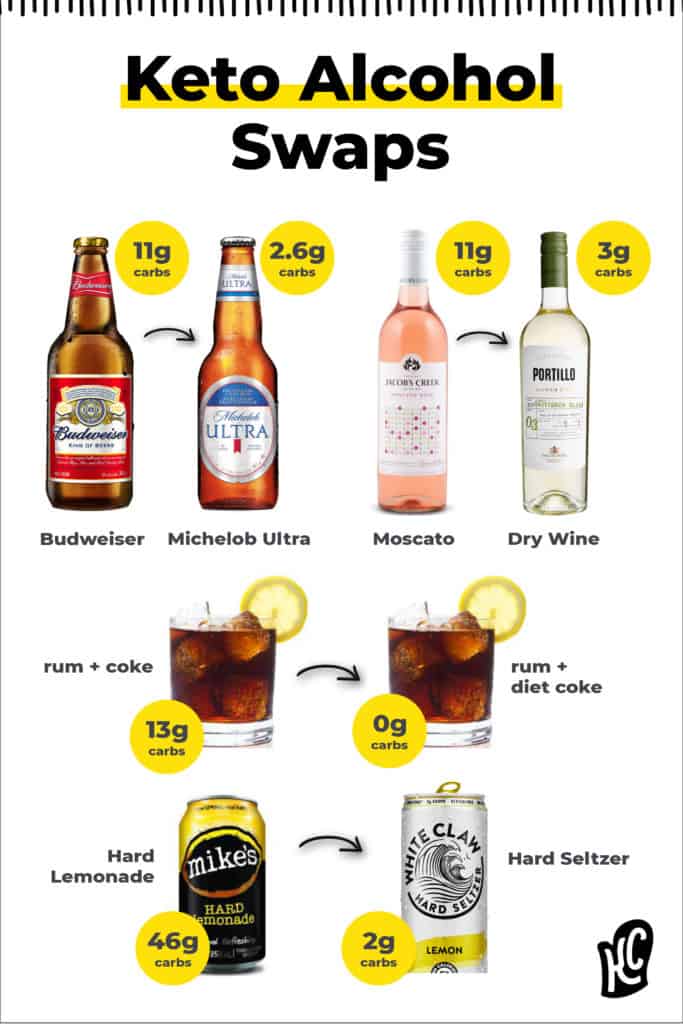
For those who choose to incorporate alcohol into their keto lifestyle, beverage selection is key, both for carb control and financial impact. Spirits like vodka, gin, whiskey, and rum (unflavored) are typically carb-free and, when mixed with zero-calorie, sugar-free mixers, can be keto-friendly. Dry wines also contain minimal carbs. However, beer, sweet wines, and sugary cocktails are generally off-limits due to their high carb content.
From a financial perspective, alcoholic beverages are often among the most expensive drink choices. A single glass of wine or a low-carb spirit mixed drink can easily cost more than several days’ worth of homemade keto beverages. Regular consumption, whether at home or, more significantly, when dining out, can quickly escalate your monthly expenditure. For instance, a bottle of spirits might last several weeks, but buying individual drinks at a bar adds up quickly. If you choose to drink alcohol on keto, selecting spirits or dry wines over carb-laden options is essential for ketosis, and mindful consumption is crucial for your budget. Limiting frequency and opting for home-prepared drinks over restaurant prices will significantly mitigate the financial impact.
Strategic Spending: Investing in Your Keto Lifestyle
A successful keto journey isn’t just about what you eat or drink; it’s also about how you manage the resources, including your money, that support your lifestyle change. Strategic spending, smart planning, and utilizing financial tools can turn the potentially higher cost of some keto items into a manageable and even advantageous investment in your long-term health and financial well-being.
Batch Prepping and Bulk Buying for Savings
One of the most effective strategies for saving money on keto drinks (and food) is through batch prepping and bulk buying. This applies perfectly to beverages. For instance, buying large bags of coffee beans or loose-leaf tea can drastically reduce the cost per serving compared to smaller packages or single-serve options. When these items are on sale, stocking up can lead to even greater savings.
Similarly, consider making larger quantities of homemade keto beverages. Brewing a big pitcher of unsweetened iced tea, infusing a gallon of water with lemon and mint, or even preparing a large batch of homemade bone broth means you always have a ready-to-drink, keto-friendly option. This not only saves money by reducing the likelihood of impulse buying more expensive, less healthy alternatives but also saves time during busy weekdays. The initial investment in a few good storage containers can pay for itself many times over in saved costs and convenience.
Tracking Your Beverage Expenses: Financial Tools for Keto Success
To truly understand and control your spending on keto drinks, you need to track it. This is where personal finance principles and tools become invaluable. Just as you might track your macros, tracking your beverage expenses provides clear insights into where your money is going.
Utilize budgeting apps (like Mint, YNAB, or even a simple spreadsheet) to categorize your spending on drinks. This allows you to see how much you’re allocating to water, coffee/tea, specialty keto drinks, or occasional alcoholic beverages. Once you have this data, you can set realistic spending limits for each category. For example, you might decide to allocate $X per week for coffee, $Y for occasional electrolyte supplements, and ensure that plain water remains your primary, free hydration source.
Regularly reviewing these expenses can highlight areas where you might be overspending unnecessarily. Are those daily diet sodas adding up? Is a particular supplement becoming too expensive a habit? By applying financial discipline to your drink choices, you empower yourself to make adjustments, prioritize your spending on items that offer the most value (both health and financial), and ultimately, ensure that your keto journey is sustainable, healthy, and economically sound. Investing a little time in financial tracking yields significant returns in cost savings and peace of mind.
aViewFromTheCave is a participant in the Amazon Services LLC Associates Program, an affiliate advertising program designed to provide a means for sites to earn advertising fees by advertising and linking to Amazon.com. Amazon, the Amazon logo, AmazonSupply, and the AmazonSupply logo are trademarks of Amazon.com, Inc. or its affiliates. As an Amazon Associate we earn affiliate commissions from qualifying purchases.