
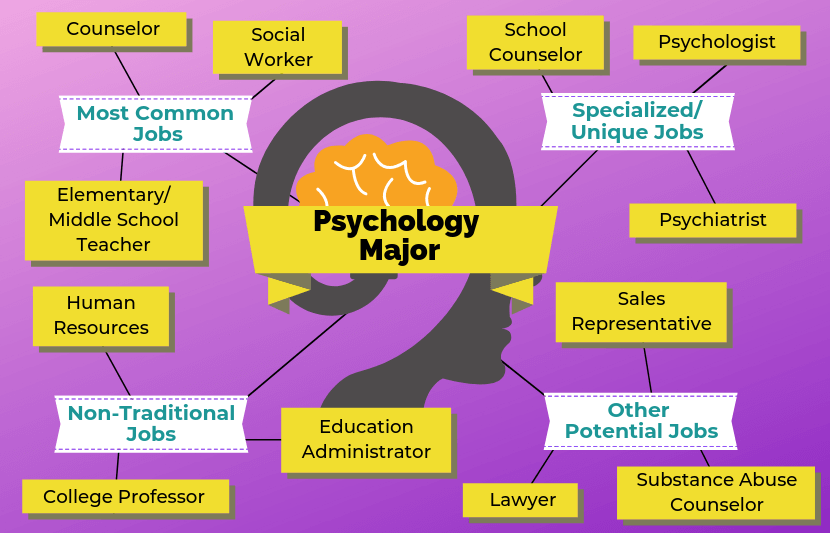
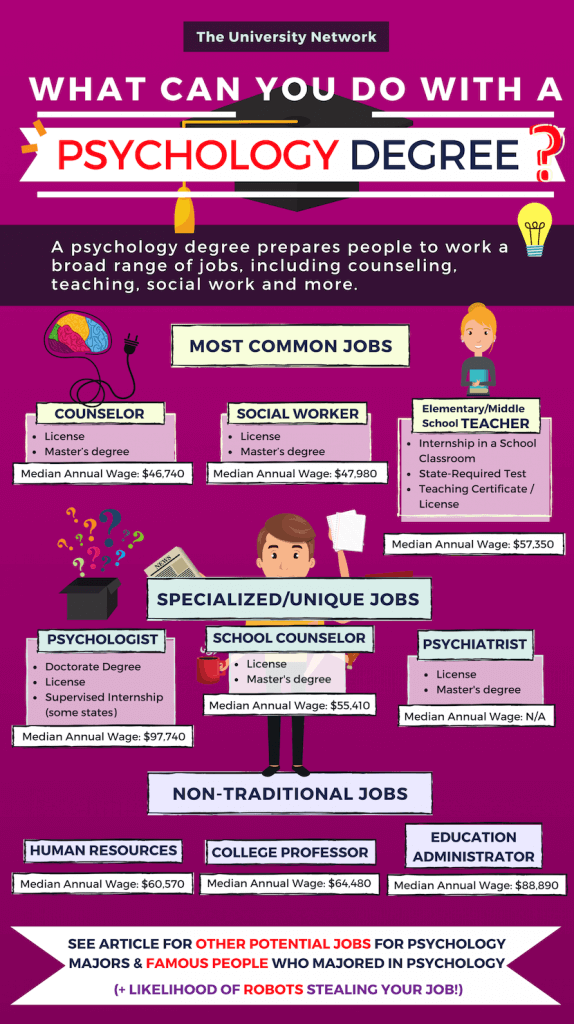
A bachelor’s degree in psychology is a versatile foundation, equipping individuals with a deep understanding of human behavior, cognitive processes, and social dynamics. While many immediately envision clinical practice or therapy, the applications of a psychology degree extend far beyond traditional mental health roles, particularly within the rapidly evolving landscape of the tech industry. This article will explore the lucrative and impactful career paths available to psychology graduates in technology, focusing on how their unique skillsets are not only in demand but also crucial for innovation and user-centric development.
Leveraging Psychological Principles in Tech Product Development
The core of technological advancement lies in creating products and services that resonate with users, solve problems, and are intuitively easy to use. Psychology graduates possess an inherent advantage in this arena due to their training in understanding motivation, perception, learning, and decision-making. This knowledge is directly transferable to various roles focused on shaping the user experience and ensuring the success of technological offerings.
User Experience (UX) Research
User Experience (UX) research is perhaps the most direct and sought-after application of a psychology degree in tech. UX researchers employ a variety of qualitative and quantitative methods to understand how users interact with digital products. This includes conducting interviews, surveys, usability testing, and observational studies. Psychology graduates are naturally adept at designing experiments, analyzing data, and drawing meaningful conclusions about user behavior. Their understanding of cognitive biases, emotional responses, and learning theories allows them to identify pain points, predict user reactions, and recommend design improvements that enhance usability and satisfaction.
For instance, a UX researcher with a psychology background can analyze why users abandon a particular feature on a website by applying principles of motivation and cognitive load. They can also design A/B tests to determine which interface elements are most effective in guiding users towards desired actions, drawing on knowledge of behavioral economics and decision-making models. The ability to empathize with users and truly step into their shoes is a hallmark of strong psychological training, making these graduates invaluable in crafting products that feel natural and fulfilling to use.
Product Management
While often seen as a more business-oriented role, product management heavily relies on understanding user needs and market dynamics. Psychology graduates bring a unique perspective to this field by focusing on the human element of product development. They can effectively bridge the gap between engineering teams, design departments, and customer feedback, ensuring that the product being built aligns with what users actually want and need.
Product managers with a psychology background excel at defining product roadmaps, prioritizing features, and understanding the competitive landscape from a user-centric viewpoint. Their ability to interpret qualitative data from user feedback, conduct market research with an eye for behavioral patterns, and communicate complex user insights to diverse stakeholders makes them highly effective. They can anticipate user adoption challenges, identify opportunities for behavioral nudges to encourage engagement, and understand the psychological impact of new features. This makes them crucial in driving the success of software applications, mobile apps, and other tech innovations.
Human-Computer Interaction (HCI) Design
Human-Computer Interaction (HCI) is an interdisciplinary field that focuses on the design of computer technology and, in particular, the interaction between users and computers. Psychology graduates are foundational to HCI, as their understanding of cognitive psychology, perception, and learning directly informs how interfaces are designed. They can help create systems that are not only functional but also intuitive, accessible, and even enjoyable to use.
HCI designers use their knowledge to develop interfaces that minimize cognitive effort, reduce error rates, and provide clear feedback. This might involve designing navigation systems that are easy to understand, creating error messages that are helpful rather than frustrating, or developing adaptive interfaces that cater to individual user preferences and abilities. The principles of affordance, signifiers, and feedback loops, core to HCI, are deeply rooted in psychological theories of perception and learning. Therefore, psychology graduates are exceptionally well-equipped to contribute to the creation of sophisticated and user-friendly technological experiences.
Driving Ethical AI and Data Analysis with Psychological Acumen
The rise of Artificial Intelligence (AI) and the massive amounts of data generated by digital interactions present both opportunities and challenges. Psychology graduates are uniquely positioned to contribute to the ethical development and responsible application of AI, as well as to extract meaningful insights from complex datasets.
AI Ethics and Safety
As AI systems become more sophisticated and integrated into our lives, ensuring their ethical development and deployment is paramount. Psychology graduates are essential in identifying potential biases in AI algorithms, understanding the psychological impact of AI on individuals and society, and developing guidelines for responsible AI use. Their understanding of cognitive biases, social psychology, and moral development allows them to critically evaluate how AI systems might perpetuate or even amplify existing societal inequalities.
For example, a psychology graduate working in AI ethics might analyze how facial recognition software, trained on biased datasets, can lead to discriminatory outcomes. They can also research the psychological effects of AI-driven personalized content, such as filter bubbles and echo chambers, and propose mitigation strategies. Furthermore, their expertise is invaluable in designing AI systems that are transparent, fair, and accountable, ensuring that technology serves humanity rather than undermining it.
Data Science and Behavioral Analytics
Data science, particularly behavioral analytics, thrives on the interpretation of human behavior patterns within large datasets. Psychology graduates possess the analytical skills and theoretical knowledge to make sense of this data, transforming raw numbers into actionable insights. They can analyze user engagement metrics, identify patterns in online behavior, and predict future trends.
Their understanding of statistical methods, research design, and inferential statistics, honed during their academic studies, makes them proficient in analyzing user data. Beyond just identifying correlations, psychology graduates can often infer causal relationships and understand the underlying psychological drivers of observed behaviors. This is critical for businesses seeking to understand customer journeys, optimize marketing campaigns, personalize user experiences, and improve product performance. For instance, by analyzing clickstream data and purchase history, a psychology graduate can identify psychological triggers that lead to conversions or drop-offs, providing valuable guidance for product and marketing teams.
Building Empathy and Understanding in the Digital Workplace
The tech industry is not just about code and algorithms; it’s also about people – the teams that build the technology, the users who interact with it, and the customers who rely on it. Psychology graduates bring a vital element of human understanding to the digital workplace, fostering better collaboration, communication, and overall organizational health.
Human Resources (HR) and Talent Acquisition in Tech
While HR is a broad field, tech companies have specific needs that psychology graduates are well-suited to address. Talent acquisition in the tech sector requires understanding not only technical skills but also the soft skills, cultural fit, and motivational drivers of candidates. Psychology graduates can excel at designing interview processes that accurately assess these qualities, developing onboarding programs that foster employee integration, and implementing performance management systems that are fair and motivating.
Their knowledge of organizational psychology, motivation theories, and group dynamics allows them to create positive work environments, reduce employee turnover, and enhance team cohesion. They can identify and address issues related to employee well-being, conflict resolution, and leadership development within tech organizations. This human-centric approach is crucial in attracting and retaining top talent in a competitive industry, ensuring that tech companies are not just innovative but also great places to work.
Learning and Development (L&D) and Training
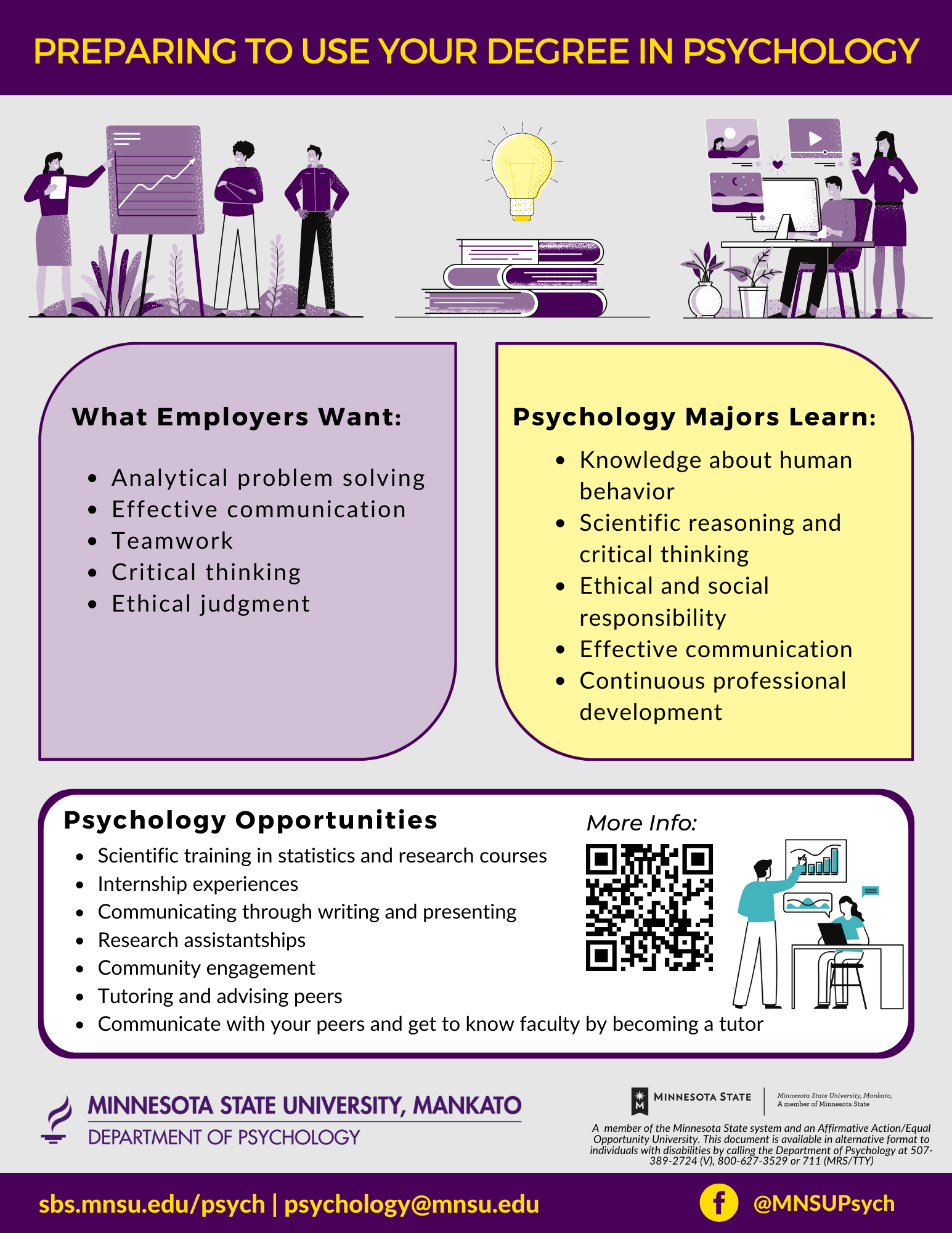
As technology evolves at breakneck speed, continuous learning and development are essential for individuals and organizations in the tech sector. Psychology graduates are ideally positioned to design and deliver effective training programs. Their understanding of adult learning principles, instructional design, and cognitive psychology allows them to create engaging and impactful learning experiences that help employees acquire new skills, adapt to new technologies, and stay ahead of industry trends.
This can involve developing online courses, workshops, and simulations that cater to diverse learning styles. They can also design programs to foster critical thinking, problem-solving, and innovation within teams. By applying principles of behavioral change and reinforcement, psychology graduates can create training initiatives that not only impart knowledge but also encourage the application of that knowledge in practical, real-world scenarios, thereby driving tangible improvements in performance and productivity within tech companies.
In conclusion, a bachelor’s degree in psychology offers a robust pathway into the dynamic and ever-expanding tech industry. The ability to understand and predict human behavior, coupled with strong analytical and research skills, makes psychology graduates indispensable in roles ranging from UX research and product management to AI ethics and data science. By bridging the gap between human needs and technological innovation, these graduates are not only carving out successful and rewarding careers but are also instrumental in shaping the future of technology to be more user-centric, ethical, and impactful.
aViewFromTheCave is a participant in the Amazon Services LLC Associates Program, an affiliate advertising program designed to provide a means for sites to earn advertising fees by advertising and linking to Amazon.com. Amazon, the Amazon logo, AmazonSupply, and the AmazonSupply logo are trademarks of Amazon.com, Inc. or its affiliates. As an Amazon Associate we earn affiliate commissions from qualifying purchases.