
In today’s hyper-connected and technologically driven world, even the mundane task of managing household waste is being re-examined through a digital lens. While the physical act of disposing of food scraps might seem straightforward, the humble garbage disposal unit has become a surprisingly complex point of consideration. This article delves into what can and, more importantly, should go into your garbage disposal, framed by the overarching themes of technology, branding, and money – the very pillars of the digital economy.
The Tech Behind the Grind: Understanding Your Disposal’s Capabilities
The garbage disposal unit, at its core, is a marvel of mechanical engineering, a testament to how technology simplifies our daily lives. However, like any tool, its effectiveness and longevity depend on our understanding of its limitations. From the raw power of its motor to the sharpness of its grinding plates, every aspect is engineered for a specific purpose.

Decoding the Core Components: Motor Power and Blade Design
At the heart of every garbage disposal is its motor. These motors, measured in horsepower (HP), dictate the unit’s raw grinding power. A more powerful motor can handle tougher, more fibrous materials. For instance, a 1/2 HP disposal might struggle with hard vegetable peels, while a 1 HP unit can likely process them with ease. Understanding your disposal’s HP is the first step in determining its capacity.
Beyond the motor, the design of the grinding mechanism is crucial. Most disposals utilize a spinning impellers (or lugs) mounted on a turntable. As food waste is introduced, water flushes it into the grinding chamber. The impellers then force the waste against a stationary grind ring, effectively shredding it into small particles. These particles are then flushed down the drain by the running water. The sharpness and configuration of these impellers and the grind ring play a significant role in how efficiently and finely waste is processed.
Water: The Essential Lubricant and Flushing Agent
It’s a common misconception that running water is merely a courtesy when using a garbage disposal. In reality, water is an indispensable component of the disposal process. It acts as a lubricant, allowing the waste to move freely through the grinding chamber and preventing it from clumping. More importantly, water is the primary vehicle for flushing the finely ground food particles out of the disposal and into the drainpipe. Without a sufficient flow of cold water, even seemingly “disposable” items can lead to clogs, system backups, and ultimately, costly repairs.
The Myth of “Self-Cleaning”: Understanding Maintenance and Longevity
The idea that a garbage disposal is a “self-cleaning” device is a marketing myth that often leads to misuse. While the grinding action itself does remove residue, it’s not a thorough cleaning process. Over time, food particles can accumulate on the grinding surfaces and in the drainpipe, leading to odors and potential blockages. Regular maintenance, such as running citrus peels through the disposal or using specialized disposal cleaning solutions, is vital to keep the unit functioning optimally and extend its lifespan. This proactive approach aligns with the tech industry’s emphasis on preventative maintenance for digital systems to avoid costly downtime.
Beyond the Bin: What’s Safe to Grind and What’s Not
The question of “what can go in a garbage disposal” is less about absolute capability and more about best practices for operational efficiency, preventing damage, and avoiding plumbing nightmares. Think of it like understanding the input parameters for an AI algorithm – the right inputs lead to optimal outputs, while incorrect ones can cause system errors.
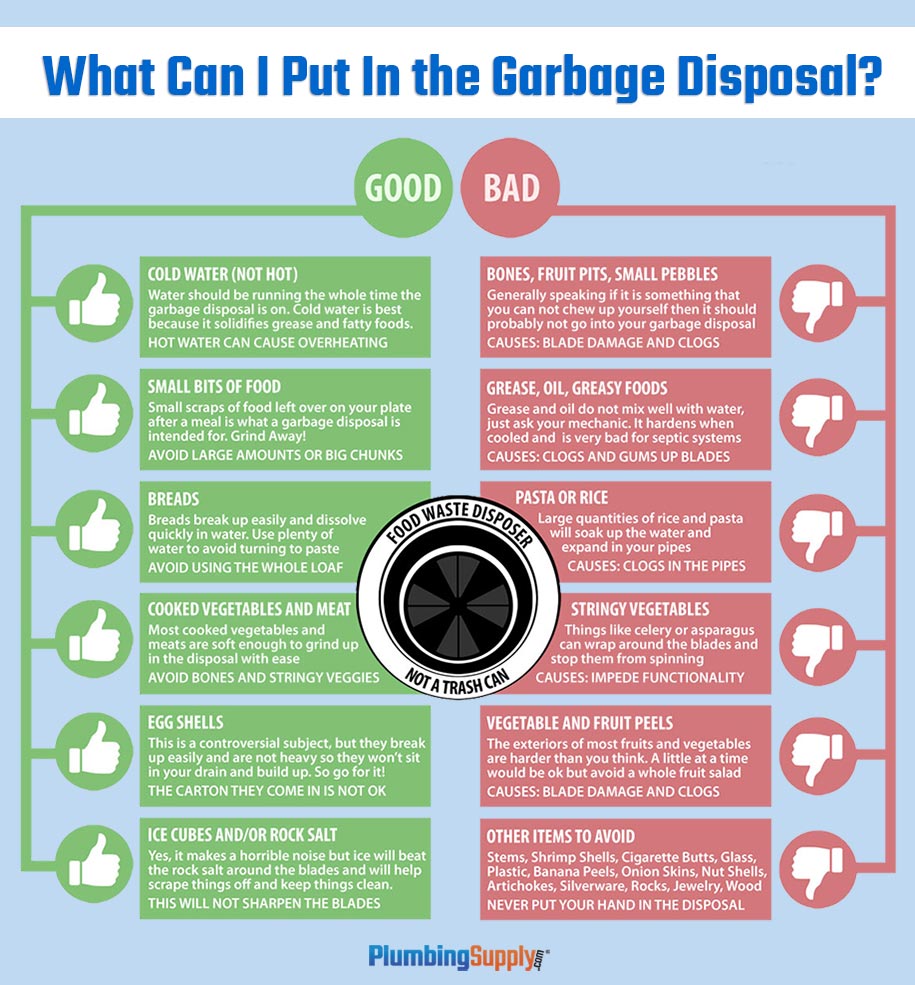
The “Yes” List: Generally Safe Food Scraps

The core purpose of a garbage disposal is to handle everyday food waste. This includes:
- Soft Fruits and Vegetables: Most fruits and vegetables, like bananas, berries, cooked carrots, and soft leafy greens, can be ground without issue, provided they are cut into smaller pieces.
- Small Bones: Cooked or raw, small bones from poultry or fish can typically be ground. However, larger, denser bones like those from beef or pork should be avoided.
- Small Pieces of Cooked Meat: Small, soft pieces of cooked meat can be ground, but large quantities or stringy, fibrous meats should be limited.
- Eggshells: While they can be abrasive, eggshells are generally safe to grind and can even act as a mild abrasive to help clean the grinding chamber.
- Coffee Grounds: A small amount of coffee grounds is usually acceptable. However, excessive amounts can accumulate and form sludge, so moderation is key.
- Cereal and Bread: Small quantities of these starchy items are generally fine, but they can expand and become gummy, so avoid large amounts.
The “No” List: Items to Avoid at All Costs
Certain items, despite being organic, can wreak havoc on your garbage disposal and plumbing system. These are the digital “malware” of your kitchen:
- Fibrous Vegetables: Celery, corn husks, asparagus, artichokes, and rhubarb have long, stringy fibers that can wrap around the grinding impellers, jamming the unit and creating clogs.
- Starchy Foods in Large Quantities: Rice, pasta, and potato peels can absorb water and expand, forming a paste-like substance that can clog pipes.
- Grease, Fat, and Oil: This is arguably the most common culprit for kitchen drain clogs. When hot, these substances are liquid, but as they cool, they solidify, coating the pipes and trapping other debris.
- Non-Food Items: Anything that isn’t food waste, including plastic, glass, metal, rubber bands, paper towels, and cleaning sponges, should never be put down the disposal. These can damage the grinding components and lead to serious plumbing issues.
- Hard Bones and Fruit Pits: Large, dense bones (beef, pork) and hard fruit pits (avocado, peach) are too tough for most disposals to grind effectively and can damage the motor or impellers.
- Shellfish Shells: The hard, abrasive shells of shrimp, crab, and oysters can dull the grinding components and are difficult to break down.
- Large Quantities of Anything: Even “safe” items should be processed in moderation. Overloading the disposal strains the motor and increases the likelihood of clogs.
The Economic Implications: Cost of Misuse and Prevention
The seemingly simple act of what you put down your garbage disposal has direct financial ramifications, mirroring the economic principles of investing in good systems versus paying for costly repairs. Treating your disposal with care is a smart financial decision.
The High Cost of Clogs and Repairs
A clogged drain or a damaged garbage disposal is not a minor inconvenience; it’s an expense. Professional plumbing services to clear stubborn clogs can range from hundreds to thousands of dollars, depending on the severity and location of the blockage. In more extreme cases, a damaged disposal unit may need to be replaced entirely, which is another significant outlay. This mirrors the cost of dealing with a cybersecurity breach – preventative measures are far less expensive than recovering from an attack.
Brand Reputation and Appliance Longevity: A Consumer’s Perspective
For manufacturers, a reputation for producing durable and reliable garbage disposals is crucial. Just as a strong corporate brand is built on trust and consistent performance, the longevity of your appliance is a direct reflection of its quality and your maintenance practices. When consumers adhere to recommended usage guidelines, they contribute to the positive perception of the brand and the appliance’s intended lifespan. Conversely, frequent breakdowns due to misuse can lead to negative reviews and damage the brand’s reputation. This highlights the importance of aligning product design and user education to foster positive brand experiences.
Investing in Prevention: The Smart Financial Choice
The most effective strategy for managing your garbage disposal is to invest in preventative care and mindful usage. This includes:
- Educating Yourself and Your Household: Ensure everyone who uses the kitchen understands what can and cannot go down the disposal. This is akin to digital literacy training for new software.
- Scraping Plates Thoroughly: Remove as much food waste as possible from plates into the trash or compost bin before rinsing them.
- Running Cold Water: Always run cold water before, during, and for at least 15-30 seconds after using the disposal.
- Using the Disposal Moderately: Avoid overloading the unit. Grind waste in batches if necessary.
- Regular Cleaning: Periodically clean the disposal with citrus peels or specialized cleaners to prevent odors and buildup.
- Considering a Composting System: For a more sustainable approach to food waste, consider complementing your disposal with a composting system for suitable organic materials. This reduces the load on your disposal and benefits the environment.
By understanding the technological capabilities of your garbage disposal, adhering to best practices for waste disposal, and recognizing the economic consequences of misuse, you can ensure this kitchen appliance continues to serve its purpose efficiently and cost-effectively, much like smart investments in technology and sound financial management in the digital age.
aViewFromTheCave is a participant in the Amazon Services LLC Associates Program, an affiliate advertising program designed to provide a means for sites to earn advertising fees by advertising and linking to Amazon.com. Amazon, the Amazon logo, AmazonSupply, and the AmazonSupply logo are trademarks of Amazon.com, Inc. or its affiliates. As an Amazon Associate we earn affiliate commissions from qualifying purchases.