
In the modern digital landscape, the phrase “high pulse rate” has transitioned from the doctor’s office to the dashboard of our smartwatches. While the biological causes of tachycardia (a resting heart rate over 100 beats per minute) are well-documented in medicine—ranging from stress and caffeine to underlying cardiovascular conditions—the technological interpretation of these signals is a feat of engineering. Today, we are no longer reliant on manual pulse checks; instead, we depend on complex algorithms, optical sensors, and artificial intelligence to tell us when our “pulse” is racing.
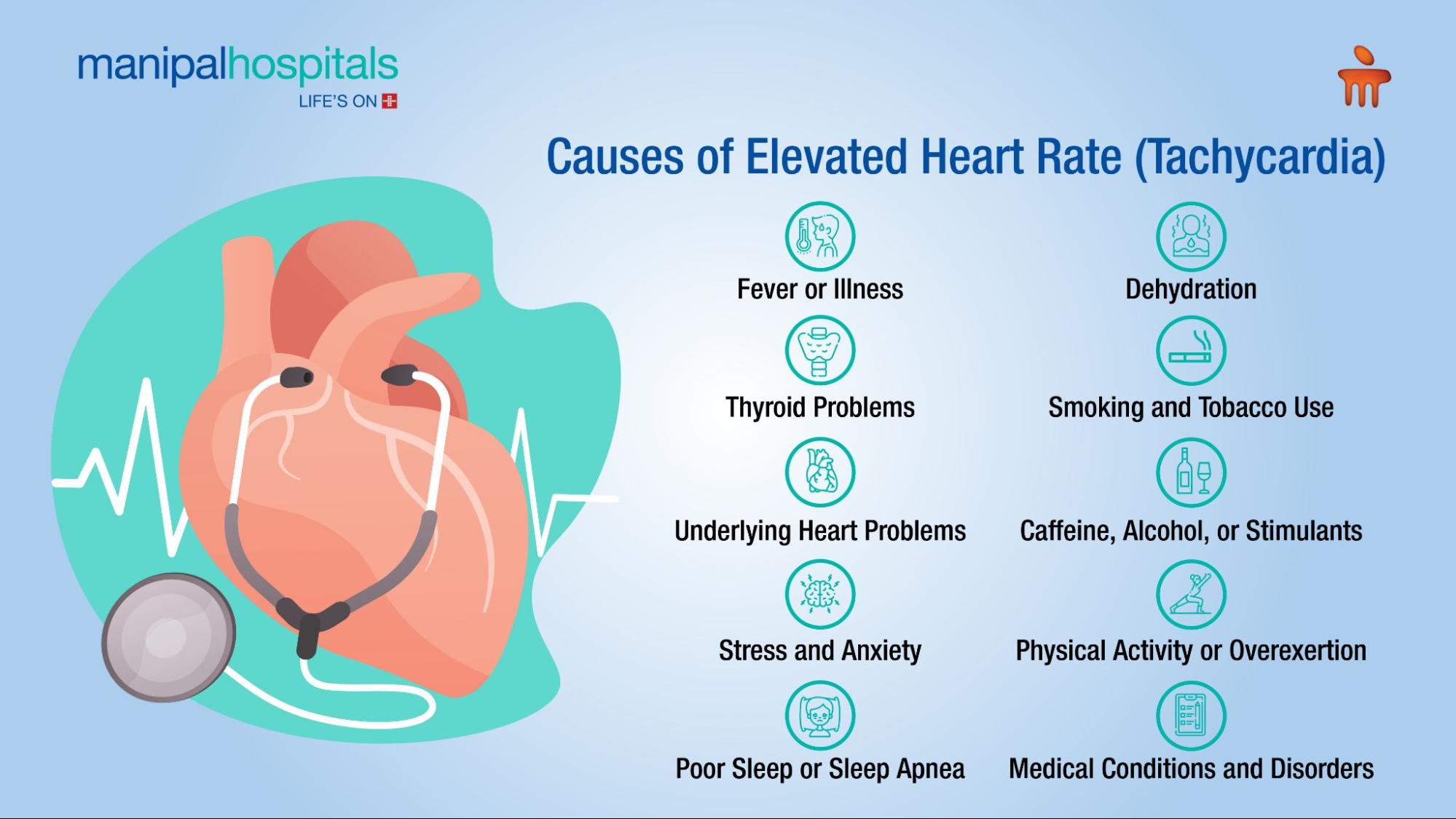
Understanding what causes a high pulse rate through the lens of technology requires an exploration of how hardware interacts with human physiology. From the precision of Photoplethysmography (PPG) to the predictive power of machine learning, health-tech is redefining how we monitor, interpret, and respond to our body’s internal rhythms.
The Engineering Behind the Alert: How Sensors Detect a High Pulse
To understand what causes a high pulse rate reading on a device, one must first understand the hardware responsible for the detection. Most consumer wearables, such as those from Apple, Garmin, and Fitbit, utilize a technology called Photoplethysmography (PPG).
The Role of Green Light Technology
PPG sensors work on a relatively simple but highly effective optical principle: blood is red because it reflects red light and absorbs green light. On the underside of a smartwatch, green LED lights flash hundreds of times per second, paired with light-sensitive photodiodes. When your heart beats, the blood flow in your wrist—and the green light absorption—is greater. Between beats, it is less. By flashing its LED lights hundreds of times per second, the device can calculate the number of times the heart beats each minute—your heart rate.
Signal Processing and Noise Reduction
The “cause” of a high pulse reading in a tech context can often be attributed to signal processing. The raw data from a PPG sensor is incredibly “noisy.” Movement, skin tone, and even the tightness of the watch band can interfere with the light’s path. Sophisticated digital signal processing (DSP) units must filter out this noise to isolate the actual pulse. When a high pulse is detected, it is the result of the processor identifying an increased frequency in these light-absorption peaks, often confirming the data against an accelerometer to ensure the user isn’t simply shaking their arm.
Software Triggers: Analyzing the Digital Causes of Elevated Heart Rate Alerts
While a sensor detects the beat, the software determines if that beat is “high.” In the realm of health-tech, a high pulse rate isn’t just a number; it is a data point analyzed against a baseline.
Algorithmic Baselines and Personalization
Most modern health apps do not use a “one size fits all” approach. Instead, they utilize “resting heart rate” (RHR) baselines established over weeks of wear. A high pulse rate alert is triggered when the software detects a significant deviation from this baseline while the accelerometer indicates the user is sedentary. The “cause” of the alert is a calculated threshold breach, where AI models identify that the current heart rate is statistically anomalous for the user’s current activity level.
Motion Artifacts and Sensor Error
From a technical troubleshooting perspective, what causes a false high pulse rate? The most common culprit is a “motion artifact.” When a user engages in high-intensity rhythmic movement (like typing rapidly or vibrations while cycling), the sensor can occasionally misinterpret these movements as heartbeats. Developers combat this by using “fusion algorithms,” which cross-reference the optical sensor data with motion data. If the pulse and the movement frequency match perfectly, the software may flag it as a potential error rather than a physiological event.
The Impact of Ambient Light and Skin Perfusion
Environmental factors also play a role in how tech registers pulse. If the watch is loose, ambient light can leak into the photodiode, “blinding” the sensor and causing erratic readings that the software might interpret as a high pulse. Similarly, in cold weather, skin perfusion (blood flow to the skin) decreases, making it harder for the LEDs to detect the pulse. The software must then “boost” the signal, which can occasionally lead to artifacts that look like tachycardia to an unrefined algorithm.
AI and Machine Learning: Predicting Tachycardia Before It Happens
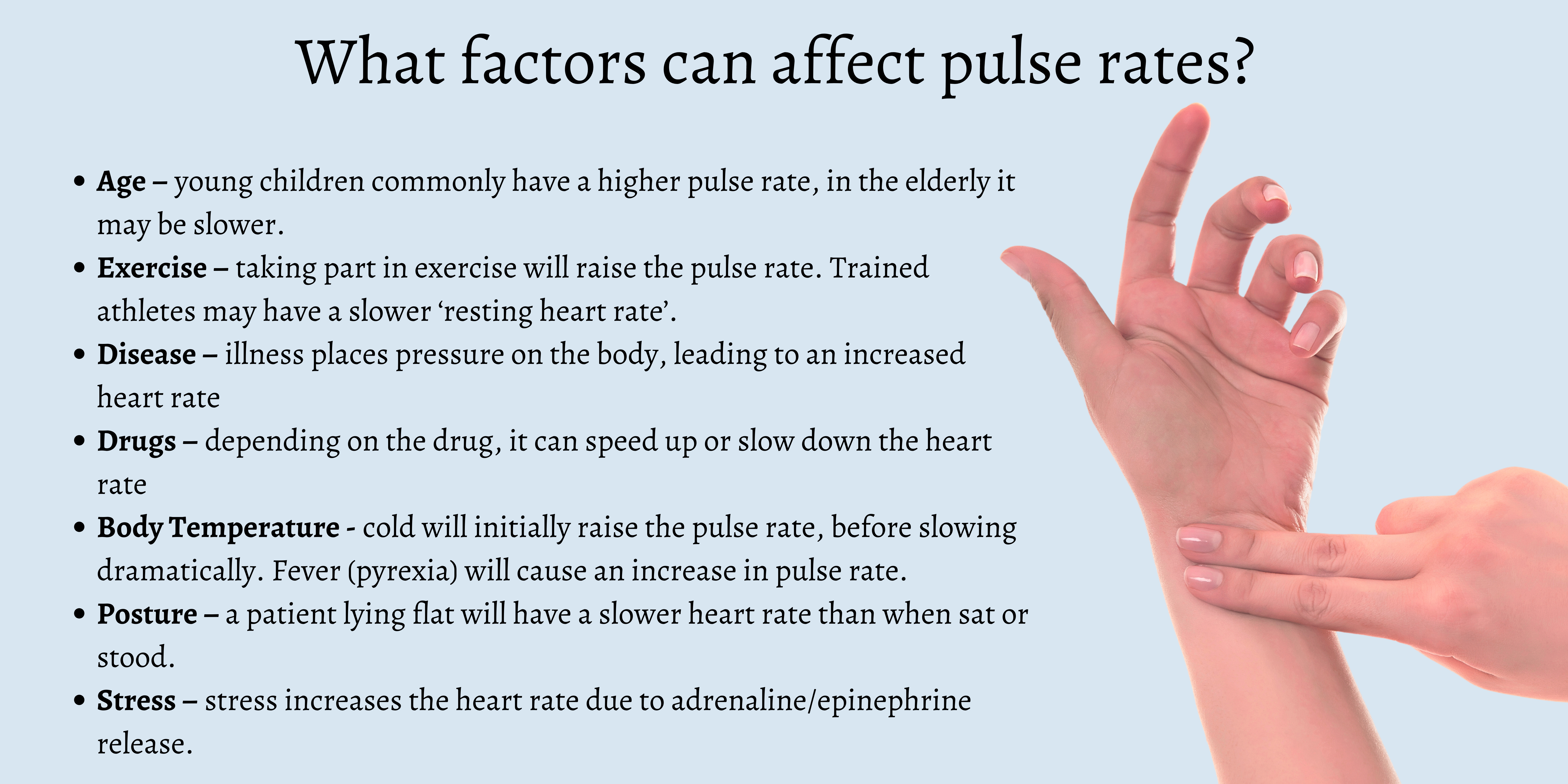
The most significant advancement in health technology is the transition from reactive monitoring to predictive analysis. Artificial Intelligence (AI) is now being trained to identify what causes a high pulse rate before the user even feels a symptom.
Neural Networks and Arrhythmia Detection
Advanced wearables use neural networks trained on millions of hours of ECG (Electrocardiogram) data. These AI models look for more than just speed; they look for rhythm. A high pulse rate caused by simple anxiety looks different to an algorithm than one caused by Atrial Fibrillation (AFib). By analyzing the “inter-beat interval”—the millisecond-level timing between pulses—AI can determine if a high pulse rate is a standard physiological response or a digital red flag for a medical emergency.
Predictive Analytics for Stress and Illness
One of the most fascinating developments in the “Money” and “Tech” crossover is the use of heart rate variability (HRV) to predict burnout or illness. Sophisticated apps can now identify an “elevated resting pulse” as a precursor to a viral infection or extreme mental stress. The AI detects subtle rises in the pulse rate—often 5 to 10 beats per minute above average—long before the user feels “sick.” This predictive capability is becoming a cornerstone of the “quantified self” movement, where data-driven health management is the primary goal.
The Security and Ethics of Biometric Data
As we allow technology to monitor the causes of our high pulse rates, we create a massive trail of highly sensitive biometric data. This introduces a new set of technological challenges regarding digital security and privacy.
Encrypting the Pulse: Data Protection Protocols
Biometric data is uniquely identifiable. Unlike a password, you cannot change your heart rate patterns. Therefore, tech companies must use end-to-end encryption (E2EE) to secure pulse data as it moves from the wearable to the cloud. What causes concern for security experts is the “leakage” of this data to third-party apps. A high pulse rate logged during a specific time of day could theoretically be used by insurance algorithms or advertisers to infer lifestyle habits or health risks, making the “Tech” behind the “Security” just as vital as the “Tech” behind the “Sensor.”
The Decentralization of Health Data
We are seeing a trend toward “On-Device Processing.” To enhance privacy and reduce latency, companies like Apple and Google are moving the AI that calculates pulse rates directly onto the watch’s silicon (the “System on a Chip” or SoC). By processing the data locally, the raw, sensitive “high pulse” data never has to leave the wrist, sending only the processed, encrypted result to the cloud. This technical shift is crucial for maintaining user trust in an era of increasing data breaches.
The Future of Biometric Monitoring: Beyond the Wrist
The technology used to identify what causes a high pulse rate is moving beyond the standard smartwatch. The next frontier involves invisible, ambient, and even internal sensors.
Smart Clothing and E-Textiles
Engineers are currently developing “E-textiles” where the sensors are woven directly into the fabric of a shirt. These sensors use “bio-impedance” rather than light, providing a much more accurate reading of the heart’s electrical activity. This eliminates the “noise” issues associated with wrist-based PPG sensors and allows for professional-grade monitoring during high-impact sports or sleep.
Remote Photoplethysmography (rPPG)
The most futuristic tech in this niche is rPPG—detecting a high pulse rate using only a smartphone camera or a webcam. By analyzing microscopic changes in skin color on the face (unnoticeable to the human eye), software can calculate a heart rate with surprising accuracy. This has massive implications for telehealth, where a doctor can “see” a patient’s pulse rate during a video call without the patient needing any wearable device at all.
The Integration of Virtual Assistants
As AI becomes more conversational, we can expect “proactive health coaching.” Instead of a simple notification saying “High Heart Rate Detected,” future systems will cross-reference your digital calendar, your location, and your biometric history. The tech will say: “I notice your pulse is 110 bpm; you have a presentation in 5 minutes. Would you like to try a two-minute breathing exercise?” This level of integration turns a raw data point into a functional, technological solution for human well-being.
Conclusion: The Digital Pulse
In conclusion, while the biological causes of a high pulse rate remain the domain of medicine, the detection and interpretation of that pulse have become a triumph of modern technology. Through the synergy of optical engineering, signal processing, and machine learning, our devices have become silent guardians of our cardiovascular health. As we move forward, the challenge for the tech industry will be to refine these sensors for even greater accuracy, secure the resulting data, and continue to provide insights that help users understand the “why” behind the numbers on their screens. The pulse of the future is digital, and it is more insightful than ever before.
aViewFromTheCave is a participant in the Amazon Services LLC Associates Program, an affiliate advertising program designed to provide a means for sites to earn advertising fees by advertising and linking to Amazon.com. Amazon, the Amazon logo, AmazonSupply, and the AmazonSupply logo are trademarks of Amazon.com, Inc. or its affiliates. As an Amazon Associate we earn affiliate commissions from qualifying purchases.