
Aluminum is often relegated to the mundane in the public consciousness—associated primarily with soda cans or kitchen foil. However, in the world of high technology, aluminum is a “miracle metal.” Its unique combination of properties—lightweight, highly conductive, non-magnetic, and infinitely recyclable—has made it the cornerstone of modern engineering. From the sleek chassis of a high-end laptop to the structural frame of a Mars rover, aluminum’s role in technology is foundational.
As we push the boundaries of computing power, sustainable energy, and aerospace, the question of “what can aluminum be used for” finds its most exciting answers in the tech sector. This article explores how aluminum has moved beyond simple utility to become a critical component in the hardware, energy, and aerospace revolutions.
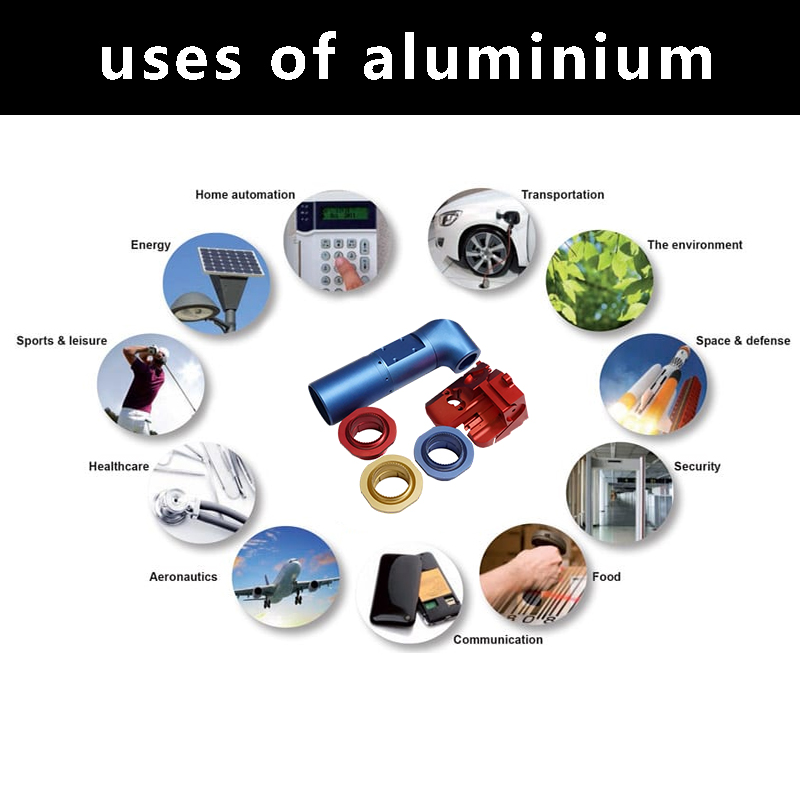
The Structural Backbone of Personal Computing and Mobile Hardware
In the late 2000s, the consumer electronics industry underwent a radical shift. Devices moved away from brittle plastics toward premium metallic builds. Aluminum was the catalyst for this change, offering a strength-to-weight ratio that allowed for thinner, lighter, and more durable gadgets.
Precision Engineering: The Rise of Unibody Design
One of the most significant breakthroughs in hardware technology was the introduction of the “unibody” construction. By using CNC (Computer Numerical Control) machines to mill a single block of aluminum into a laptop chassis or a smartphone frame, manufacturers achieved unprecedented structural integrity. Aluminum’s malleability allows it to be shaped into complex geometries that would be impossible with other metals. This precision is why your modern laptop can be less than 15mm thick yet remain rigid enough to protect delicate internal circuitry.
Thermal Management and Heat Dissipation
As processors become more powerful, they generate a significant amount of heat. If not managed, this heat leads to thermal throttling, reducing the performance of AI chips and high-end CPUs. Aluminum is an exceptional conductor of heat. In the tech world, it is the primary material for heat sinks—the finned components that pull heat away from a processor and dissipate it into the air. Whether it is a liquid-cooled gaming PC or the passive cooling system in a smart home hub, aluminum ensures that high-performance tech remains stable under load.
Electromagnetic Interference (EMI) Shielding
Our world is saturated with wireless signals—Wi-Fi, Bluetooth, 5G, and satellite data. These signals can interfere with the sensitive electronic components inside a device. Aluminum acts as a natural shield against electromagnetic interference. By encasing critical components in aluminum housing, tech designers can “clean” the internal electronic environment, ensuring that data processing remains accurate and high-speed connections stay stable.
Revolutionizing Transportation: Aerospace and the Electric Vehicle (EV) Transition
The transportation sector is currently undergoing its most significant transformation since the invention of the internal combustion engine. At the heart of this “Tech-Mobility” shift is the desperate need for lightweight materials. Every gram saved in a vehicle’s weight translates directly into increased range and efficiency.
Lightweighting: The Key to EV Range and Efficiency
In the world of Electric Vehicles (EVs), the battery pack is the heaviest component. To compensate for this weight and maximize the distance a car can travel on a single charge, manufacturers like Tesla, Rivian, and Lucid rely heavily on aluminum. By using aluminum for the vehicle’s frame, suspension components, and battery enclosures, engineers can reduce the overall weight of the vehicle by up to 40% compared to traditional steel. This “lightweighting” technology is crucial for making EVs a viable alternative to gasoline-powered cars.
Structural Integrity in Modern Aerospace Engineering
Aluminum has been the “flight metal” since the early days of aviation, but its application in modern aerospace tech is more advanced than ever. Modern alloys, such as aluminum-lithium, are being used to build the next generation of commercial aircraft and spacecraft. These alloys provide the high strength required to withstand the pressures of high-altitude flight or the vacuum of space, while remaining light enough to minimize fuel consumption. In the tech-heavy sector of satellite manufacturing, aluminum serves as the primary material for satellite buses, protecting high-tech sensors from solar radiation and extreme temperature fluctuations.

Drones and Autonomous Flight
The burgeoning drone technology industry relies almost exclusively on aluminum for structural components. For delivery drones and surveillance UAVs (Unmanned Aerial Vehicles), the balance between battery life and payload capacity is razor-thin. Aluminum provides the necessary durability to survive crashes or rough landings while ensuring the drone remains light enough to stay airborne for extended periods.
Aluminum in the Energy Sector: Powering a Sustainable Digital Future
As the tech world pivots toward a “Green Tech” philosophy, aluminum has emerged as a vital player in renewable energy infrastructure. Its conductivity and resistance to corrosion make it indispensable for the systems that power our digital lives.
High-Voltage Transmission and Grid Infrastructure
While copper is often thought of as the king of conductivity, aluminum is the preferred material for high-voltage power lines. Aluminum is about one-third the weight of copper, meaning it can be strung over longer distances with fewer supporting towers. As we modernize the electrical grid to handle the demands of massive data centers and AI server farms, aluminum wiring is the tech-standard that makes this high-capacity distribution possible.
Photovoltaic Frames and Renewable Energy Hardware
Solar energy technology is highly dependent on aluminum. The frames that hold solar panels in place must withstand decades of exposure to wind, rain, and UV light without corroding. Aluminum’s natural oxide layer provides a self-protecting barrier, making it the ideal material for solar farms. Furthermore, the mounting systems for offshore wind turbines utilize specialized aluminum alloys to resist the corrosive effects of saltwater, ensuring that the technology generating our clean energy remains functional for decades.
Aluminum-Ion Batteries: The Next Frontier
Beyond structural use, aluminum is at the cutting edge of energy storage research. Scientists are currently developing aluminum-ion batteries as a safer, cheaper, and more sustainable alternative to lithium-ion. These batteries have the potential for faster charging times and are less prone to “thermal runaway” (fire). If successfully commercialized, this technology could revolutionize everything from smartphones to grid-scale energy storage, further cementing aluminum’s status as a foundational tech material.
The Future of Electronics: Wearables and Advanced Semiconductors
As technology becomes more personal and more invisible, the materials we use must adapt. We are moving into an era of wearable tech and hyper-miniaturized components where aluminum continues to play a pivotal role.
Wearable Tech: Balancing Durability with Lightweight Comfort
From smartwatches to VR (Virtual Reality) headsets, wearable technology must be light enough to be worn all day but tough enough to handle the bumps of daily life. High-strength aluminum alloys (like the 7000 series used in high-end watches) allow tech companies to create devices that feel premium and look stylish without being cumbersome. Additionally, aluminum is hypoallergenic for most people, making it a safe choice for devices that remain in constant contact with human skin.
Aluminum’s Role in Emerging Semiconductor Fabrication
While silicon is the star of the semiconductor world, aluminum is the “interconnect” that allows the chip to function. In the fabrication of integrated circuits, thin layers of aluminum are used to create the microscopic paths that connect different parts of a chip. While copper has taken over some of these roles in high-end processors, aluminum remains a staple in many semiconductor designs due to its excellent adhesion to silicon and its ease of use in the etching process.
The Circular Tech Economy: Sustainability through Recyclability
Finally, one of aluminum’s most “high-tech” features is its recyclability. Unlike many plastics or composite materials used in tech, aluminum can be recycled infinitely without losing its properties. In a world where “E-waste” is a growing concern, the ability to reclaim aluminum from old smartphones and melt it down to create new laptops is a cornerstone of the circular tech economy. Tech giants are increasingly highlighting their use of 100% recycled aluminum as a key part of their environmental strategy, proving that the future of technology is as much about the materials we reuse as the ones we discover.

Conclusion
When we ask “what can aluminum be used for,” we are essentially asking what the future of technology looks like. Aluminum is no longer just a commodity; it is a high-performance material that enables the existence of the devices and systems we rely on every day. It cools our processors, builds our electric cars, protects our satellites, and transmits our power. As we continue to innovate in the realms of AI, space exploration, and renewable energy, aluminum will remain the silent, shimmering partner in our technological progress—light enough to fly, strong enough to protect, and sustainable enough to last.
aViewFromTheCave is a participant in the Amazon Services LLC Associates Program, an affiliate advertising program designed to provide a means for sites to earn advertising fees by advertising and linking to Amazon.com. Amazon, the Amazon logo, AmazonSupply, and the AmazonSupply logo are trademarks of Amazon.com, Inc. or its affiliates. As an Amazon Associate we earn affiliate commissions from qualifying purchases.