
The traditional image of a dermatologist involves a magnifying glass and a manual scalp inspection. However, the modern landscape of trichology—the study of hair and scalp health—has undergone a radical digital transformation. When a patient asks what a dermatologist can do about hair loss today, the answer lies at the intersection of medical expertise and cutting-edge technology. From AI-driven diagnostic software to bio-tech regenerative tools, the industry is leveraging a suite of technological advancements to provide precision, predictability, and personalized care.
Digital Diagnostics and AI-Powered Follicle Analysis
The first step in any hair loss treatment is an accurate diagnosis. In the past, this was often subjective, relying on the “pull test” or visual grading scales. Today, dermatologists utilize sophisticated hardware and software to eliminate guesswork.
Computer-Aided Trichoscopy (CAT)
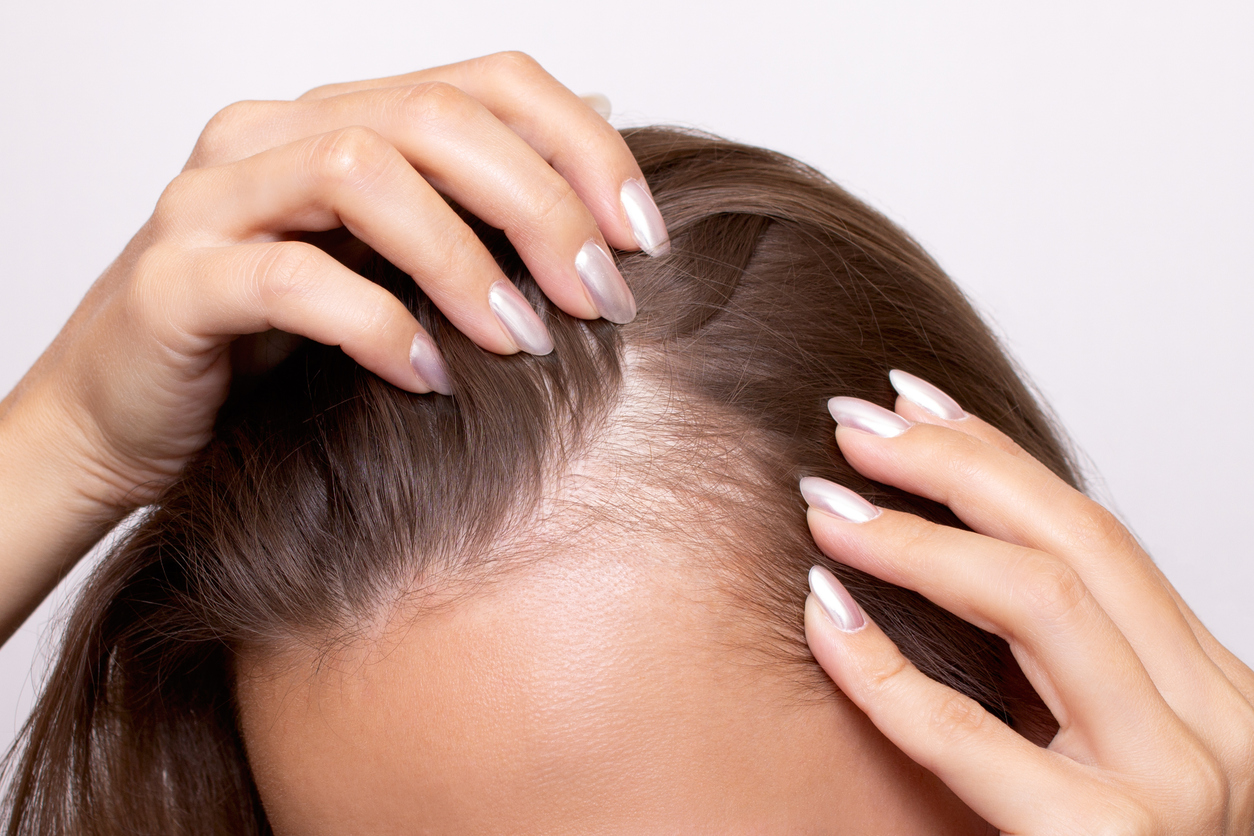
High-resolution digital trichoscopy has replaced the simple magnifying lens. These devices are essentially high-powered digital microscopes that capture images of the scalp at up to 100x magnification. The software integrated into these devices can automatically calculate hair density, terminal-to-vellus hair ratios, and average hair shaft thickness. This “digital twin” of the patient’s scalp allows the dermatologist to track microscopic changes over months, providing a level of data-driven insight that was previously impossible.
AI Algorithms for Pattern Prediction
Artificial Intelligence is now being trained on vast datasets of clinical images to help dermatologists differentiate between various types of alopecia, such as androgenetic alopecia, alopecia areata, or telogen effluvium. Machine learning models can analyze patterns of follicular miniaturization and identify early signs of inflammation that the human eye might miss. By integrating AI tools, a dermatologist can provide a “predictive prognosis,” showing patients digital simulations of how their hair loss might progress—or recover—based on specific tech-driven interventions.
The Rise of Bio-Tech and Regenerative Hardware
Beyond diagnostics, the actual treatment of hair loss has moved into the realm of high-tech hardware. Dermatologists are no longer limited to topical creams; they are now utilizing energy-based devices and sophisticated bio-processing equipment to stimulate growth at a cellular level.
Low-Level Laser Therapy (LLLT) and Wearable Tech
One of the most significant shifts in dermatology is the move toward “clinic-to-home” technology. Dermatologists now prescribe FDA-cleared LLLT devices—such as laser caps or helmets—that use medical-grade coherent light to stimulate mitochondrial activity in hair follicles. These devices are equipped with smart sensors that ensure even distribution of light and sync with mobile apps to track usage compliance. The technology works by increasing ATP production in cells, effectively “recharging” dormant follicles.
Automated Platelet-Rich Plasma (PRP) Centrifugation
PRP therapy, where a patient’s own blood is processed to extract growth factors, has been revolutionized by automation. Modern dermatologists use closed-circuit, high-speed digital centrifuges that utilize optical sensors to separate the “buffy coat” (the layer rich in platelets) with surgical precision. By using standardized digital protocols for centrifugation, dermatologists can ensure a consistent concentration of growth factors, making the treatment more effective and reproducible compared to manual methods.
Robotic Hair Restoration Systems
For cases where medical management is insufficient, dermatologists specializing in surgery utilize robotic platforms like ARTAS. These systems use AI and computer vision to identify the best donor follicles for transplantation. The robot can harvest follicles with a level of precision and speed that reduces human fatigue and minimizes trauma to the scalp. This technology ensures a more natural-looking “pixel-perfect” placement of hair, optimizing the aesthetic outcome through algorithmic mapping of the scalp.
Telehealth and Remote Patient Monitoring (RPM)
The democratization of hair loss treatment has been fueled by the rise of digital health platforms. Technology has bridged the gap between the clinic and the patient’s home, allowing for continuous care rather than sporadic check-ups.
Asynchronous Teledermatology Platforms
Hair loss treatment is a long game, often requiring six to twelve months to see results. Dermatologists are increasingly using asynchronous teledermatology—where patients upload high-resolution photos and data to a secure portal—to monitor progress. This software allows the doctor to review the “digital progression” of the scalp without requiring the patient to visit the office every month. It increases patient retention and allows for real-time adjustments to treatment protocols.
Smart Tracking Apps and Computer Vision
New mobile applications are integrating computer vision to help patients monitor their own scalps. A dermatologist might recommend an app that uses the smartphone’s camera to perform a “mini-trichoscopy.” While not as powerful as office-grade equipment, these AI-lite tools help patients stay engaged with their treatment. The data from these apps can be integrated into the dermatologist’s Electronic Health Record (EHR) system, providing a comprehensive view of the patient’s journey.
Precision Medicine: Genomic Sequencing and Compounding Tech
Technology is enabling dermatologists to move away from a “one-size-fits-all” approach to a model of precision medicine. By analyzing a patient’s unique biological markers, doctors can tailor treatments with surgical accuracy.
Genomic Testing Kits
Dermatologists now utilize DNA testing kits specifically designed for hair loss. By analyzing a simple cheek swab, software can identify genetic variations (SNPs) that determine how a patient will respond to certain medications, such as Minoxidil or Finasteride. For example, if a patient lacks a specific enzyme (sulfotransferase) in their hair follicles, the tech-driven report will inform the dermatologist that standard Minoxidil will likely fail, prompting a shift to a more effective alternative immediately.
Digital Compounding and Customized Formulations
Once the genetic and diagnostic data are collected, dermatologists can use digital compounding services. These are specialized pharmacies integrated with the doctor’s software that create bespoke topical formulas. Instead of a standard 5% solution, the doctor can use an interface to dial in specific percentages of active ingredients, anti-inflammatories, and penetration enhancers. This “software-to-bottle” pipeline ensures that the patient receives a formulation optimized for their specific scalp microbiome and genetic profile.
Cybersecurity and Data Privacy in Aesthetic Tech
As dermatology becomes increasingly digitized, the focus on data security has become paramount. Treating hair loss involves sensitive personal information, including genetic data and high-resolution facial imagery.
Protecting the Digital Scalp
Modern dermatological practices must invest in robust digital security frameworks to protect patient data. This includes end-to-end encryption for teledermatology consultations and secure, HIPAA-compliant cloud storage for high-resolution scalp imagery. As AI models require more data to improve, the industry is also exploring “federated learning”—a tech trend where AI models are trained across multiple decentralized devices without ever exchanging the actual patient photos, thus preserving privacy while advancing medical AI.
The Ethics of “Deepfake” Previews
With the advent of sophisticated image manipulation and AR (Augmented Reality) tools, dermatologists can show patients what they might look like after a year of treatment or a transplant. While this is a powerful sales and motivational tool, it brings up ethical considerations. Tech-savvy dermatologists must ensure that these “augmented” previews are based on realistic AI projections rather than deceptive “deepfake” style enhancements, maintaining a balance between technological possibility and clinical reality.
The Future: Bio-Printing and Beyond
The horizon of what a dermatologist can do about hair loss is being reshaped by the next wave of “Deep Tech.” We are entering an era where technology doesn’t just manage existing hair but creates new possibilities entirely.
3D Bio-Printing of Hair Follicles
Research is currently underway into 3D bio-printing, where a patient’s cells are used as “ink” to print new hair follicles in a lab setting. Dermatologists of the future may use these bio-printers to generate an unlimited supply of donor hair, solving the primary limitation of current transplant technology.

Digital Twins for Scalp Health
The ultimate goal of tech in dermatology is the creation of a “Digital Twin” for the scalp—a comprehensive virtual model that integrates genetic, environmental, and clinical data. This would allow a dermatologist to run “what-if” simulations using AI, testing different drug combinations or laser frequencies on the digital model before ever applying them to the patient.
In conclusion, the role of a dermatologist in treating hair loss has evolved into that of a high-tech data analyst and bio-engineer. By leveraging AI, digital imaging, genomic sequencing, and advanced hardware, they can now offer solutions that are more accurate, personalized, and effective than ever before. For the patient, this means that the “cure” for hair loss is no longer found in a bottle of generic lotion, but in a sophisticated technological ecosystem designed to optimize every single follicle.
aViewFromTheCave is a participant in the Amazon Services LLC Associates Program, an affiliate advertising program designed to provide a means for sites to earn advertising fees by advertising and linking to Amazon.com. Amazon, the Amazon logo, AmazonSupply, and the AmazonSupply logo are trademarks of Amazon.com, Inc. or its affiliates. As an Amazon Associate we earn affiliate commissions from qualifying purchases.