
A 3500-watt portable generator stands as a robust power solution for a variety of scenarios, from critical home backup during outages to powering tools at remote job sites or enhancing outdoor leisure activities. Understanding its capabilities, however, requires more than just glancing at the headline wattage figure. Delving into the nuances of power demand, appliance types, and safe operating practices is essential to maximize the utility and longevity of such a significant piece of technology.
Decoding Generator Power: Starting vs. Running Watts
To truly grasp what a 3500-watt generator can run, it’s crucial to differentiate between two fundamental power measurements: running watts and starting (or surge) watts. Most generators are rated by their continuous running watts, which is the steady power output they can maintain over extended periods. However, many electrical devices, particularly those with motors, require a much higher burst of power for a few seconds when they first start up. This temporary surge is known as starting watts.
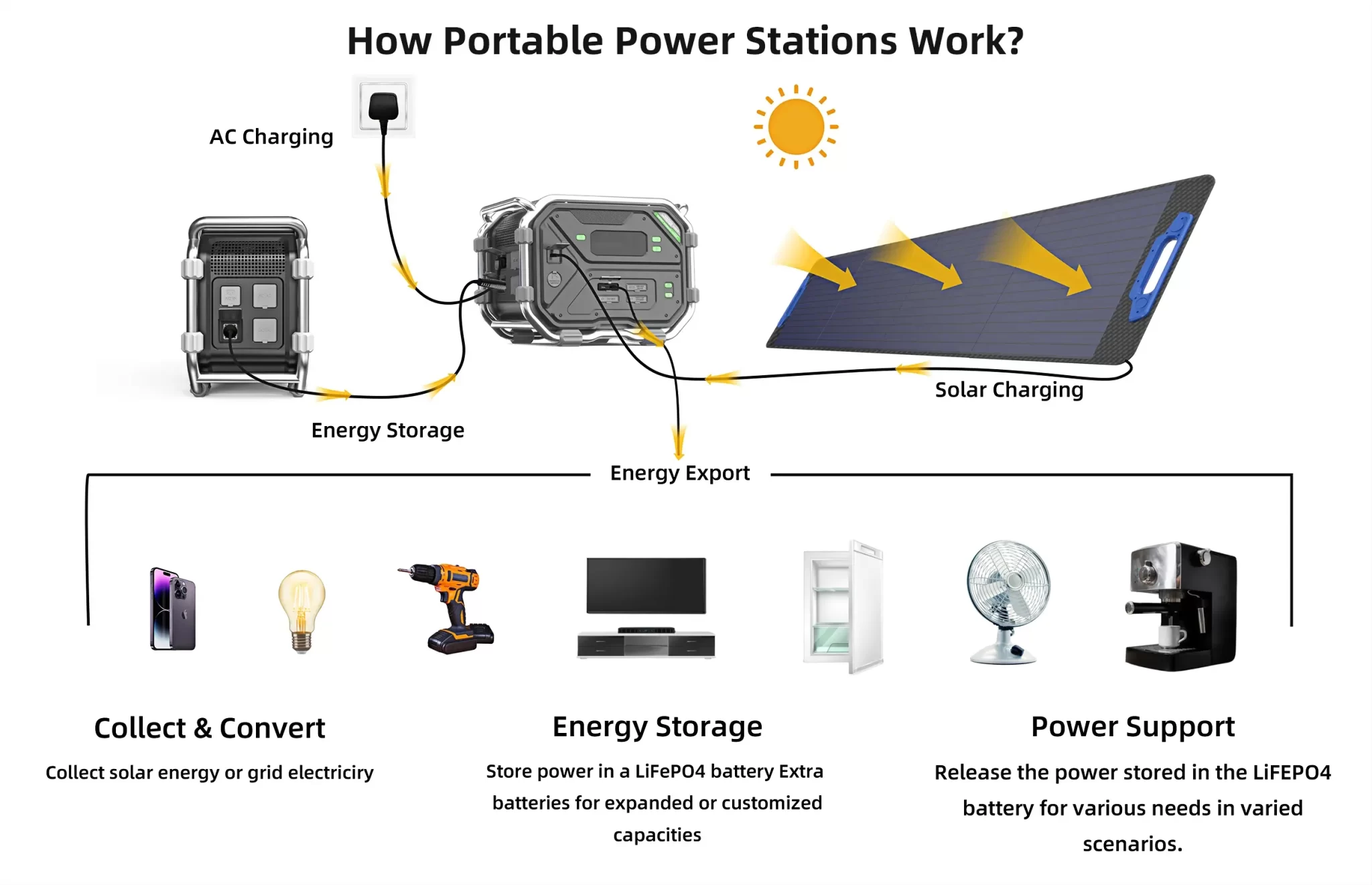
A 3500-watt generator typically means it provides 3500 running watts, but it will also have a higher starting watt capacity, often ranging from 4000 to 4500 watts. This surge capacity is vital because if an appliance’s starting wattage exceeds the generator’s surge capability, the generator will likely trip its circuit breaker or simply fail to start the device.
For example, a refrigerator might require 700 running watts but demand 2100 watts or more to kick its compressor into action. A circular saw needing 1500 running watts might surge to 3000 watts. When planning your generator use, always consider the highest power demand an appliance will present, focusing heavily on starting watts for motor-driven items. Non-motorized items like lights or heating elements typically have starting watts identical or very close to their running watts.
Modern inverter generators often offer a cleaner sine wave, which is safer for sensitive electronics like laptops and medical devices, in addition to being quieter and more fuel-efficient than traditional open-frame generators. While a 3500-watt unit may come in either form, an inverter model adds an extra layer of technological sophistication for delicate applications.
Powering Your Essentials: Common Appliances and Their Demands
A 3500-watt generator offers a substantial amount of power, enabling it to manage several key appliances simultaneously or one or two high-draw items. The key to successful operation lies in careful load management and understanding the specific power requirements of your devices.
Here’s a breakdown of typical appliance wattages, highlighting what a 3500-watt generator can usually handle:
- Kitchen Appliances:
- Refrigerator (Modern, Energy Star): 600-800 running watts, 1800-2400 starting watts. A 3500W generator can typically power one refrigerator.
- Freezer: 400-700 running watts, 1200-2100 starting watts. Similar to a refrigerator, easily manageable.
- Microwave (700-1200 watts): 700-1200 running watts. Can be run for short periods, but uses a significant portion of the generator’s capacity.
- Coffee Maker (Drip): 800-1500 running watts. Can run, but consider the total load.
- Toaster: 800-1500 running watts. Best used when other high-draw appliances are off.
- Climate Control & Water:
- Window Air Conditioner (5,000 BTU): 500-700 running watts, 1500-2000 starting watts. A smaller window AC unit is feasible.
- Window Air Conditioner (10,000 BTU): 1000-1200 running watts, 3000-3600 starting watts. This pushes the limits for starting watts and leaves little room for other devices.
- Space Heater (Medium): 750-1500 running watts. These are continuous, high-draw items, often too much to run with other major appliances.
- Sump Pump (1/3 HP): 750-1500 running watts, 1500-2500 starting watts. Essential for flood prevention, often manageable.
- Well Pump (1/2 HP): 1000-1500 running watts, 2000-3000 starting watts. Possible, but might require careful load shedding.
- General Household & Electronics:
- Lights (LED/CFL): 9-60 running watts per bulb. Minimal impact on generator capacity.
- Television (LCD/LED): 50-200 running watts. Easily powered.
- Laptop/Phone Chargers: 20-100 running watts. Negligible impact.
- Hair Dryer: 1200-1800 running watts. High-draw, best used alone or with minimal other loads.
- Garage Door Opener: 500-800 running watts, 1000-1600 starting watts. Manageable.
Example Scenarios for a 3500-Watt Generator:
- Basic Emergency Backup:
- Refrigerator (700W running, 2100W starting)
- Several LED Lights (100W total)
- TV (150W)
- Laptop/Phone Charging (50W)
- Total Running: ~1000W. Total Starting (with fridge): ~2400W. This combination is well within the 3500W capacity, allowing comfortable use.
- Maintaining Comfort:
- Small Window AC (600W running, 1800W starting)
- Refrigerator (700W running, 2100W starting)
- Total Running: ~1300W. Total Starting (if both start simultaneously, which is unlikely): ~3900W. This is feasible, but the generator will work harder. You might need to cycle the AC or fridge if surge limits are an issue, or simply understand that the generator is near its limits.
- Brief High-Draw Use:
- Refrigerator (700W) + Lights (100W)
- Temporarily add: Microwave (1000W)
- Total Running: ~1800W. Total Starting (fridge + microwave): ~3100W. This works, but the microwave should only be used for short intervals.
- Construction Site (Single Tool):
- Circular Saw (1500W running, 3000W starting)
- Total Running: 1500W. Total Starting: 3000W. A 3500W generator is perfect for running one major power tool at a time.
The primary limitation is running multiple high-surge appliances simultaneously. You’ll often need to practice “load shedding,” turning off less critical devices when a high-wattage appliance needs to start or run.
Strategic Power Management During Outages
Effective management of your 3500-watt generator during a power outage involves thoughtful prioritization and understanding your household’s energy demands. This strategic approach ensures your generator operates efficiently, provides power where it’s most needed, and prevents overloading.
Prioritizing Your Needs
When the grid goes down, not everything can or should be powered. A 3500-watt generator excels at covering critical needs, but it requires you to decide what’s truly essential:
- Absolute Necessities: Top priority should be given to items that ensure safety, health, and communication. This typically includes the refrigerator and/or freezer (to preserve food), crucial medical equipment (like CPAP machines or oxygen concentrators, if applicable, though direct consultation with a medical professional for power requirements is paramount), basic lighting, and phone/device charging for communication.
- Comfort and Convenience: Once essentials are covered, you can consider comfort items. A television for news or entertainment, a fan for air circulation, or limited use of a small space heater (with caution due to their high draw) might be next. Remember to cycle these items or run them individually to avoid overloading.
- Items to Avoid or Minimize: High-wattage heating elements (electric stove, oven, water heater, large central AC units, clothes dryers) are almost always beyond the scope of a 3500-watt generator. Even a small toaster or hairdryer should be used sparingly and in isolation.
Load Calculation Best Practices
Accurate load calculation is the cornerstone of effective generator use. This involves:
- Identify All Potential Appliances: List every appliance you might want to run during an outage.
- Determine Running and Starting Watts: Check the appliance labels or user manuals for their wattage ratings. For motorized appliances, always note both running and starting watts. If only amperage (A) is listed, multiply by the voltage (V) (usually 120V for household outlets) to get watts (W = A x V).
- Sum Essential Running Watts: Add up the running watts of all the essential appliances you expect to run simultaneously. This sum should comfortably be below your generator’s 3500 running watts.
- Account for the Highest Starting Wattage: Identify the single appliance with the highest starting wattage among your selected essentials. Add this peak starting wattage to the running watts of all other simultaneously operating appliances. This total must not exceed your generator’s starting watt capacity. For example, if you run a refrigerator (700W running, 2100W starting) and lights (100W running), the total running load is 800W. When the fridge starts, the surge demand is 100W (lights) + 2100W (fridge start) = 2200W. This should be well within a 3500W generator’s surge capacity.
- Leave a Buffer: Always aim to keep your total calculated load at least 10-20% below your generator’s maximum capacities. This buffer accounts for minor fluctuations, potential inaccuracies in appliance ratings, and helps prevent overloading and premature wear on the generator.
By meticulously planning and understanding the power demands of your devices, you can optimize your 3500-watt generator to provide reliable power when you need it most.
Optimizing Generator Performance and Safety
Proper operation and maintenance are paramount for any generator, especially a 3500-watt unit which, while powerful, requires careful handling to ensure safety and extend its operational life. Neglecting these aspects can lead to dangerous situations or costly repairs.
Placement and Ventilation
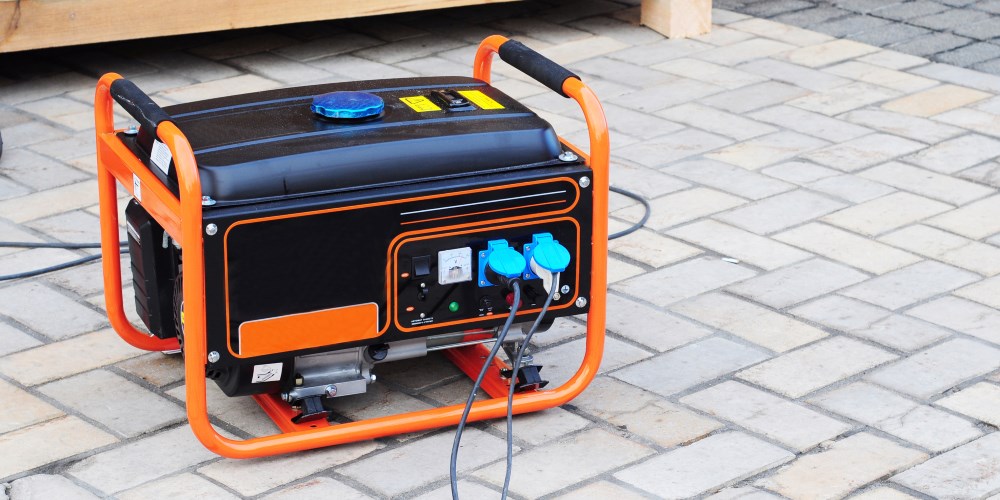
The most critical safety rule for generator operation is never run it indoors. Generators produce carbon monoxide (CO), an odorless, colorless, and deadly gas. Even in partially enclosed spaces like garages or carports, CO can accumulate to dangerous levels.
- Outdoor Use Only: Always operate your generator outdoors, in a well-ventilated area.
- Distance from Structures: Position the generator at least 20 feet away from your home, windows, doors, and vents to prevent exhaust fumes from entering living spaces.
- Level Surface: Place it on a firm, level surface to ensure stability and proper airflow.
- Protection from Elements: While it must be outdoors, protect the generator from rain and snow with a canopy or open-sided shelter specifically designed for generators. Never operate it in standing water or wet conditions.
Fuel Management
Generators are power-hungry devices, and proper fuel handling is crucial.
- Correct Fuel Type: Always use the fuel type specified by the manufacturer (usually gasoline).
- Fresh Fuel: Use fresh fuel, preferably treated with a fuel stabilizer, especially if storing it for more than a month. Stale fuel can gum up the carburetor and fuel lines.
- Safe Refueling: Always turn off and allow the generator to cool down before refueling. Gasoline is highly flammable, and spilled fuel on a hot engine can ignite. Use a funnel to prevent spills.
- Adequate Supply: Keep a sufficient supply of fuel on hand in approved, properly labeled containers. Store fuel away from living areas and direct sunlight.
Connection Methods
Connecting your generator safely and correctly to your appliances or home is vital.
- Direct-to-Appliance: For individual appliances, use heavy-duty, outdoor-rated extension cords (12-gauge or thicker, depending on cord length and appliance wattage) directly from the generator to the appliance. Ensure cords are free of damage and are rated for the load.
- Transfer Switch (Ideal for Home Backup): The safest and most efficient way to power a home circuit is through a professionally installed manual transfer switch. This switch isolates your home’s electrical system from the utility grid, preventing dangerous “backfeeding” of power into the utility lines, which can injure utility workers or damage the grid. It also allows you to power specific circuits in your home directly from the generator. While larger whole-home generators typically use transfer switches, a 3500-watt unit can also benefit from this setup for selected circuits.
- NEVER Backfeed: Under no circumstances should you ever plug a generator directly into a wall outlet in your home (known as backfeeding). This bypasses safety mechanisms, can electrify utility lines, and is incredibly dangerous.
Maintenance and Longevity
Regular maintenance ensures your generator is ready when needed and prolongs its lifespan.
- Read the Manual: The owner’s manual is your most valuable resource for specific maintenance schedules and procedures.
- Oil Changes: Regularly check and change the engine oil according to the manufacturer’s recommendations.
- Spark Plug: Inspect and replace the spark plug as needed to ensure efficient ignition.
- Air Filter: Clean or replace the air filter to ensure proper airflow to the engine.
- Fuel Filter: Check and replace the fuel filter periodically.
- Run Periodically: Even if not used often, start and run your generator for 15-30 minutes every month or two, ideally under a light load. This keeps components lubricated, fuel circulating, and ensures it’s ready for an actual emergency.
- Winterization: If storing for an extended period, especially over winter, add fuel stabilizer to the tank, run the generator for a few minutes to circulate the stabilizer, then turn off the fuel valve and let the engine run until it runs out of fuel. This prevents old fuel from causing issues.
By adhering to these safety guidelines and maintenance protocols, your 3500-watt generator will be a reliable source of power, serving you effectively for years to come.
Beyond Emergencies: Versatile Uses of a 3500-Watt Generator
While often considered an emergency backup device, a 3500-watt portable generator offers significant versatility, extending its utility far beyond power outages. Its robust output makes it suitable for a range of recreational, professional, and outdoor applications.
Camping and RV Trips
For enthusiasts of the great outdoors, a 3500-watt generator can transform a rustic camping experience into a more comfortable one, or provide essential power for an RV.
- RV Amenities: It can power a small RV’s air conditioner (up to 10,000 BTU, requiring careful load management), microwave, refrigerator, lighting, and entertainment systems. This allows for extended stays in undeveloped campgrounds without shore power.
- Comfort in the Wild: For tent camping, it can run electric griddles, coffee makers, electric blankets, portable fans, and recharge all your gadgets, bringing a touch of home comfort to remote locations.
- Inverter Advantage: If camping with sensitive electronics, an inverter generator in the 3500-watt range is particularly beneficial due to its clean power output and often quieter operation.
Tailgating and Outdoor Events
A 3500-watt generator is the life of the party at sporting events, concerts, or any outdoor gathering where grid power isn’t available.
- Entertainment Hub: Power outdoor projectors for movies, large screen TVs for game day, robust sound systems, or even inflatable attractions for kids.
- Cooking and Catering: Run electric grills, slow cookers, blenders for drinks, or keep food warm with electric chafing dishes, making outdoor catering effortless.
- Lighting and Comfort: Provide ample lighting for evening events or power fans to keep guests cool on warm days.
Job Sites and Workshops
Professionals and DIY enthusiasts alike can leverage a 3500-watt generator to power tools and equipment where conventional power outlets are out of reach.
- Construction Tools: It can easily handle most medium-duty power tools one at a time, such as circular saws, miter saws, drills, impact wrenches, and angle grinders. Some smaller air compressors might also be powered, though their starting wattage must be carefully checked.
- Remote Work Areas: For sheds, garages, or outdoor workshops without permanent wiring, it offers a flexible power source for lighting, small heaters, and various power tools.
- Landscaping Equipment: Electric trimmers, leaf blowers, and hedge trimmers can be run without being tethered to a wall outlet, increasing mobility and efficiency.

Remote Cabins or Off-Grid Living
For those with a remote cabin, a hunting lodge, or a small off-grid setup, a 3500-watt generator can serve as a primary power source or a reliable backup to a solar array. It can power basic living essentials, communication devices, and even some modest heating or cooling.
In all these varied applications, the core principles of understanding power demands, proper connection, and safe operation remain paramount. A 3500-watt generator, when used thoughtfully, is an invaluable technological asset, extending the reach of electrical power far beyond traditional outlets and grid connections.
aViewFromTheCave is a participant in the Amazon Services LLC Associates Program, an affiliate advertising program designed to provide a means for sites to earn advertising fees by advertising and linking to Amazon.com. Amazon, the Amazon logo, AmazonSupply, and the AmazonSupply logo are trademarks of Amazon.com, Inc. or its affiliates. As an Amazon Associate we earn affiliate commissions from qualifying purchases.