
Navigating the vast and ever-evolving landscape of digital imaging can be an exhilarating, yet often perplexing, endeavor. The question, “What camera is better?” is not a simple binary choice, but rather a gateway into a deeper understanding of personal needs, intended use, and the intricate technological advancements that define modern cameras. This exploration will delve into the core considerations that dictate which camera is “better” for you, focusing exclusively on the technological aspects, from sensor size and resolution to autofocus systems and video capabilities.
The Foundation: Understanding Camera Types and Their Technological Nuances
The first step in discerning which camera reigns supreme for your needs lies in understanding the fundamental distinctions between various camera types, each engineered with a unique technological blueprint to serve different purposes.
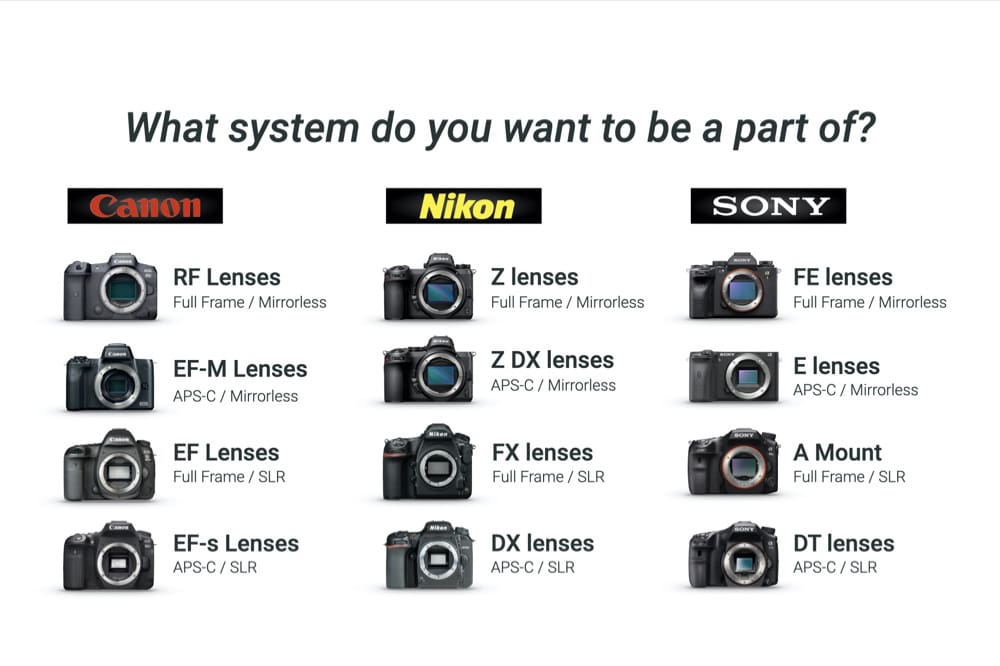
Mirrorless vs. DSLR: A Technological Divide
For years, the Digital Single-Lens Reflex (DSLR) camera was the undisputed king of the interchangeable-lens market. Its defining feature is the reflex mirror system that allows photographers to see directly through the lens via an optical viewfinder. This mechanical marvel, while proven and reliable, has largely been superseded in innovation by the rise of mirrorless cameras.
Mirrorless cameras, as their name suggests, eliminate the mirror box. This fundamental design shift brings a cascade of technological advantages. Without the mirror, mirrorless bodies can be significantly smaller and lighter, making them more portable and less physically demanding for extended shooting sessions. The absence of a mirror also contributes to quieter operation and a faster burst shooting rate, as there’s no mechanical element to retract and re-engage between shots.
However, the optical viewfinder of a DSLR offers a direct, lag-free view of the scene, which some photographers still prefer. Mirrorless cameras, on the other hand, employ an electronic viewfinder (EVF). While early EVFs suffered from lag and limited resolution, modern EVFs are incredibly sophisticated, offering high refresh rates, excellent color accuracy, and the ability to display real-time exposure and white balance adjustments. This “what you see is what you get” preview in an EVF is a significant technological advantage for many, especially in challenging lighting conditions.
The choice between mirrorless and DSLR, therefore, hinges on your preference for optical vs. electronic viewing, portability, and the cutting-edge features that mirrorless technology often brings to the table, such as advanced computational photography capabilities.
Compact Cameras: The Evolution of Simplicity
While mirrorless and DSLR cameras often steal the spotlight, compact cameras, also known as point-and-shoots, have undergone a significant technological renaissance. Gone are the days of rudimentary sensors and basic functionality. Modern compact cameras, particularly premium models, boast impressive image quality, sophisticated autofocus systems, and even advanced video recording capabilities.
These cameras are designed for ultimate portability and ease of use, making them ideal for everyday snapshots, travel photography, and vlogging. Their fixed lenses, while limiting in terms of focal length flexibility compared to interchangeable-lens systems, are often engineered for exceptional sharpness and can incorporate advanced stabilization technologies. The technological focus here is on packing maximum imaging power and intuitive operation into a pocketable form factor. For casual users seeking superior image quality without the complexity of interchangeable lenses, a high-end compact camera represents a technologically advanced and convenient solution.
The Heart of the Image: Sensor Technology and Its Impact
At the core of every digital camera lies its sensor, the component responsible for capturing light and converting it into digital data. Sensor technology is arguably the most critical factor influencing image quality and the overall performance of a camera.
Sensor Size: From Micro Four Thirds to Full Frame
The physical size of a camera’s sensor is a primary determinant of its imaging capabilities. Larger sensors generally offer superior performance in several key areas:
- Low Light Performance: Larger pixels on a bigger sensor can gather more light, resulting in less digital noise (grain) in images taken in dim conditions. This translates to cleaner, more detailed photos when shooting indoors, at night, or during twilight.
- Dynamic Range: Larger sensors typically have a wider dynamic range, meaning they can capture more detail in both the brightest highlights and the darkest shadows of a scene simultaneously. This allows for greater flexibility in post-processing and produces more visually pleasing images with natural contrast.
- Depth of Field: A larger sensor, when paired with a given aperture and focal length, produces a shallower depth of field. This means the subject can be sharply in focus while the background is beautifully blurred (bokeh), a highly sought-after characteristic for portraiture and creative photography.
The common sensor sizes encountered in today’s market include:
- Micro Four Thirds (MFT): Found in many smaller mirrorless cameras, MFT sensors offer a good balance of image quality and portability. They are significantly larger than smartphone sensors but smaller than APS-C.
- APS-C: A popular choice for many entry-level to mid-range DSLRs and mirrorless cameras. APS-C sensors provide excellent image quality and are a step up from MFT in terms of low-light performance and dynamic range.
- Full Frame: The benchmark for professional photography, full-frame sensors are the same size as a 35mm film frame. They offer the best low-light performance, widest dynamic range, and shallowest depth of field, making them ideal for demanding photographic applications.
Resolution: The Megapixel Myth and Reality
Megapixels, often touted as the primary indicator of image quality, represent the number of individual pixels a sensor contains. While a higher megapixel count can lead to more detailed images, especially when printing large or cropping heavily, it’s not the sole determinant of “better.”
Modern cameras often offer a range of resolution options, and the technological advancements in sensor design have allowed for incredibly high megapixel counts even on smaller sensors, mitigating some of the traditional trade-offs. However, extremely high megapixel counts can sometimes come at the expense of low-light performance, as the individual pixels become smaller and less capable of gathering light.
The real advantage of high resolution lies in its ability to provide greater detail and allow for more aggressive cropping without significant loss of quality. For professional photographers who need to make large prints or extract maximum detail from their images, high-resolution cameras are often the preferred choice. For everyday use and online sharing, even moderate resolutions are more than sufficient, and the benefits of a larger sensor or better processing often outweigh the sheer megapixel count.
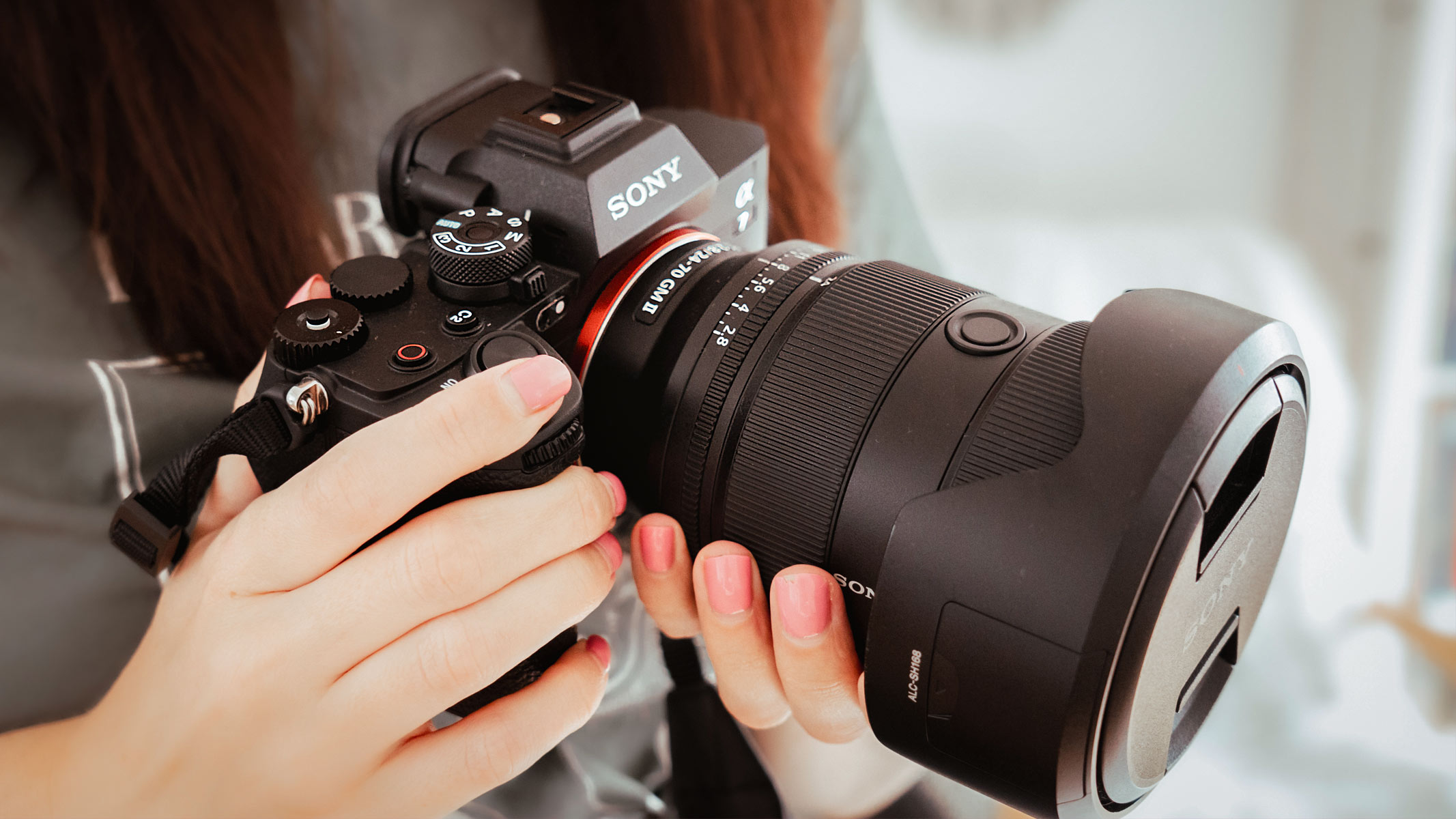
Advanced Technologies: Autofocus, Stabilization, and Image Processing
Beyond the sensor, a host of other technological innovations contribute to a camera’s overall performance and the quality of the images it produces.
Autofocus Systems: Speed, Accuracy, and Intelligence
The autofocus (AF) system is crucial for capturing sharp images, especially when photographing moving subjects or working in challenging lighting. Modern camera AF systems have evolved dramatically, moving from simple contrast-detection to sophisticated hybrid systems that combine phase-detection and contrast-detection technologies.
- Phase-Detection Autofocus (PDAF): This technology uses dedicated pixels on the sensor to measure the distance to the subject, allowing for extremely fast and accurate focusing. PDAF is particularly effective for tracking moving subjects.
- Contrast-Detection Autofocus (CDAF): CDAF works by analyzing the contrast in the image. While generally slower than PDAF, it can be very accurate, especially in good lighting conditions.
- Hybrid Autofocus: Most modern mirrorless cameras utilize hybrid AF systems, combining the speed of PDAF with the accuracy of CDAF. These systems can automatically switch between modes or use both simultaneously for optimal performance across a wide range of scenarios.
Furthermore, advancements in artificial intelligence (AI) and machine learning have revolutionized AF systems. Modern cameras can now identify and track specific subjects like human eyes, faces, animals, and even vehicles, maintaining focus on them as they move. This intelligent subject tracking significantly increases the hit rate for sharp images, especially for photographers who frequently shoot portraits, wildlife, or sports. The number of AF points, their coverage across the frame, and the sophistication of their tracking algorithms are all critical technological considerations.
In-Body Image Stabilization (IBIS)
Camera shake is a perennial enemy of sharp photography, especially when shooting handheld in low light or using longer focal lengths. In-body image stabilization (IBIS) systems, integrated directly into the camera body, counteract camera movements by physically shifting the sensor.
IBIS systems can offer significant advantages, allowing photographers to shoot at slower shutter speeds than would normally be possible without introducing blur. This translates to cleaner images in low light and the ability to use smaller apertures for greater depth of field without needing to increase ISO to compensate. The effectiveness of IBIS is typically measured in “stops” of stabilization, with higher numbers indicating greater shake reduction. While some lenses also feature optical image stabilization (OIS), IBIS is a universal solution that works with any lens attached to the camera, making it a highly valuable technological feature.
Image Processing Engine: The Brains Behind the Pixels
The image processor, often referred to as the camera’s “brain,” plays a pivotal role in translating raw sensor data into a final image. The speed and sophistication of the image processing engine directly impact various aspects of camera performance:
- Speed and Responsiveness: A powerful processor enables faster startup times, quicker menu navigation, and faster buffer clearing during burst shooting.
- Image Quality: The processor handles noise reduction, color science, sharpening, and other image adjustments. Advanced processors can apply sophisticated algorithms to produce images with excellent detail, vibrant colors, and pleasing tonal transitions.
- Video Capabilities: The processing power of a camera is particularly critical for video recording. Higher-end cameras with robust processors can handle demanding video formats like 4K, 8K, high frame rates for slow-motion, and advanced codecs for greater post-production flexibility.
- Computational Photography: Increasingly, cameras are leveraging computational photography, where in-camera processing techniques are used to achieve results that would be difficult or impossible with traditional methods. Examples include advanced HDR processing, in-camera panorama stitching, and even specialized modes for astrophotography.
The continuous development of image processing engines is a key driver of innovation in digital cameras, enabling higher quality images and a richer feature set.
Beyond the Specs: Video Capabilities and Connectivity
While still photography often takes center stage, modern cameras are increasingly capable video recording devices, and their connectivity features enhance workflow and creative possibilities.
The Rise of High-Quality Video
For many creators, the distinction between a “still camera” and a “video camera” has blurred significantly. Modern cameras offer a staggering array of video features that rival dedicated camcorders:
- Resolution and Frame Rates: Recording in 4K resolution is now standard for most mid-range and higher-end cameras, with some models offering 8K. High frame rates (e.g., 60fps, 120fps, 240fps) at various resolutions enable smooth slow-motion footage.
- Color Depth and Bitrate: The ability to record in 10-bit color (or higher) and with higher bitrates allows for much greater flexibility in color grading and post-production, producing more cinematic and professional-looking video. Log profiles and RAW video recording further enhance this capability.
- Autofocus in Video: Advanced video autofocus systems, including eye and subject tracking, are essential for smooth and professional-looking video footage. The ability to maintain focus on a moving subject while recording is a testament to technological progress.
- Stabilization: Effective in-body or in-lens stabilization is crucial for handheld video, providing smoother, more gimbal-like footage.
When considering a camera for video, the technical specifications related to resolution, frame rates, color depth, and autofocus performance are paramount.
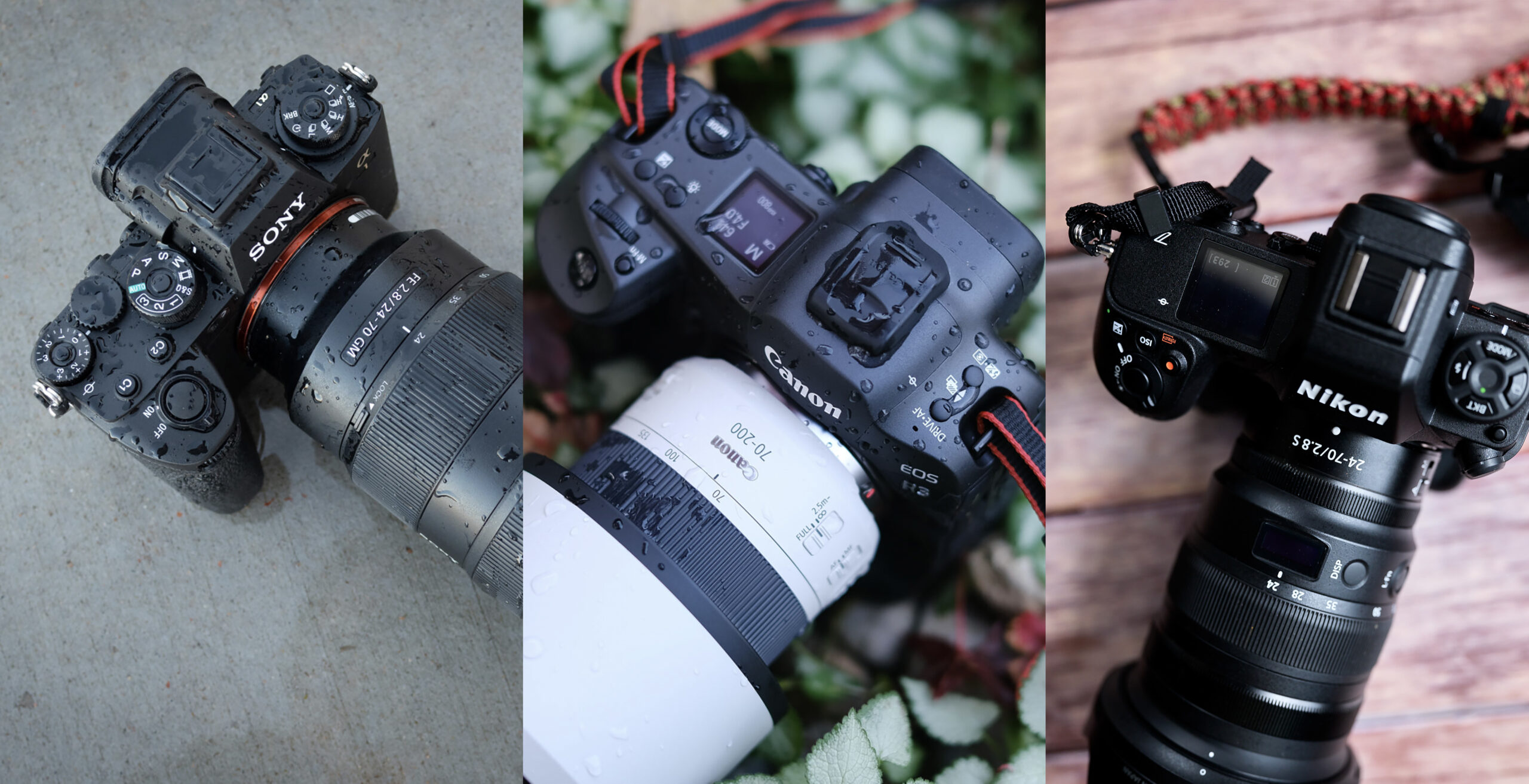
Connectivity and Workflow Enhancements
The technological integration of cameras extends to their ability to connect and communicate with other devices, streamlining workflow and expanding creative options.
- Wi-Fi and Bluetooth: Built-in Wi-Fi and Bluetooth allow for wireless transfer of images and videos to smartphones, tablets, and computers, enabling quick sharing and editing on the go.
- Remote Control: Many cameras can be controlled remotely via smartphone apps, allowing for self-portraits, group shots, or capturing wildlife from a distance without disturbing the subject.
- USB-C and Other Ports: Modern cameras often feature USB-C ports for faster data transfer, charging, and even tethered shooting. Dedicated HDMI ports are essential for connecting to external monitors or recorders.
- Cloud Integration: Some cameras are beginning to offer direct integration with cloud services, facilitating automatic backup and immediate sharing of your photographic creations.
These connectivity features, while seemingly secondary, are crucial technological advancements that enhance the usability and integration of cameras into a modern digital workflow.
In conclusion, the question “what camera is better” is an invitation to explore the intricate world of camera technology. By understanding the nuances of sensor size, resolution, autofocus, stabilization, image processing, and video capabilities, you can make an informed decision that aligns with your specific needs and creative aspirations. The “better” camera is not an absolute, but a relative term, defined by the technological features that best empower you to capture the world as you see it.
aViewFromTheCave is a participant in the Amazon Services LLC Associates Program, an affiliate advertising program designed to provide a means for sites to earn advertising fees by advertising and linking to Amazon.com. Amazon, the Amazon logo, AmazonSupply, and the AmazonSupply logo are trademarks of Amazon.com, Inc. or its affiliates. As an Amazon Associate we earn affiliate commissions from qualifying purchases.