
The search for the “best” camera is no longer a simple matter of comparing megapixel counts or brand loyalty. In the current technological landscape, the hardware and software powering digital imaging have evolved at an exponential rate. From the integration of artificial intelligence in autofocus systems to the shift from mechanical to electronic shutters, the definition of excellence in a camera is now defined by its specific application within the tech ecosystem. Whether you are a professional cinematographer, a high-speed sports photographer, or a technical enthusiast, determining which camera is best requires a deep dive into the engineering specifications and software capabilities that define modern devices.
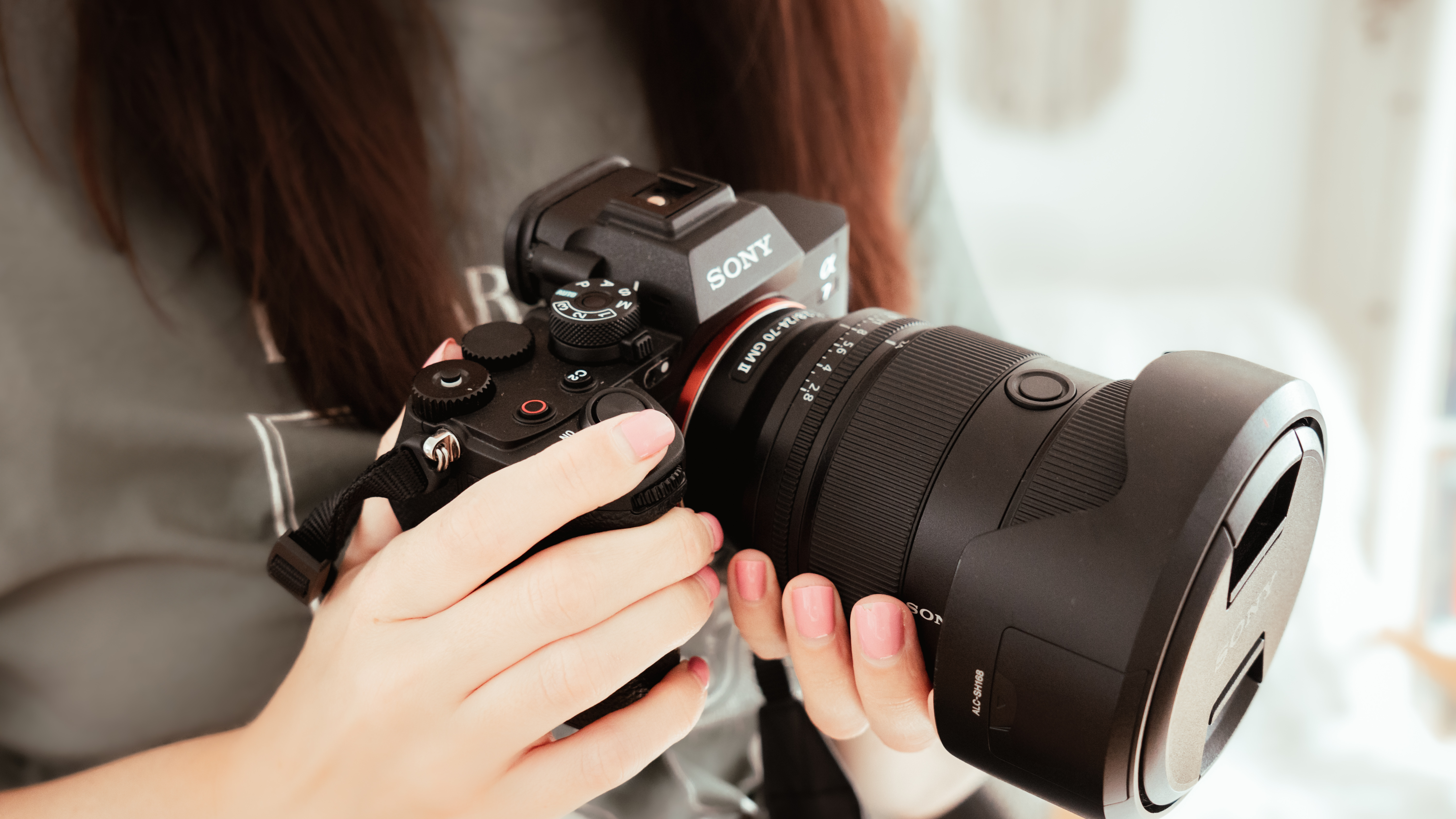
The Paradigm Shift: Mirrorless Dominance and Sensor Engineering
For decades, the Digital Single-Lens Reflex (DSLR) was the gold standard of high-end photography. However, we have officially entered the era of the mirrorless system, which has fundamentally changed how light is captured and processed. By removing the internal mirror box and pentaprism, manufacturers have been able to reduce the “flange distance” (the space between the lens mount and the sensor), allowing for more compact bodies and, more importantly, more sophisticated lens designs.
Full-Frame vs. APS-C and Medium Format
The “best” camera often starts with the sensor size. Full-frame sensors (roughly 35mm) remain the industry standard for their balance of low-light performance and depth-of-field control. However, the tech sector has seen a massive resurgence in APS-C (crop sensor) systems. These cameras leverage high-density sensors and faster readout speeds, making them ideal for telephoto work where the “crop factor” provides extra reach. On the other end of the spectrum, Medium Format digital cameras have become more accessible. With sensors significantly larger than full-frame, these devices offer unparalleled dynamic range and color depth, making them the best choice for high-end studio and architectural work where every pixel of data is critical.
Computational Photography and the Death of the Point-and-Shoot
While professional bodies focus on hardware, the lower end of the camera market has been entirely disrupted by computational photography. Smartphones have effectively killed the entry-level point-and-shoot camera by using “stacked” sensors and AI-driven image stacking. The best modern cameras are now those that bridge this gap—taking the physical superiority of large glass and combining it with the processing power of modern mobile chips. We are seeing cameras that can “see” in near-total darkness by using multi-frame noise reduction algorithms baked directly into the camera’s firmware.
The Rise of the Global Shutter
One of the most significant technical milestones in recent years is the introduction of the global shutter. Unlike traditional rolling shutters, which read the sensor line-by-line (often causing distortion in fast-moving objects), a global shutter captures the entire frame instantaneously. This tech eliminates “jello effect” in video and allows for flash synchronization at any shutter speed. For tech-focused photographers, the best camera is increasingly defined by its ability to bypass the physical limitations of mechanical movement.
Performance Metrics: AI-Driven Autofocus and Processing Power
In the modern era, a camera is essentially a high-powered computer with a lens attached. The “best” camera is often the one with the most sophisticated Neural Processing Unit (NPU). Processing power dictates everything from the frames-per-second (FPS) a camera can capture to how accurately it can track a subject’s eye through a crowded frame.
Real-Time Subject Tracking and Deep Learning
The most significant leap in camera technology over the last three years has been the implementation of Deep Learning AI in autofocus systems. Modern cameras no longer just look for contrast or phase differences; they recognize shapes. High-end models from Sony, Canon, and Nikon can now distinguish between humans, animals, birds, insects, cars, and even airplanes. This technology allows the camera to predict where a subject’s eye will be even if they turn away or go behind an obstacle. For sports and wildlife, the best camera is the one that removes the “human error” from focusing.
High-Speed Throughput and Buffer Management
As resolution increases, so does the sheer volume of data being moved. A 50-megapixel camera shooting at 30 frames per second generates massive amounts of data every second. The “best” tech-forward cameras utilize CFexpress Type B or Type A cards, which offer write speeds exceeding 1,500 MB/s. Without this high-speed architecture, a camera becomes “choked” by its own performance. When evaluating what camera is best, one must look at the internal bus speed and the buffer depth—how many shots the camera can take before it has to pause to write to the card.
Heat Dissipation and Internal Cooling
As cameras become more powerful, thermal management has become a critical tech spec. Recording 8K video or high-speed bursts generates significant heat. The best professional cameras now incorporate internal heat sinks, thermal pads, and even active cooling fans. For users who need reliability in the field, the “best” camera is the one that can operate at peak performance for extended periods without triggering a thermal shutdown.
Video Capabilities and the Convergence of Hybrid Systems
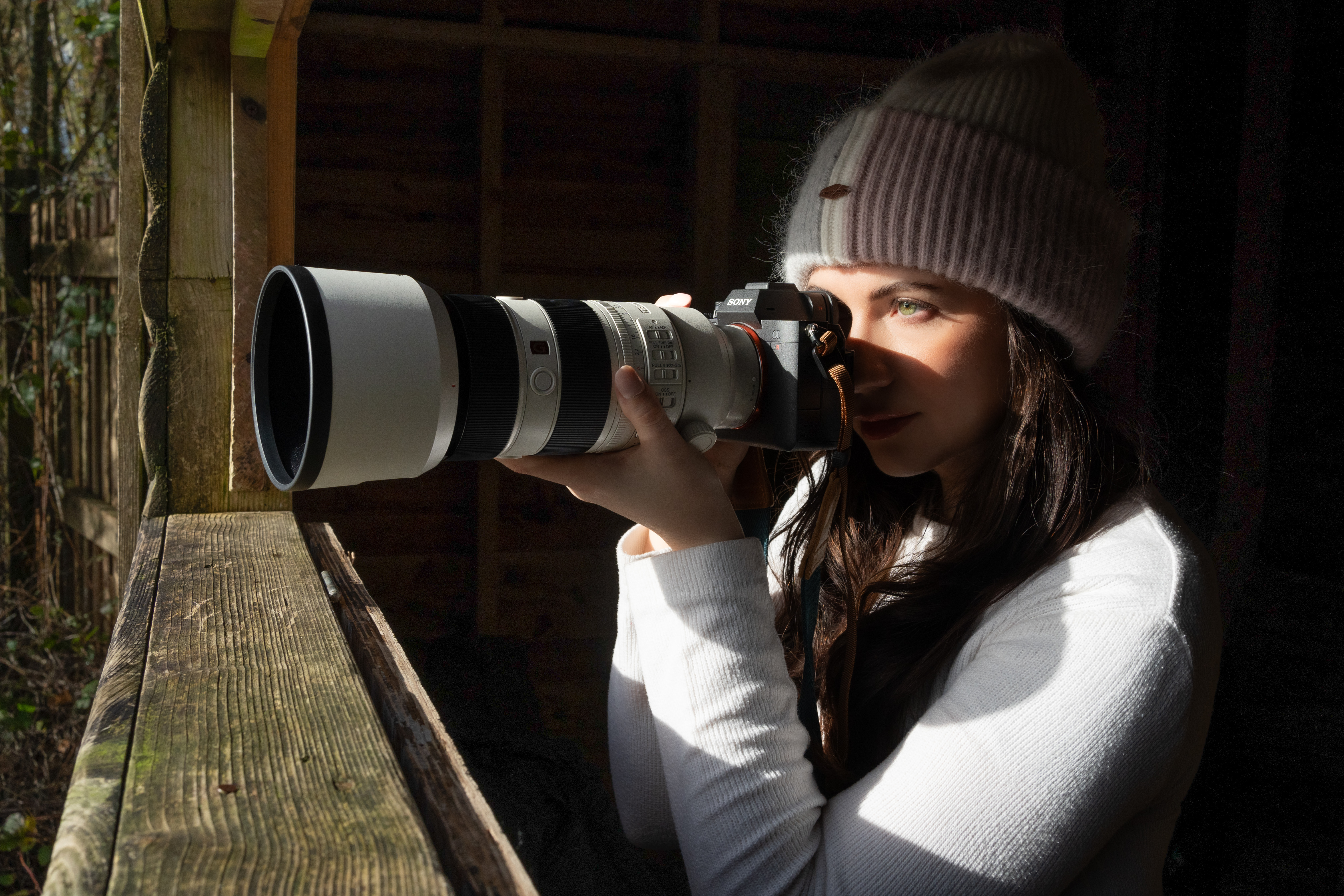
The line between a “stills” camera and a “cinema” camera has almost entirely blurred. The best cameras on the market today are “hybrids”—devices designed to excel equally at high-resolution photography and professional-grade videography.
Resolution, Bit Depth, and Color Science
When discussing video tech, we look at the internal recording specs. The best cameras currently offer 4K or 8K resolution at 10-bit color depth with 4:2:2 chroma subsampling. This provides millions of more color variations than the 8-bit files of the past, allowing for professional color grading in post-production. Furthermore, the inclusion of “Log” profiles (like S-Log3 or C-Log) allows the sensor to capture maximum dynamic range, preserving details in both the brightest highlights and the deepest shadows.
In-Body Image Stabilization (IBIS)
For content creators and handheld shooters, In-Body Image Stabilization (IBIS) is a transformative technology. By using a “floating” sensor stabilized by magnets and gyroscopic sensors, modern cameras can provide up to 8 stops of shake reduction. This allows for smooth, gimbal-like video footage without the need for external heavy equipment. The best IBIS systems work in tandem with lens-based stabilization (OIS) to create a multi-axis correction system that is a marvel of micro-engineering.
Connectivity and Workflow Integration
In a tech-driven world, a camera cannot exist in a vacuum. The best cameras feature robust wireless connectivity, including Wi-Fi 6E and Bluetooth 5.0. This allows for “Camera to Cloud” (C2C) workflows, where files are uploaded to a remote server the moment they are captured. For news organizations and high-speed production environments, the ability to transmit high-resolution proxies over 5G networks is the defining feature of the best modern hardware.
Choosing the Right Ecosystem: Lenses and Firmware
When you buy a camera, you aren’t just buying a body; you are buying into a technological ecosystem. The lens mount is arguably the most important “tech spec” because it determines the glass you can use for the next decade.
The Optics: Sharpness and Linear Motors
Modern lens technology has kept pace with sensor resolution. To resolve 61 or 100 megapixels, lenses require specialized glass elements like Extra-low Dispersion (ED) and Aspherical elements. Furthermore, the way lenses focus has changed. The best modern lenses use Linear Motors rather than traditional gears, allowing for near-silent, instantaneous focus shifts that are essential for both video and high-speed stills.
Firmware as a Service (FaaS)
A major trend in the tech industry is the “aging” of hardware through software. Some manufacturers have embraced a “Firmware as a Service” model, where a camera released three years ago can receive a software update that adds entirely new features, such as improved AF algorithms or new video codecs. When asking what camera is best, longevity is key. A camera backed by a manufacturer that provides frequent, meaningful firmware updates is a far better investment than one that is static from the day of purchase.
Third-Party Compatibility and Open Mounts
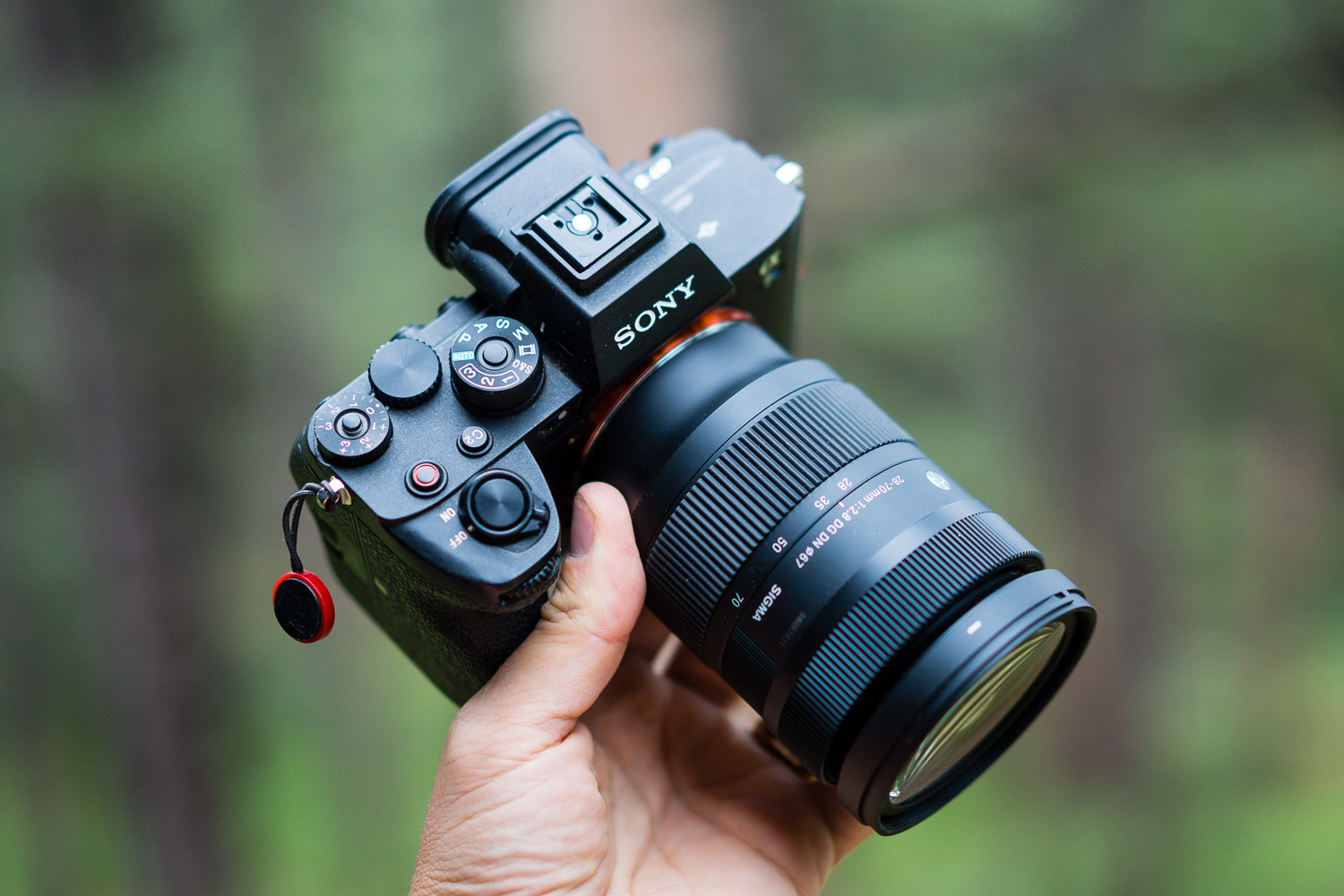
The openness of a camera’s ecosystem also dictates its “best” status for many users. Some brands have opened their mount specifications to third-party manufacturers like Sigma and Tamron, providing users with a wider range of technical options at various price points. Others maintain a “closed” system to ensure maximum quality control. From a tech perspective, the best ecosystem is the one that offers the widest variety of specialized optics, from ultra-wide-angle lenses for architectural work to fast primes for low-light portraiture.
The Future of Imaging: What’s Next?
To understand what camera is best today, we must look at where the technology is heading tomorrow. We are on the cusp of several breakthroughs that will redefine “best” once again.
Neural Engines and On-Sensor Processing
Future cameras will likely move away from traditional processors and toward dedicated Neural Engines, similar to those found in the latest flagship smartphones. This will allow for real-time “upscaling” of images and the ability to remove noise using AI before the file is even written to the card. We may soon see cameras that can simulate different lighting setups after the photo has been taken by using depth-mapping technology.
Global Connectivity and the Metaverse
As we move toward more immersive digital environments, cameras are being designed to capture 3D data. The “best” cameras of the near future may include Lidar sensors to capture spatial data alongside visual data, allowing for the easy creation of 3D assets for VR and AR applications. This integration of spatial computing and traditional imaging represents the next frontier of the camera market.
In conclusion, there is no singular “best” camera in a vacuum. The best camera is a highly specialized piece of technology that aligns with the user’s technical requirements. Whether it is the speed of a global shutter, the intelligence of an AI autofocus system, or the data-rich output of a medium format sensor, the pinnacle of camera technology is defined by its ability to push the boundaries of what is possible in digital imaging. When selecting your next device, look beyond the brand name and focus on the hardware architecture and software capabilities that will power your creative output in the years to come.
aViewFromTheCave is a participant in the Amazon Services LLC Associates Program, an affiliate advertising program designed to provide a means for sites to earn advertising fees by advertising and linking to Amazon.com. Amazon, the Amazon logo, AmazonSupply, and the AmazonSupply logo are trademarks of Amazon.com, Inc. or its affiliates. As an Amazon Associate we earn affiliate commissions from qualifying purchases.