
The yearning to start one’s own business is a powerful ambition, often driven by the desire for financial independence, greater control over one’s career, or the pursuit of a passion. In today’s dynamic economic landscape, the opportunities for entrepreneurship are more diverse and accessible than ever before. However, the sheer breadth of options can be overwhelming, leading many aspiring business owners to grapple with the fundamental question: “What business can I start?”
This article aims to provide a comprehensive roadmap for identifying and launching a profitable venture, focusing squarely on the financial considerations, income potential, and strategic planning essential for success in the realm of money. We’ll delve into the crucial steps of self-assessment, market validation, exploring various business models, and laying the groundwork for sustainable financial growth, ensuring that your entrepreneurial journey is not just exciting but also financially sound.
Laying the Financial Foundation: Self-Assessment and Market Validation
Before diving into a list of potential business ideas, the most critical initial step is a thorough self-assessment coupled with insightful market validation. This foundational work ensures that your business venture aligns with your financial capabilities, personal strengths, and market demands, setting the stage for profitability rather than perpetual struggle.
Understanding Your Financial Landscape and Risk Appetite
Every business requires some form of capital – be it monetary investment, time, or intellectual property. Understanding your current financial situation is paramount. How much capital can you realistically invest without jeopardizing your personal finances? Are you looking for a side hustle that requires minimal upfront cost, or are you prepared for a significant capital outlay for a high-growth venture?
Your risk appetite also plays a crucial role. Are you comfortable with the inherent uncertainties of a startup, or do you prefer a business model with more predictable revenue streams? Answering these questions honestly will help narrow down the field of potential businesses. For instance, if you have limited capital and low risk tolerance, a service-based business or a digital product venture might be more suitable than a capital-intensive manufacturing operation. Consider your current income, savings, and financial obligations. A clear picture of your financial cushion will dictate the scale and pace at which you can afford to grow your business, allowing you to bootstrap effectively or seek appropriate funding without undue stress.
Identifying High-Demand Niches and Profitability
The core of any successful business lies in solving a problem or fulfilling a need for a specific group of people – your target market. Identifying a high-demand niche isn’t just about finding a gap; it’s about finding a profitable gap. This requires meticulous market research. What problems are people willing to pay to solve? What services or products are currently underserved or delivered poorly?
Look for trends, analyze competitors, and pay attention to consumer complaints and desires. Tools like Google Trends, keyword research, and social media listening can reveal unmet demands. A profitable niche is one where customers perceive significant value in your offering and are willing to pay a price that allows for healthy profit margins. For example, personalized digital marketing for local businesses, sustainable eco-friendly products, or specialized online tutoring services often tap into specific, affluent, or growing segments of the market. The aim is to find an intersection between what people need, what they’ll pay for, and what you can realistically provide at a competitive yet profitable rate.
Leveraging Existing Skills for Monetization
One of the quickest and most financially sound ways to start a business is by monetizing skills you already possess. This significantly reduces the learning curve and often minimizes startup costs. Are you an excellent writer? Consider freelance copywriting or content creation. Do you have a knack for organizing? Professional organizing or virtual assistant services could be viable. Are you proficient in a specific software? Offer consulting or training.
Turning existing skills into a business means you’re already an expert, building immediate credibility and reducing the need for extensive training or expensive equipment. This approach allows for a faster path to generating income, often starting as a side hustle that can eventually grow into a full-time venture. Think about your professional experience, hobbies, and even casual talents. Every skill has potential market value if presented correctly.
Exploring Lucrative Business Models and Low-Cost Entry Points
Once you have a clearer understanding of your financial parameters and market opportunities, the next step is to explore specific business models that align with your findings. The modern economy offers an unprecedented array of options, many with relatively low barriers to entry, making entrepreneurship more accessible than ever before.
The Power of Digital Entrepreneurship: Online Income Streams
The digital realm has democratized business ownership, allowing individuals to reach global markets from their homes. Online income streams often have lower overheads compared to traditional brick-and-mortar businesses, making them attractive for those with limited initial capital.
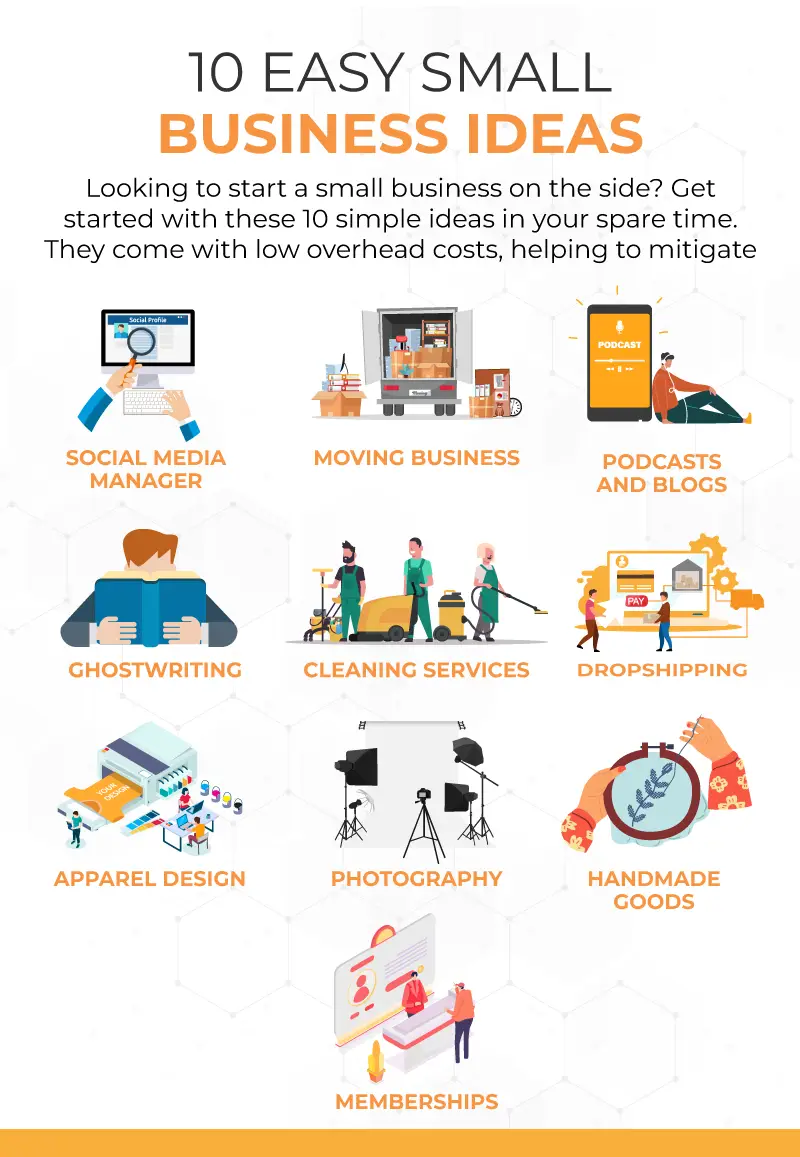
- E-commerce & Dropshipping: Selling physical products online is a massive industry. E-commerce involves creating your own online store (e.g., Shopify) to sell products you’ve sourced or manufactured. Dropshipping takes this a step further by allowing you to sell products without holding any inventory yourself; when a customer buys, you purchase the item from a third-party supplier who then ships it directly to the customer. This model significantly reduces capital risk but requires strong marketing and customer service skills.
- Digital Products & Courses: If you have expertise in a particular area, creating and selling digital products like e-books, online courses, templates, or software tools can be incredibly profitable. Once created, these products can be sold repeatedly with minimal additional cost, offering excellent profit margins and passive income potential.
- Affiliate Marketing: This involves promoting other companies’ products or services and earning a commission on every sale made through your unique affiliate link. It requires building an audience (e.g., via a blog, YouTube channel, or social media) and providing valuable content, but eliminates the need for product creation or customer support.
- Content Creation (Blogging, Podcasting, YouTube): Building an audience around a specific niche through engaging content can be monetized in multiple ways: advertising revenue, sponsorships, selling your own products, or affiliate marketing. While it takes time to build an audience, the long-term income potential is substantial.
Service-Based Ventures with Minimal Startup Capital
Service businesses often require little more than your time, expertise, and perhaps a basic website or tools. They are an excellent way to start generating income quickly and can be scaled as demand grows.
- Consulting & Coaching: If you possess specialized knowledge or experience in a field (e.g., business strategy, marketing, fitness, life coaching), offering your expertise as a consultant or coach can be highly lucrative. You sell your time and insights, often commanding premium rates.
- Freelancing: Offering professional services on a project basis is a flexible and low-cost way to start. This includes writing, graphic design, web development, virtual assistance, social media management, accounting, translation, and more. Platforms like Upwork, Fiverr, and LinkedIn can help connect you with clients.
- Local Services: Many essential services are still best provided locally. This could range from home cleaning, pet sitting, personal training, tutoring, event planning, or handyman services. These businesses often thrive on word-of-mouth referrals and can be started with very little capital.
Product-Based Businesses: From Handcrafts to Niche Manufacturing
For those with a passion for creating physical goods, product-based businesses offer a tangible connection to their work.
- Handcrafted Goods: If you’re skilled in crafts (jewelry making, knitting, pottery, woodworking, candle making), selling your creations through online marketplaces (Etsy), local craft fairs, or your own website can be a fulfilling and profitable venture.
- Niche Manufacturing/Private Label: Identifying a specific product need and having it manufactured (often overseas) under your own brand is another route. This could be anything from specialized tools to unique apparel or beauty products. This typically requires more upfront capital than service or digital businesses but can yield higher profits if a strong brand and distribution channel are established.
Strategic Planning for Financial Success and Sustainability

Starting a business is more than just having a great idea; it’s about meticulously planning its financial future. A well-thought-out strategy is the backbone of financial success and ensures the long-term sustainability of your venture.
Crafting a Robust Business Plan with a Financial Focus
A business plan isn’t just for investors; it’s your internal roadmap, especially its financial section. This section should detail your startup costs (one-time expenses like equipment, legal fees, initial marketing), operating expenses (recurring costs like rent, salaries, utilities, software subscriptions), and projected revenue.
Key financial components include:
- Break-Even Analysis: How many units or services do you need to sell to cover your costs?
- Profit and Loss Projections: Forecasted income and expenses over 1-3 years.
- Cash Flow Projections: A detailed look at money coming in and going out, crucial for managing liquidity.
- Funding Request (if applicable): How much money you need, what it will be used for, and how you plan to repay it or provide a return on investment.
This financial modeling forces you to think critically about pricing, sales targets, and cost management, identifying potential pitfalls before they become real problems. It transforms abstract ideas into concrete, measurable goals.
Navigating Legal and Financial Structures
Choosing the right legal structure for your business has significant financial and tax implications. Common structures include:
- Sole Proprietorship: Easiest to set up, minimal cost, but no personal liability protection. Business income/losses are reported on your personal tax return.
- Limited Liability Company (LLC): Offers personal liability protection (separates personal and business assets), more complex to set up than a sole proprietorship, but still relatively straightforward. Offers flexibility in taxation.
- S Corporation/C Corporation: More complex and expensive to set up and maintain, but offers specific tax advantages and structures for attracting investors.
Consulting with an accountant or legal professional is highly recommended to select the structure that best suits your business goals, financial situation, and risk tolerance, especially regarding taxation and liability. Understanding tax obligations (income tax, sales tax, self-employment tax) from the outset is crucial for proper financial planning and avoiding future penalties.
Securing Funding: Bootstrapping, Loans, and Investment
How you fund your business will heavily influence its early trajectory and your financial independence.
- Bootstrapping: Using your own savings and generated profits to fund the business. This is the lowest-risk approach financially, as it avoids debt and equity dilution. It requires careful financial management and often a slower growth pace, but it grants you complete control. Many successful businesses began this way.
- Small Business Loans: Banks, credit unions, and online lenders offer various loan products for startups and growing businesses. These typically require a solid business plan, good personal credit, and sometimes collateral. Government-backed loans (e.g., SBA loans in the US) can offer more favorable terms.
- Grants: Specific grants may be available for businesses in certain industries, owned by particular demographics, or those with a social impact mission. These are competitive but do not require repayment.
- Angel Investors & Venture Capital: For high-growth potential businesses, external investors can provide significant capital in exchange for equity (ownership) in your company. This is a more complex route, often requiring extensive pitches and a proven track record.
The choice of funding impacts your financial obligations, ownership stake, and the pressure to generate returns. Begin by exploring bootstrapping and then carefully consider debt or equity financing as needed.
Marketing and Growth Strategies for Profit Maximization
Once your business is launched, effective marketing and strategic growth are critical for attracting customers and maximizing your financial returns. It’s not enough to have a great product or service; people need to know about it and be convinced of its value.
Cost-Effective Marketing for Maximum ROI
Every marketing dollar spent should be viewed as an investment with an expected return. For new businesses, especially those with limited budgets, focusing on cost-effective strategies that deliver high ROI is key.
- Content Marketing: Creating valuable blog posts, videos, podcasts, or infographics that address your target audience’s pain points and interests can attract organic traffic and establish your authority, often at a lower cost than paid advertising.
- Social Media Marketing: Platforms like Instagram, Facebook, LinkedIn, or TikTok offer free ways to engage with potential customers, build community, and promote your offerings. Paid social media ads can be highly targeted, allowing for efficient spending.
- Email Marketing: Building an email list allows direct communication with interested prospects and customers. It’s a highly effective and low-cost way to nurture leads, promote new products, and drive repeat sales.
- Search Engine Optimization (SEO): Optimizing your website and content to rank higher in search engine results can bring consistent, free organic traffic over time. This is a long-term strategy but incredibly valuable for sustained visibility.
- Local SEO & Google My Business: For local service businesses, optimizing for local search and maintaining an active Google My Business profile is crucial for attracting nearby customers.
- Referral Programs: Encourage satisfied customers to spread the word by offering incentives for successful referrals. This leverages trust and often brings in high-quality leads.
Pricing Strategies for Profitability
Pricing your products or services correctly is one of the most critical financial decisions you’ll make. Price too low, and you leave money on the table; price too high, and you deter customers.
- Value-Based Pricing: Pricing based on the perceived value your product or service delivers to the customer, rather than just its cost. If you solve a significant problem, customers are often willing to pay more.
- Cost-Plus Pricing: Adding a markup percentage to your total cost of production. Simple to calculate but doesn’t always reflect market demand or competitive landscape.
- Competitive Pricing: Setting prices based on what your competitors charge. Useful as a benchmark, but ensure it allows for your desired profit margins.
- Tiered Pricing: Offering different packages or levels of service at varying price points to cater to different customer segments and needs (e.g., basic, premium, enterprise).
Regularly review and adjust your pricing based on market feedback, competitor analysis, and your own financial performance. The goal is to maximize revenue while maintaining customer satisfaction and market competitiveness.

Scaling Your Business: Expanding Revenue Streams and Market Reach
Once your business achieves initial stability and profitability, consider strategies for scaling. Scaling means growing revenue without a proportional increase in costs, thereby increasing your profit margins.
- Diversifying Product/Service Offerings: Introduce new products or services that complement your existing ones and cater to your current customer base or a closely related market.
- Expanding Geographically: If your business is local, consider expanding to neighboring areas. For online businesses, target new international markets.
- Automating Processes: Invest in tools and systems that automate repetitive tasks, freeing up your time and reducing operational costs as your volume grows.
- Building a Team: Hire employees or contractors to handle tasks that consume your time, allowing you to focus on strategic growth and higher-value activities. While this increases initial costs, it’s essential for sustained growth beyond a solopreneur model.
- Strategic Partnerships: Collaborate with other businesses to cross-promote services, reach new audiences, or co-create offerings, leveraging each other’s strengths and customer bases.
The journey of starting a business is an iterative process of learning, adapting, and growing. By grounding your entrepreneurial endeavors in sound financial planning, strategic decision-making, and a persistent focus on delivering value, you can transform the question “what business can I start?” into a resounding answer of sustainable financial success.
aViewFromTheCave is a participant in the Amazon Services LLC Associates Program, an affiliate advertising program designed to provide a means for sites to earn advertising fees by advertising and linking to Amazon.com. Amazon, the Amazon logo, AmazonSupply, and the AmazonSupply logo are trademarks of Amazon.com, Inc. or its affiliates. As an Amazon Associate we earn affiliate commissions from qualifying purchases.