
The entrepreneurial landscape is undergoing a significant transformation. As the global economy shifts toward digital-first interactions and decentralized work, the question of “what business is good to start” has evolved. It is no longer just about finding a gap in the market; it is about identifying a business model that offers high margins, scalability, and financial resilience. In the current economic climate, the most successful ventures are those that prioritize capital efficiency and sustainable revenue streams.
Whether you are looking to transition from a corporate role or seeking to diversify your income through a side hustle, selecting the right vehicle for your capital and time is the most critical financial decision you will make. This guide analyzes the most viable business categories from a financial perspective, focusing on profitability, cash flow, and market demand.
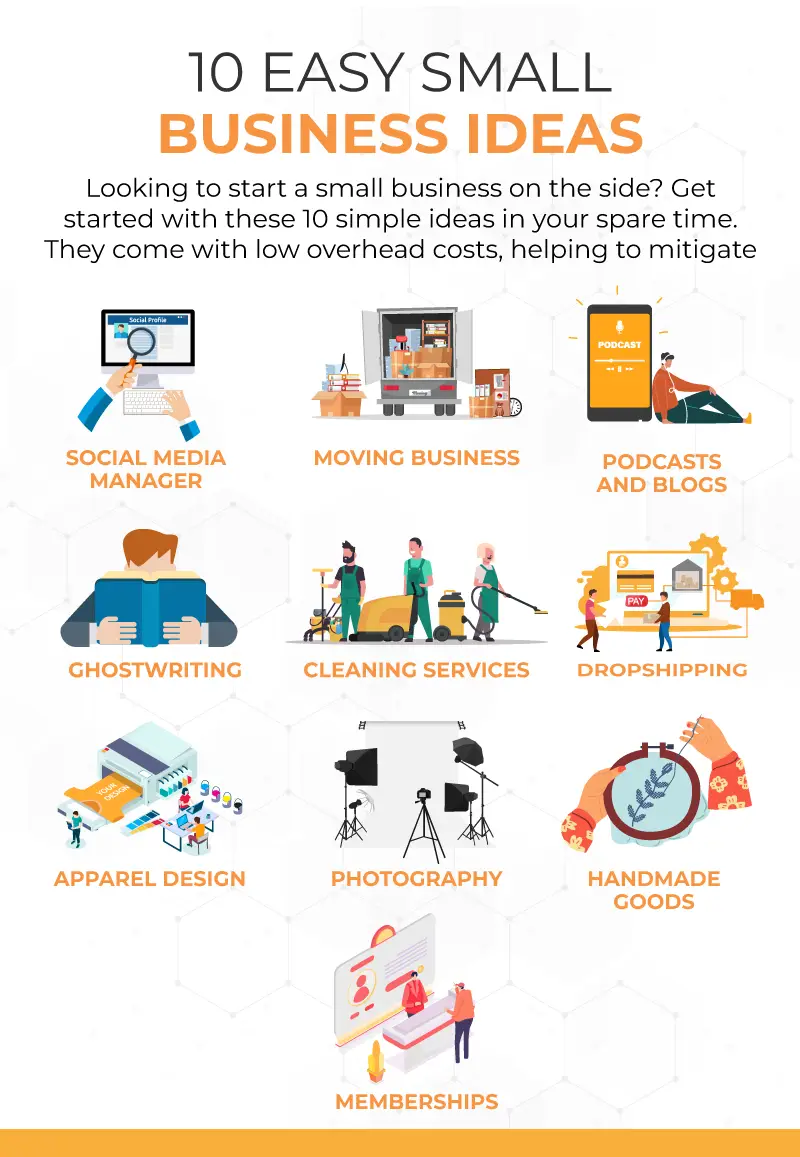
1. High-Margin Service-Based Businesses
Service-based businesses remain one of the most attractive options for new entrepreneurs because they require minimal upfront capital. Unlike manufacturing or retail, which often involve heavy inventory costs, a service business leverages intellectual capital. The primary goal here is to transform specialized knowledge into a high-ticket offering.
Specialized Consulting and Freelancing
Consulting is the purest form of monetizing expertise. From financial auditing and supply chain optimization to human resources and legal compliance, businesses are increasingly looking for external specialists rather than full-time hires. The financial advantage of consulting lies in the “value-based pricing” model. Instead of charging by the hour, successful consultants charge based on the ROI they provide to the client. This allows for significant profit margins, as the cost of delivery is primarily your time and basic software tools.
The Agency Model: Scaling Expertise
While freelancing is limited by the number of hours you can work, the agency model allows for scaling through delegation. By hiring other specialists to execute the work, you shift your role from a practitioner to a business owner. Financially, an agency thrives on the arbitrage between what the client pays and what you pay your contractors or employees. Successful agencies often focus on high-demand niches such as performance marketing, lead generation, or specialized financial fractional services (like Fractional CFO services), where the recurring revenue (retainers) provides a predictable cash flow.
Educational and Coaching Services
The “Knowledge Economy” is a multi-billion dollar industry. If you possess a skill that helps others make money or save time, there is a market for it. Business coaching, career transition services, and executive training are high-margin ventures. The financial beauty of this model is the low overhead. Once the curriculum or methodology is developed, the cost of acquiring and serving a new client remains relatively flat, leading to high net profit percentages.
2. Scalable Digital Products and Passive Income Streams
If the goal is to decouple time from money, digital products are the gold standard. These businesses involve high initial effort in creation but offer near-zero marginal costs for every additional unit sold. This is the epitome of a “Money” focused business, as it emphasizes asset creation and automated income.
E-learning and Digital Course Creation
The democratization of education has allowed individuals to package their skills into online courses. Platforms like Teachable, Kajabi, and Udemy have made it easier than ever to host content. From a financial standpoint, a digital course is an asset that works 24/7. Once the marketing funnel is optimized, the revenue generated is largely passive. The key to success in this niche is focusing on “evergreen” topics—skills that will remain relevant for years—ensuring a steady stream of income without constant updates.
Subscription-Based Content and Communities
The Monthly Recurring Revenue (MRR) model is the holy grail of business finance. Instead of chasing new sales every month, subscription models focus on retention. This could take the form of a paid newsletter (using platforms like Substack), a private mastermind group, or a specialized membership site. The predictability of subscription revenue makes financial planning and reinvestment much easier, as you can forecast your “runway” and growth trajectory with high accuracy.
Niche Affiliate Marketing and Lead Generation
Affiliate marketing involves promoting products or services and earning a commission on every sale or lead generated. While it is often dismissed as a “get-rich-quick” scheme, a professional affiliate business built on high-quality content and SEO is a legitimate financial asset. By targeting high-value niches—such as insurance, financial software, or enterprise tools—affiliates can earn substantial commissions without the headache of customer support, inventory management, or product development.

3. The E-commerce Revolution: High-Growth Retail Niches
Retail has moved far beyond the traditional brick-and-mortar shop. Modern e-commerce allows entrepreneurs to reach global markets with relatively lean operations. However, the financial success of an e-commerce business depends heavily on product selection and supply chain management.
Direct-to-Consumer (DTC) Brands
DTC brands cut out the middleman (wholesalers and third-party retailers) to sell directly to the end-user. This allows for higher margins and better control over the customer relationship. To be financially viable, a DTC brand should focus on products with a high “Lifetime Value” (LTV) and a low “Customer Acquisition Cost” (CAC). Consumable goods, such as specialized health supplements or skincare, are particularly effective because they encourage repeat purchases, leading to a higher return on ad spend over time.
Sustainable and Eco-Friendly Products
Consumer spending habits are shifting toward sustainability. Businesses that focus on eco-friendly alternatives—whether in packaging, apparel, or household goods—are seeing a surge in demand. From a business finance perspective, “green” products often command a price premium. Consumers are willing to pay more for ethically sourced materials, which can offset the higher costs of production and provide a healthy margin for the business owner.
Leveraging Third-Party Logistics (3PL)
The biggest financial drain in e-commerce is often warehousing and fulfillment. By leveraging Third-Party Logistics (3PL) providers or models like Amazon FBA (Fulfillment by Amazon), small business owners can scale without investing in physical infrastructure. This “asset-light” approach allows you to focus your capital on product development and marketing rather than rent and warehouse staff, making the business much more agile and financially resilient.
4. Financial Foundations: Preparing Your Business for Scale
Starting a business is only the first step; managing its financial health is what ensures its survival. Many businesses fail not because they lack customers, but because they lack a solid financial strategy.
Understanding Unit Economics and Profit Margins
Before launching, you must understand your unit economics. This means knowing exactly how much profit you make on a single sale after all costs (COGS, shipping, marketing, and processing fees) are deducted. A “good” business to start is one where the gross margin is high enough to cover operating expenses and still leave a net profit. Generally, aiming for a gross margin of 50% or higher is a safe target for most service and digital businesses, while e-commerce may operate on tighter margins with higher volume.
Managing Cash Flow and Working Capital
Cash flow is the lifeblood of any venture. There is a significant difference between “profit” and “cash in the bank.” For example, an e-commerce business might be profitable on paper, but if all its cash is tied up in inventory, it may struggle to pay its bills. Modern entrepreneurs use tools like rolling cash flow forecasts to predict when money will enter and exit the business. Ensuring you have sufficient working capital—the money used for day-to-day operations—is vital for navigating the early months of a startup.
Funding Strategies: Bootstrapping vs. External Investment
How you fund your business dictates how much control you retain. “Bootstrapping”—using your own savings and reinvesting initial profits—is the most financially conservative and often the most rewarding path, as you retain 100% equity. However, if the business requires significant R&D or rapid scaling to capture a market, seeking external investment through angel investors or venture capital might be necessary. It is crucial to weigh the cost of equity against the potential for accelerated growth.

Conclusion
When considering “what business is good to start,” the answer lies at the intersection of your personal strengths and the financial viability of the model. Service-based businesses offer the lowest barrier to entry and immediate cash flow. Digital products provide unparalleled scalability and passive income potential. E-commerce offers the chance to build a tangible brand in a global marketplace.
Regardless of the niche you choose, success is predicated on a rigorous focus on the numbers. By prioritizing high margins, recurring revenue, and efficient cash flow management, you can build a business that is not just a job, but a genuine financial engine that creates long-term wealth. The modern economy rewards those who can provide specific value at scale; identify your niche, master your financials, and begin building.
aViewFromTheCave is a participant in the Amazon Services LLC Associates Program, an affiliate advertising program designed to provide a means for sites to earn advertising fees by advertising and linking to Amazon.com. Amazon, the Amazon logo, AmazonSupply, and the AmazonSupply logo are trademarks of Amazon.com, Inc. or its affiliates. As an Amazon Associate we earn affiliate commissions from qualifying purchases.